
 Save
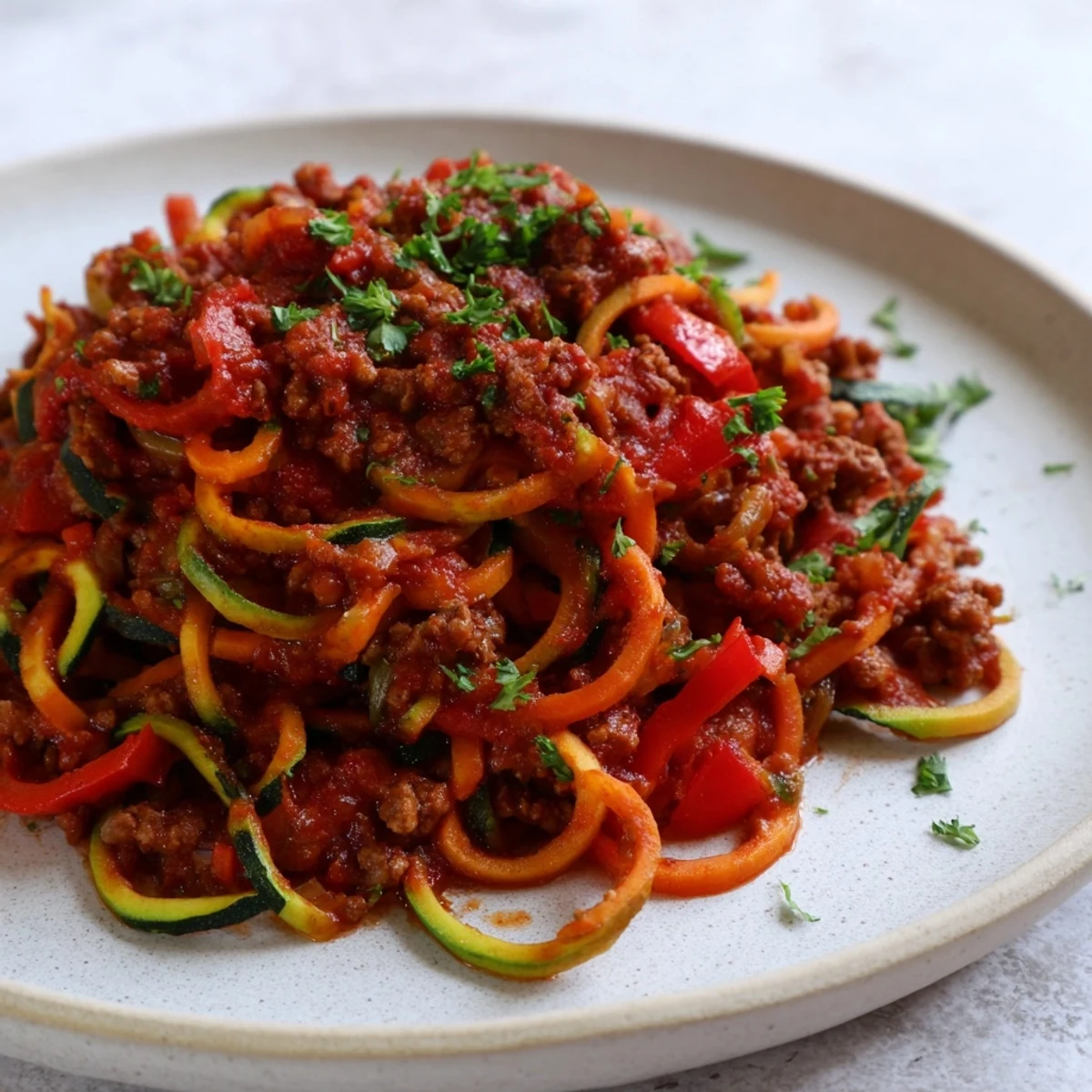
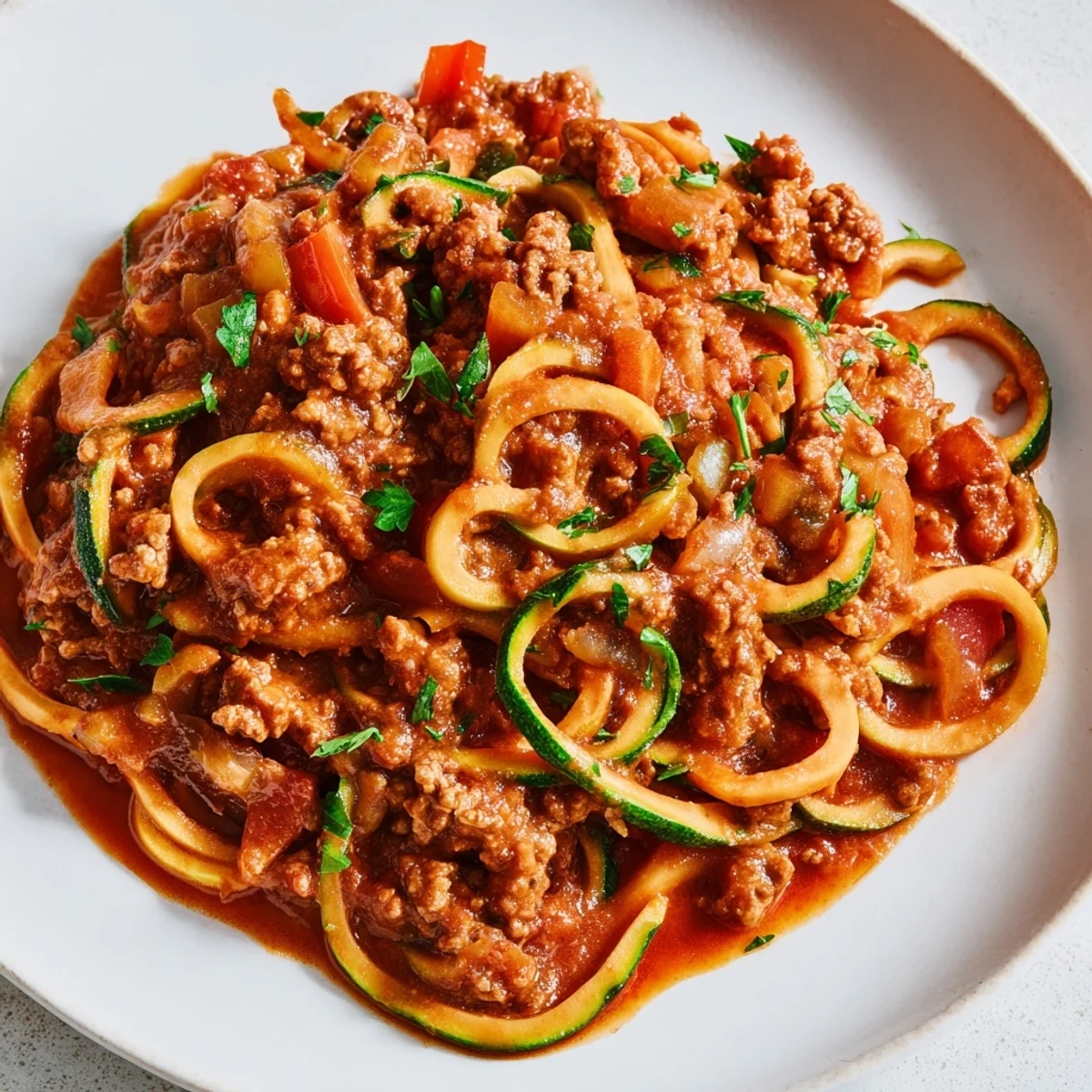
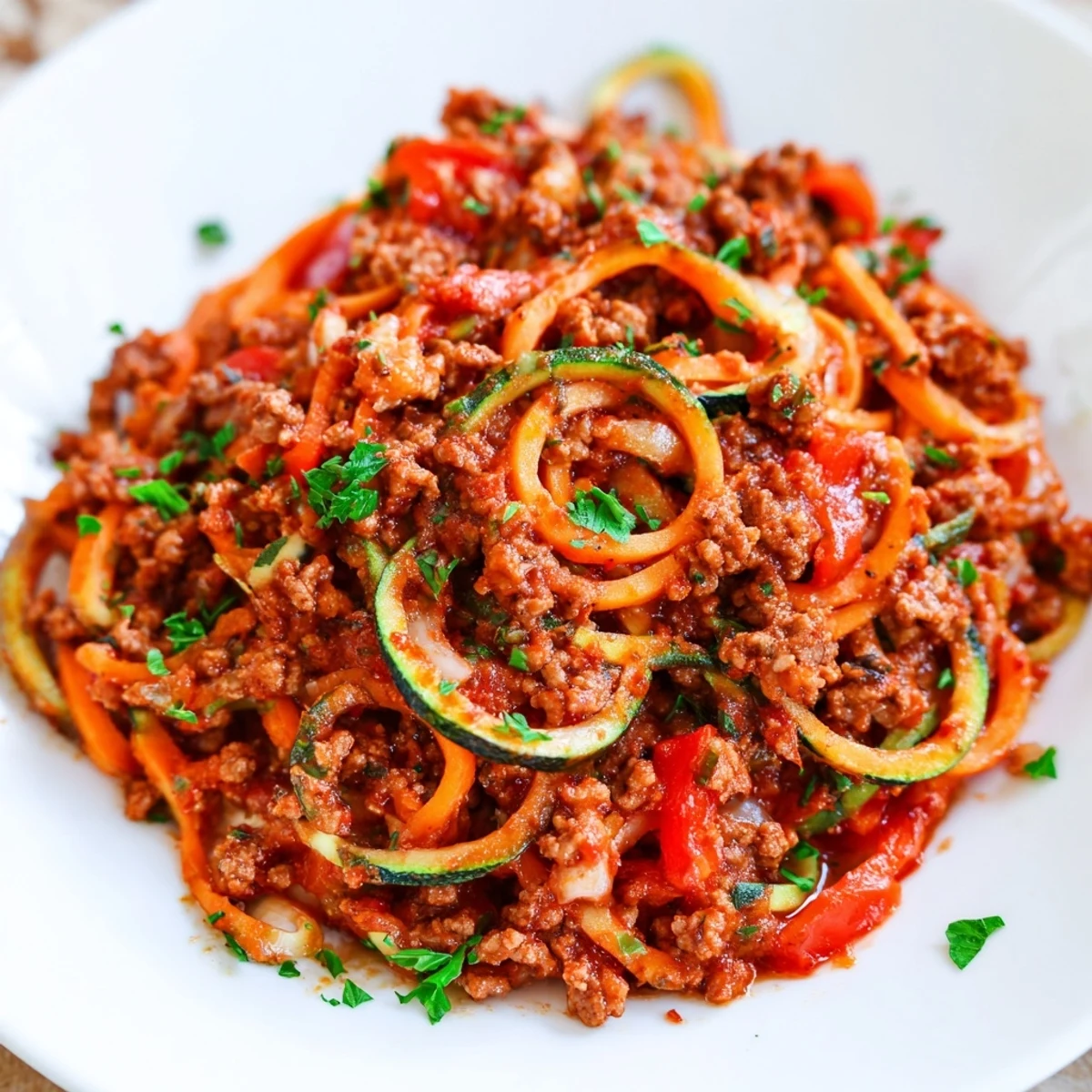
Save This comforting grain-free pasta features spiralized zucchini and carrots gently sautéed to tender perfection. Topped with a savory, hearty meat sauce simmered with ground turkey or beef, aromatic herbs, garlic, and crushed tomatoes, it brings warmth and flavor to cold days. Enhanced with fresh parsley and a hint of spice, it offers a satisfying, paleo-friendly meal with minimal prep in under an hour.
The first time I made this dish, I was snowed in and desperate for something that felt like real comfort food without the guilt. I'd been strict about eating paleo for a few months, and honestly, I missed pasta nights. So I pulled out my spiralizer, which had been gathering dust, and started twirling zucchini like I was winding up a lasso. Within minutes, my kitchen smelled like sautéing vegetables and possibility, and I knew I'd stumbled onto something that would become a winter staple.
I served this to my parents on a random Thursday in February, and my mom asked for seconds before her fork touched her plate. She'd been skeptical about paleo cooking, but watching her eat without hesitation taught me that food made with real ingredients just tastes better. That meal shifted something in our kitchen conversations.
Ingredients
- Zucchini: The workhorse of paleo pasta—spiralize medium ones for the best texture, not too thin or they'll dissolve into mush.
- Carrots: A spiralizer's dream, adding natural sweetness that balances the tomato sauce beautifully.
- Olive oil: Use a quality extra-virgin for the vegetable pasta so it tastes like actual food.
- Ground turkey or grass-fed beef: The soul of the sauce—choose whichever you trust, and don't be tempted to use super lean meat or it'll taste dry.
- Onion and garlic: These are your flavor foundation, so dice the onion fairly small so it melts into the sauce.
- Red bell pepper: Adds brightness and a subtle sweetness that rounds out the earthiness of the meat.
- Crushed tomatoes: Make sure the can says no added sugar—some brands sneak it in, and it'll throw off the whole balance.
- Tomato paste: This concentrate deepens the sauce's complexity and richness without watering it down.
- Dried oregano and basil: These humble spices are where the 'pasta' flavor actually comes from in this dish.
- Red pepper flakes: Optional, but they add a little warmth that lingers on your tongue in the best way.
- Fresh parsley: Never skip this—it brightens everything and makes it feel like restaurant food.
Instructions
- Spiralize your vegetables:
- Heat olive oil in a large skillet over medium heat, then add your spiralized zucchini and carrots with a pinch of salt. You want them to soften just enough to lose their raw crunch, but not so much that they turn into a sad pile—about 3 to 4 minutes should do it. Taste a strand and you'll know it's right when it's tender but still has a bit of bite.
- Build the meat sauce foundation:
- In another large skillet, warm olive oil over medium heat and sauté your diced onion until it softens and turns slightly golden, which takes about 2 to 3 minutes. Add minced garlic and diced bell pepper, cook for another couple of minutes until fragrant, then add your ground meat and break it up with a wooden spoon as it browns—this usually takes 5 to 6 minutes total.
- Simmer the sauce:
- Once the meat is fully cooked through, stir in the crushed tomatoes, tomato paste, dried oregano, basil, salt, pepper, and red pepper flakes if you're using them. Lower the heat to a gentle simmer and let it bubble quietly for 10 to 12 minutes, stirring every couple of minutes, until the sauce thickens and darkens slightly and tastes like something you want to keep eating.
- Bring it all together:
- Divide the spiralized vegetables among four plates, then ladle the warm sauce over the top and scatter fresh parsley across like confetti. The heat from the sauce will warm the delicate vegetable noodles just enough without turning them into mush.
 Save
Save The best part about this dish is watching someone take their first bite and then pause, genuinely surprised by how satisfying it feels. That moment when paleo stops feeling like restriction and starts feeling like abundance is worth every spiralization effort.
Why Spiralized Vegetables Matter
Before I really understood spiralizing, I thought it was just a trendy way to make vegetables look fancy. But there's actual wisdom in the technique—the thin, noodle-like shape means the vegetables cook faster and have more surface area to soak up that incredible sauce. It transforms zucchini from something you tolerate into something you crave, which is kind of the whole point.
Building Flavor Without Grain
The challenge of paleo cooking isn't finding vegetables—it's making sure those vegetables don't taste like you're punishing yourself. This sauce does the heavy lifting with quality meat, caramelized onions, garlic, and enough dried herbs that you're getting the depth usually associated with long-simmered, flour-based dishes. The tomato paste is crucial here because it concentrates tomato flavor into something almost savory, nearly meaty on its own.
Winter Cooking and Comfort
There's something about a steaming plate of sauce-covered vegetables on a gray afternoon that makes you feel taken care of. This dish doesn't try to be something it's not—it's just honest, warming food that happens to align with how you want to eat. Every element serves a purpose, and nothing feels like a compromise.
- You can make the sauce in the morning and let it develop flavor all day, then quickly spiralize and sauté vegetables when dinner time hits.
- Leftovers reheat beautifully and often taste even better, making this a smart choice for meal prep.
- If you have guests who eat paleo, this dish proves you're not boring—it's the opposite of restriction.
 Save
Save This recipe taught me that eating for health and eating for happiness don't have to be two different things. Keep making it, and it stops being a paleo pasta substitute and starts being just what you want to eat.
Recipe FAQs
- → What vegetables are used for the pasta base?
-
Zucchini and carrots are spiralized to create the vegetable pasta, providing a light and nutritious base.
- → Can the meat be substituted for a vegetarian option?
-
Yes, sautéed mushrooms and lentils make a flavorful vegetarian alternative to the meat sauce.
- → How long does it take to prepare this dish?
-
Preparation takes about 20 minutes, with an additional 25 minutes for cooking, totaling roughly 45 minutes.
- → What herbs are used in the meat sauce?
-
Dried oregano, basil, and optional crushed red pepper flakes enhance the savory meat sauce.
- → Is this dish suitable for anyone with common allergens?
-
Yes, it is free from gluten, dairy, soy, nuts, and eggs, though check tomato product labels if store-bought.
- → What tools are recommended to prepare the vegetable pasta?
-
A spiralizer or julienne peeler is ideal for creating the zucchini and carrot strands.