
 Save
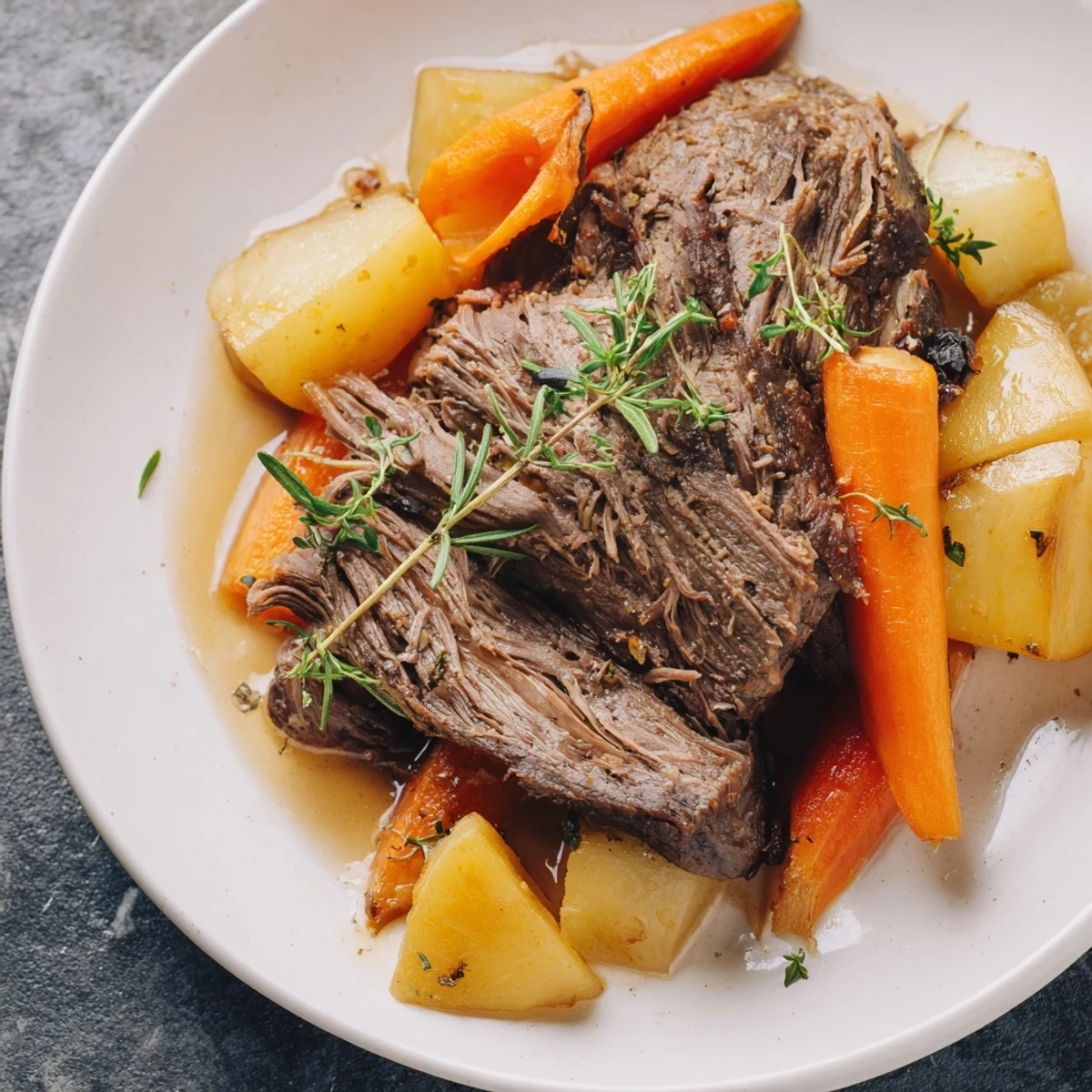
Save This dish features a grass-fed beef chuck slow-roasted with carrots, parsnips, sweet potatoes, onions, and aromatic herbs like rosemary and thyme. The vegetables and beef meld flavors over several hours, creating a tender and hearty meal perfect for cold days. Bone broth adds rich depth, while olive oil and seasoning enhance each bite. Ideal for those following Paleo and gluten-free lifestyles, this slow-cooked main offers satisfying warmth and comfort on snowy afternoons.
The first heavy snow of winter had just started falling when I decided this roast needed to happen. Something about the way the white stuff blanketed the backyard made me crave something that would fill the whole house with warmth for hours. My husband kept peeking into the Dutch oven, asking if it was done yet, but I knew good things come to those who wait.
I made this for a Sunday dinner with friends last month, and everyone went quiet after that first bite. The beef just fell apart at the touch of a fork, and those sweet carrots and parsnips had soaked up all those herbaceous juices. My friend Sarah asked for the recipe before she even finished her plate.
Ingredients
- Grass-fed beef chuck roast: The marbling here melts down into something incredible during those long hours
- Carrots and parsnips: These root vegetables develop a natural sweetness you cannot get any other way
- Sweet potatoes: They add creamy texture and hold their shape beautifully
- Fresh rosemary and thyme: The woody herbs stand up to long cooking without losing their punch
- Beef bone broth: Use the good stuff here because it reduces down into your sauce
Instructions
- Get everything ready:
- Preheat your oven to 160°C (325°F) and pat that beef completely dry with paper towels
- Season generously:
- Sprinkle salt and pepper all over every surface of the roast
- Sear for flavor:
- Heat olive oil in your Dutch oven over medium-high heat and brown the roast on all sides for about 3 to 4 minutes per side
- Sauté the vegetables:
- Cook onions, garlic, carrots, parsnips, celery, and sweet potatoes for 4 to 5 minutes until they soften slightly
- Bring it together:
- Nestle the beef back among the vegetables, sprinkle with rosemary, thyme, and tuck in the bay leaf
- Add the liquid:
- Pour in the bone broth until it reaches at least halfway up the roast
- Low and slow:
- Bring to a simmer, cover tightly, and slide into the oven for 2.5 to 3 hours
- The final touch:
- Fish out that bay leaf and serve the beef sliced or shredded with all those tender vegetables and those pan juices
 Save
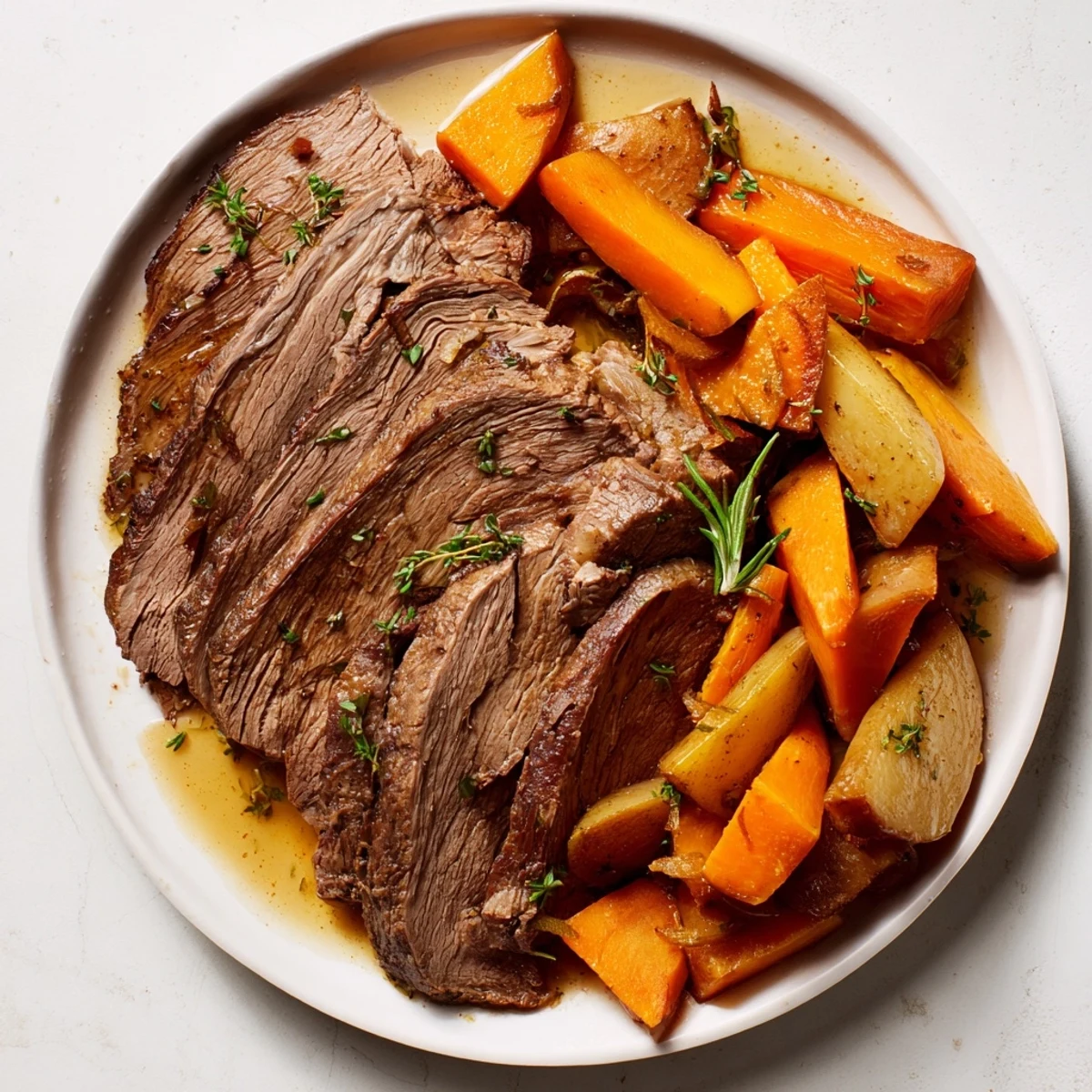
Save This recipe has become my go-to whenever someone needs comfort food. There is something about putting a pot in the oven and walking away that feels like an act of faith.
Making It Your Own
I have tried swapping turnips or rutabaga for parsnips when the grocery store selection looked sparse. They work beautifully and add a slightly different earthy note that keeps things interesting.
The Secret Upgrade
A splash of balsamic vinegar before roasting adds this incredible brightness that cuts through all the richness. I discovered this by accident when I grabbed the wrong bottle, but now I do it on purpose every time.
Serving Suggestions
Sautéed greens on the side make this feel like a complete meal. The bitter greens balance everything perfectly.
- Serve with a bold red wine if you are not strictly Paleo
- Crusty bread for soaking up those juices
- Simple salad dressed with olive oil and lemon
 Save
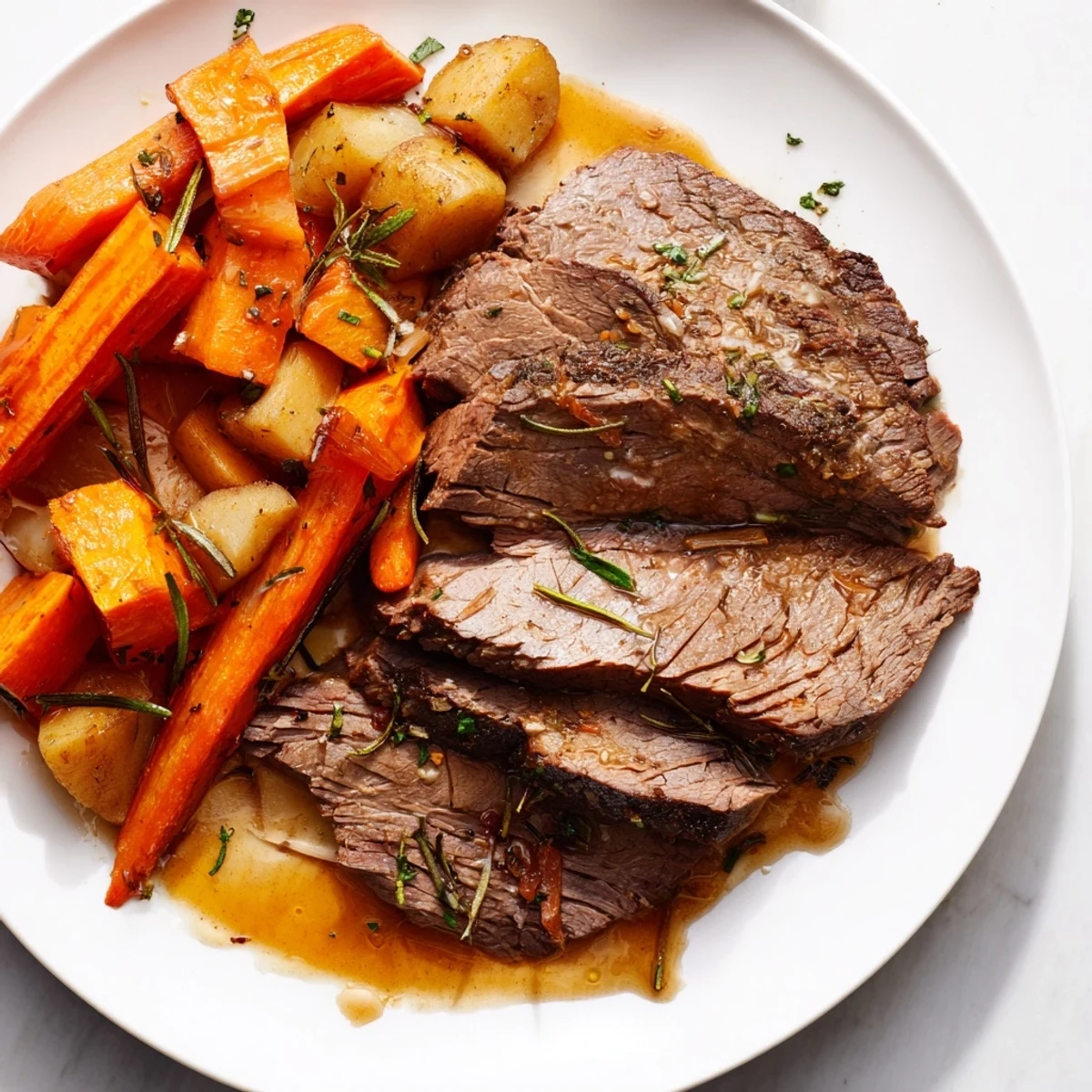
Save Winter comfort at its absolute finest.
Recipe FAQs
- → What cut of beef works best?
-
Grass-fed beef chuck roast is ideal for slow cooking, providing tender and flavorful meat.
- → Can I substitute vegetables?
-
Yes, turnips or rutabaga can replace parsnips or sweet potatoes for similar texture and flavor.
- → How long should I roast the beef?
-
Roast for 2.5 to 3 hours at 160°C (325°F) until the beef is fork-tender and vegetables are soft.
- → What herbs enhance the flavor?
-
Fresh or dried rosemary, thyme, and a bay leaf add aromatic depth to the dish.
- → Is bone broth necessary?
-
Bone broth adds richness and moisture, but quality stock or broth can be used as alternatives.