
 Save
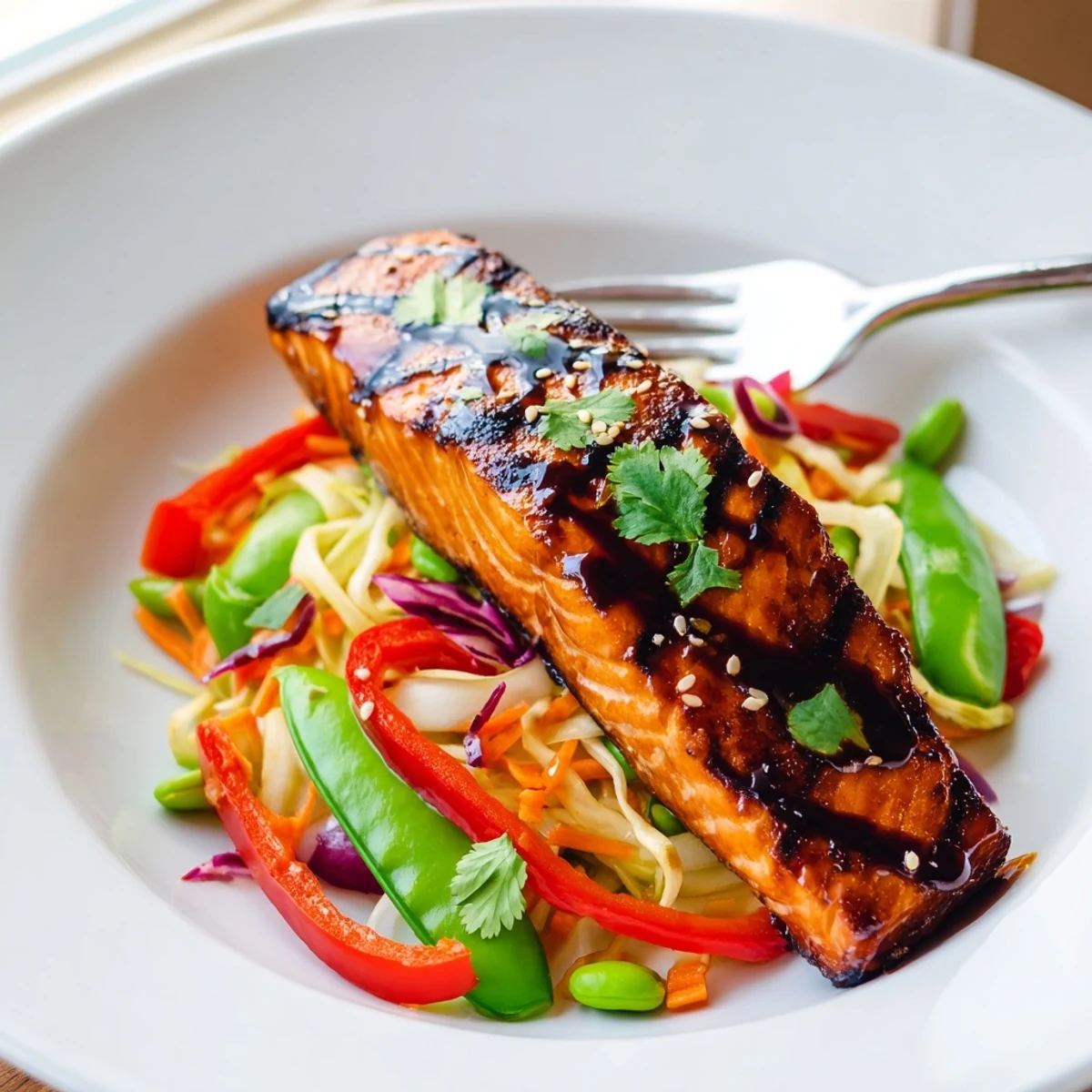
Save Succulent salmon fillets are brushed with a rich miso maple glaze, seared to golden perfection, and finished in the oven until flaky and tender. The glaze balances the umami depth of white miso with the natural sweetness of pure maple syrup, rounded out by soy sauce, rice vinegar, and a hint of toasted sesame oil.
Alongside, a vibrant snap pea slaw brings crunch and freshness—thinly sliced snap peas, julienned carrots, red bell pepper, and red onion are tossed in a tangy sesame lime dressing and finished with toasted sesame seeds. The whole dish comes together in just 35 minutes, making it an ideal choice for busy weeknights or casual entertaining.
The sizzle of salmon hitting a hot skillet is one of those sounds that makes everyone in the house wander toward the kitchen. One rainy Tuesday I threw together miso and maple syrup on a hunch, and the caramelized result was so good my partner asked if I ordered takeout. That happy accident became a weekly ritual that never gets old.
I served this at a small dinner party where one friend claimed she did not like fish, then went back for seconds and asked for the recipe before leaving.
Ingredients
- Salmon fillets: Skin-on holds together beautifully during searing, but skinless works fine if that is what you have.
- White miso paste: Adds a deep umami backbone without overpowering the maple.
- Pure maple syrup: The real stuff matters here because it caramelizes in the oven like a dream.
- Low sodium soy sauce: Keeps the salt level balanced so the miso can shine.
- Rice vinegar: Brings a gentle acidity that brightens the whole glaze.
- Toasted sesame oil: A little goes a long way and adds a nutty warmth.
- Fresh ginger, grated: Fresh ginger gives a subtle heat that dried powder cannot replicate.
- Garlic clove, minced: One clove is enough to add depth without stealing the show.
- Vegetable oil: Used for searing because it has a neutral flavor and a high smoke point.
- Snap peas, thinly sliced on the bias: The bias cut exposes more surface area for the dressing.
- Carrot, julienned: Matchstick cuts blend nicely with the peas and look beautiful on the plate.
- Red onion, thinly sliced: Adds a sharp bite and a pop of purple color.
- Red bell pepper, julienned: Contributes sweetness and crunch to round out the slaw.
- Fresh cilantro, chopped: Pulls everything together with a fresh herbal note.
- Toasted sesame seeds: A finishing sprinkle that adds texture and visual appeal.
- Rice vinegar for slaw dressing: Separating the dressing acid from the glaze acid keeps each component distinct.
- Honey or maple syrup for dressing: A touch of sweetness tames the vinegar in the slaw.
- Fresh lime juice: Adds brightness that makes the slaw feel alive.
- Salt and pepper: Season to taste at the very end so nothing gets over salted.
Instructions
- Preheat and prepare:
- Set your oven to 400 degrees Fahrenheit and line a baking sheet with parchment paper so cleanup is effortless.
- Whisk the glaze:
- In a small bowl, whisk together the miso paste, maple syrup, soy sauce, rice vinegar, sesame oil, ginger, and garlic until perfectly smooth with no lumps remaining.
- Coat the salmon:
- Pat the fillets dry with paper towels, then brush both sides generously with the glaze, saving any extra for drizzling later.
- Sear to build flavor:
- Heat vegetable oil in a large ovenproof skillet over medium high heat and sear the salmon skin side down for about two minutes until you see a golden crust forming.
- Roast to finish:
- Transfer the skillet or move the salmon to your prepared baking sheet and roast for eight to ten minutes until the fish flakes easily with a fork.
- Build the slaw:
- Toss the snap peas, carrot, red onion, bell pepper, and cilantro together in a large bowl while the salmon finishes in the oven.
- Dress and toss:
- Whisk rice vinegar, sesame oil, soy sauce, honey, lime juice, salt, and pepper in a small bowl, then pour it over the vegetables and toss to coat everything evenly.
- Plate and serve:
- Lay the salmon over a generous bed of slaw, sprinkle with sesame seeds, and drizzle any reserved glaze on top.
 Save
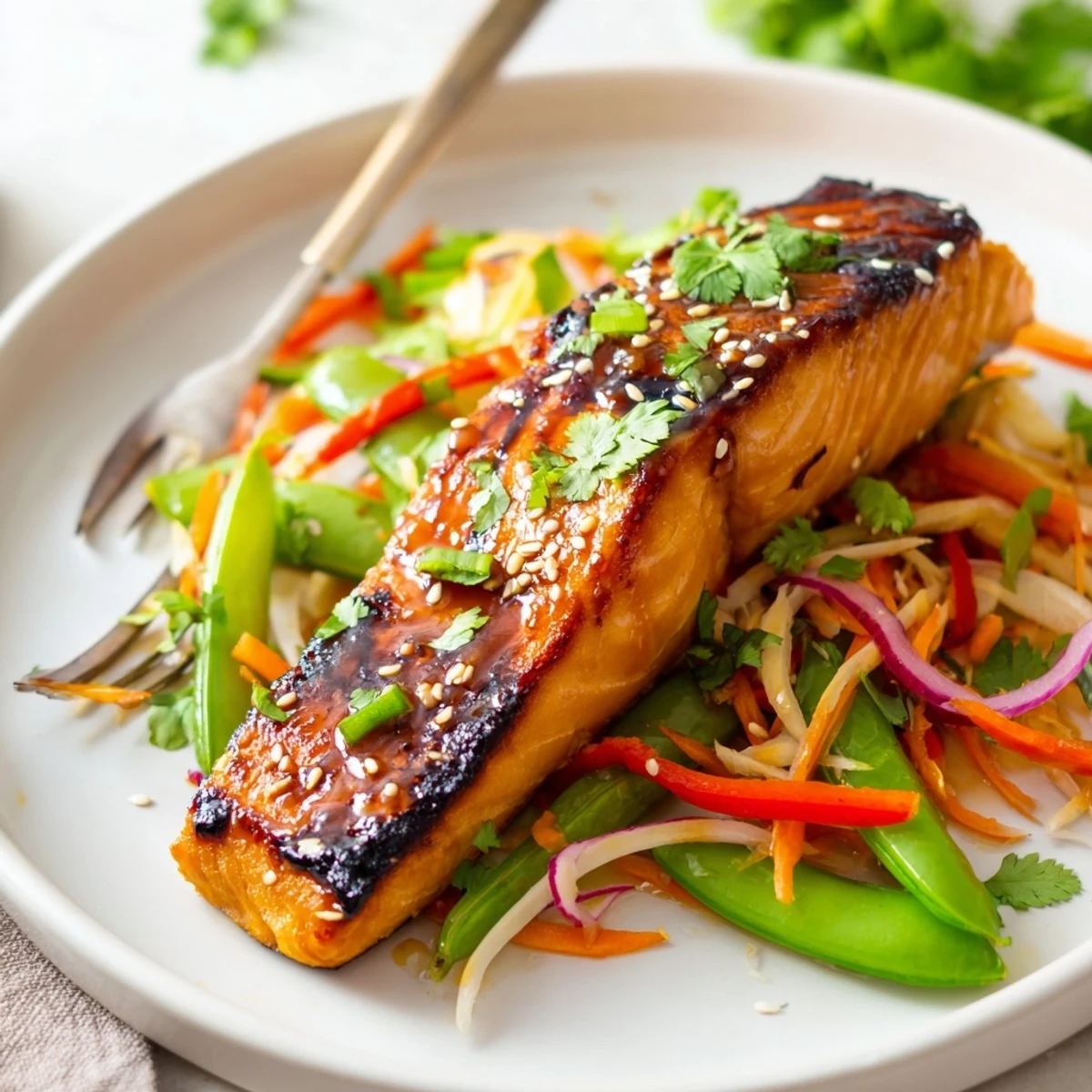
Save There is something magical about pulling a caramelized fillet from the oven and watching the glaze glisten under the kitchen light.
What to Serve Alongside
Steamed jasmine rice soaks up the extra glaze beautifully, and a cold glass of dry Riesling or chilled sake turns a random weeknight into something that feels intentional and special.
Making It Your Own
A pinch of red pepper flakes in the glaze gives a gentle heat that plays wonderfully off the maple sweetness, and snow peas swap in seamlessly if that is what your store has.
Leftovers and Storage
The slaw actually improves after a night in the fridge as the flavors mingle, though the salmon is best eaten the day you make it.
- Store the slaw and salmon in separate containers to keep the fish from getting soggy.
- Reheat salmon gently at 300 degrees Fahrenheit so it does not dry out.
- Never microwave the slaw because the crunch is the whole point.
 Save
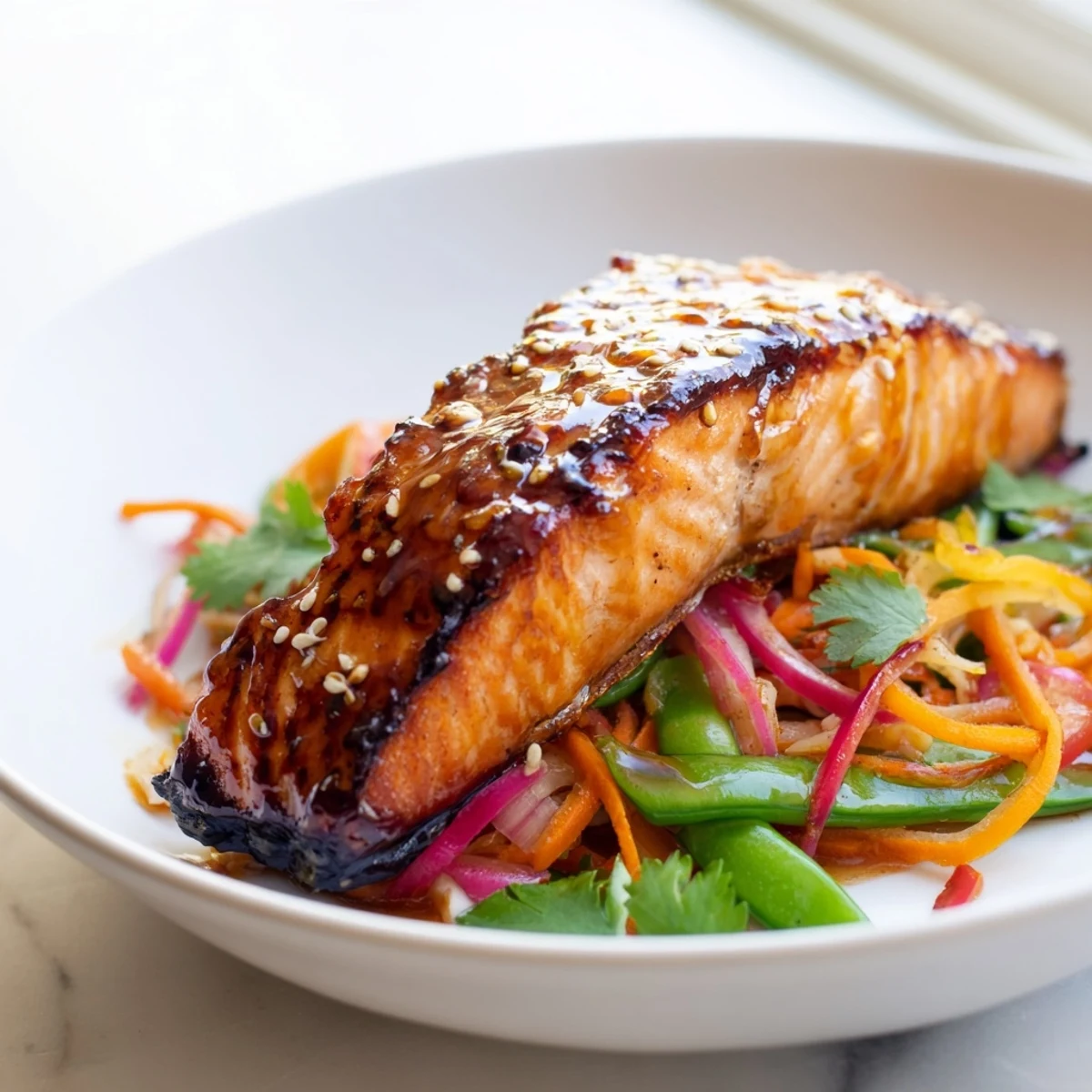
Save This dish reminds me that the best meals often come from trusting your instincts and playing with whatever is in the fridge.
Recipe FAQs
- → Can I use a different type of miso paste?
-
White miso (shiro miso) works best here because of its mild, slightly sweet flavor that complements the maple syrup. You can substitute yellow miso if that's what you have on hand. Red miso (aka miso) will also work but will produce a stronger, saltier, and more robust glaze—use it sparingly and consider adding an extra half tablespoon of maple syrup to balance the intensity.
- → How do I know when the salmon is properly cooked?
-
The salmon is done when it flakes easily with a fork and reaches an internal temperature of 145°F (63°C) at its thickest part. Visually, the flesh should transition from translucent to opaque pink throughout. For a slightly more tender result, you can pull it from the oven at 140°F—carryover heat will finish the cooking as it rests.
- → Can I make the slaw ahead of time?
-
Yes, you can prep the vegetables and dressing separately up to a day in advance. Store the sliced snap peas, carrots, red onion, and bell pepper in an airtight container in the refrigerator, and keep the dressing in a jar at room temperature or in the fridge. Toss everything together just before serving to maintain maximum crunch and freshness.
- → What can I substitute for snap peas in the slaw?
-
Snow peas are the closest substitute and work beautifully with the same thin slicing. You could also use a mix of shredded Napa cabbage, thinly sliced cucumber, or even edamame for a different texture. Each brings its own character while still pairing well with the sesame dressing.
- → Is this dish suitable for meal prep?
-
The slaw holds up well for 2 to 3 days when stored separately from the dressing, making it a great meal prep component. The cooked salmon is best enjoyed fresh but can be refrigerated for up to 2 days and gently reheated. For the best texture and flavor, store all components separately and assemble just before eating.
- → What side dishes pair well with this besides the slaw?
-
Steamed jasmine rice or brown rice is a natural pairing that soaks up the extra glaze. Quinoa or soba noodles also work beautifully. For a lighter option, try serving the salmon over a bed of wilted spinach or alongside roasted sweet potatoes. A bowl of miso soup would round out the meal with a traditional Japanese touch.