
 Save
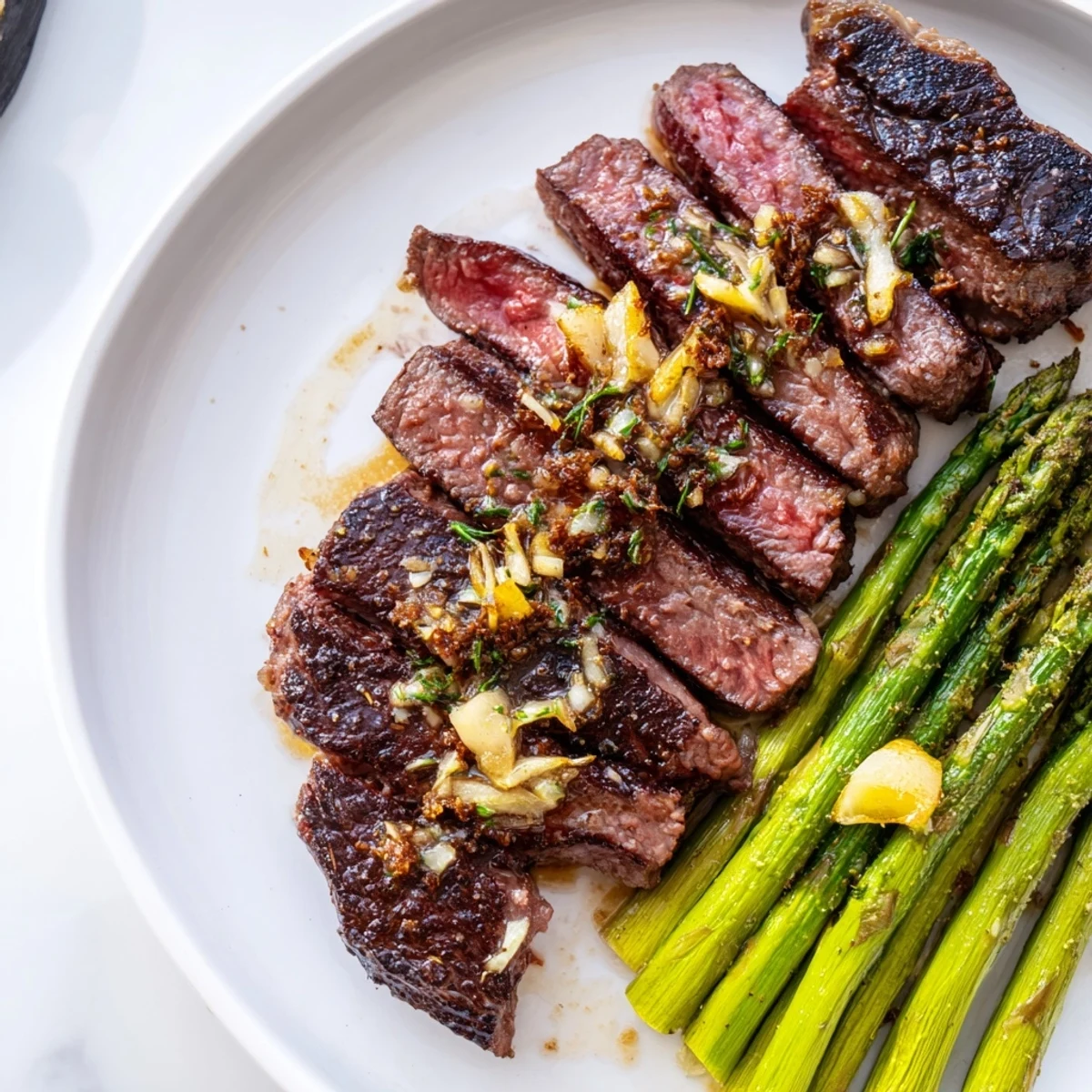
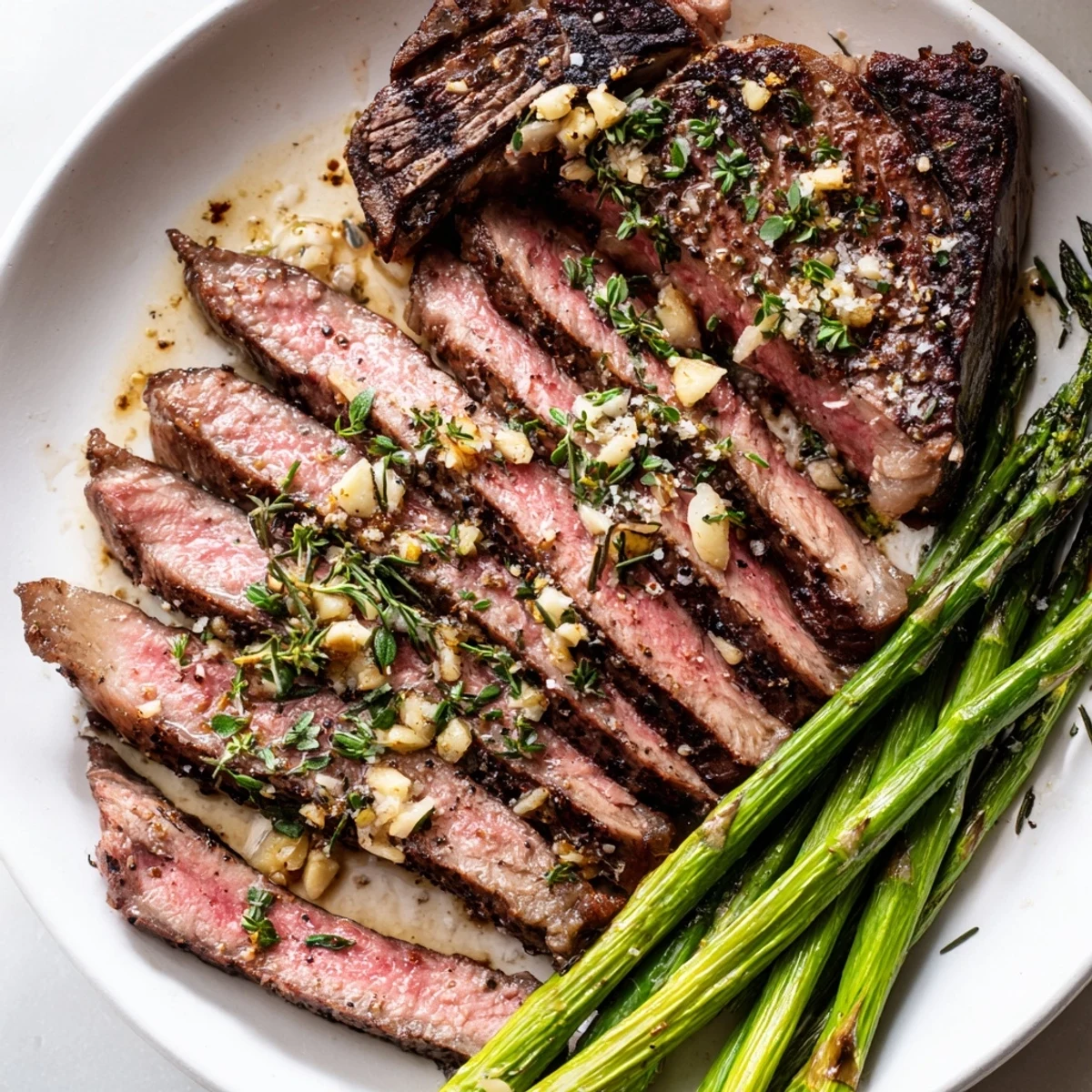
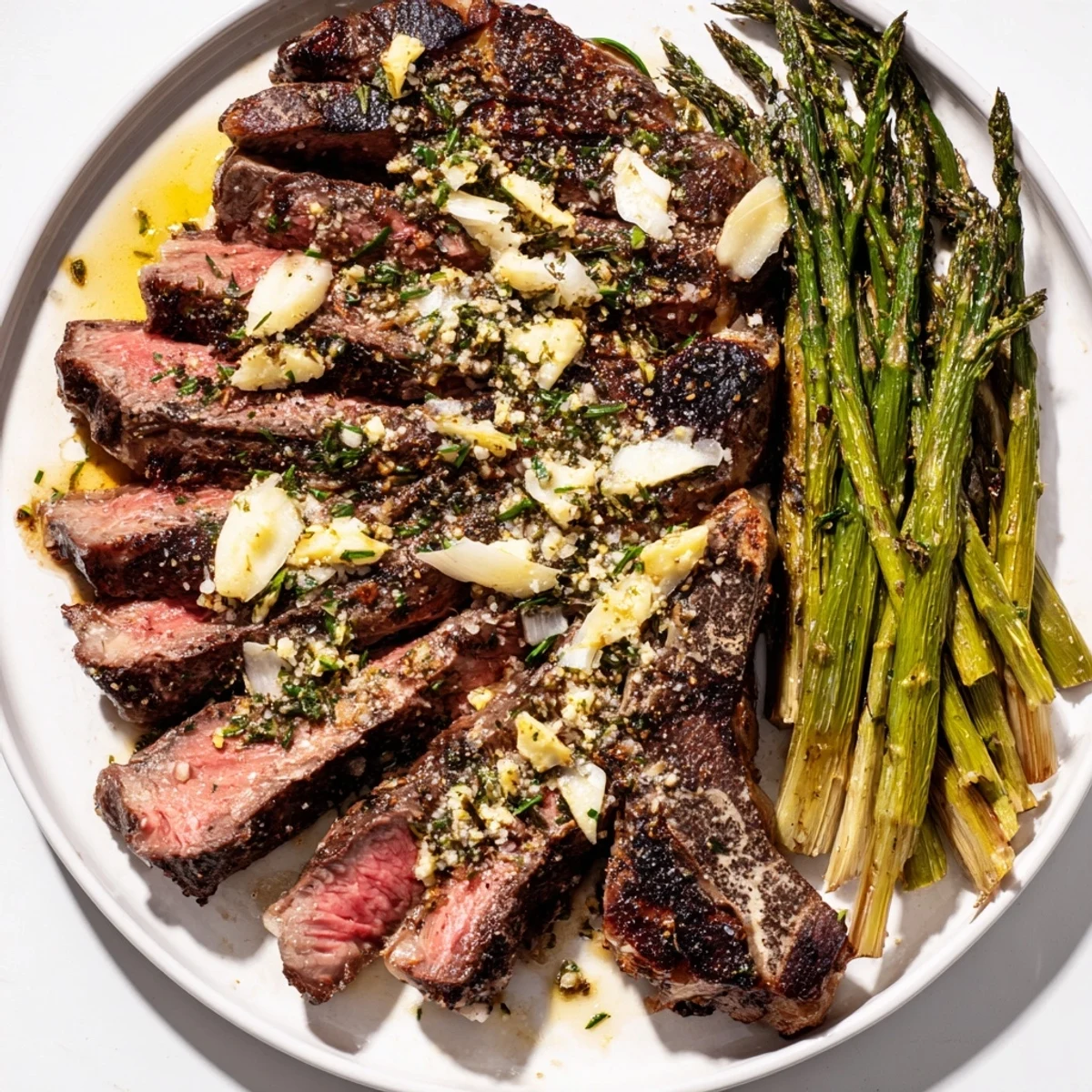
Save This dish pairs perfectly seared ribeye or sirloin steaks with tender roasted asparagus. The steaks are seasoned simply with salt and pepper, then seared in a blazing hot cast iron skillet to build a deep, caramelized crust.
Garlic, rosemary, and thyme are bloomed in butter and spooned over the cooking meat, infusing every bite with aromatic herb flavor. The asparagus roasts in the oven until slightly golden and tender, then gets finished with a generous hit of fresh lemon juice and zest.
The whole meal comes together in about 35 minutes and works beautifully for a weeknight dinner or a special occasion. Pair it with a bold Cabernet Sauvignon for the full experience.
The sizzle of butter hitting a screaming hot cast iron pan is a sound that never gets old, and this garlic herb steak with roasted asparagus is the reason my kitchen windows stay fogged up all evening. Something about smashed garlic and fresh thyme melting into foaming butter turns an ordinary Tuesday into an event. The lemon at the end wakes everything up like morning light through a window.
My neighbor Dave once knocked on my door to ask what I was cooking because the smell had drifted into his hallway, and he ended up staying for dinner with a bottle of Cabernet he grabbed from his kitchen. We stood around the island eating off the cutting board because plating felt too formal for how hungry we were.
Ingredients
- 4 boneless ribeye or sirloin steaks (8 oz each): Ribeye gives you more marbling and richness, but sirloin works beautifully if you prefer a leaner bite.
- Olive oil: You need a neutral oil with a high smoke point for searing, and olive oil does the job while adding its own subtle flavor.
- Unsalted butter: This is your basting fat, and unsalted lets you control the seasoning without surprises.
- 4 garlic cloves, smashed: Smashed instead of minced so they infuse the butter without burning and turning bitter.
- Fresh rosemary and thyme: Dried herbs will not give you the same aromatic punch here, so spring for the fresh bundles.
- Kosher salt and black pepper: Generous seasoning on the steak is nonnegotiable, and kosher salt distributes more evenly than table salt.
- 1 lb fresh asparagus, trimmed: Snap the woody ends off by bending each stalk until it breaks naturally.
- 1 lemon, zested and juiced: The zest goes on the asparagus after roasting, and the juice brightens the whole plate at the end.
Instructions
- Crank the oven:
- Preheat to 425°F (220°C) and let it fully come to temperature because a hot oven is the secret to asparagus that chars instead of steams.
- Roast the asparagus:
- Toss the trimmed stalks with olive oil, salt, and pepper directly on a baking sheet, spread them in a single layer with space between each one, and roast for 12 to 15 minutes, flipping once halfway through.
- Dry and season the steaks:
- Pat both sides of each steak thoroughly with paper towels because moisture is the enemy of a good crust, then season generously with salt and pepper.
- Sear hard:
- Heat your cast iron skillet over high heat until it just starts to smoke, add a splash of olive oil, and lay the steaks in without crowding the pan, searing 2 to 3 minutes per side until you get a deep mahogany crust.
- Baste with love:
- Drop the heat to medium, add the butter, smashed garlic, rosemary, and thyme to the pan, then tilt the skillet and spoon the foaming herb butter over the steaks repeatedly for 1 to 2 minutes until the kitchen smells incredible.
- Check doneness and rest:
- Look for about 130°F (54°C) internal temperature for medium rare, then pull the steaks off the heat, tent them loosely with foil, and let them rest for 5 minutes while the juices redistribute.
- Finish the asparagus:
- Pull the roasted asparagus from the oven, hit it with fresh lemon juice and a shower of zest, and give it a gentle toss.
- Plate and pour:
- Lay each steak beside a bundle of asparagus and spoon some of that golden garlic herb butter from the pan over the top so it pools on the plate.
 Save
Save The first time I made this for my mother, she closed her eyes after the first bite and told me it was better than the steakhouse downtown, and I have never forgotten that compliment.
Choosing the Right Cut
Ribeye is my go-to for this recipe because the fat renders during searing and bastes the meat from the inside out. Sirloin is leaner and still delicious, but if you go that route, pull it from the heat a touch earlier since it dries out faster. Strip steak or tenderloin also work well if that is what you have on hand.
Wine Pairing Suggestions
A bold Cabernet Sauvignon stands up to the richness of the butter basted steak without getting lost. If you prefer something lighter, a Syrah or Malbec brings enough fruit and spice to hold its own against the garlic and herbs.
Getting Ahead and Storing Leftovers
You can season the steaks and let them sit uncovered in the fridge for a few hours, which dries out the surface and actually helps the sear. Leftover steak keeps well in the fridge for up to 3 days and makes an incredible next day sandwich with the cold asparagus tucked alongside.
- Marinate the steaks in olive oil, garlic, and herbs for up to 1 hour before cooking if you have the time.
- Let the steaks sit at room temperature for 30 minutes before searing so they cook evenly.
- Always slice against the grain for the most tender bite.
 Save
Save This is the kind of meal that turns a random weeknight into something worth remembering, and you deserve more of those.
Recipe FAQs
- → What is the best steak cut for pan-searing?
-
Ribeye and sirloin are excellent choices for pan-searing due to their marbling and flavor. Ribeye delivers richer taste from its fat content, while sirloin offers a leaner but still flavorful option. Strip steak and tenderloin also work well depending on your preference.
- → How do I know when my steak is cooked to the right doneness?
-
Use a meat thermometer for the most accurate results. For medium-rare, pull the steak at 130°F (54°C). Medium is around 140°F (60°C). Keep in mind the steak's internal temperature will rise a few degrees while resting. Always let the meat rest for at least 5 minutes before slicing.
- → Why do I need to rest the steak after cooking?
-
Resting allows the juices to redistribute throughout the meat rather than spilling out onto your cutting board. When a steak comes off the heat, the muscle fibers are contracted. A brief rest helps them relax and reabsorb moisture, resulting in a juicier, more flavorful bite.
- → Can I roast the asparagus at the same time I cook the steak?
-
Yes, the timing actually works well together. Start the asparagus in a 425°F oven first, then begin searing your steaks on the stovetop. The asparagus takes about 12–15 minutes to roast, which aligns nicely with the time needed to season, sear, baste, and rest the steaks.
- → What can I substitute for butter in the garlic herb baste?
-
Ghee is a great one-to-one substitute and is often tolerated by those with mild dairy sensitivities. For a fully dairy-free option, use additional olive oil or a plant-based butter. The basting technique works the same way regardless of the fat you choose.
- → How should I store and reheat leftovers?
-
Store leftover steak and asparagus separately in airtight containers in the refrigerator for up to 3 days. Reheat steak gently in a low oven (around 275°F) to avoid overcooking, or slice it cold for salads and sandwiches. Asparagus can be reheated in a hot skillet for a minute or two.