
 Save
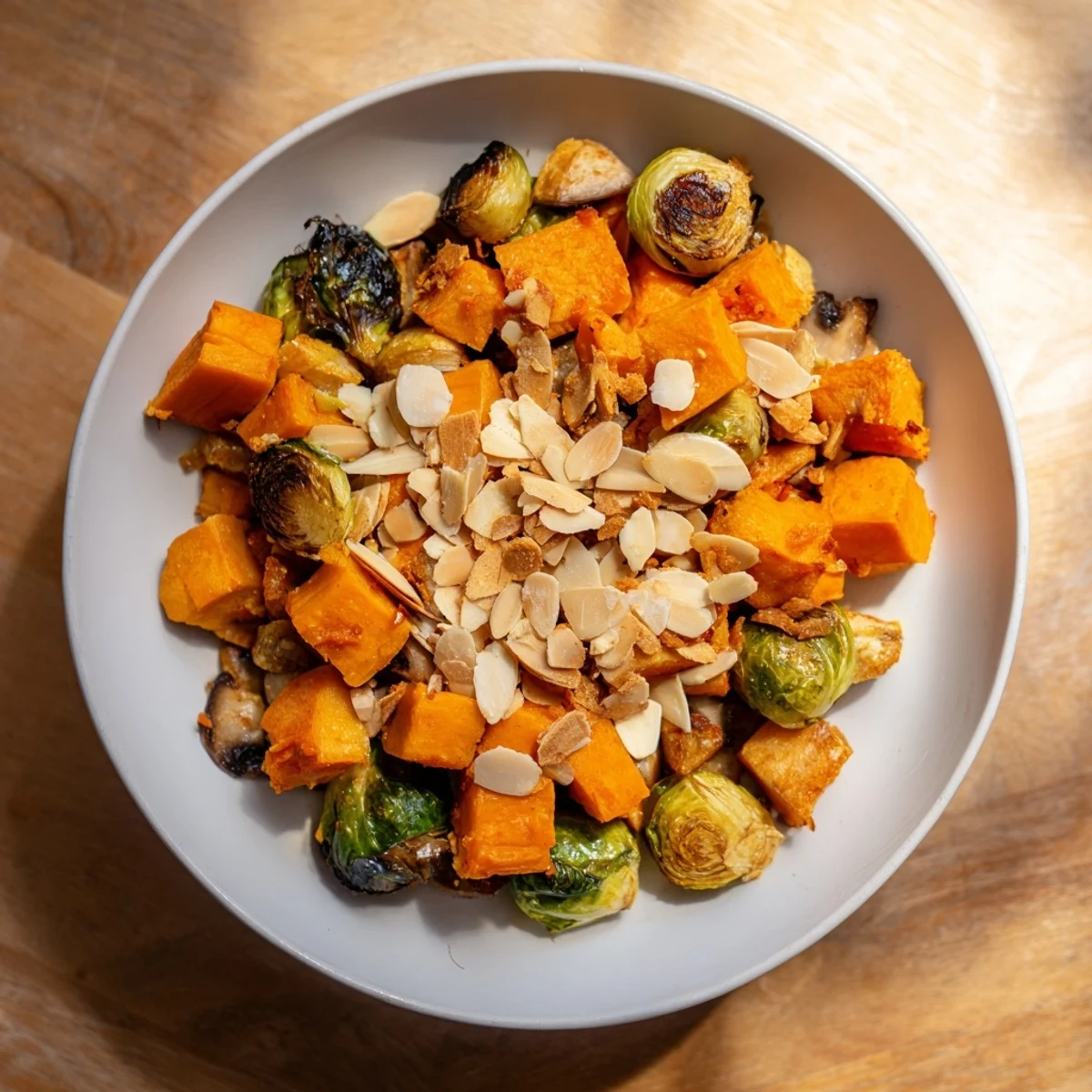
Save This winter casserole brings together a variety of seasonal vegetables and plant-based ingredients to create a warm, comforting dish. Layers of root veggies, beans, and herbs combine to offer rich flavors and satisfying texture. Ideal for chilly days, it’s a wholesome and aromatic choice that celebrates the harvest season through simple, hearty preparation techniques.
I still remember the first time I made this Winter Harvest Vegan Casserole on a cold January evening when unexpected guests were coming over. I had just started exploring plant-based cooking, and my pantry felt limited compared to my old go-to comfort dishes. But then I realized—a casserole could be my canvas. I layered whatever vegetables I had, added some grains, and something magical happened in that oven. The aroma alone told me I was onto something special, and when everyone came back for seconds, I knew I had found my winter staple.
I made this casserole for my sister's book club last February, and I watched her skeptical face transform into pure joy as she took that first bite. She'd been worried about the vegan label, but the richness and depth of flavor won her over completely. Now she texts me for the recipe whenever she needs to impress people at her own table.
Ingredients
- 2 cups root vegetables (carrots, parsnips, potatoes), diced: These form the backbone of your casserole and soften beautifully during cooking. I've learned to cut them roughly the same size so they cook evenly.
- 2 cups leafy greens (kale, chard, spinach), chopped: Add them toward the end of prep to prevent wilting before baking. They'll reduce dramatically and add a subtle earthiness.
- 1 cup mushrooms, sliced: Cremini or oyster mushrooms add an umami depth that makes meat-eaters forget what they're missing. Cook them first to release their moisture.
- 1 cup cooked grains (quinoa, farro, or wild rice): This is your binding agent. Any grain works, but I prefer farro for its chewy texture.
- 3 cloves garlic, minced: Garlic is non-negotiable. Fresh is always better than powder for this dish.
- 2 tablespoons olive oil: Use good quality—it carries so much of the flavor here.
- 2 cups vegetable broth: This keeps everything moist and allows the flavors to meld. Don't skip it.
- 1 cup unsweetened plant-based milk: Creates a subtle creamy texture without heaviness. Oat milk is my favorite choice.
- 2 tablespoons nutritional yeast: This is the secret ingredient that adds a savory, cheesy depth.
- 1 teaspoon dried thyme: Thyme and winter vegetables belong together—it's almost a law of nature.
- 1 teaspoon dried rosemary: Use half if you prefer something gentler. You can always add more.
- Sea salt and cracked black pepper to taste: Taste as you go—this matters more than exact measurements.
Instructions
- Prepare your vegetables:
- Start by dicing all your root vegetables into roughly bite-sized pieces. Toss them gently as you work—there's something meditative about the knife work that makes this dish special. Set them aside in a bowl and do the same with your other vegetables. Having everything prepped before you start cooking makes the actual assembly feel like you're conducting an orchestra.
- Build the flavor base:
- Heat your olive oil in a large pot or Dutch oven over medium heat. When it shimmers slightly, add your minced garlic and let it become fragrant—this takes about 30 seconds if you're listening closely. You'll know it's right when the kitchen smells like someone who knows what they're doing is cooking. Add your sliced mushrooms and let them cook, stirring occasionally, until they've released their moisture and begun to brown around the edges. This is the moment the casserole starts tasting less like separate vegetables and more like a unified dish.
- Layer in the roots:
- Add your diced root vegetables to the pot and stir everything together so each piece gets coated in that garlic and mushroom richness. Let them cook undisturbed for a few minutes—this is called developing fond, and it's where deep flavor lives. Then add your dried herbs, sprinkle in the nutritional yeast, and season with salt and pepper. Trust your instincts here. If it tastes slightly too salty now, it won't be later after the liquid reduces.
- Add the liquid and grain:
- Pour in your vegetable broth and plant-based milk, stirring gently to combine. Add your cooked grains and stir everything until it feels cohesive, like you're tucking all the ingredients into bed together. Bring it to a simmer, then let it bubble gently on the stovetop for about 15 minutes. Watch how the liquid reduces and thickens slightly—this is the moment where it stops being a soup and starts becoming a casserole.
- Fold in the greens:
- Stir in your chopped leafy greens in batches. They'll seem to overflow the pot at first, but they wilt down dramatically. Keep stirring gently until they're completely incorporated and the whole mixture has darkened slightly. This is what it should look like just before it goes into the oven—rich, dark, and inviting.
- Transfer and bake:
- Pour everything into a casserole dish—I use an 8x10-inch ceramic one that's become my favorite over the years. Smooth the top gently. Bake at 375°F for 25-30 minutes, until the top develops a light crust and you can see the edges bubbling slightly. The aroma during these last minutes is what makes people think you've been cooking all day.
- Let it rest before serving:
- This is crucial and the hardest part. Let the casserole sit for 5 minutes out of the oven before serving. This allows everything to set slightly and makes it easier to serve those perfect squares that people will come back to their plates for.
 Save
Save This casserole reminds me of my grandmother's kitchen—not because of her recipes, but because of the feeling it creates. She always said the best meals happened when people slowed down enough to taste what was in front of them. That's what this dish does. It gathers everyone around the table and somehow makes them linger a little longer.
Variations That Work Beautifully
I've made this casserole in dozens of ways depending on the season and what I have available. In autumn, I add roasted pumpkin and sage. In spring, I use asparagus and fresh dill instead of the heavier herbs. The structure stays the same—vegetables, grain, liquid, and seasoning—but the personality changes completely. It's like cooking with your region rather than against it.
Storing and Reheating
This dish improves after a day or two as the flavors deepen and meld together. Store it covered in the refrigerator for up to four days, or freeze it for up to three months. To reheat, cover it loosely with foil and warm at 350°F until heated through, which takes about 20-25 minutes from refrigerated. You can also reheat individual portions gently in the microwave, though the stovetop method keeps the texture more intact.
Why Winter Vegetables Matter
Winter vegetables have a sweeter, deeper quality than their summer counterparts because plants concentrate their sugars as a survival mechanism against the cold. This casserole honors that natural sweetness while the herbs and nutritional yeast add savory balance. It's eating in harmony with the season, and your body and soul both notice the difference.
- Buy vegetables that feel heavy for their size—density means flavor and nutrition
- Root vegetables keep for weeks in a cool, dark place, making this an economical choice through the cold months
- Leftovers taste even better the next day as everything becomes more unified and rich
 Save
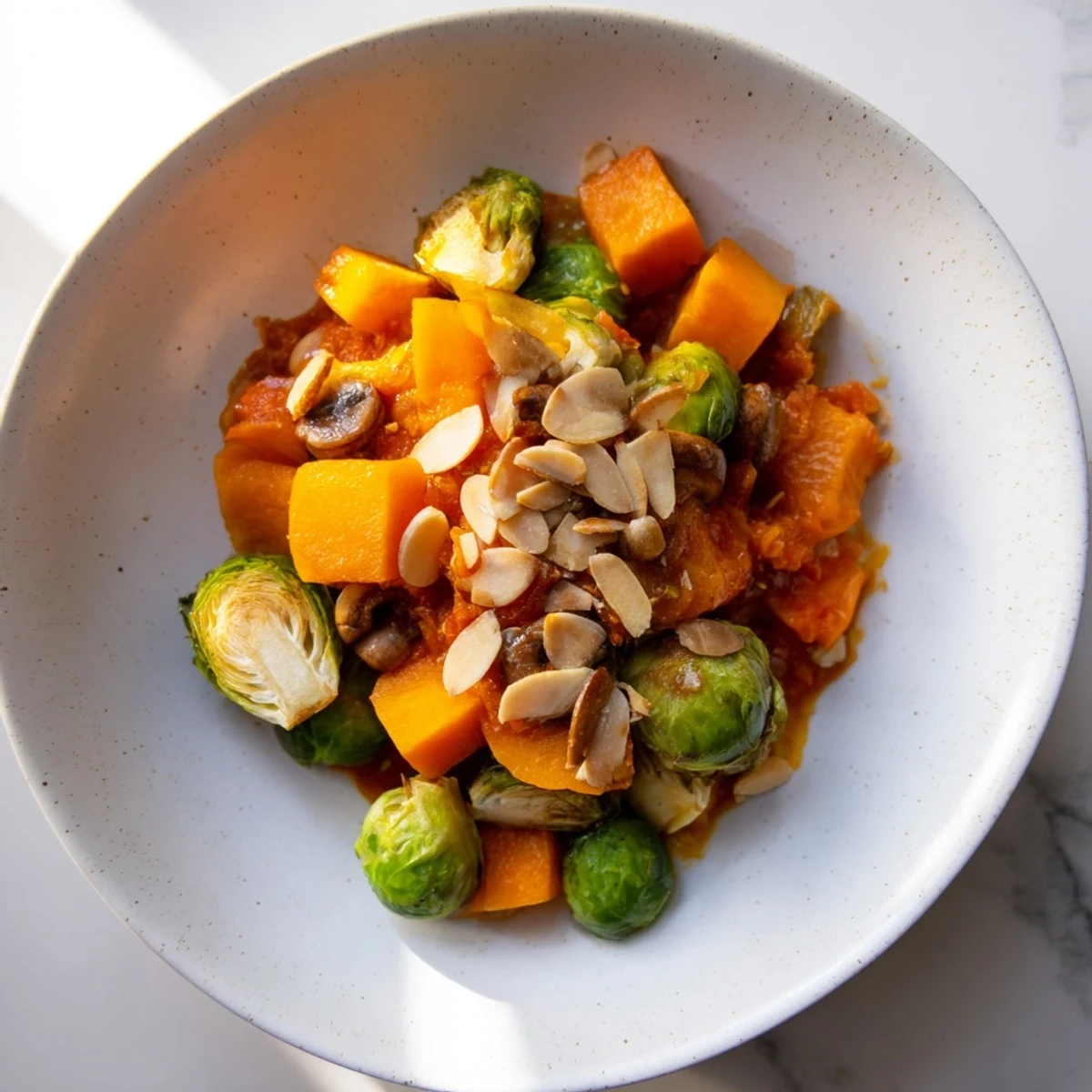
Save This Winter Harvest Vegan Casserole has become my answer to those days when everything feels too heavy and I need something that nourishes without demanding much from me. It's simple kitchen wisdom wrapped in warmth.
Recipe FAQs
- → Which vegetables work best in this casserole?
-
Root vegetables like carrots, parsnips, and sweet potatoes complement this casserole’s flavor and texture beautifully.
- → How can the casserole be made more filling?
-
Incorporating beans or lentils adds protein and makes the dish more substantial while keeping it plant-based.
- → What herbs enhance the casserole’s flavor?
-
Fresh thyme, rosemary, and sage bring earthy notes that match the winter vegetable medley.
- → Is this dish suitable for make-ahead meals?
-
Yes, it reheats well and can be prepared in advance for convenient, nourishing meals during the week.
- → Can it be adapted for gluten-free diets?
-
Using gluten-free breadcrumbs or oat topping maintains texture without gluten, keeping the dish inclusive.