
 Save
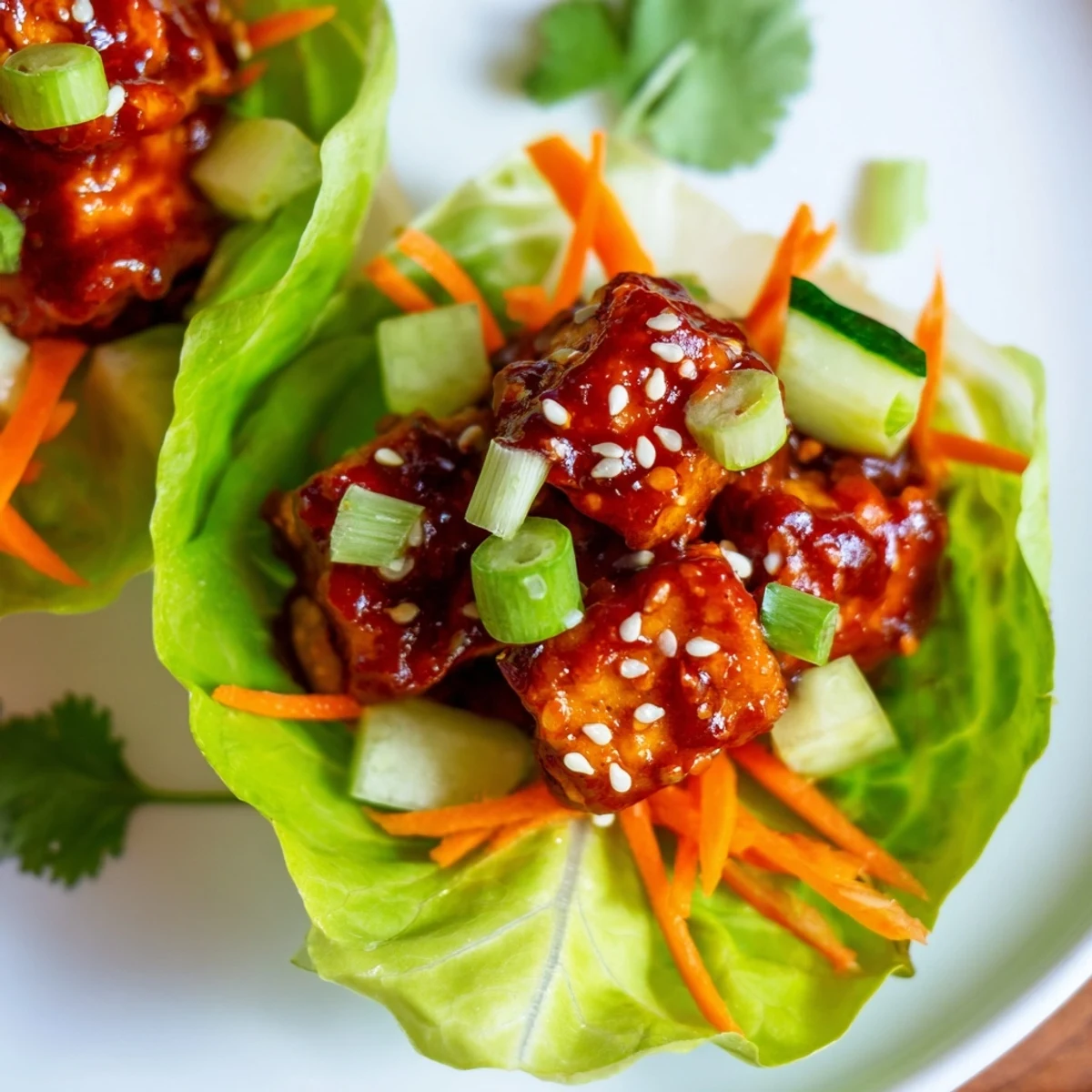
Save These refreshing lettuce cups combine crispy pan-fried tofu with tangy spicy kimchi, creating a perfect balance of textures and flavors. The golden tofu cubes are coated in a savory gochujang-based sauce that clings beautifully to each bite. Fresh julienned vegetables add crunch, while butter lettuce provides the perfect vessel for this Korean-inspired creation. Ready in just 30 minutes, these cups work equally well as an elegant appetizer or light main course.
Last summer, my Korean neighbor invited me over for an impromptu dinner and taught me how to wrap spicy fillings in lettuce cups. The way she explained it, the crisp lettuce cools down the heat while letting all these bold flavors shine. I have been making variations of this ever since, especially on hot days when turning on the oven feels like a punishment.
My friends came over for a casual weeknight dinner recently, skeptical about tofu anything. They went back for thirds, assembling their own cups at the table and laughing about who could handle the most heat. Something magical happens when people build their own food, suddenly everyone is talking and engaged.
Ingredients
- Firm tofu (400g): Press it for at least 15 minutes to remove excess water, this step is what makes the difference between mushy and golden crispy cubes
- Cornstarch (1 tablespoon): Creates that beautiful light coating that crisps up in the pan and helps the sauce cling to every piece
- Vegetable oil (1 tablespoon): A neutral oil lets the other flavors shine without overpowering them
- Gochujang (2 tablespoons): This Korean chili paste brings the heat and a deep fermented flavor that becomes the backbone of the whole dish
- Soy sauce or tamari (1 tablespoon): Adds the salty umami foundation that balances the sweetness and spice
- Rice vinegar (1 tablespoon): Cuts through the richness with just enough brightness to keep each bite interesting
- Toasted sesame oil (1 teaspoon): A little goes a long way, use the toasted variety for that incredible nutty aroma
- Maple syrup or sugar (1 teaspoon): Just enough to round out the sharp edges and create that perfect sticky glaze
- Kimchi (1 cup): The older and more fermented your kimchi, the deeper the flavor, so do not be afraid of slightly sour specimens
- Green onions (2 stalks): Fresh oniony brightness that cuts through the rich spicy sauce
- Carrot (1 small): Julienned raw adds this incredible sweet crunch that contrasts beautifully with the soft tofu
- Cucumber (1 small): Cool and refreshing, practically essential when you are working with this much spice
- Lettuce leaves (8 large): Butter lettuce works best for its cup shape and tender crunch, but romaine holds up nicely too
- Toasted sesame seeds (1 tablespoon): Sprinkled over everything at the end for little bursts of nutty flavor
- Fresh herbs: Cilantro or mint leaves are not mandatory but they add this fresh pop that makes the whole dish feel brighter
Instructions
- Prep the tofu:
- Cut your pressed tofu into half-inch cubes and toss them gently in a bowl with cornstarch until each piece is lightly dusted.
- Crisp it up:
- Heat that tablespoon of oil in your largest nonstick skillet over medium-high heat, then add the tofu and let it cook undisturbed for a few minutes before flipping.
- Whisk the sauce:
- While the tofu is working on getting golden, stir together gochujang, soy sauce, rice vinegar, sesame oil, and maple syrup in a small bowl.
- Bring it together:
- Toss in the chopped kimchi and stir-fry for just a minute, then pour that sauce over everything and cook until it thickens and coats each piece beautifully.
- Assemble time:
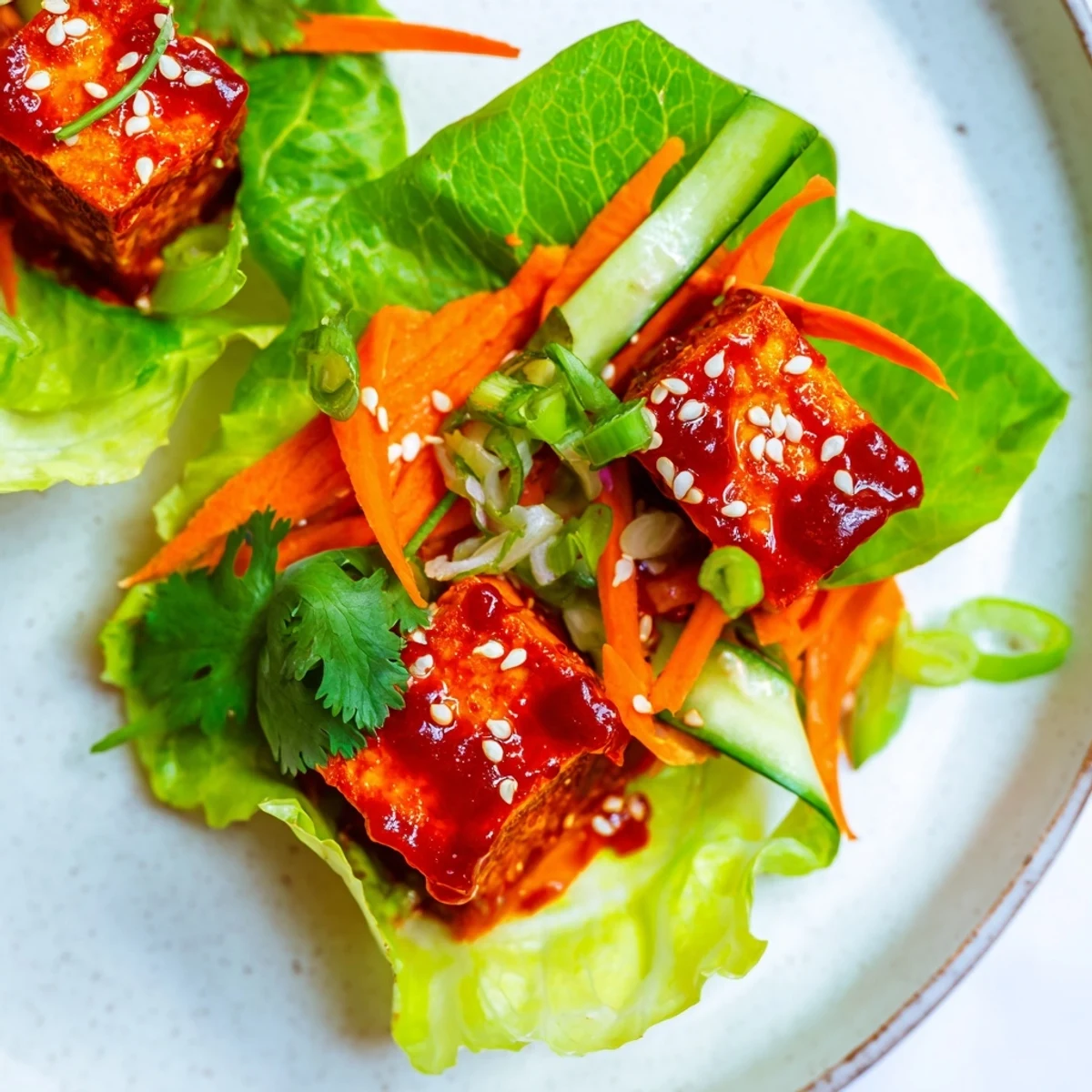
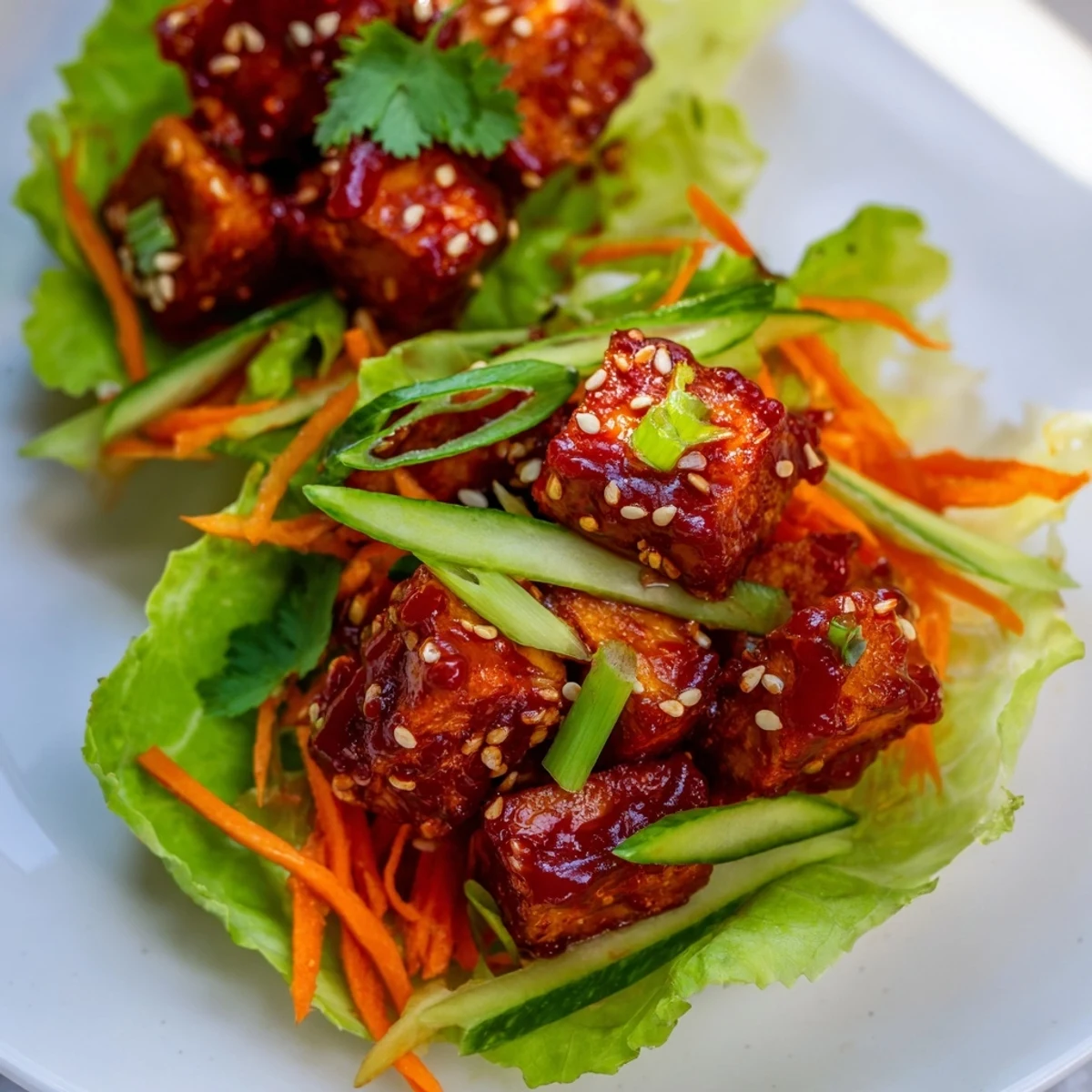
- Lay out your lettuce leaves on a big platter and spoon the hot tofu mixture into each one, then top with carrot, cucumber, green onions, and those sesame seeds.
 Save
Save My partner actually requested this for our anniversary dinner at home, which tells you everything about how special something so simple can feel. We sat at the table with our hands sticky from sauce, building bite after bite and forgetting about candles and fancy courses.
Make It Your Own
Sometimes I swap in tempeh for tofu when I want a nuttier flavor, or even cooked ground pork for friends who are not plant-based. The basic formula of spicy protein plus crisp vegetables in lettuce cups works with whatever you have on hand or whoever you are feeding.
Rounding Out The Meal
When these cups need to be more of a main dish, I serve them alongside steamed rice or maybe some quick pickled vegetables on the side. The contrast of hot filling with cool lettuce already feels complete, but adding something absorbent turns it into dinner.
Make-Ahead Magic
The sauce can be whisked together days in advance and stored in the fridge, actually developing deeper flavor as it sits. I have also pressed and cubed the tofu the night before, keeping it ready to toss with cornstarch and cook at a moment notice.
- Keep the vegetables separate until serving or they will get sad and wilted from the heat
- The leftover filling actually tastes amazing the next day, just reheat gently and serve over rice
- If you are taking these to a party, transport components separately and let guests assemble their own
 Save
Save Hope these bring as much joy to your table as they have to mine, especially on those nights when you want something vibrant but do not want to spend forever in the kitchen.
Recipe FAQs
- → Can I make these ahead of time?
-
Prepare the tofu-kimchi filling up to 2 days ahead and store refrigerated. Reheat gently before serving. Assemble lettuce cups just before eating to prevent wilting.
- → What lettuce works best?
-
Butter lettuce, romaine, or iceberg all work beautifully. Choose large, sturdy leaves that can hold the filling without tearing. Butter lettuce offers the most delicate flavor and pliable texture.
- → How can I adjust the spice level?
-
Reduce gochujang to 1 tablespoon for milder heat, or add sliced fresh chilies for extra kick. The kimchi also contributes spice, so taste both components before adjusting seasonings.
- → Can I substitute the tofu?
-
Tempeh, cooked shredded chicken, or even sautéed mushrooms work well. Adjust cooking time accordingly—tempeh needs about 8 minutes to brown, while chicken should be cooked through completely.
- → What other toppings can I add?
-
Consider pickled radishes, sliced avocado, crushed peanuts, or sriracha mayo. Shredded daikon, bean sprouts, or fresh basil leaves also complement these flavors beautifully.
- → Is this gluten-free?
-
Use tamari instead of soy sauce and verify your gochujang and kimchi are gluten-free. Many Korean condiments contain wheat, so check labels carefully if avoiding gluten.