
 Save
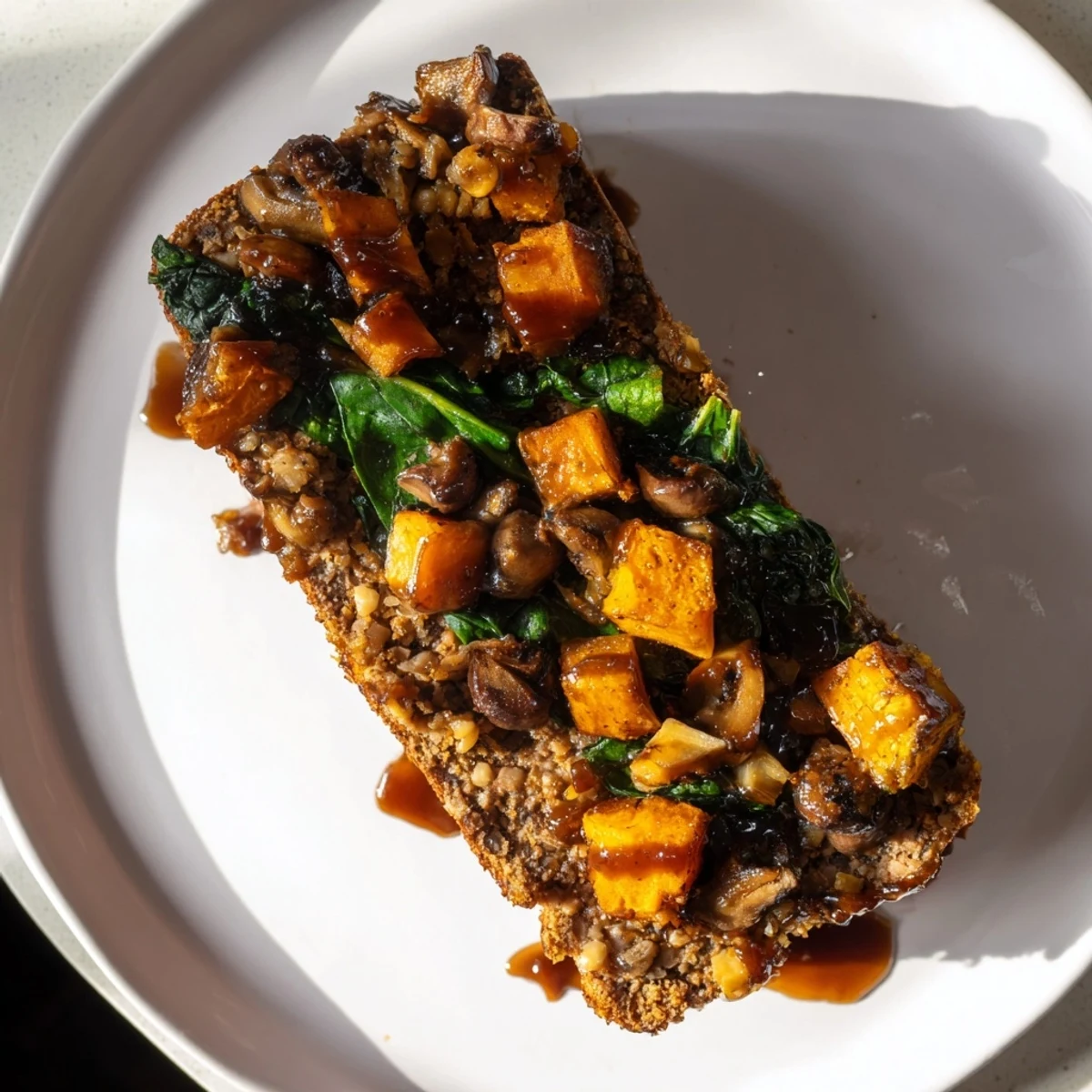
Save This hearty vegan roast combines diced carrots, parsnips, butternut squash, and sautéed cremini mushrooms with protein-rich lentils and rolled oats. Flavored with thyme, sage, smoked paprika, and a touch of maple-balsamic glaze, it offers a rich, savory centerpiece perfect for cold seasons. The loaf bakes until golden and firm, delivering a comforting dish full of texture and warmth. Ideal for festive dinners or a satisfying Sunday meal.
The first time I made a vegan roast, I was trying to prove something—that plant-based didn't mean boring, especially not at a winter table. I remember standing in my kitchen on a cold November afternoon, surrounded by earthy vegetables and the smell of caramelizing onions, thinking this could actually work. Now, years later, this Winter Garden Roast is what I reach for when I want something that looks impressive but feels like home cooking.
I made this for a dinner party where someone quietly mentioned they'd never had a vegan meal they actually enjoyed. Watching them reach for seconds, then asking for the recipe—that moment stuck with me. It wasn't about converting anyone; it was about showing that thoughtful cooking speaks louder than dietary labels.
Ingredients
- Carrots and parsnips: The sweet foundation that makes winter vegetables sing; dice them similar sizes so they cook evenly.
- Butternut squash: Adds natural sweetness and structure—don't skip the peeling, it matters for texture.
- Leek and red onion: The leek brings a gentle allium depth; red onion adds color and a hint of sharpness.
- Cremini mushrooms: Finely chopped so they almost dissolve into umami richness throughout the roast.
- Baby spinach: Wilts into the mixture, adding iron and a bright note without being obvious.
- Cooked green or brown lentils: Choose lentils that hold their shape; they're your protein anchor and what makes people feel satisfied.
- Rolled oats and whole-wheat breadcrumbs: Together they bind everything while keeping the texture tender, not dense.
- Flax egg: This is your binder; ground flaxseed plus water creates something surprisingly effective.
- Tomato paste: Used twice—once in the mix, once in the glaze—it brings savory depth and a slight tang.
- Fresh thyme and sage: Fresh thyme is brighter; dried sage is earthy. Together they smell like a proper holiday.
- Smoked paprika: A small amount goes a long way, adding a whisper of warmth and complexity.
- Maple syrup and balsamic vinegar glaze: This is what makes it shine on the plate and taste special.
Instructions
- Make your flax egg:
- Stir ground flaxseed with water and let it sit while you prep everything else. It'll thicken into something almost gel-like, which is exactly what you want.
- Sauté the foundation:
- Heat olive oil and add onion, leek, carrots, and parsnips. Let them cook for a solid 8 minutes—you want them starting to soften and caramelize at the edges, not just warmed through.
- Layer in the rest:
- Add garlic, mushrooms, and butternut squash, cooking another 5 minutes until the squash starts to break down slightly. You'll notice the vegetables releasing their moisture—that's good, it means flavor is building.
- Finish the vegetables:
- Stir in spinach, tomato paste, and all your herbs and spices. Cook just until the spinach wilts and everything smells incredible. This is when you taste and adjust—if it needs more salt, add it now before everything binds together.
- Combine everything:
- In a large bowl, mix lentils, your sautéed vegetables, oats, breadcrumbs, flax egg, and parsley. It should feel like a hearty dough, not a paste or soup. If it seems too wet, add a bit more breadcrumbs.
- Press and shape:
- Transfer to your parchment-lined loaf pan, pressing firmly so there are no air pockets. Smooth the top with a spatula—this helps it cook evenly and look polished when you slice it.
- Make the glaze:
- Whisk maple syrup, balsamic vinegar, and tomato paste until smooth. Brush it generously over the top, letting some drip down the sides.
- Bake until golden:
- Bake at 375°F for 45–55 minutes. You're looking for a firm, golden top and a slight pull-back from the pan edges. A skewer inserted in the center should come out with just a little moistness, not wet.
- Rest and serve:
- Let it cool in the pan for 10–15 minutes—this matters because it helps it hold together when you slice. Lift it out using the parchment, slice with a sharp knife, and watch it stay intact.
 Save
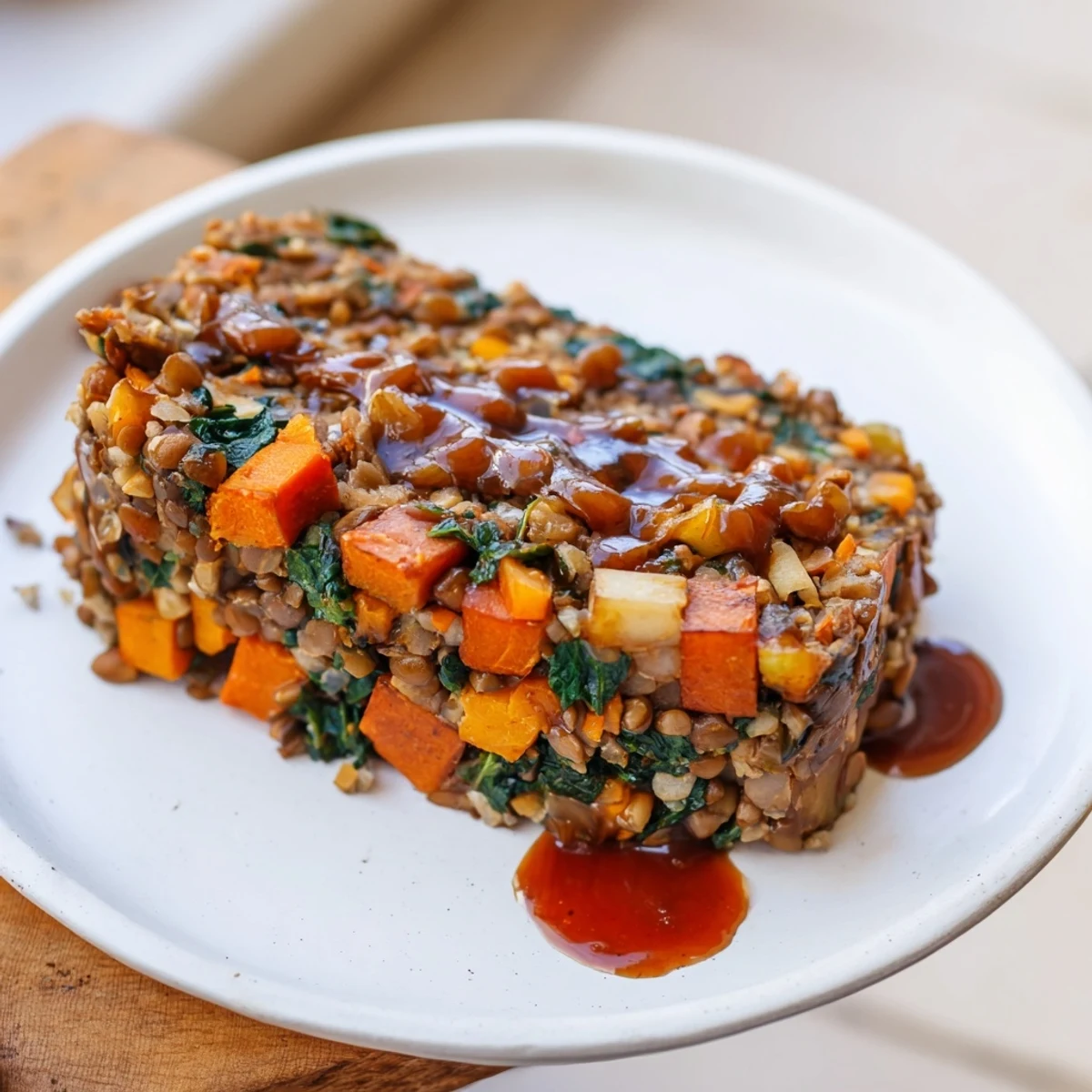
Save There's something about sliding a perfectly browned, herb-scented slice onto someone's plate and seeing their surprise that it's entirely plant-based. That's when food becomes more than nutrition—it becomes a conversation, a moment, proof that care in cooking is what people actually taste.
The Magic of Winter Vegetables
Winter vegetables aren't second choice or seasonal filler—they're actually sweeter and more complex when cold weather concentrates their sugars. Carrots, parsnips, and butternut squash all develop deeper flavor in the cold months, which is why this roast tastes so much better in November than it would in July. Shopping farmers markets in winter, when the selection is smaller and the vegetables are local, taught me to work with what's abundant rather than against the season.
Why This Works as a Centerpiece
A roast occupies the visual space a meat dish would at a table. It's whole, sliceable, and has that golden-brown appearance that signals something has been carefully prepared. This matters more than we usually admit—people eat with their eyes first, and serving something that looks intentional and substantial makes a statement about how you value the meal and the people sharing it.
Building Flavor in Plant-Based Cooking
The real secret to making plant-based food taste rich is layering flavors and textures, not trying to replicate something it isn't. Fresh herbs, tomato paste for umami, smoked paprika for warmth, and that balsamic-maple glaze all work together to create something complex and satisfying. I learned this by making too many bland vegan dishes before I realized that bold seasoning and careful technique matter more than any single ingredient.
- Taste your mixture before baking and don't be shy with seasoning—vegetables and legumes need it.
- The glaze isn't optional; it's what makes the exterior shine and adds sweetness that balances the savory mix.
- Leftovers are best pan-fried in olive oil until the outside crisps again, turning them into the best sandwiches.
 Save
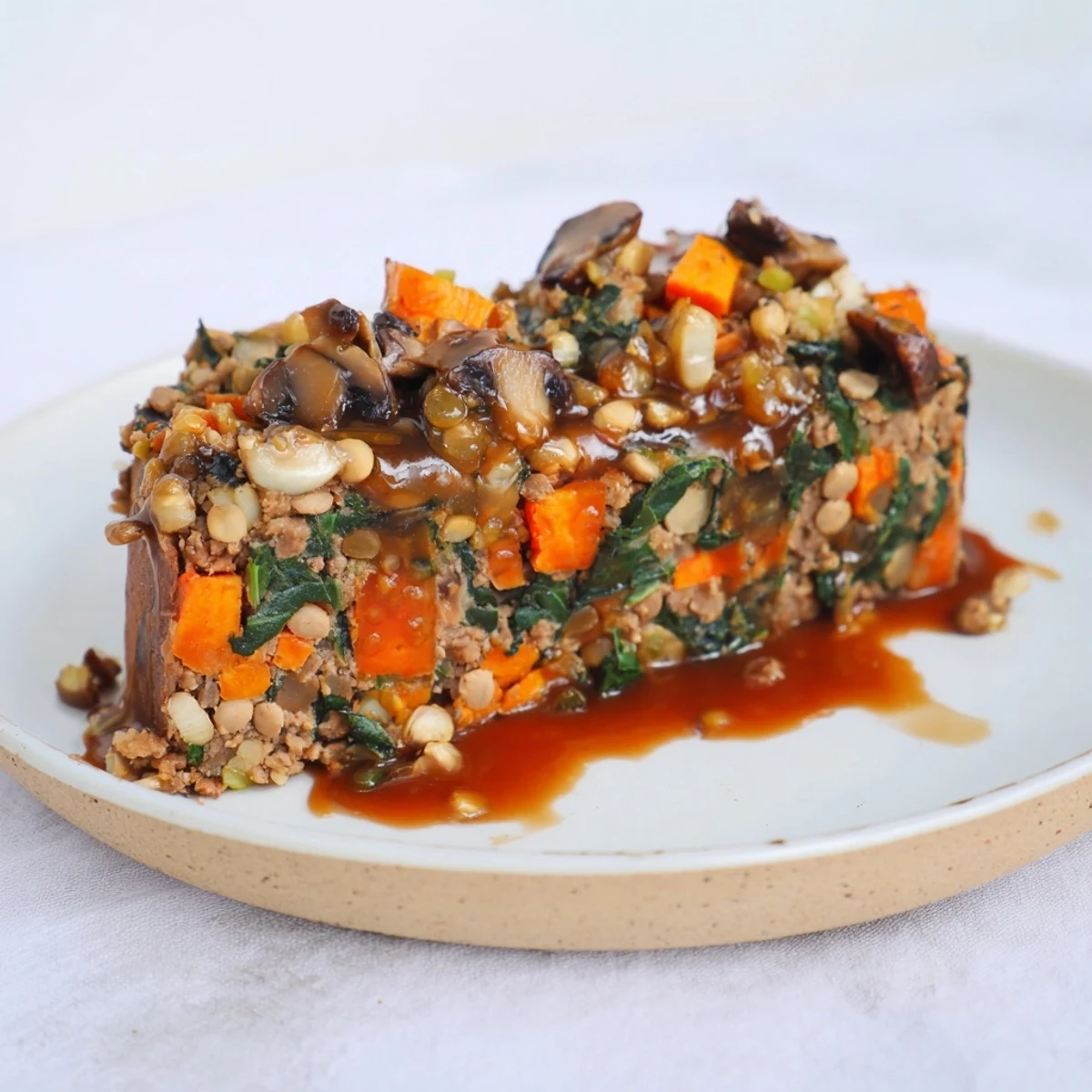
Save This roast has become my answer to the question of what plant-based cooking can be when someone's willing to pay attention. It feeds people, fills a table, and somehow always tastes like you've done something thoughtful.
Recipe FAQs
- → What vegetables are used in this winter dish?
-
The dish features carrots, parsnips, butternut squash, leek, red onion, cremini mushrooms, and baby spinach.
- → How is the protein content incorporated?
-
Protein comes from cooked green or brown lentils combined with rolled oats and whole-wheat breadcrumbs for structure.
- → What flavors are dominant in the seasoning?
-
Fresh herbs like parsley and thyme along with dried sage, smoked paprika, and a maple-balsamic glaze provide aromatic and savory notes.
- → How should the loaf be prepared before baking?
-
Vegetables are sautéed and combined with lentils, oats, breadcrumbs, and a flaxseed binder, then pressed into a parchment-lined loaf pan and topped with glaze before baking.
- → Can this dish be adapted for nut-free diets?
-
Yes, the base is nut-free as written, though optional nuts or seeds can be omitted to maintain this.
- → How can leftovers be enjoyed?
-
Leftover slices can be refrigerated for up to 4 days and pan-fried later for sandwiches or a quick meal.