
 Save
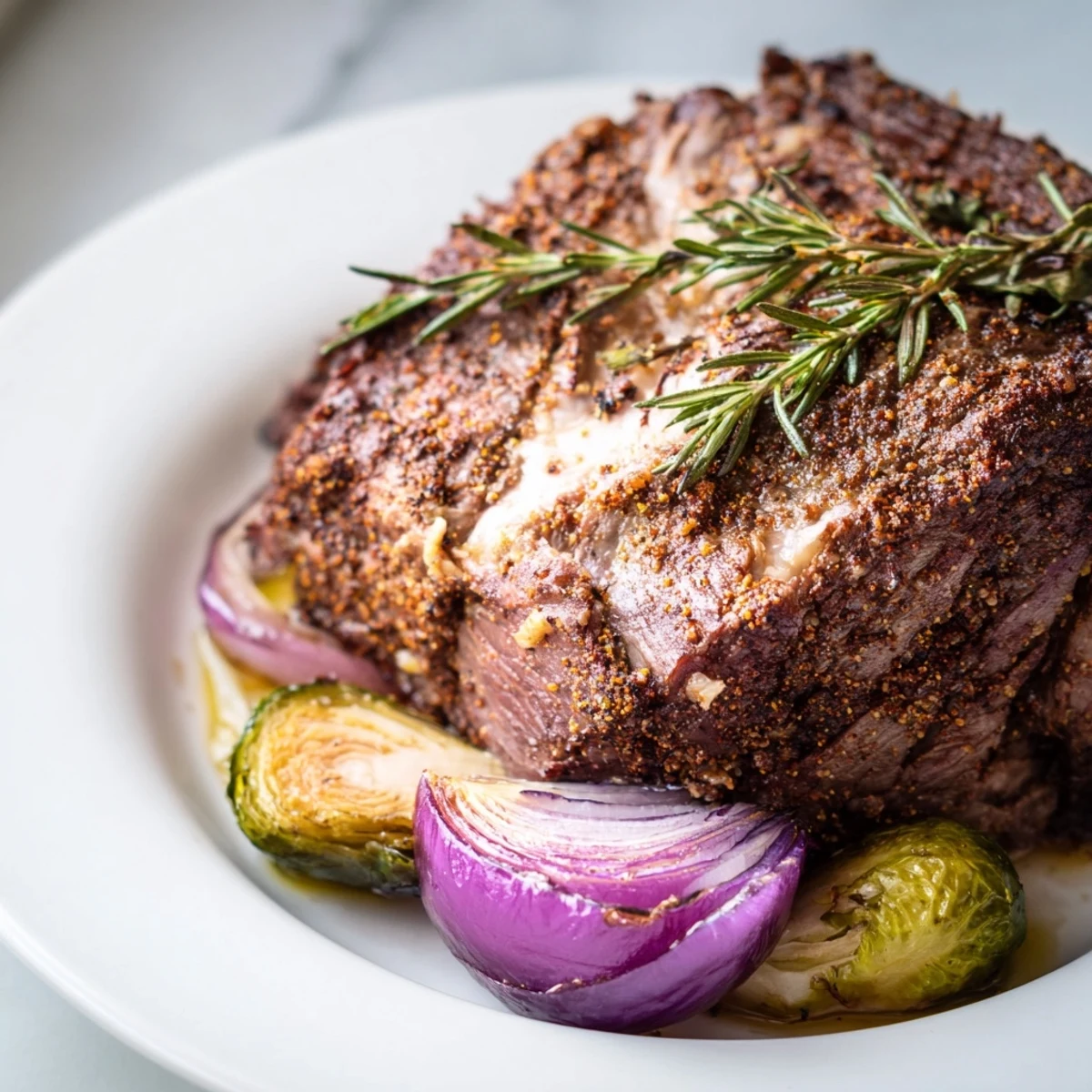
Save This comforting meal combines a succulent beef chuck with a vibrant mix of winter vegetables including carrots, parsnips, celeriac, onions, and Brussels sprouts. Seasoned with fresh rosemary, thyme, smoked paprika, and a splash of beef stock, it’s slowly roasted to develop rich, deep flavors. The final result is a perfectly tender and flavorful dish that warms the soul and satisfies hearty appetites. Ideal for cozy dinners and paired well with robust red wine.
There's something about a roasting pan that fills the kitchen with a warmth that has nothing to do with the oven temperature. Last winter, I found myself standing in front of an open refrigerator, staring at a beautiful chuck roast and a pile of root vegetables, thinking about how my grandmother used to build these one-pan meals with whatever the season offered. The smell that fills your kitchen as this braises is the kind that makes people pause mid-conversation and ask what you're cooking.
I made this for friends on a cold evening in January when everyone needed something that tasted like home. Watching them break apart the Brussels sprouts and tear into the meat, passing around plates without anyone checking their phones—that's when I knew this recipe had become something I'd make again and again.
Ingredients
- Beef chuck roast, 1.2 kg: This cut is your secret weapon—it transforms from tough to tender through slow roasting, and the marbling keeps everything moist and flavorful.
- Carrots and parsnips: The carrots stay bright and slightly firm while parsnips sweeten and almost melt into the pan juices, creating the most unexpected depth.
- Celeriac, Brussels sprouts, red onions: Root vegetables aren't just filler here—they caramelize and develop flavors that rival the meat itself.
- Garlic cloves, smashed: Smashing rather than mincing releases the flavor more gradually, so you get garlicky juices without any harsh bite.
- Beef stock and olive oil: Quality matters here because these are doing the heavy lifting of flavor and texture, so use stock you'd drink and oil you trust.
- Fresh rosemary and thyme: Fresh herbs wilt into the vegetables and mellow as they cook, but dried works if that's what you have—just use less.
- Smoked paprika: This isn't just color; it adds a subtle smokiness that makes people ask what spice they're tasting.
Instructions
- Preheat and prepare:
- Get your oven to 180°C (350°F) and pat the roast completely dry—this is the one step that makes the difference between a seared crust and a steamed surface. Your hands will tell you when it's ready.
- Season the meat:
- Rub it generously with olive oil, salt, pepper, rosemary, thyme, and paprika, making sure every surface gets seasoned. Use your hands so you feel the coat of herbs and oil.
- Sear until golden:
- Get your pan screaming hot, then place the roast down and let it sit—don't move it for three to four minutes per side. You want a deep brown crust that feels almost crusty under your fingers.
- Build the base:
- Move the meat aside and add all your vegetables to the hot pan, tossing them in the rendered fat and caramelized bits stuck to the bottom. This only takes a minute or two but transforms the flavor of everything that follows.
- Arrange and add liquid:
- Nestle the roast on top of the vegetables and pour stock around it—never directly over the meat, or you'll wash away that precious crust. The liquid should come halfway up the vegetables.
- First roast, covered:
- Cover tightly with a lid or foil and let the oven do its work for a full hour. The sealed environment creates steam that slowly braises everything to tenderness.
- Uncover and finish:
- Remove the lid, baste everything with the pan juices, and roast uncovered for another 30 minutes until the vegetables have caramelized edges and the meat is done to your liking. The uncovered finish is what gives everything that golden, roasted edge.
- Rest and serve:
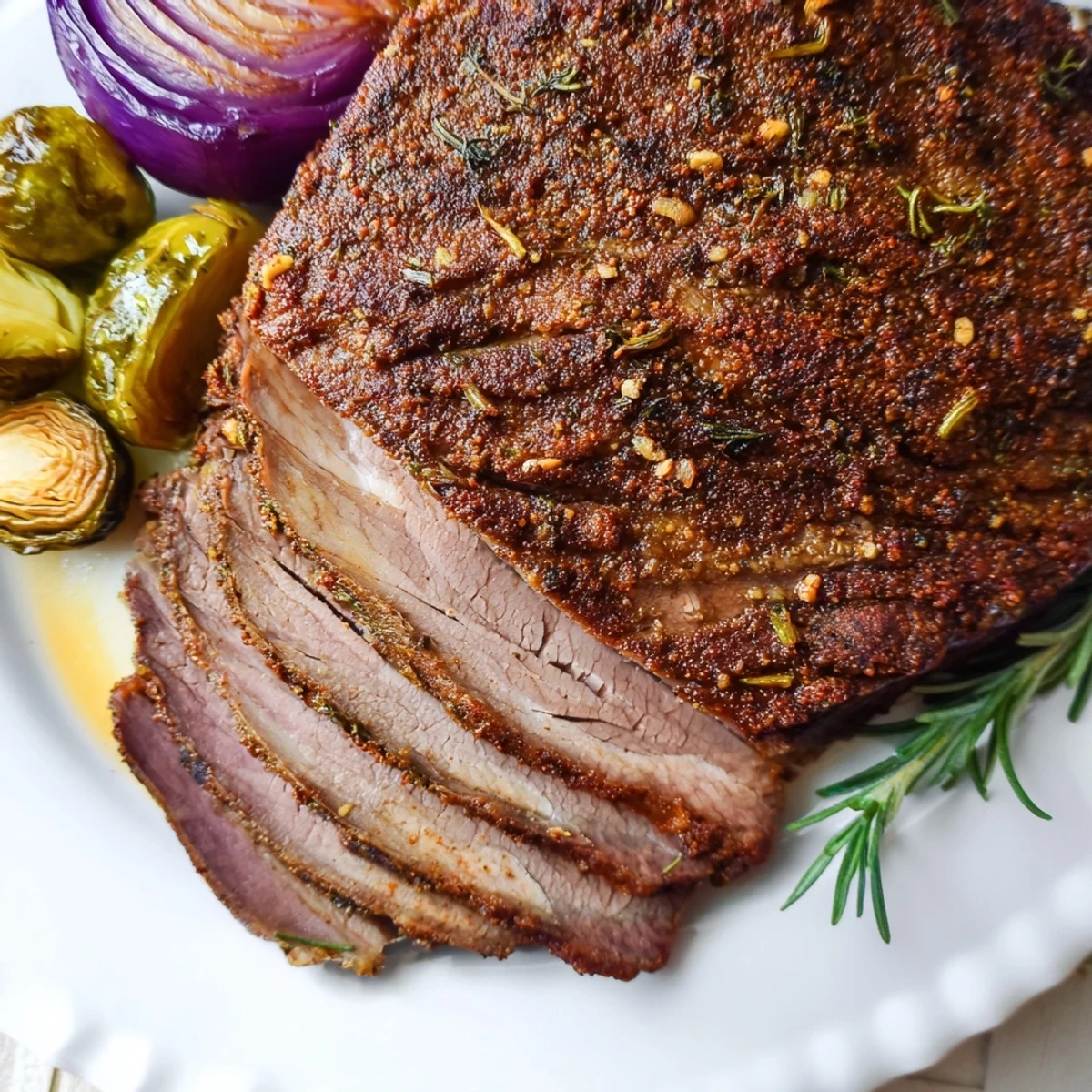
- Let the roast rest for 10 minutes covered loosely with foil—this keeps the meat tender and gives you time to get everything plated. Slice and arrange with the vegetables, spooning over pan juices.
 Save
Save The moment that sticks with me is when my sister asked for the recipe mid-bite, fork still in her hand. It's rare that food becomes a conversation instead of just something to eat, and this one managed that.
Choosing Your Vegetables
The beauty of this roast is that it adapts to what you find at the market or what you have in your crisper drawer. Celeriac brings an earthy, almost nutty flavor that I love, but turnips or sweet potatoes work beautifully if that's what's available. Brussels sprouts are nonnegotiable in my kitchen during winter, but parsnips are the real wildcard—they dissolve slightly into the pan juices and create a natural, unforced richness that tastes like you spent hours on this dish.
Timing and Temperature
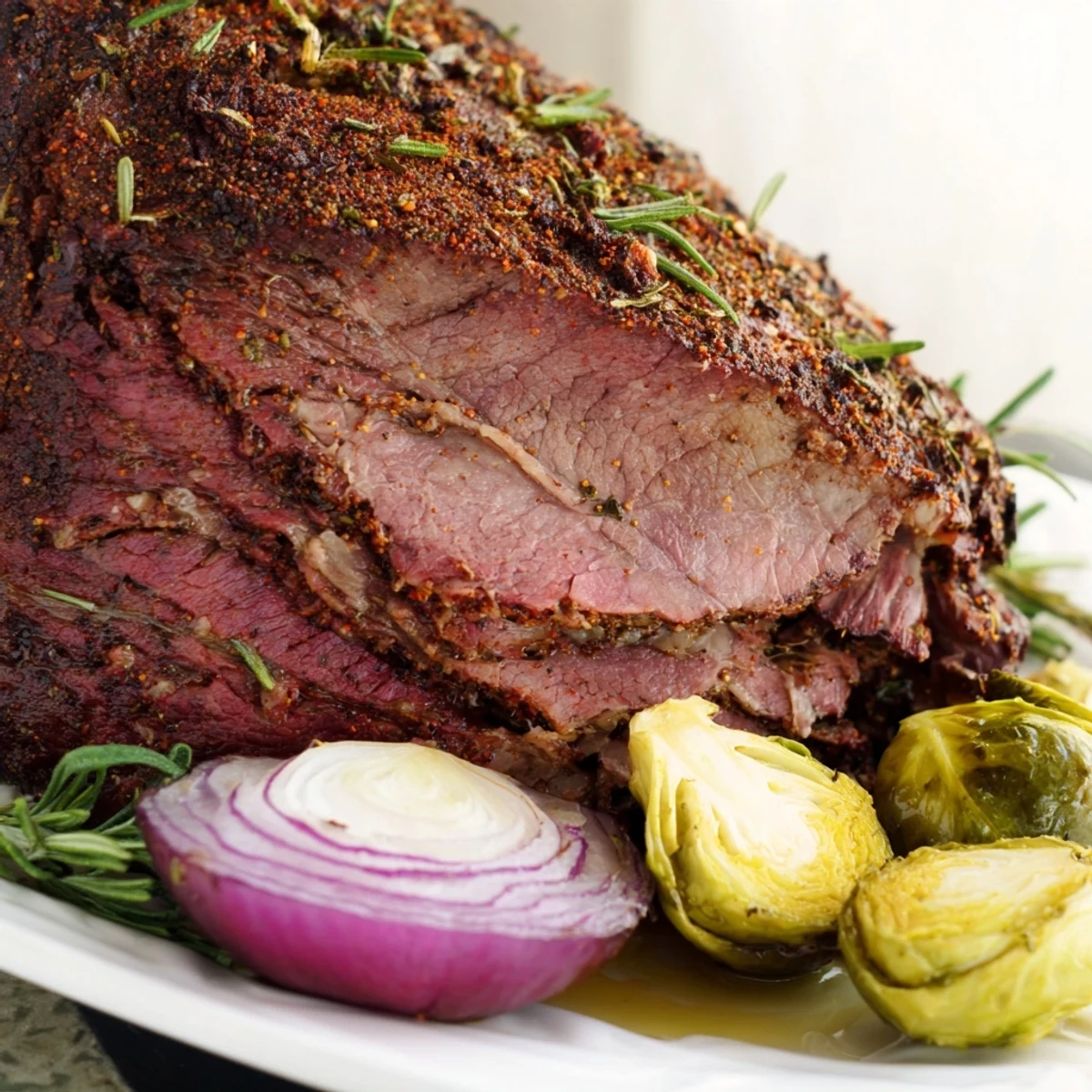
Cooking this to perfection is less about following a clock and more about trusting your senses. The beef is done when a fork slides through without resistance, and the vegetables should be soft enough to cut with the edge of a spoon but still holding their shape. Every oven runs differently—mine runs hot, so I check at 85 minutes rather than the full hour and a half. The resting period at the end isn't just a suggestion; it redistributes the juices throughout the meat and gives you a moment to breathe before plating.
Flavor Layering and Pairing
This dish sings when you think about it as layers rather than components—the seared crust brings savory depth, the herbs add brightness, the vegetables add sweetness, and the stock ties everything into a cohesive whole. I've experimented with adding a splash of balsamic vinegar in the last few minutes, which lifts everything without making it taste vinegary. A green salad alongside cuts through the richness without feeling necessary, and a robust red wine like Syrah becomes part of the meal rather than just something in a glass.
- Save the pan juices and drizzle them over everything on the plate, this is where half the flavor lives.
- If you want extra depth, brown the vegetables alone for a minute or two before adding the roast on top.
- Leftovers reheat beautifully and taste even better the next day once the flavors have settled.
 Save
Save This is the kind of meal that brings people back to your table, the one they remember not because it was complicated but because it tasted like someone cared. Make it and let the kitchen do the talking.
Recipe FAQs
- → What cut of beef is best for this dish?
-
Beef chuck roast is preferred for its rich marbling, which becomes tender and flavorful after slow roasting.
- → Can I substitute vegetables in the mix?
-
Yes, you can swap celeriac with sweet potatoes or turnips to suit your taste or availability.
- → How should I season the beef for best flavor?
-
Rub the beef with olive oil, sea salt, black pepper, fresh or dried rosemary, thyme, and smoked paprika before searing.
- → Is it necessary to sear the beef before roasting?
-
Searing seals in the juices and adds a rich, caramelized crust that enhances the overall flavor of the dish.
- → What cooking vessel works best for this roast?
-
A large ovenproof Dutch oven or roasting pan helps retain heat evenly and allows easy basting with juices.
- → How do I know when the roast and vegetables are done?
-
The beef should be tender when pierced with a fork, and the vegetables soft yet holding shape after about 1.5 hours of roasting.