
 Save
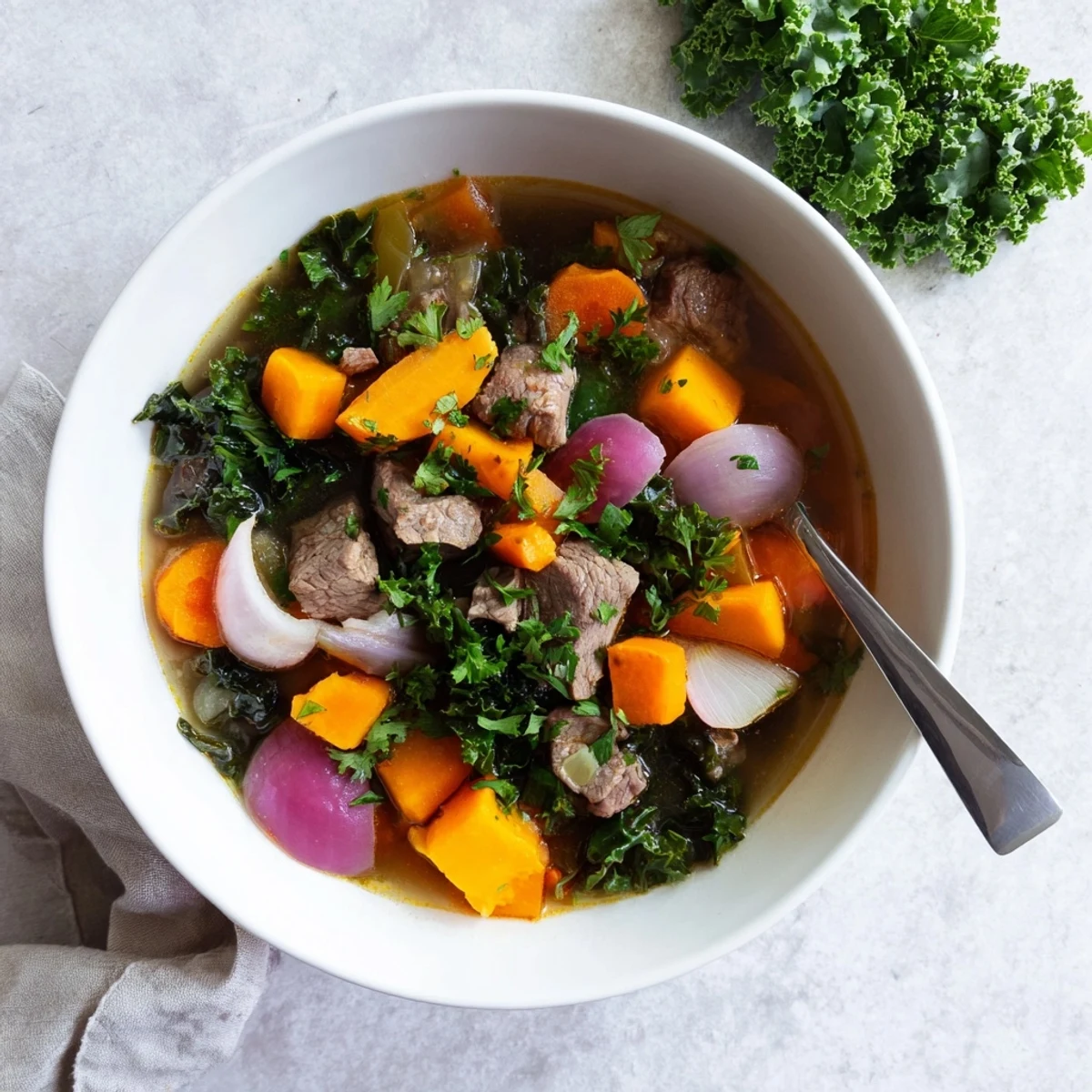
Save This nourishing stew combines tender chunks of beef with a variety of vibrant seasonal vegetables like carrots, sweet potato, parsnip, and kale, all simmered gently in a flavorful paleo-friendly broth. The dish is infused with herbs and smoked paprika, creating deep, comforting layers of flavor perfect for cozy evenings. The balanced blend of root vegetables and meat offers satisfying nutrition and warmth, ideal for meal prep or wholesome family dinners. Simple steps ensure an easy cooking process while maintaining a rich, hearty result.
There's something about the first crisp evening when you realize summer's done that makes me crave a pot of something warm and substantial. I was standing in my kitchen on one of those in-between days, staring at a farmers market haul of roots and squashes, when it hit me that this was exactly the moment for a stew that actually feels nourishing instead of heavy. This dish came together almost by accident, but it's become the one I reach for whenever I need something that tastes like comfort without apology.
I made this for friends on a Saturday evening when nobody wanted to think too hard about dinner, and watching them go back for thirds while barely pausing conversation told me I'd landed on something special. The kale that goes in at the end brightens everything up, and somehow that one addition transforms it from just another stew into something that feels intentional and alive.
Ingredients
- Beef chuck, 500g cubed: The marbling in chuck means it breaks down into something almost buttery as it simmers, which is exactly what you want. Don't skip the searing step even though it feels like extra work.
- Carrots and celery, 2 each: These are your aromatics doing double duty, building flavor while also becoming tender enough to actually taste good.
- Sweet potato and parsnip: Sweet potato brings a subtle sweetness that balances the savory broth, while parsnip adds an earthy depth that regular potatoes don't quite capture.
- Butternut squash, 1 cup cubed: This is what makes the broth taste like autumn, turning silky as it cooks and adding natural body without any flour or thickener.
- Red onion and garlic, 1 small and 3 cloves: The red onion mellows beautifully as it sits in the broth, and the garlic becomes almost creamy by the end.
- Kale, 2 cups chopped: Add this late so it stays a little bit alive instead of turning into mush, and it keeps the whole bowl feeling fresh.
- Beef or chicken broth, 900ml: Use the best broth you can find or make your own if you have time, because this is where half your flavor comes from.
- Olive or avocado oil, 2 tbsp: Use whichever you have, but make sure it's enough to get a good sear on the meat.
- Smoked paprika, sea salt, black pepper, thyme, and bay leaf: These spices work together to build a broth that tastes like it's been simmering for hours when it's really only been an hour.
- Fresh parsley for garnish: A small handful at the end wakes everything up and makes it look like you actually tried.
Instructions
- Get your pot hot and sear the beef:
- Heat the oil in a big heavy pot until it's almost smoking, then add the beef in batches so you're not crowding the pan. Let each piece sit for a minute or so until it gets a dark brown crust, which is where all the flavor lives. It's about five minutes total, and your kitchen will smell amazing.
- Build your flavor base with onion and garlic:
- Once the beef is out, pour off most of the oil, leaving just a thin film, then add the onion and garlic to the same pot. You'll hear them sizzle and smell something that makes you want to keep cooking.
- Sauté your root vegetables:
- Add all the harder vegetables now—carrots, celery, sweet potato, parsnip, and squash—and let them sit in the pot for five minutes without stirring too much so they get a little color on the edges. This is when I sometimes steal a taste of raw squash because I'm impatient.
- Season and build the broth:
- Put the beef back in, sprinkle over the smoked paprika, thyme, salt, and pepper, and stir everything together so the spices coat everything evenly. Pour in the broth, add the bay leaf, and bring the whole thing to a boil before turning it way down to a gentle simmer.
- Let time do the work:
- Cover the pot and let it sit for 45 minutes, during which you can pour a drink, read something, or just listen to it bubble quietly on the stove.
- Finish with kale and taste:
- Uncover, add the kale, give it a good stir, and let it cook for another ten minutes just until the leaves soften. Take out the bay leaf, taste, and add more salt or pepper if it needs it.
- Serve it warm:
- Ladle it into bowls, scatter parsley on top, and serve it while it's still steaming.
 Save
Save This stew became the thing I made when someone I cared about was going through something rough, because a bowl of this feels like someone is paying attention to you in a way that takeout never quite does. There's something about eating something you know took actual time and thought that changes how you feel.
Making It Your Own
The beauty of this stew is that it's forgiving about substitutions because the core technique stays the same no matter what vegetables you use. In spring I've swapped in turnips and more tender greens, and in winter I've doubled down on root vegetables and added extra thyme because the season feels like it calls for more of everything. Whatever you've got at the farmers market or growing in your garden will work as long as you keep the cooking times roughly the same.
Flavor Tricks and Variations
A splash of apple cider vinegar right before serving is one of those kitchen secrets that seems small until you taste it, suddenly waking up all the flavors and making the broth taste more complex than it actually is. I've also experimented with adding a pinch of cinnamon, which sounds strange until you taste how it rounds out the squash and paprika, or a handful of chopped dried apricots which add a sweet-tart note that's quietly sophisticated. The point is you can taste as you go and add whatever speaks to you.
Cooking Notes and Timing
This recipe works beautifully if you have forty-five minutes to an hour on a weeknight, but it also scales up easily if you're cooking for a crowd—just double or triple the ingredients and give yourself an extra fifteen minutes of cooking time since the pot will be fuller and need more time to actually simmer. Leftovers keep for about four days in the fridge and actually taste better as the flavors settle and deepen, or you can freeze it for up to three months if you want to save yourself a cooking day later. It also pairs surprisingly well with a glass of dry red wine if you're in the mood, or herbal tea if you're not.
- Make extra on purpose so you have something ready that just needs reheating.
- If it gets too thick when you reheat it, add a splash of broth or water to loosen it back up.
- Serve it in wide bowls so people can actually see all the vegetables and colors.
 Save
Save This stew has become one of those dishes I make without thinking, reaching for it on days when I need something grounding and real. There's something deeply satisfying about a pot of vegetables and meat that knows exactly what it is.
Recipe FAQs
- → What meats work best in this stew?
-
Boneless beef chuck is ideal for tenderness and flavor, but chicken thighs can be used as a flavorful alternative.
- → Can I substitute the vegetables in this stew?
-
Yes, seasonal root vegetables like turnip or rutabaga can replace the listed ones for variety and freshness.
- → What spices enhance the stew’s flavor?
-
Smoked paprika, dried thyme, sea salt, and black pepper add warm and aromatic notes to the broth.
- → How long should the stew simmer for best results?
-
Simmering for about 45 minutes allows the meat to tenderize while melding flavors; adding kale last ensures it stays vibrant.
- → Are there tips to elevate the flavor before serving?
-
A splash of apple cider vinegar brightens the stew, and garnishing with fresh parsley adds a fresh herbal finish.