
 Save
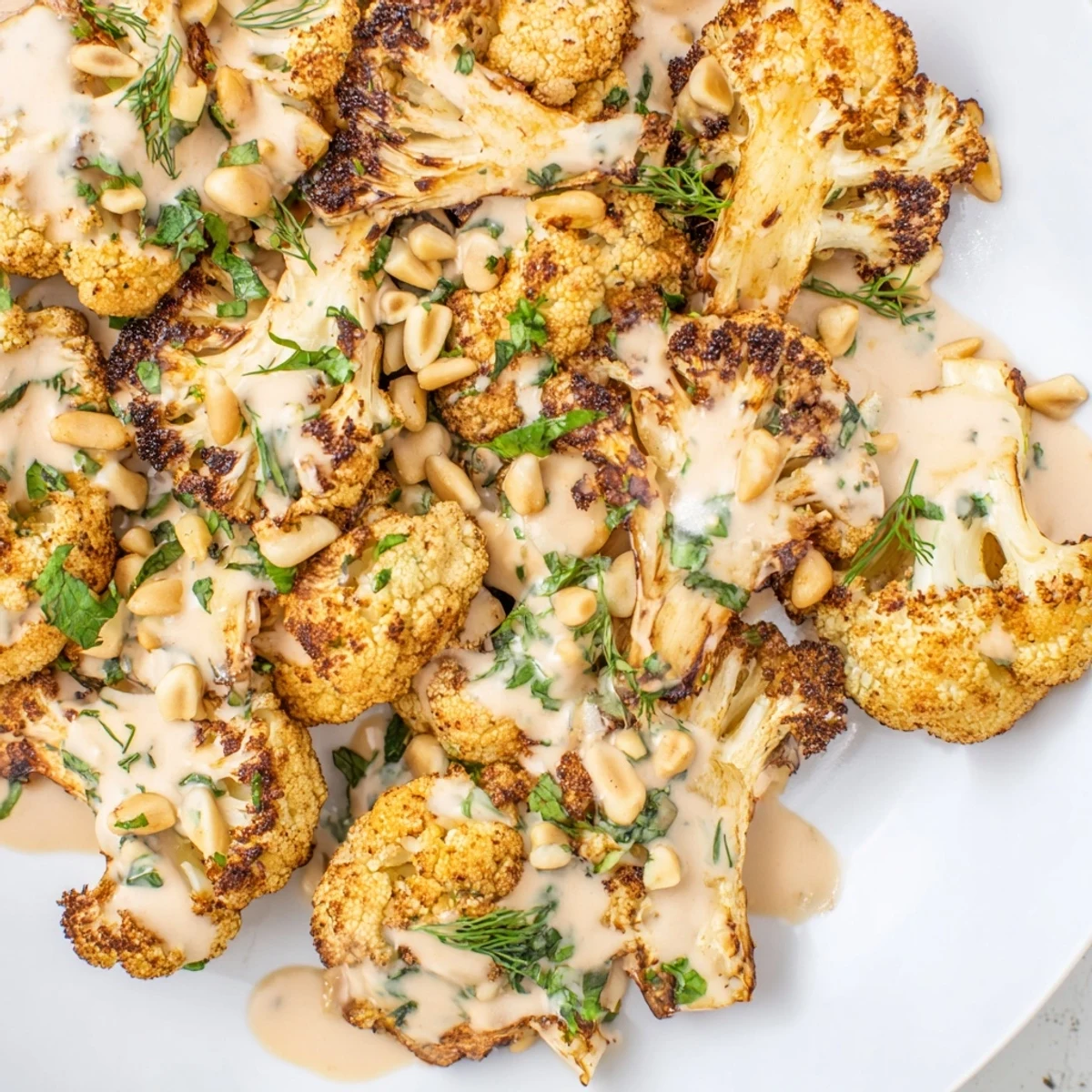
Save This roasted cauliflower dish brings out deep, nutty sweetness through high-heat caramelization, paired with a bright, creamy lemon herb tahini drizzle that ties everything together.
Seasoned with smoky paprika and cumin, the florets develop golden, crisp edges while staying tender inside. The tahini sauce, brightened with fresh lemon juice, parsley, and dill, creates a luscious contrast.
Ready in about 45 minutes and requiring minimal hands-on effort, it works beautifully as a side for grilled mains or as a light plant-forward meal over quinoa.
The smell of cumin hitting a hot oven is the kind of thing that makes everyone wander into the kitchen asking what is for dinner. I started roasting cauliflower this way on a rainy Tuesday when the fridge offered nothing else, and it has been on repeat ever since. The tahini drizzle came later, born from a half used jar and a lemon that was about to give up. Somehow that desperate little sauce turned a basic vegetable into the dish people actually request at gatherings.
I brought this to a potluck once, fully expecting it to sit quietly next to the pasta salads and deviled eggs. It disappeared first, and three strangers cornered me by the dessert table demanding the recipe. My friend Marta now texts me every time she makes it, usually with a photo and a caption that says she doubled the sauce again.
Ingredients
- 1 large head cauliflower, cut into florets: The main event, and you want it raw, not pre riced or frozen, so it actually caramelizes.
- 2 tablespoons olive oil: Just enough to coat without making things greasy, and a good quality one makes a real difference here.
- 1 teaspoon ground cumin: Adds an earthy warmth that pairs beautifully with the lemon in the drizzle.
- 1 teaspoon smoked paprika: This is what gives those edges a hint of campfire magic.
- 1/2 teaspoon garlic powder: Even distribution of garlic flavor without the risk of burning fresh cloves on the pan.
- 1/2 teaspoon sea salt: Draws out moisture so you get proper browning instead of steaming.
- Freshly ground black pepper: Add to your taste, but be generous because the flavor mellows in the oven.
- 1/3 cup tahini: The backbone of the drizzle, and a well stirred jar is essential since separation causes clumping.
- 3 tablespoons fresh lemon juice: About one good lemon, and fresh squeezed matters because the bottled stuff tastes flat here.
- 2 tablespoons water, plus more as needed: Tahini seizes up when it meets acid, so water coaxed in gradually brings it back to silkiness.
- 1 tablespoon extra virgin olive oil: Rounds out the sauce with a fruity richness.
- 1 clove garlic, minced: Raw garlic punches up the drizzle, so use a microplane if you want it mellow.
- 2 tablespoons chopped fresh parsley: Brings a grassy freshness that balances the deep, roasted flavors.
- 1 tablespoon chopped fresh dill: Optional, but it adds a layer that makes people ask what is in this sauce.
- 1/4 teaspoon salt and 1/4 teaspoon ground cumin: These tie the drizzle back to the spiced cauliflower so nothing feels disconnected.
- Toasted pine nuts or sunflower seeds: The crunch on top is not negotiable, and toasting them takes about three minutes in a dry pan.
- Additional herbs and lemon zest for garnish: A finishing touch that signals you actually care about presentation.
Instructions
- Get the oven screaming hot:
- Preheat to 425°F and line a large baking sheet with parchment paper. A hot oven is the difference between roasted and sad, so let it fully preheat.
- Coat the florets with spice:
- Toss the cauliflower in a large bowl with olive oil, cumin, smoked paprika, garlic powder, salt, and pepper until every piece is evenly dressed. Use your hands if you have to because a spoon leaves bare spots.
- Spread and roast:
- Arrange everything in a single layer on the baking sheet with space between pieces, because crowding causes steaming. Roast for 25 to 30 minutes, flipping halfway, until the edges are deeply golden and slightly charred in places.
- Whisk the drizzle together:
- In a medium bowl, combine tahini, lemon juice, water, olive oil, garlic, parsley, dill, salt, and cumin, whisking until smooth. If it seizes or looks too thick, add water one tablespoon at a time until it falls off a spoon in a creamy ribbon.
- Plate and pour:
- Transfer the roasted cauliflower to a serving platter and drizzle generously with the sauce. Do not be shy with it because the sauce is arguably the best part.
- Finish with crunch and color:
- Scatter toasted pine nuts, fresh herbs, and lemon zest over the top. Serve warm or at room temperature, and know it holds up beautifully even an hour later.
 Save
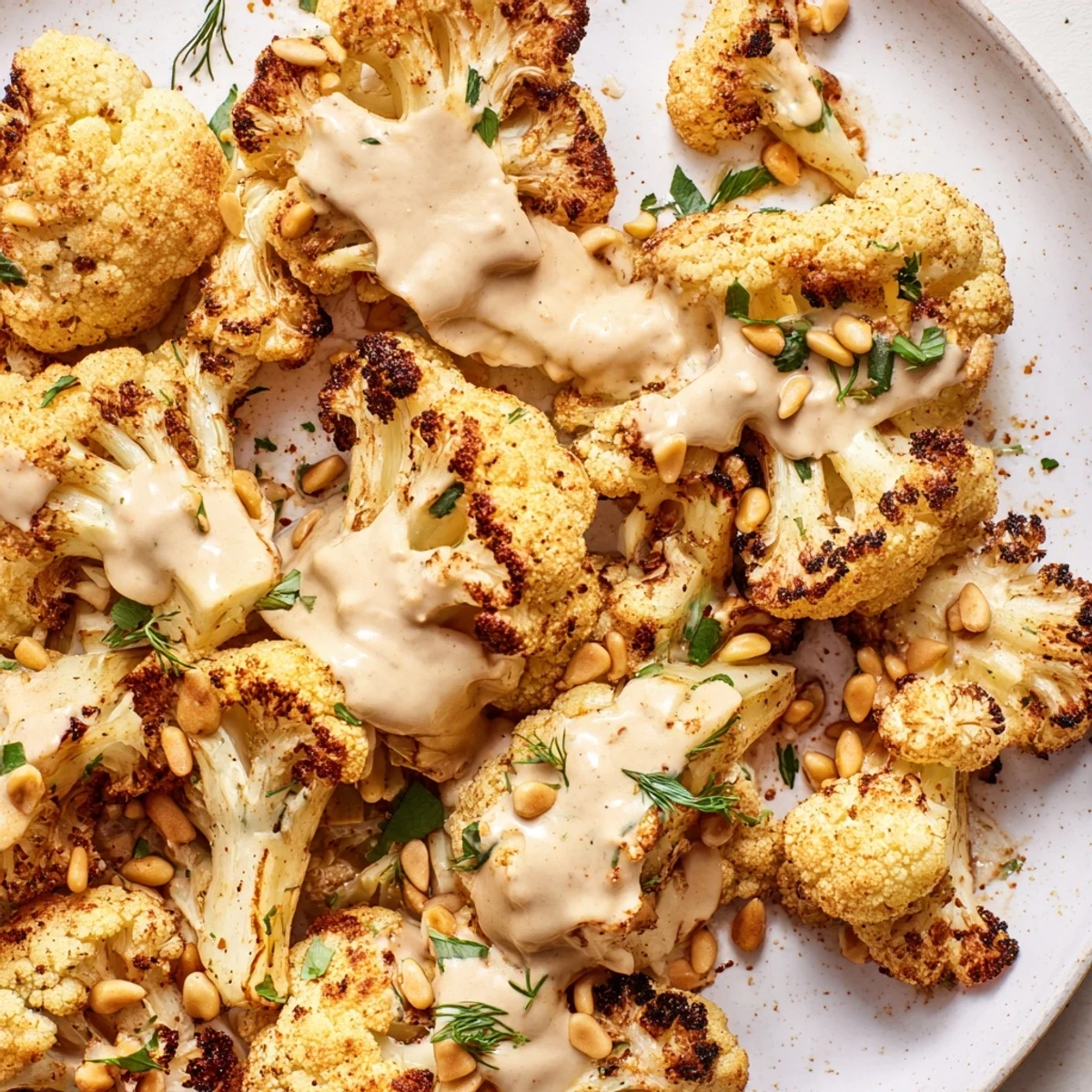
Save The first time I served this, my partner stood over the platter eating florets with his fingers before it even made it to the table. That sauce ended up on everything else we ate that week, spread on toast, drizzled over grain bowls, eaten off a spoon at midnight. It stopped being a side dish and became a fridge staple with a roasted vegetable problem.
Serving Ideas That Actually Work
This dish is versatile enough to play any role on your table, and I have tried most of them. As a side, it sits happily next to grilled chicken or lamb, but it also works piled over quinoa with extra sauce as a complete meal. I once served it cold the next day tossed with chickpeas and arugula, and that accidental lunch was better than the original dinner.
Storing and Reheating
Leftover cauliflower keeps well in an airtight container in the fridge for up to four days, though it softens over time and loses some of that crisp edge. The tahini drizzle firms up in the cold, so bring it to room temperature and stir with a splash of water to revive it. I actually prefer making extra sauce specifically to have on hand throughout the week.
Little Things That Make a Difference
Most of the magic in this recipe comes from small choices rather than complicated technique. Trust the oven temperature, taste as you go, and do not skip the garnishes because they are doing real work up there.
- A pinch of chili flakes on the cauliflower before roasting adds a slow warmth that changes the whole dish without making it spicy.
- Pomegranate seeds scattered on top bring a sweet tart pop that makes this feel celebratory for zero extra effort.
- Always taste the sauce before serving and adjust salt or lemon because tahini brands vary wildly in intensity.
 Save
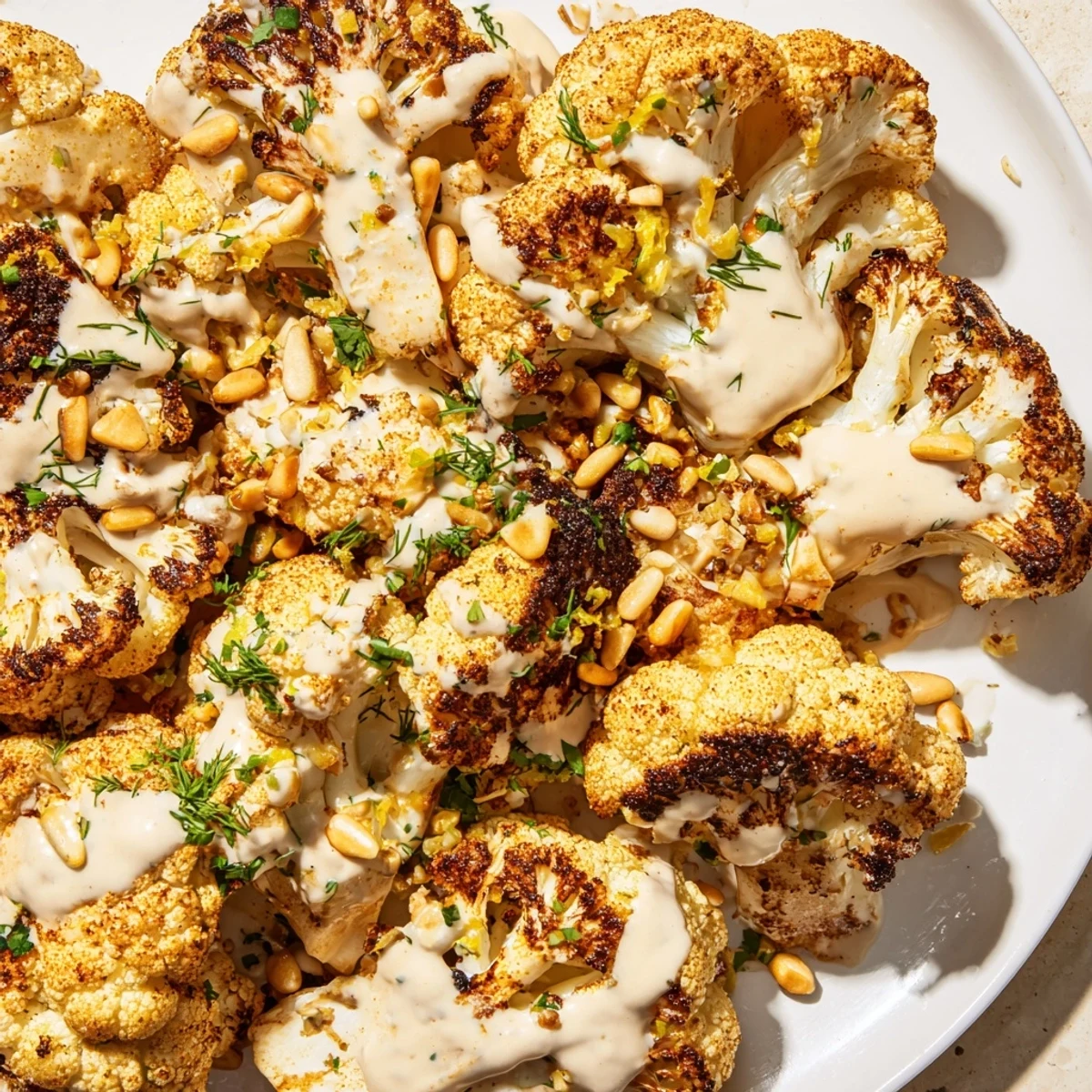
Save Some recipes earn a permanent spot in your rotation because they ask almost nothing and give everything back. This is one of those, and the tahini drizzle alone is worth keeping a lemon in the fridge at all times.
Recipe FAQs
- → Can I make the tahini drizzle ahead of time?
-
Yes, the lemon herb tahini drizzle can be prepared up to 3 days in advance and stored in an airtight container in the refrigerator. It will thicken as it chills, so simply whisk in a splash of water before serving to restore a pourable consistency.
- → What temperature is best for roasting cauliflower?
-
425°F (220°C) is ideal for achieving golden, caramelized edges while keeping the interior tender. This high heat encourages the Maillard reaction, which develops those deep, nutty flavors. Avoid roasting at lower temperatures, as the florets will steam rather than roast.
- → Can I use frozen cauliflower instead of fresh?
-
Fresh cauliflower is strongly recommended for the best texture and caramelization. Frozen florets release excess moisture during cooking, which prevents proper browning and results in a softer, less flavorful outcome.
- → How do I store and reheat leftovers?
-
Store leftover roasted cauliflower and tahini drizzle separately in airtight containers in the refrigerator for up to 4 days. Reheat the cauliflower in a 375°F oven or air fryer for 8–10 minutes to restore crispness. The sauce can be served cold or at room temperature.
- → What can I substitute for tahini?
-
Sunflower seed butter or a smooth cashew cream work as nut-free alternatives, though the flavor profile will shift. Greek yogurt or a blended silken tofu can also provide creaminess with a different character. Adjust lemon juice and salt to taste with any substitution.
- → How do I cut cauliflower into even florets for roasting?
-
Start by removing the leaves and cutting around the core with a chef's knife. Break the head into large sections by hand, then trim each section into uniform bite-sized florets. Keeping pieces similar in size ensures even roasting and consistent texture throughout.