
 Save
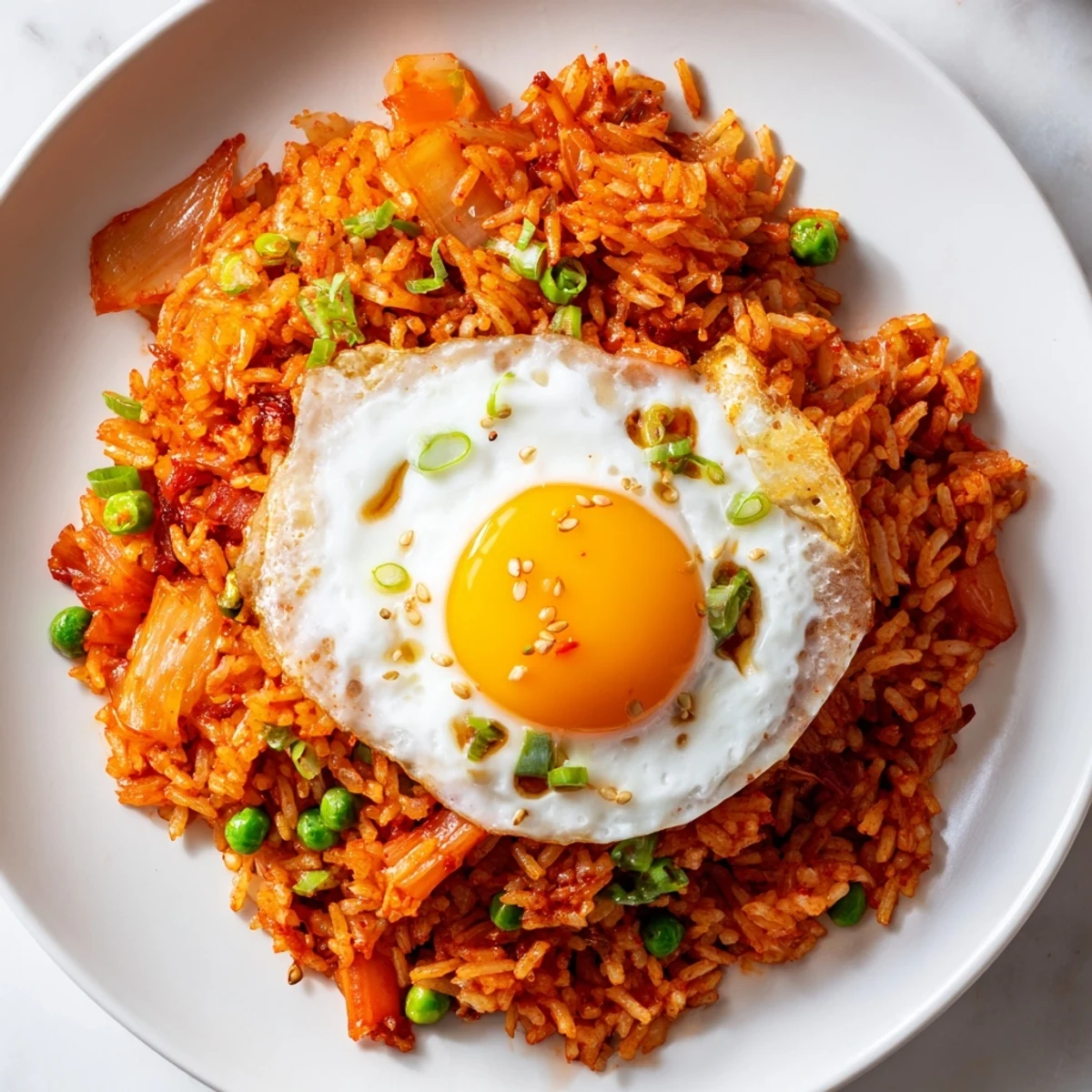
Save This kimchi garlic chili fried rice brings together bold Korean-inspired flavors in a quick 30-minute meal. Day-old jasmine rice gets stir-fried with caramelized napa kimchi, minced garlic, and a savory gochujang-soy sauce blend that coats every grain.
The real magic lies in the crispy fried scallions scattered on top, adding a satisfying crunch that contrasts beautifully with the soft, spicy rice. A drizzle of toasted sesame oil finishes it off with nutty depth.
Customizable with a fried egg on top or diced tofu for extra protein, this dish works equally well as a speedy weeknight dinner or a satisfying lunch.
The sizzle of scallions hitting hot oil is one of those sounds that makes everyone in the house wander into the kitchen, and this fried rice recipe relies on that exact trick to build anticipation before a single bite is ready.
My friend Min hoisted a jar of homemade kimchi through my kitchen window one winter afternoon and refused to leave until I promised to use it for something beyond eating straight from the jar with chopsticks.
Ingredients
- 2 cups cooked jasmine or short grain rice, preferably day old and cold: Fresh rice turns gummy and soft, so refrigerated rice is the real secret to achieving those distinct, slightly chewy grains.
- 1 cup napa kimchi, chopped, plus 2 tbsp kimchi juice: The juice is liquid gold here, packing concentrated sour funk that coats every grain.
- 3 scallions, sliced with white and green parts separated: Whites get fried crispy for garnish, greens stay fresh and folded in at the end.
- 4 garlic cloves, finely minced: Four might seem aggressive but the high heat mellows the bite into something warm and nutty.
- 1 small carrot, peeled and diced: Small dice ensures it softens quickly and distributes sweetness throughout.
- 1/2 cup frozen peas, optional: Little bursts of sweetness that balance the chili heat beautifully.
- 1 to 2 tbsp gochujang, Korean chili paste: This brings sweetness, heat, and a gorgeous red color all at once.
- 1 tbsp soy sauce: Just enough salt to tie the savory elements together without overpowering the kimchi.
- 1 tsp toasted sesame oil: Added off the heat so its fragrance stays bold and perfumed.
- 1/2 tsp sugar: A tiny pinch rounds out the acidity from fermented cabbage.
- 1/4 tsp ground black pepper: Simple background warmth.
- 2 large eggs, optional for topping: A runny yolk over this rice turns it into something luxurious.
- 3 tbsp neutral oil: Divided between frying the scallions and stir frying the rice.
Instructions
- Fry the scallion whites until golden:
- Heat 2 tablespoons of oil in a large wok or skillet over medium high heat and add the white parts of the scallions, stirring occasionally until they turn deeply golden and crunchy, then lift them out onto a paper towel to drain and crisp further.
- Wake up the garlic and carrots:
- In the same pan with the remaining tablespoon of oil, toss in the minced garlic and diced carrot, stirring for about a minute until your kitchen smells impossibly good and the garlic just begins to color at the edges.
- Caramelize the kimchi and build the sauce:
- Add the chopped kimchi and cook for 2 to 3 minutes until it darkens and gets slightly sticky, then pour in the kimchi juice, gochujang, soy sauce, sugar, and pepper, stirring until it bubbles into a thick, glossy paste.
- Toss in the rice and stir fry fiercely:
- Add the cold rice and use your spatula to break apart any stubborn clumps, then stir fry for 3 to 4 minutes, pressing the rice against the hot surface so some grains get slightly crisp and everything turns an even reddish orange.
- Finish with sesame oil and scallion greens:
- Take the pan off the heat, drizzle in the sesame oil, and fold in most of the green scallion parts, saving a handful for the top.
- Fry the eggs if using:
- In a separate small pan, fry the eggs sunny side up with a pinch of salt until the whites are set but the yolks still jiggle when you nudge them.
- Assemble and serve immediately:
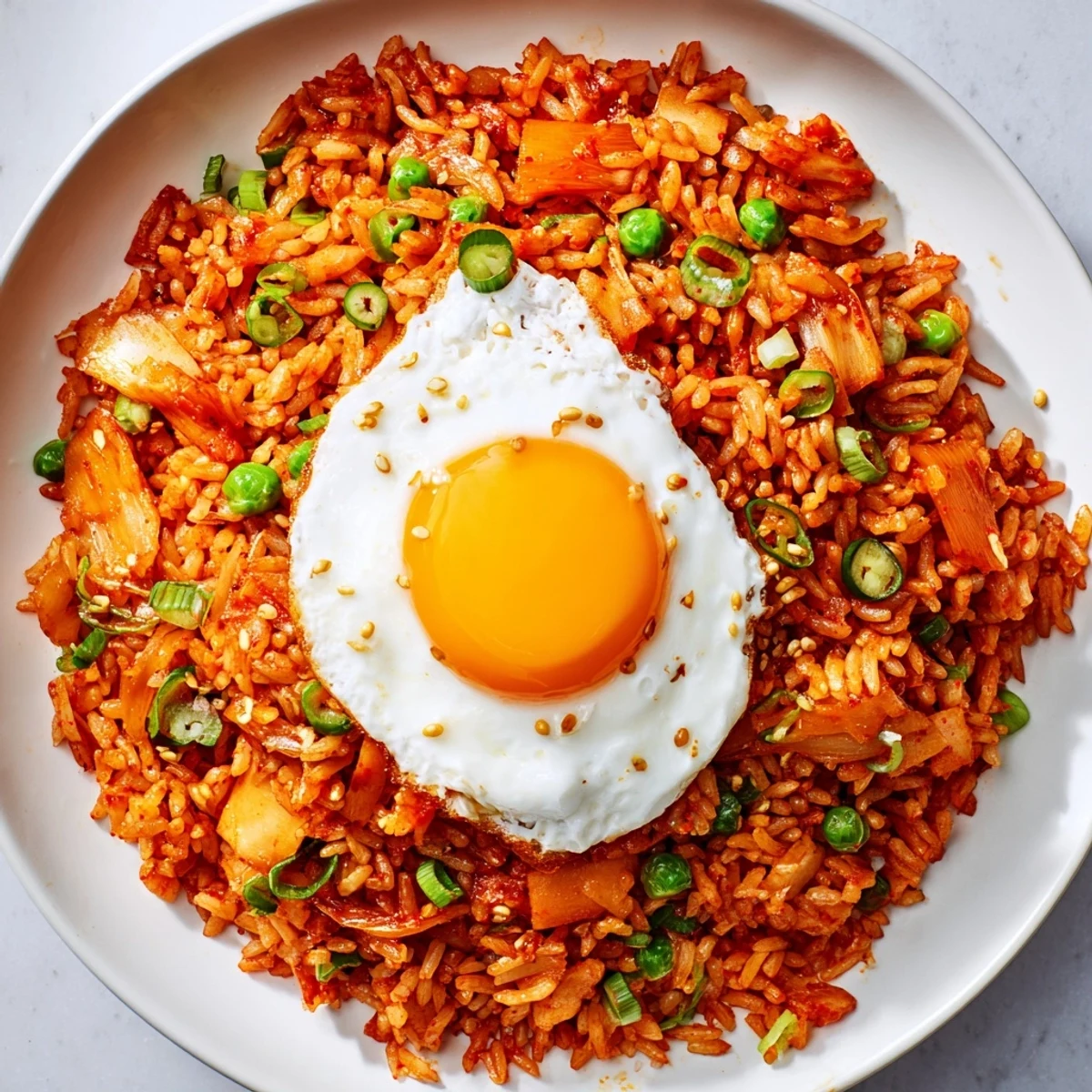
- Divide the rice between two bowls, crown each with a fried egg, and scatter the crispy scallion whites and reserved greens over the top so every spoonful has crunch.
 Save
Save The second time I made this, I ate it standing over the wok with the spatula, telling myself I was just tasting for seasoning, and somehow half the portion disappeared before I reached a bowl.
Getting the Texture Right
The difference between decent fried rice and unforgettable fried rice comes down to moisture control, which is why a hot wok and cold rice are your best friends in this recipe.
Adjusting the Heat Level
One tablespoon of gochujang gives a gentle, family friendly warmth, while two pushes things into a satisfying sweat that pairs perfectly with an ice cold drink.
Making It Your Own
This recipe is endlessly forgiving and welcomes substitutions based on whatever needs using up in your refrigerator.
- Crumble in some extra firm tofu or tempeh during the rice frying step for a heartier bowl.
- Shake gochugaru flakes over the finished dish if you want more fire without extra salt.
- Leftovers keep well for a day in the fridge and reheat beautifully in a hot skillet.
 Save
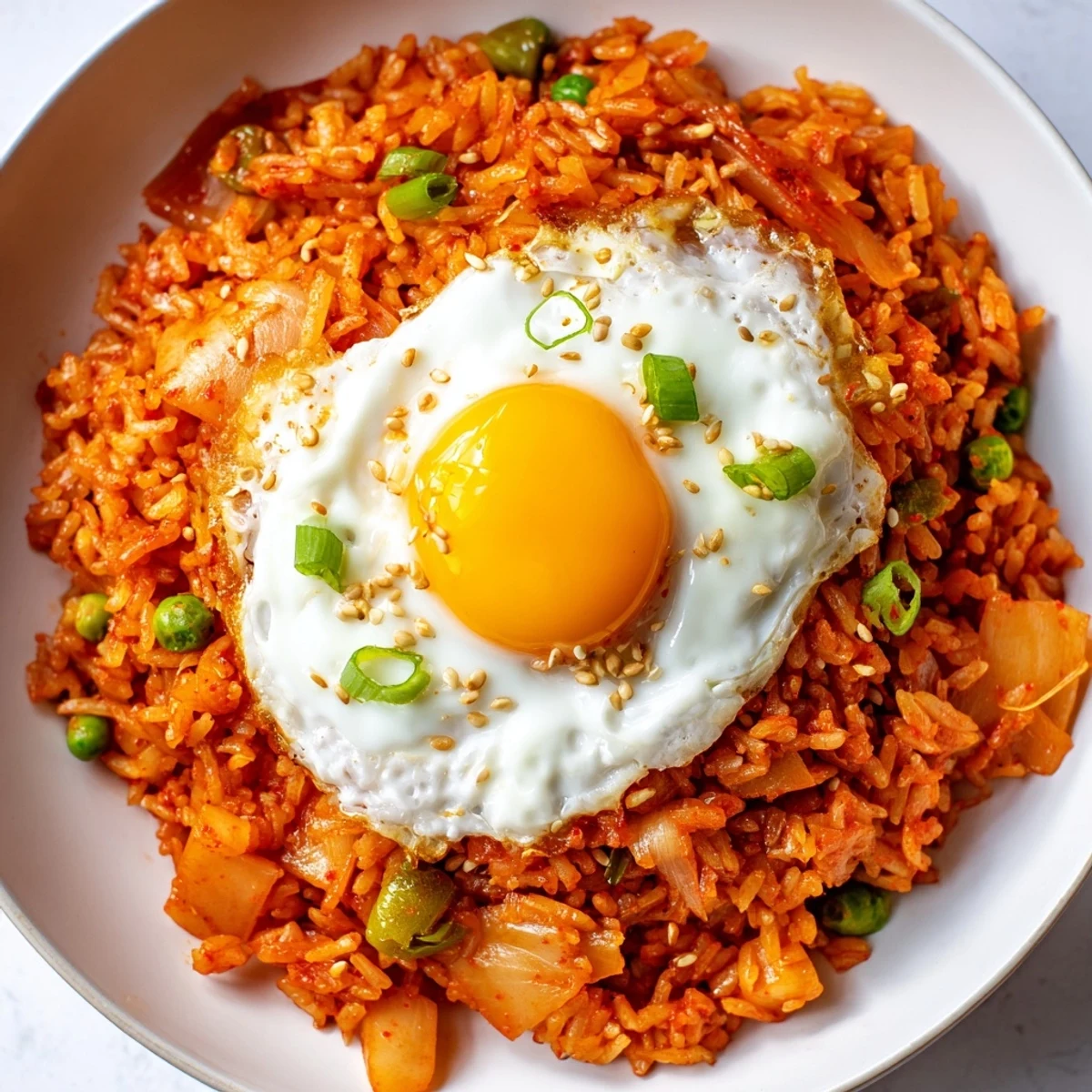
Save Some nights the best thing you can do for yourself is grab a jar of kimchi, crack open the rice container, and let the sizzle do the talking.
Recipe FAQs
- → Can I use fresh rice instead of day-old rice?
-
Day-old cold rice is strongly preferred because it has less moisture, which prevents the fried rice from becoming gummy or clumpy. If you only have fresh rice, spread it on a tray and refrigerate for at least 1-2 hours before cooking to dry it out slightly.
- → What can I substitute for gochujang?
-
If you don't have gochujang, you can mix sriracha with a small amount of miso paste for similar heat and umami depth. Another option is a blend of gochugaru (Korean chili flakes), a pinch of sugar, and a splash of soy sauce.
- → How do I store and reheat leftovers?
-
Store leftovers in an airtight container in the refrigerator for up to 3 days. Reheat in a skillet or wok over medium heat with a splash of water or oil to loosen the rice. Microwave reheating works too but may soften the texture slightly.
- → Is store-bought kimchi suitable for this dish?
-
Yes, store-bought kimchi works perfectly. Choose a well-fermented, tangy kimchi for the best flavor. The older and more sour the kimchi, the more depth it adds to the fried rice. Don't forget to use the kimchi juice as well — it's packed with concentrated flavor.
- → How can I make this dish spicier?
-
Increase the gochujang to 2 tablespoons or add 1 teaspoon of gochugaru (Korean chili flakes) along with the sauce ingredients. You can also incorporate a splash of sriracha or a pinch of cayenne pepper for additional heat.
- → What protein additions work well with this fried rice?
-
Diced firm tofu, tempeh, or pan-seared mushrooms are excellent vegetarian options. For non-vegetarian versions, bite-sized pieces of chicken thigh, shrimp, or thinly sliced pork belly all pair wonderfully with the kimchi and chili flavors.