
 Save
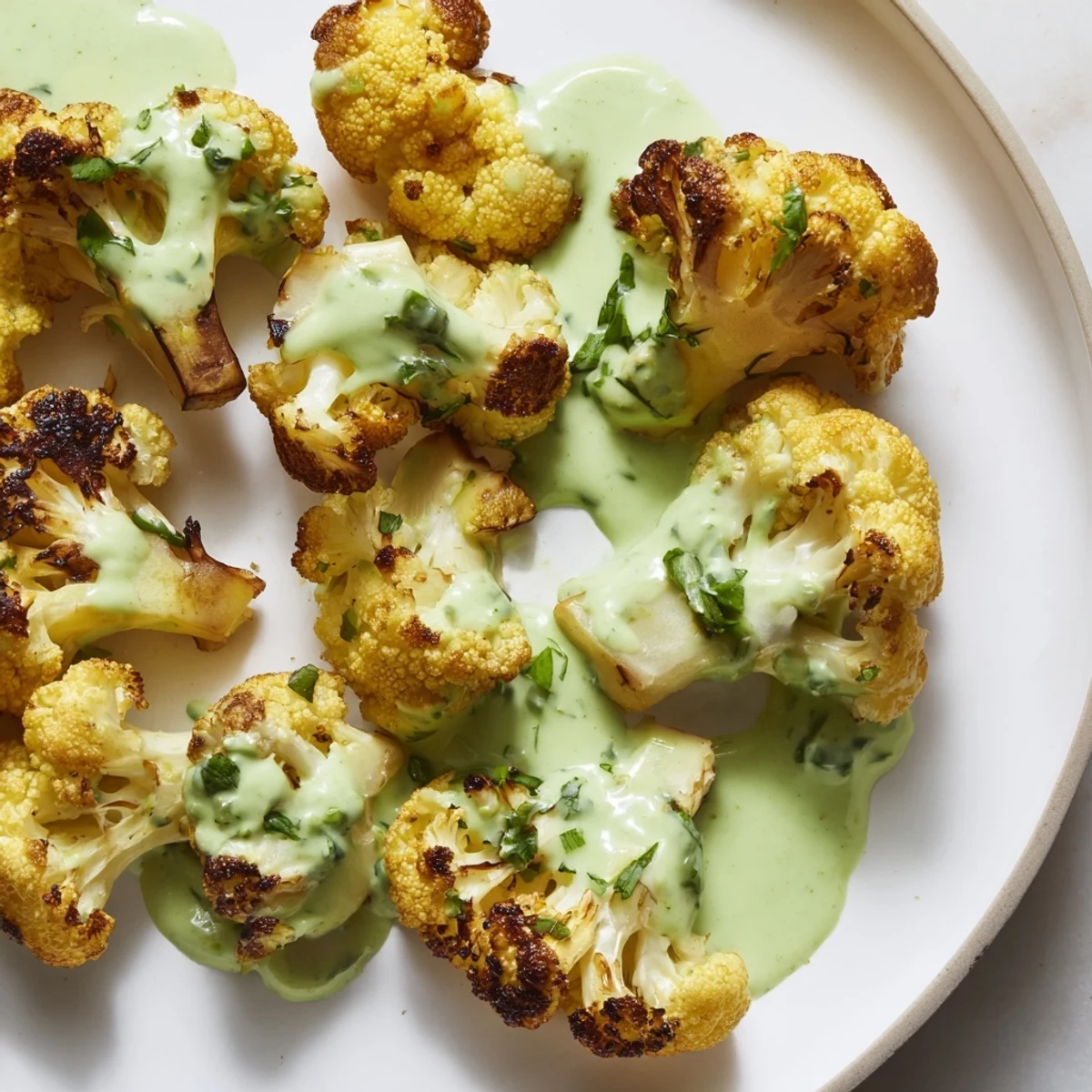
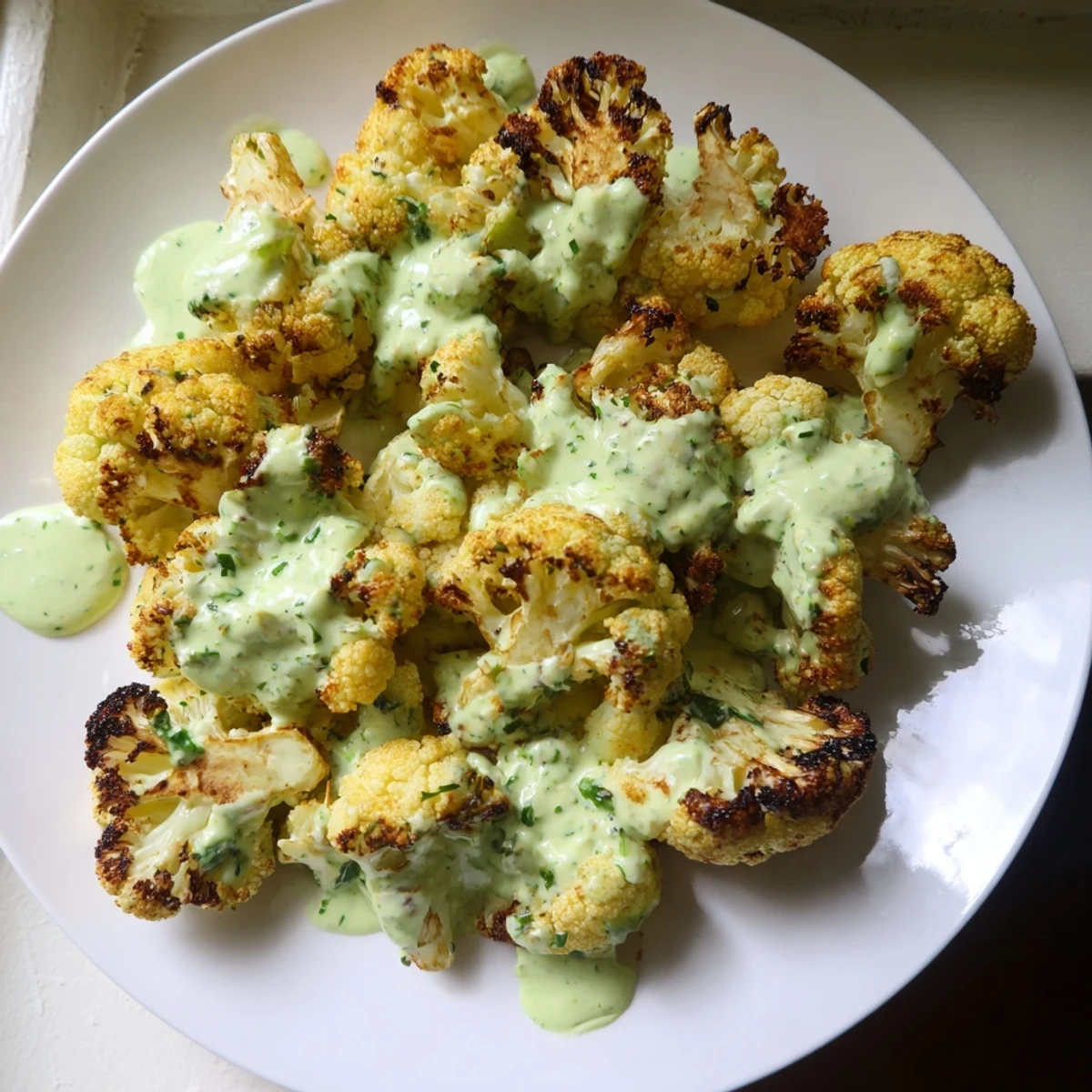
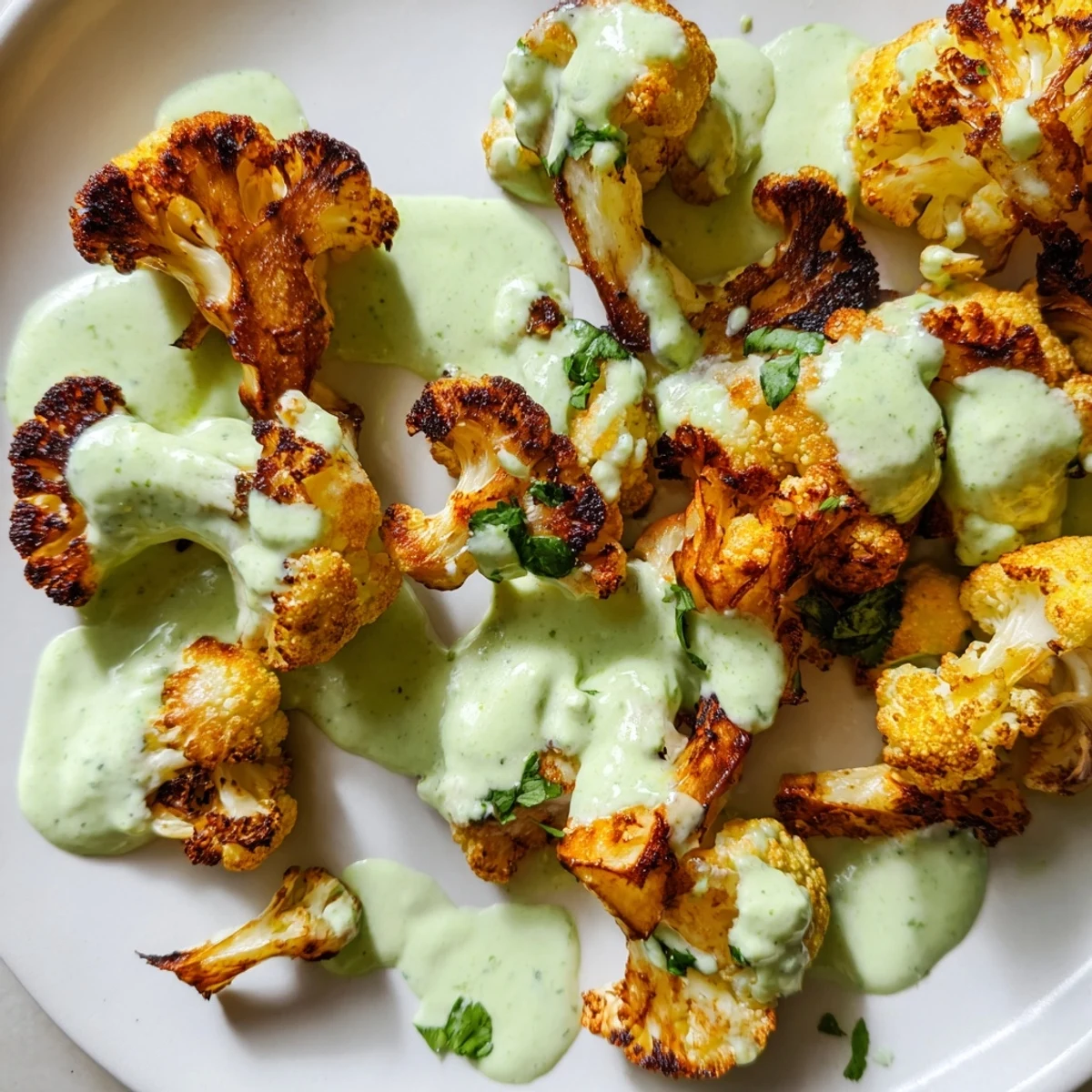
Save This dish transforms humble cauliflower into something special through high-heat roasting, creating perfectly tender florets with golden edges. The real star is the vibrant green sauce, blending fresh herbs like parsley, basil, chives, and tarragon with creamy mayonnaise and sour cream. A splash of bright lemon juice ties everything together, creating a balanced contrast to the earthy, caramelized cauliflower. Serve it warm from the oven, letting guests drizzle the sauce themselves or presenting it as an elegant dipping option alongside the roasted vegetables.
The smell of cauliflower transforming in the oven is one of those kitchen moments that makes me stop what I'm doing and just breathe it in. My youngest daughter walked in recently and asked if something was burning, only to realize it was that gorgeous roasted scent she's actually grown to love. We've been making this version with the green goddess sauce for years now, and it's become the one vegetable dish that actually disappears first from the table.
Last summer, I brought this to a neighborhood potluck and watched three different people ask for the recipe before they even finished their first helping. There's something about that bright green sauce against golden cauliflower that makes people pause, then dive in with curiosity. My neighbor texted me the next morning saying her family had already requested it for dinner again that same week.
Ingredients
- 1 large head cauliflower: Look for tight, creamy white florets without any dark spots or browning
- 2 tbsp olive oil: This helps achieve those golden caramelized edges that make roasted cauliflower addictive
- 1/2 tsp kosher salt: Enhances the cauliflower's natural sweetness as it roasts
- 1/4 tsp freshly ground black pepper: Adds a subtle warmth that balances the fresh herbs in the sauce
- 1/2 cup mayonnaise: Creates the creamy base for the sauce and helps it cling to the cauliflower
- 1/4 cup sour cream: Adds a tangy brightness that cuts through the rich mayonnaise
- 1/4 cup fresh parsley leaves: Provides the grassy foundation for the sauce's herb flavor
- 1/4 cup fresh basil leaves: Contributes sweet, aromatic notes that elevate the whole sauce
- 2 tbsp fresh chives: Adds a mild onion flavor that rounds out the herb blend
- 2 tbsp fresh tarragon leaves: Brings a unique anise-like flavor that makes this sauce distinctive
- 2 tbsp fresh lemon juice: Brightens everything and prevents the sauce from feeling too heavy
- 1 small garlic clove: Just enough to give background depth without overpowering the herbs
- 2 anchovy fillets: These dissolve completely into the sauce, adding umami that people can't quite identify
Instructions
- Get your oven ready:
- Preheat to 425°F and line a baking sheet with parchment paper for easy cleanup
- Prep the cauliflower:
- Cut the head into evenly sized florets so they roast at the same rate
- Toss with oil:
- Coat the florets thoroughly with olive oil, salt, and pepper until glistening
- Roast to golden:
- Spread in a single layer and roast for 25 to 30 minutes, tossing halfway through
- Blend the sauce:
- Combine all sauce ingredients in a blender and process until completely smooth and vibrant green
- Bring it together:
- Serve the cauliflower warm with the sauce either drizzled on top or on the side for dipping
 Save
Save This was the dish that finally made my husband understand why cauliflower has become so popular. He took one bite, eyes wide, and said this wasn't the bland boiled cauliflower he grew up avoiding. Now he actually requests it as a side for grilled chicken, and that's saying something for someone who used to push vegetables around his plate.
Make It Vegan
I've served this to vegan friends using plant-based mayonnaise and coconut yogurt instead of sour cream. The result is just as creamy and delicious, proving you don't need dairy to make a sauce worth lingering over. The herbs really shine when they're not competing with heavy cream.
Sauce Variations
Sometimes I'll add a handful of fresh spinach or half an avocado to the blender for an even more vibrant green color and extra creaminess. My sister-in-law swears by adding a teaspoon of Dijon mustard for a subtle kick that cuts through the richness.
Serving Suggestions
This cauliflower works beautifully alongside simply grilled fish or roasted chicken. The sauce has enough personality to carry a whole plate of food.
- Pair with a crisp white wine like Sauvignon Blanc to cut through the creamy sauce
- Serve as part of a mezze spread with warm pita and hummus
- Try the sauce on grain bowls or as a dip for raw vegetables
 Save
Save There's something deeply satisfying about turning such a humble vegetable into something that feels like a restaurant-quality dish. This recipe has earned its permanent place in my regular rotation, and I hope it finds its way into yours too.
Recipe FAQs
- → Can I make the green goddess sauce ahead of time?
-
Yes, prepare the sauce up to 3 days in advance and store it in an airtight container in the refrigerator. The flavors actually meld and improve over time. Give it a good stir before serving, as the ingredients may separate slightly.
- → What can I use instead of anchovies?
-
For vegetarians or those avoiding fish, simply omit the anchovies. You can add a teaspoon of capers or a pinch of smoked salt to achieve that savory depth. Alternatively, a small amount of miso paste or Worcestershire sauce provides similar umami notes.
- → How do I get the cauliflower properly caramelized?
-
Spread the florets in a single layer on your baking sheet without overcrowding. This allows hot air to circulate and promotes even browning. Roast at 425°F and resist the urge to toss too frequently—once halfway through is plenty to achieve those golden, crispy edges.
- → Can I use frozen cauliflower instead of fresh?
-
Frozen cauliflower contains excess moisture that prevents proper caramelization. If using frozen, thaw completely and pat thoroughly dry with paper towels before tossing with oil. However, fresh cauliflower yields significantly better texture and flavor for this preparation.
- → What other vegetables work with this sauce?
-
The green goddess sauce pairs beautifully with roasted broccoli, carrots, sweet potatoes, or asparagus. It's also excellent as a dip for raw crudité, sandwich spread, or dressing for grain bowls. The creamy, herb-forward profile complements nearly any vegetable preparation.