
 Save
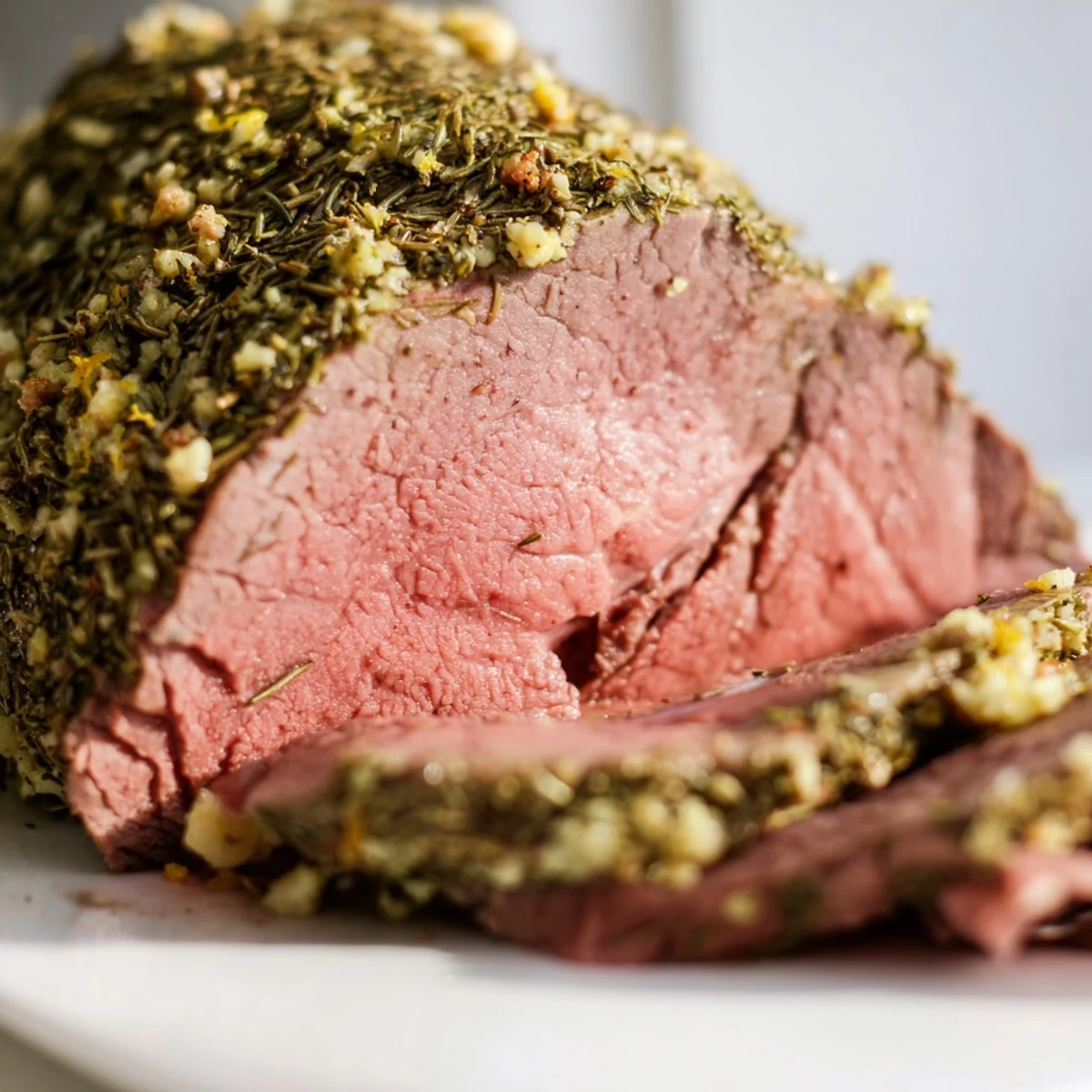
Save This dish features a grass-fed beef roast infused with garlic, rosemary, thyme, lemon zest, and sea salt. It’s surrounded by hearty root vegetables like carrots, parsnips, sweet potato, and mushrooms, all drizzled with olive oil and seasoned carefully. Roasted slowly to develop deep flavors and retain juicy tenderness, this meal is ideal for a celebratory gathering. The combination of herbs and vegetables brings a rustic, aromatic character that complements the natural richness of the beef. Resting the roast before slicing ensures perfect juiciness in every bite.
Last New Year's Eve, I stood in my kitchen wondering how to make something that felt celebratory without abandoning the way I'd chosen to eat. A friend had just dropped off a beautiful grass-fed roast from the farmer's market, and I realized right then that the simplest meals often taste the most festive. This roast became my answer—herbs, vegetables, and time doing most of the work while I got to actually enjoy the evening.
I served this to six people on New Year's Day, and what struck me most was how quiet the table got when everyone took their first bite. The rosemary had practically melted into the meat, and the root vegetables had turned golden and almost sweet from the roasting. Someone asked if I'd been cooking professionally, and I laughed because the truth is the beef does ninety percent of the work if you just let it.
Ingredients
- Grass-fed beef roast (1.5 kg): Chuck, sirloin, or ribeye all work beautifully; grass-fed means better flavor and the herbs have something worthy to cling to.
- Olive oil (5 tbsp total): Use your good stuff here—it carries the flavor of everything else, so it matters more than you'd think.
- Fresh rosemary and thyme (2 tbsp each): Dried herbs will work in a pinch, but fresh is worth the trip to the store; they perfume the whole dish.
- Garlic (4 cloves, minced): It softens and mellows during the long roast, becoming almost sweet and nothing harsh.
- Lemon zest: A small gesture that brightens everything without making it taste citrusy; just trust it.
- Sea salt and black pepper: Don't skip the coarse sea salt; it does something different than fine salt.
- Root vegetables (carrots, parsnips, onions, sweet potato, mushrooms): Cut them all roughly the same size so they finish at the same time, and they'll absorb the beef's juices as they cook.
- Beef broth (1 cup): Homemade is ideal, but a quality paleo-compliant broth works; it keeps the meat moist and becomes a simple sauce.
Instructions
- Make your herb paste:
- Combine the olive oil, minced garlic, rosemary, thyme, lemon zest, salt, and pepper in a small bowl until it looks like wet sand. This is your flavor foundation, so take a moment to smell it and know you're on the right track.
- Prepare the roast:
- Pat the beef completely dry with paper towels—moisture is the enemy of a good crust. Rub the herb mixture all over the roast like you're giving it a massage, getting into every crevice and not being shy about it.
- Build your pan:
- Place the roast in the center of your roasting pan and arrange the vegetables around it, leaving a little space so they actually roast instead of steam. Drizzle the vegetables with olive oil and season lightly with salt and pepper, then pour the beef broth into the bottom of the pan where it'll bubble gently and keep everything moist.
- Start hot, finish slow:
- Roast uncovered at 200°C (400°F) for 20 minutes to develop a golden crust on the beef, then lower the temperature to 160°C (325°F) and continue for 1 hour 10 minutes. Use a meat thermometer to check for doneness—57°C (135°F) for medium-rare, 63°C (145°F) for medium—and remember it'll cook a few degrees more while resting.
- The rest is everything:
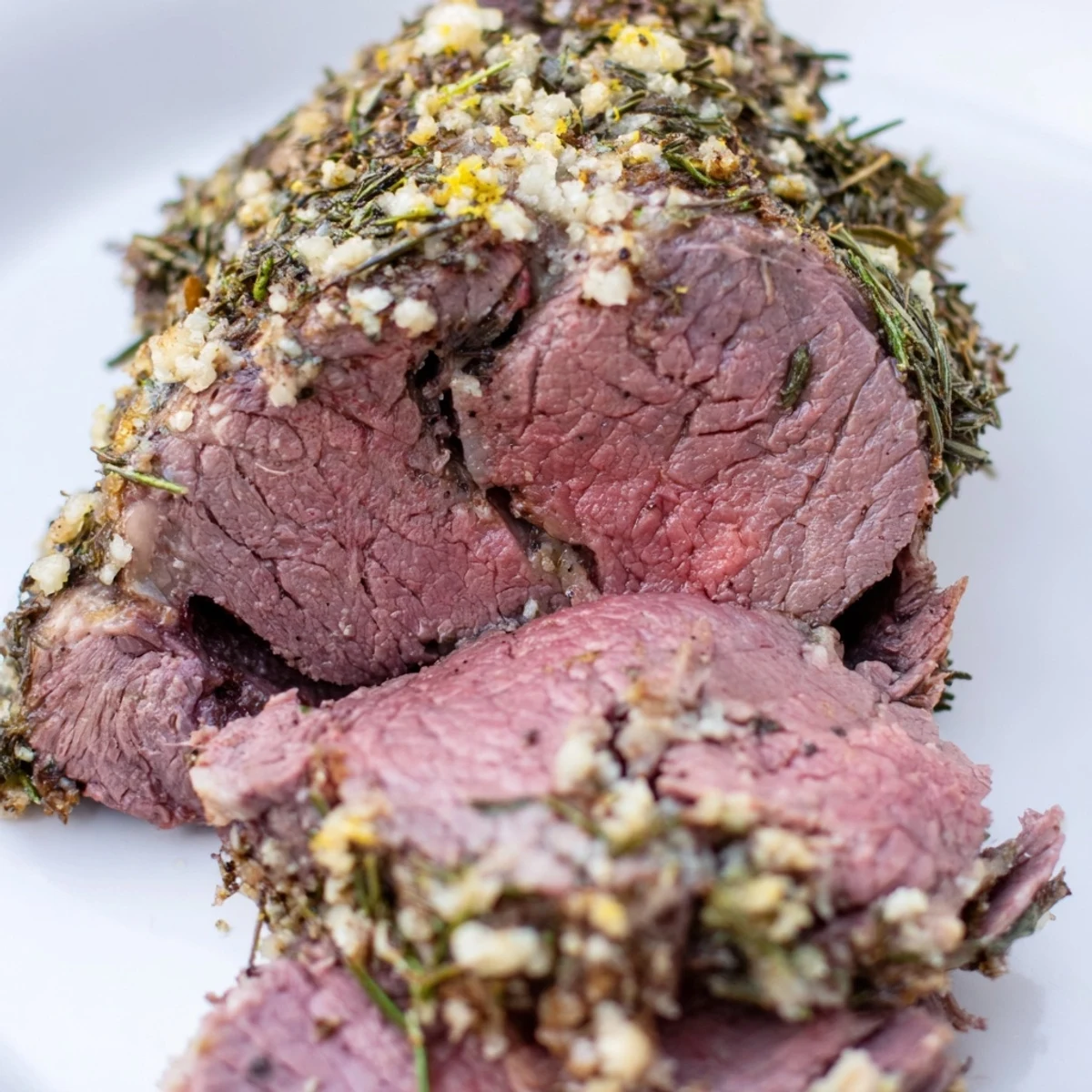
- Pull the roast out, tent it loosely with foil, and walk away for 15 minutes while the meat relaxes and reabsorbs all its juices. This step is non-negotiable if you want tender, juicy slices instead of dry ones.
- Plate and serve:
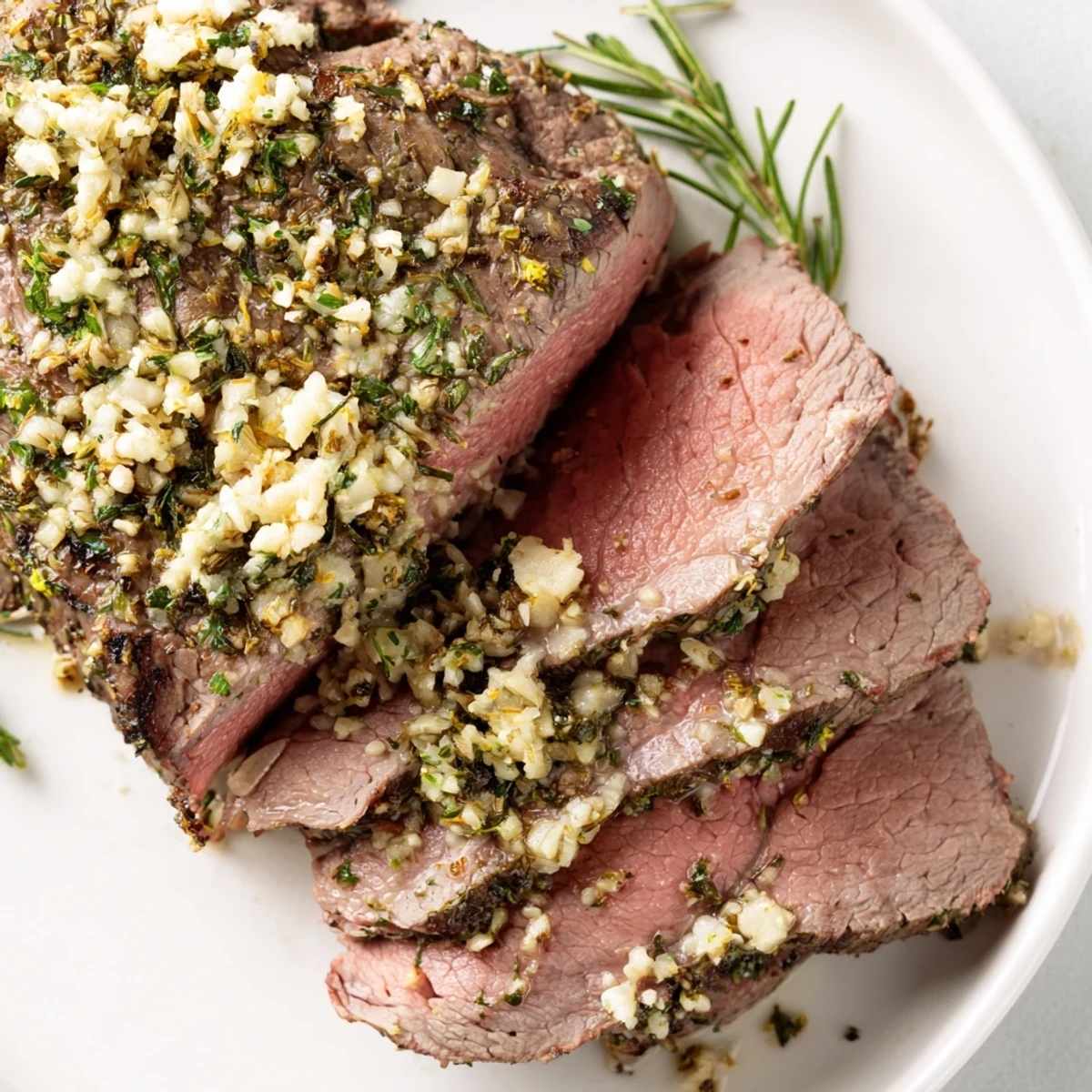
- Slice the roast against the grain and arrange it on a platter surrounded by the roasted vegetables. Spoon any pan juices over the top and watch people's faces light up.
 Save
Save The moment someone told me this tasted like a restaurant meal made at home, I understood why people gather around food. It wasn't complicated, but it was intentional, and that intention somehow made everything taste better.
The Science of Slow Roasting
Roasting at a lower temperature for longer time breaks down the connective tissues in the meat slowly and evenly, which is why this beef stays tender even though it's a cheaper cut. The vegetables caramelize rather than burn, their natural sugars intensifying as they spend time in the heat. This is also why the smell builds gradually throughout cooking—more time means more flavor compounds developing and filling your kitchen.
Making It Your Own
While this recipe is built around beef, lamb and pork roasts follow the same timing and technique if that's what you have or prefer. You can swap vegetables based on the season—parsnips and carrots are perfect for winter, but spring brings asparagus and newer potatoes, and autumn might call for Brussels sprouts and celery root. The herbs matter less than the spirit of the thing; what matters is fresh, fragrant, and generous with them.
Pairing and Leftovers
A dry red wine like Cabernet Sauvignon or Syrah feels right alongside this, especially for New Year's celebrations, but honestly the roast tastes good with water and good company. Leftovers are better than you'd expect—cold slices with yesterday's vegetables make an unexpectedly satisfying lunch the next day, and any meat scraped from the bones becomes the foundation for a quick broth.
- If you have extra broth from the pan, save it; it's liquid gold for soups and sauces all week.
- Slice leftovers thinly and reheat gently in a low oven rather than microwaving to keep them tender.
- Roasted vegetables keep for several days and taste even better cold or at room temperature the next day.
 Save
Save This roast taught me that celebrating doesn't always mean complicated—sometimes it just means taking your time and paying attention. Make this, and make it for people you want to feed well.
Recipe FAQs
- → What cut of meat works best for this roast?
-
Grass-fed chuck, sirloin, or ribeye cuts provide the best balance of tenderness and flavor for roasting.
- → Can the vegetables be varied in this dish?
-
Yes, root vegetables like carrots, parsnips, sweet potatoes, and mushrooms create a hearty base but others like turnips or celery root can be used.
- → How should the roast be rested after cooking?
-
After roasting, tent the meat loosely with foil and let it rest for 15 minutes to redistribute juices evenly.
- → What internal temperature ensures medium-rare doneness?
-
Aim for 57°C (135°F) internal temperature to achieve medium-rare without overcooking.
- → Is it necessary to marinate the beef overnight?
-
Marinating overnight enhances flavor depth but roasting immediately after seasoning also yields a delicious outcome.