
 Save
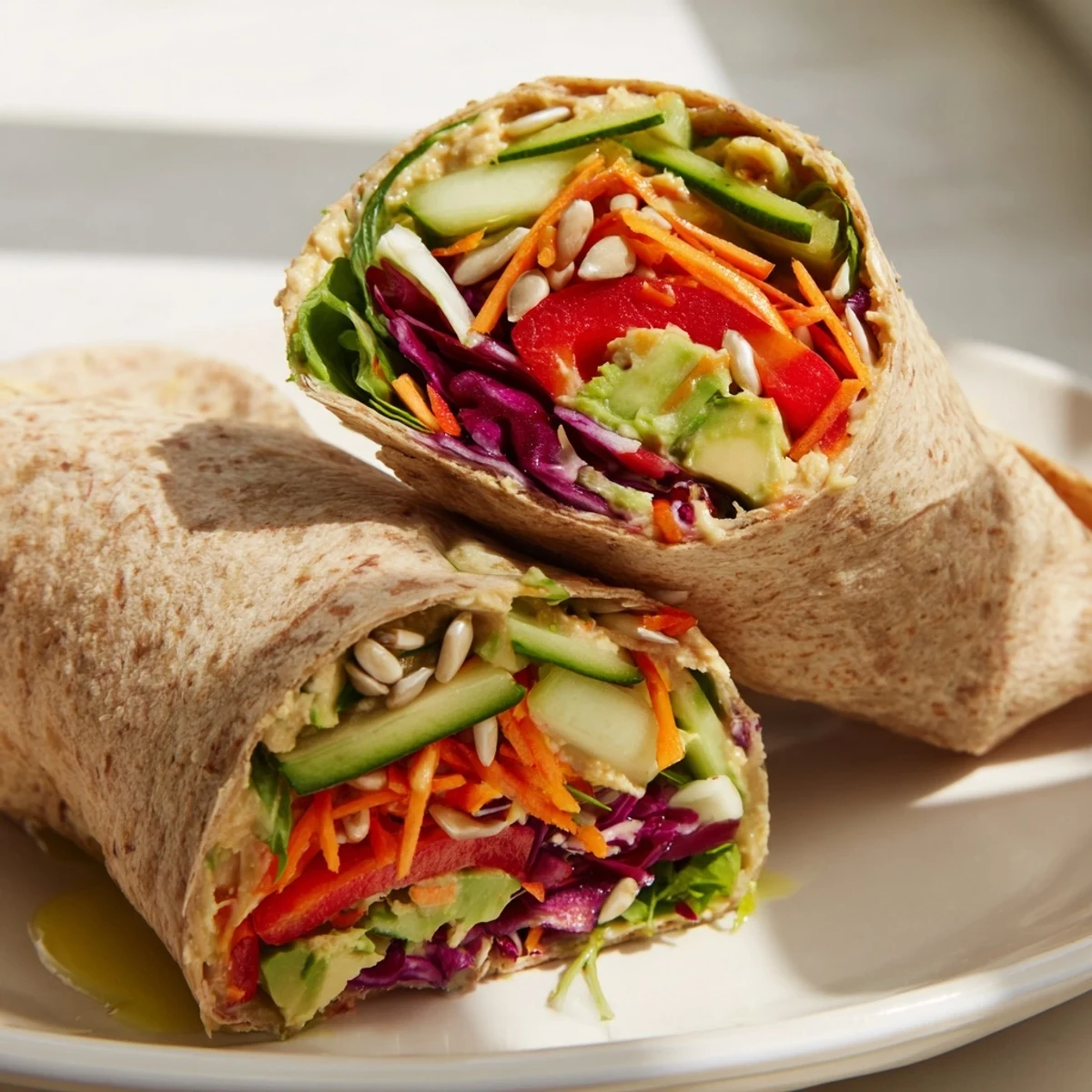
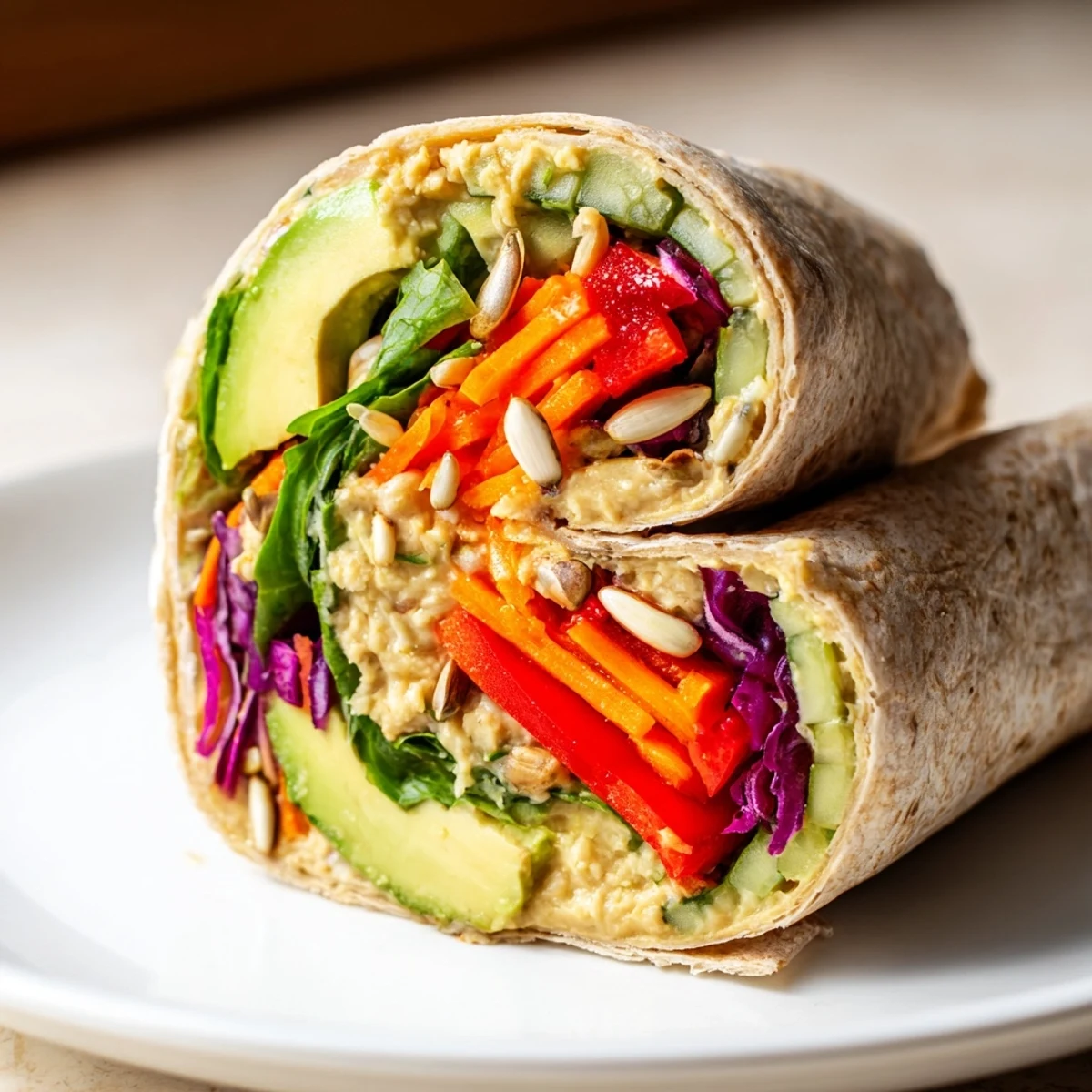
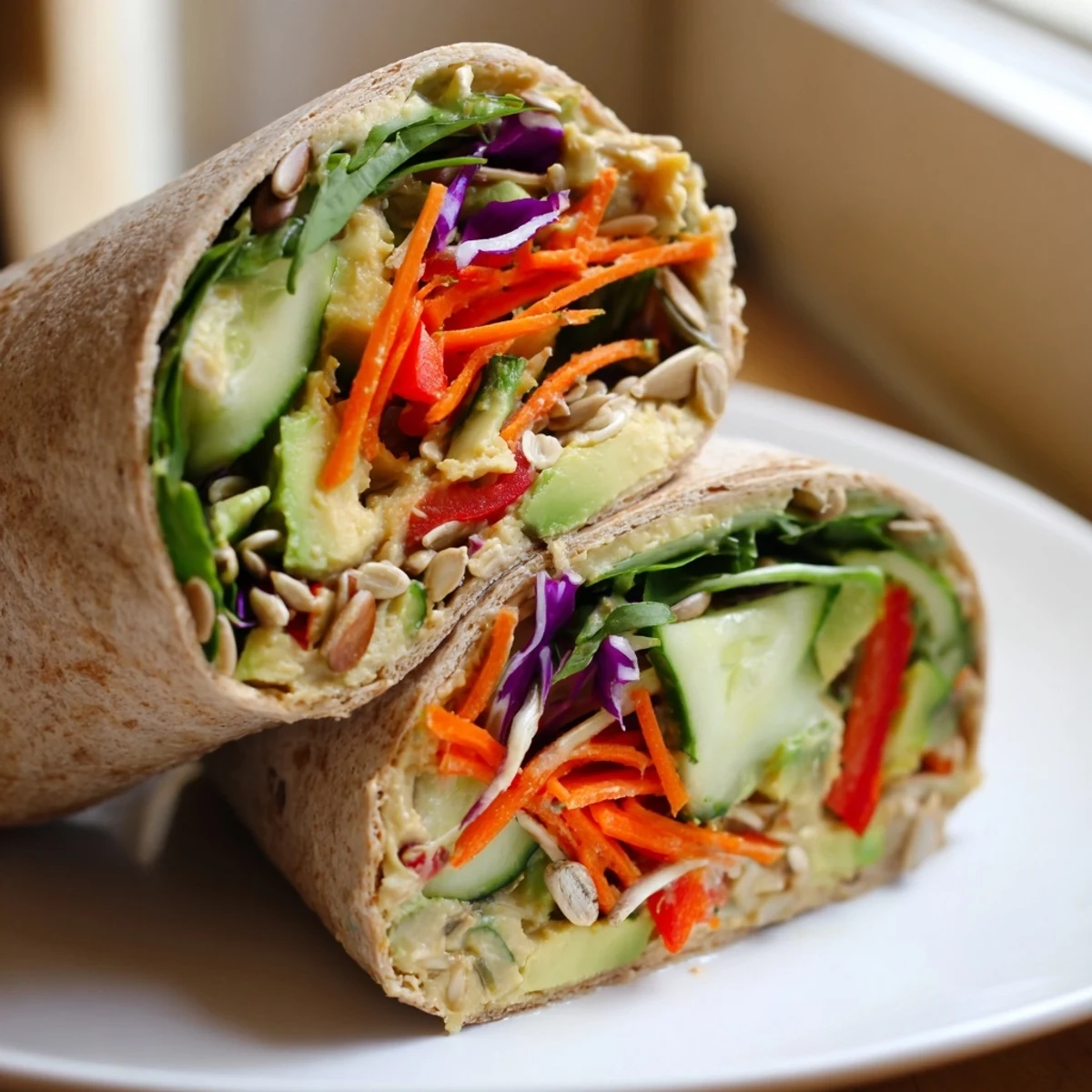
Save This wrap features a vibrant combination of julienned carrots, cucumber slices, red bell pepper, salad greens, red cabbage, and avocado, layered on whole wheat or spinach tortillas. Each wrap is spread with creamy hummus and dressed with fresh lemon juice and olive oil, seasoned lightly with salt and pepper, and optionally topped with toasted sunflower or pumpkin seeds. Prepared quickly without cooking, it's ideal for a fresh, nutritious, and easy meal option. For added protein, chickpeas or tofu can be included. Perfect for on-the-go eating or a light lunch, it's a flavorful, wholesome choice.
There's something about autumn that makes me crave wraps—that season when the farmers market overflows with impossibly bright vegetables and you want meals that feel light but substantial. I discovered this particular combination on a Saturday morning when my fridge was full of half-used produce and I had exactly fifteen minutes before heading out. The first bite told me I'd stumbled onto something worth repeating.
I made these for a friend who'd just mentioned feeling stuck in her food routine, and watching her face light up when she bit through the layers of fresh vegetables reminded me why simple food often matters most. She texted me the next day asking if I could share the recipe, and I realized there really wasn't much to share—just permission to trust what tastes good and what your hands already know how to do.
Ingredients
- Whole wheat or spinach tortillas: These are your vessel, and they need enough structure to hold up to juicy vegetables without tearing; whole wheat ones have better flavor than plain white, and spinach versions add visual appeal without extra effort.
- Hummus: The creamy anchor that keeps everything together while you eat—store-bought works beautifully, but homemade carries a different kind of satisfaction if you have time.
- Carrot, julienned: The sweetness cuts through everything else, and slicing them thin means they actually soften slightly as the wrap sits, creating a gentler bite than chunky pieces.
- Cucumber: Pure refreshment and crunch; slice it thin so it doesn't dominate the wrap with watery pieces that make the tortilla soggy.
- Red bell pepper: Choose one with thick walls and bright color, and slice it thin enough that you get the sweetness without the structure fighting your teeth.
- Mixed salad greens: Arugula brings a quiet pepper, baby spinach disappears into everything else, and romaine gives you backbone—pick whatever your hand reaches for in the produce section.
- Red cabbage: This is your secret weapon for staying crispy; it holds its texture far longer than lettuce and adds a subtle sweetness that surprises people.
- Avocado: Slice it just before assembling so the cut edges don't brown and taste bitter; a ripe one should yield to gentle pressure but not feel mushy.
- Lemon juice and olive oil: This simple dressing wakes everything up without adding heaviness, and the acidity keeps even the softer vegetables from turning into mush.
- Sunflower or pumpkin seeds: Entirely optional but worth the moment it takes to sprinkle them on; they add a toasted nuttiness that makes the whole thing feel finished.
Instructions
- Prepare your surface and tortillas:
- Lay both tortillas flat on a clean cutting board or counter where you have room to work without bumping things over. If your tortillas have been cold, a few seconds of gentle warming over a burner or in a dry skillet makes them more pliable and forgiving.
- Spread the hummus foundation:
- Using a spoon or small spatula, spread 2 tablespoons of hummus across the center of each tortilla, leaving about an inch of space around the edges so you have room to fold. Push gently rather than smearing aggressively; you want an even layer that won't squeeze out when you roll.
- Layer your vegetables with intention:
- Arrange the carrot, cucumber, bell pepper, greens, cabbage, and avocado in a loose line across the middle of the hummus. Don't overthink the order—just aim for a mix of colors and textures that makes you happy to look at.
- Add brightness with dressing:
- Drizzle the lemon juice and olive oil over the vegetables, then sprinkle salt and pepper to taste. The acidity matters more than you'd expect; it's what keeps the flavors from blurring together as everything sits.
- Optional crunch layer:
- If you're using seeds, scatter them over the top now so they stay toasted and don't get crushed by the rolling process.
- Roll with confidence:
- Fold the left and right edges of the tortilla inward about an inch, then starting from the bottom, roll the wrap away from you as tightly as you can manage without tearing. A tight roll keeps everything from falling out when you bite into it, but not so tight that the filling squeezes out the sides.
- Finish and serve:
- Slice each wrap in half diagonally—this both looks more intentional and actually makes it easier to hold. Eat immediately for maximum crunch, or wrap tightly in parchment paper if you're taking it somewhere.
 Save
Save I brought one of these to a work lunch and ended up sharing the recipe with three different people, which surprised me until I realized I was watching them discover that lunch doesn't have to be complicated to be memorable. Something shifted that day in how I thought about feeding myself and others.
Building Your Perfect Wrap
The beauty of this wrap is how personal it becomes once you understand the basic structure—creamy base, crisp vegetables, bright dressing, everything tied together by the tortilla. You might find yourself substituting things based on what's in your kitchen or what you're craving that day, and that's exactly when this recipe becomes truly yours rather than something you're following. The only rule that really matters is that every component should taste good on its own, because you're basically just putting good things in a tortilla.
Make-Ahead Magic
One of the reasons I make these wraps so often is that almost everything can be prepped the night before—julienne your carrots, slice your cucumber and bell pepper, wash and dry your greens, refrigerate it all in separate containers. In the morning, assembly takes maybe five minutes, and you've gone from zero to delicious lunch without any morning stress. This became especially clear to me during a period when I was meal-prepping for a friend who was recovering from surgery, and realizing that these wraps were flexible enough to customize but structured enough to feel thoughtful changed how I approached helping.
Variations and Extensions
Once you've made this wrap a few times and it feels natural in your hands, the variations will suggest themselves—maybe you'll add roasted chickpeas for protein, or swap the regular hummus for a roasted red pepper version that shifts everything slightly warmer. I've added cooked lentils on days when I felt like the wrap needed more substance, and I've drizzled tahini thinned with lemon juice in place of olive oil when I wanted something richer. The wrap can handle all of these changes because the basic idea—creamy plus crunchy plus bright—is forgiving.
- Experiment with flavored hummus varieties or homemade versions using white beans instead of chickpeas for a lighter taste.
- Grilled or marinated tofu strips would add protein without changing the wrap's essential character.
- A spoonful of hot sauce or sriracha drizzled into the hummus layer transforms everything into something with quiet heat that builds as you eat.
 Save
Save These wraps have become my quiet lunch companion, the thing I make when I want to eat well without ceremony or complicated technique. There's something grounding about assembling them, knowing exactly what's going into my body, and tasting every layer of brightness and crunch.
Recipe FAQs
- → What type of tortillas work best for this wrap?
-
Whole wheat or spinach tortillas provide sturdy yet flexible bases that hold the fresh fillings well. Gluten-free alternatives can also be used.
- → Can I add protein to make the wrap more filling?
-
Yes, adding cooked chickpeas or grilled tofu strips can boost protein content without altering the fresh vegetable flavors.
- → How should I prepare the vegetables for the wrap?
-
Julienne carrots, thinly slice cucumber and red bell pepper, shred red cabbage, and slice avocado for a balanced mix of textures and flavors.
- → What kind of dressing complements this wrap?
-
A simple mix of fresh lemon juice and extra virgin olive oil lightly seasons the wrap, enhancing the natural flavors of the vegetables.
- → Are there any optional toppings to add crunch?
-
Toasted sunflower or pumpkin seeds add a pleasant crunch and subtle nuttiness to the wrap.