
 Save
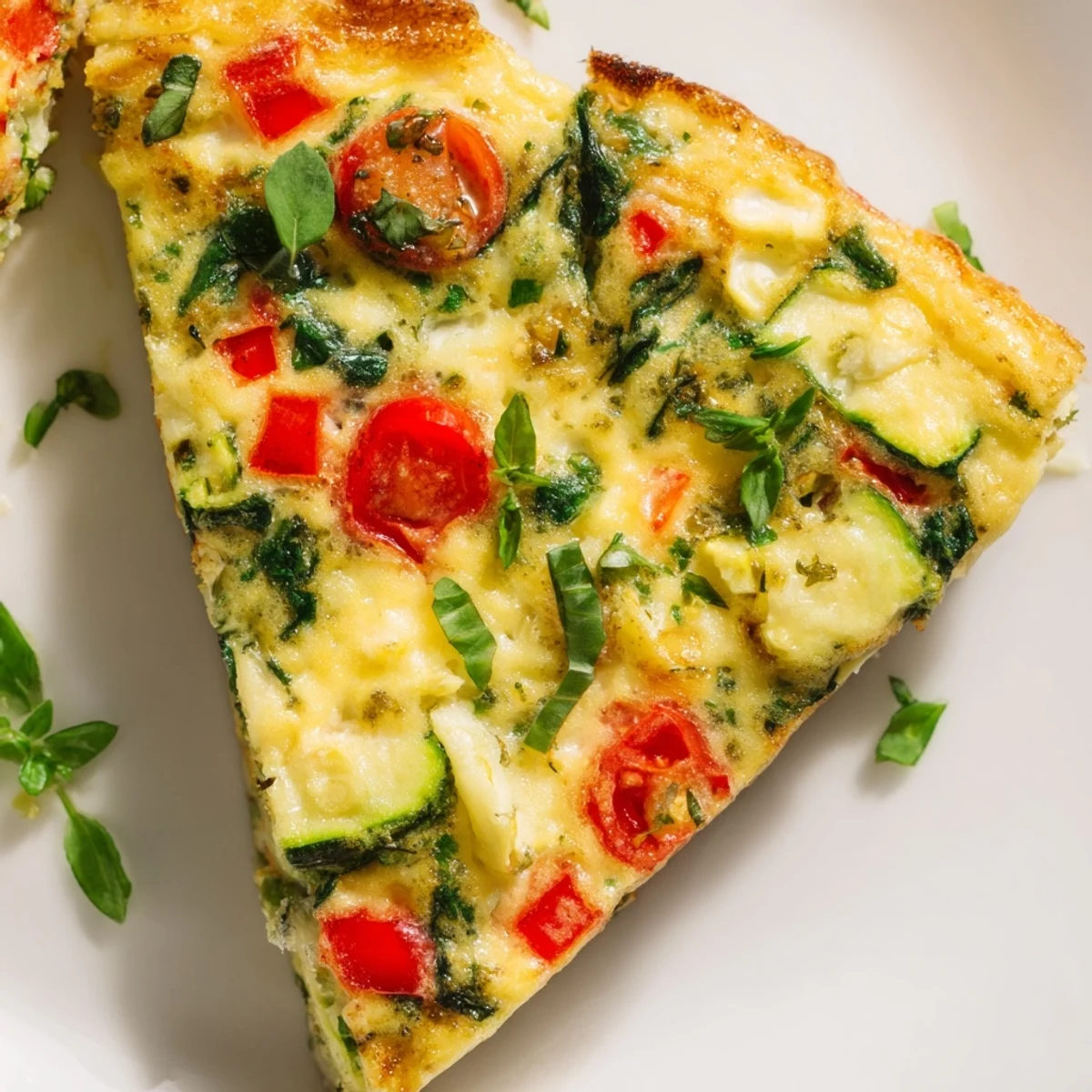
Save This Chilly Breeze Paleo Frittata combines fluffy eggs with fresh seasonal vegetables including spinach, bell peppers, zucchini, and cherry tomatoes. The dish comes together in just 40 minutes with simple stovetop preparation followed by oven baking. Finished with fresh parsley and basil, it's naturally dairy-free and gluten-free, making it ideal for paleo diets.
Perfect for feeding 4 people, this light and refreshing dish works beautifully for breakfast, brunch, or light lunch service. The vegetables are gently sautéed before the whisked eggs are poured over, creating a cohesive dish that's both visually appealing and nutritionally balanced.
The first time I made this frittata, a brisk autumn morning had transformed my kitchen into a sanctuary from the chill outside. Steam fogged my windows as vibrant vegetables sizzled in the pan, their colors so striking against the gray day. I'd been experimenting with paleo recipes after a friend challenged me to try a month without dairy, and this creation quickly became my weekend ritual.
Last spring when my sister visited with her little ones, I worried they might turn their noses up at something so vegetable-forward. But watching their faces light up as they helped sprinkle in the colorful bell peppers and called it rainbow eggs changed everything. They asked for seconds, and my sister immediately requested the recipe to take home.
Ingredients
- Baby spinach: The leaves wilt down to almost nothing, so dont be shy about packing in the full cup, and if your bunch looks a bit sad, a handful of arugula makes a peppery substitute.
- Coconut milk: Use the full-fat version that comes in cans rather than the drinking kind, as the richness is what gives this dairy-free frittata its luxurious texture.
- Red chili: Even with seeds removed, the warmth builds beautifully against the eggs, but I sometimes substitute a dash of smoked paprika when cooking for spice-sensitive guests.
- Fresh herbs: The combination of parsley and basil brings brightness that dried herbs simply cant match, though in winter Id rather use one fresh herb than none at all.
Instructions
- Prep your battleground:
- Preheat your oven to 375°F while you chop all those gorgeous vegetables. I like to line everything up in little bowls before I start cooking, making the kitchen look like a colorful assembly line.
- The veggie dance:
- When your skillet hits that perfect temperature where a drop of water sizzles on contact, add your olive oil and watch it shimmer before tossing in the peppers, zucchini and spring onions. Youll know theyre ready when they start to soften but still hold their shape.
- Build the foundation:
- Once you add the tomatoes, spinach and chili, the pan transforms into a fragrant garden. The moment when spinach surrenders and wilts down is particularly satisfying.
- The liquid magic:
- Whisking eggs and coconut milk together should create a pale yellow mixture with tiny bubbles throughout. When you add those fresh herbs, the speckled green throughout looks like an artists canvas.
- The grand unification:
- Pour your egg mixture over the vegetables with confidence, watching how it finds its way into every nook and cranny. That gentle shake of the pan isnt just for show, it helps create an even frittata.
- The transition:
- Those 2-3 minutes on the stovetop are crucial, creating a sturdy base before the oven works its magic. Look for those edges to just start setting, like a frame forming around a picture.
- The transformation:
- In the oven, your frittata will puff up slightly like its taking a deep breath. Youll know its done when the center no longer jiggles and the top has hints of golden freckles.
- The reward:
- Let it rest briefly before slicing, allowing the eggs to settle into their final form. I find waiting just five minutes makes the difference between clean slices and a messy plate.
 Save
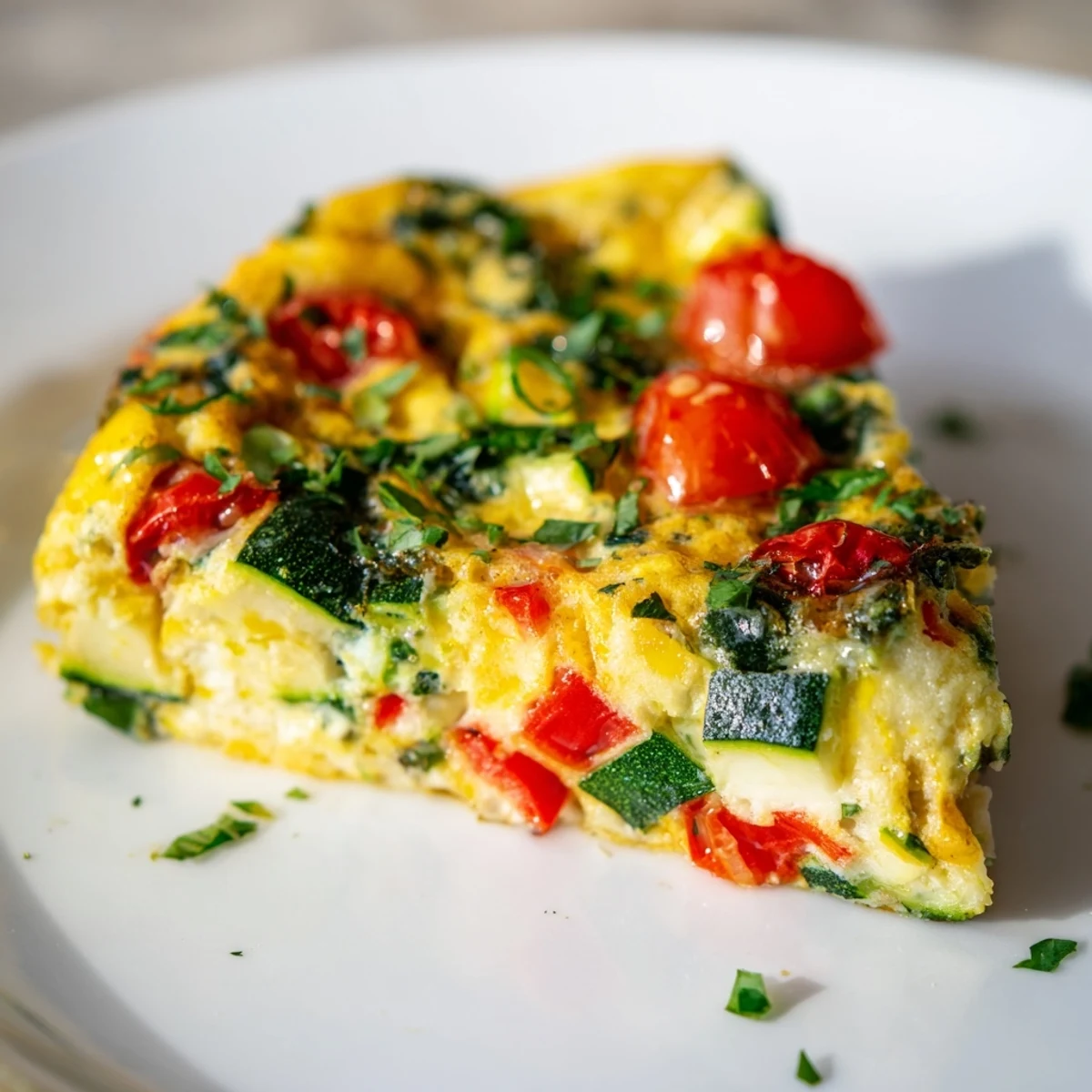
Save One particularly hectic Tuesday, I made this frittata for an impromptu work-from-home lunch and ended up photographing it for a social media post. Something about those vibrant vegetables against the yellow egg canvas sparked a flood of messages from friends asking for the recipe. What began as a paleo experiment became the dish I now bring to nearly every brunch gathering, each time experimenting with seasonal vegetables.
Seasonal Adaptations
My kitchen follows the rhythms of what looks freshest at the farmers market, and this frittata transforms beautifully with the seasons. Summer versions feature blistered cherry tomatoes and basil, autumn brings roasted butternut squash and sage, winter calls for hearty kale and rosemary, while spring welcomes tender asparagus tips and chives. The technique remains constant while the character shifts with each seasonal rotation.
Make-Ahead Options
Life changed when I discovered this frittata actually tastes better the day after its made. The flavors meld overnight in the refrigerator, creating a more complex profile by morning. I often make it Sunday evening, slice it into portions, and have breakfast ready for grab-and-go mornings throughout the week, reducing my a.m. decision fatigue considerably.
Serving Suggestions
While perfectly delicious on its own, this frittata becomes the centerpiece of a memorable meal with thoughtful accompaniments. I love setting out little bowls of toppings so everyone can customize their slice according to their preferences.
- A handful of microgreens or sprouts adds a fresh, peppery contrast that cuts through the richness.
- Sliced avocado fanned alongside provides that creamy element that works beautifully with the eggs.
- For non-paleo guests, a small dish of crumbled feta or goat cheese lets them add a tangy dairy element if desired.
 Save
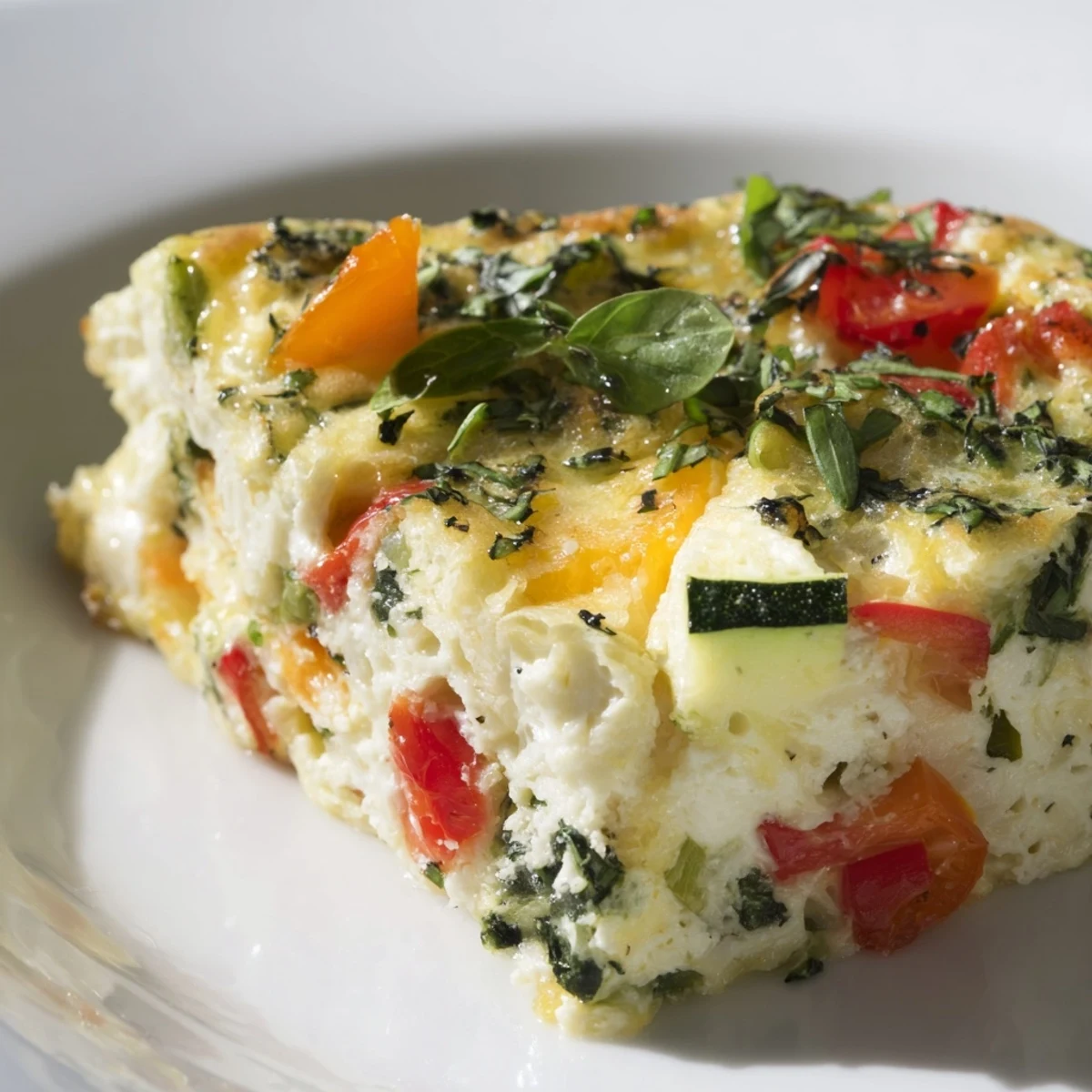
Save This frittata has become more than just a recipe in my collection, its a canvas for creativity and a reliable friend when I need nourishment without complication. I hope it brings the same colorful simplicity to your kitchen table.
Recipe FAQs
- → Can I prepare this ahead of time?
-
Yes, you can prepare and cook the frittata up to 2 days ahead. Store it covered in the refrigerator and serve at room temperature or reheat gently in a 300°F oven for 10 minutes.
- → What vegetables work best as substitutes?
-
Feel free to swap spinach for kale, arugula, or other leafy greens. Mushrooms, asparagus, broccoli, and carrots are excellent alternatives. Use whatever seasonal vegetables you have available.
- → How do I know when the frittata is fully cooked?
-
The frittata is done when the center is set and no longer jiggles when you gently shake the pan. The top should have a light golden color. If still wet in the center, bake for 2-3 more minutes.
- → Can I add protein to this dish?
-
Absolutely. Cooked diced chicken, smoked salmon, or crumbled bacon work wonderfully. Add your protein choice before pouring in the egg mixture.
- → Is this suitable for meal prep?
-
Yes, this frittata is excellent for meal prep. Cut into portions, store in an airtight container, and keep refrigerated for up to 4 days. Enjoy cold or reheat gently before serving.
- → What oil can I use instead of olive oil?
-
Avocado oil, ghee, or coconut oil are excellent paleo-friendly alternatives. Use the same amount and cook at the same temperature.