
 Save
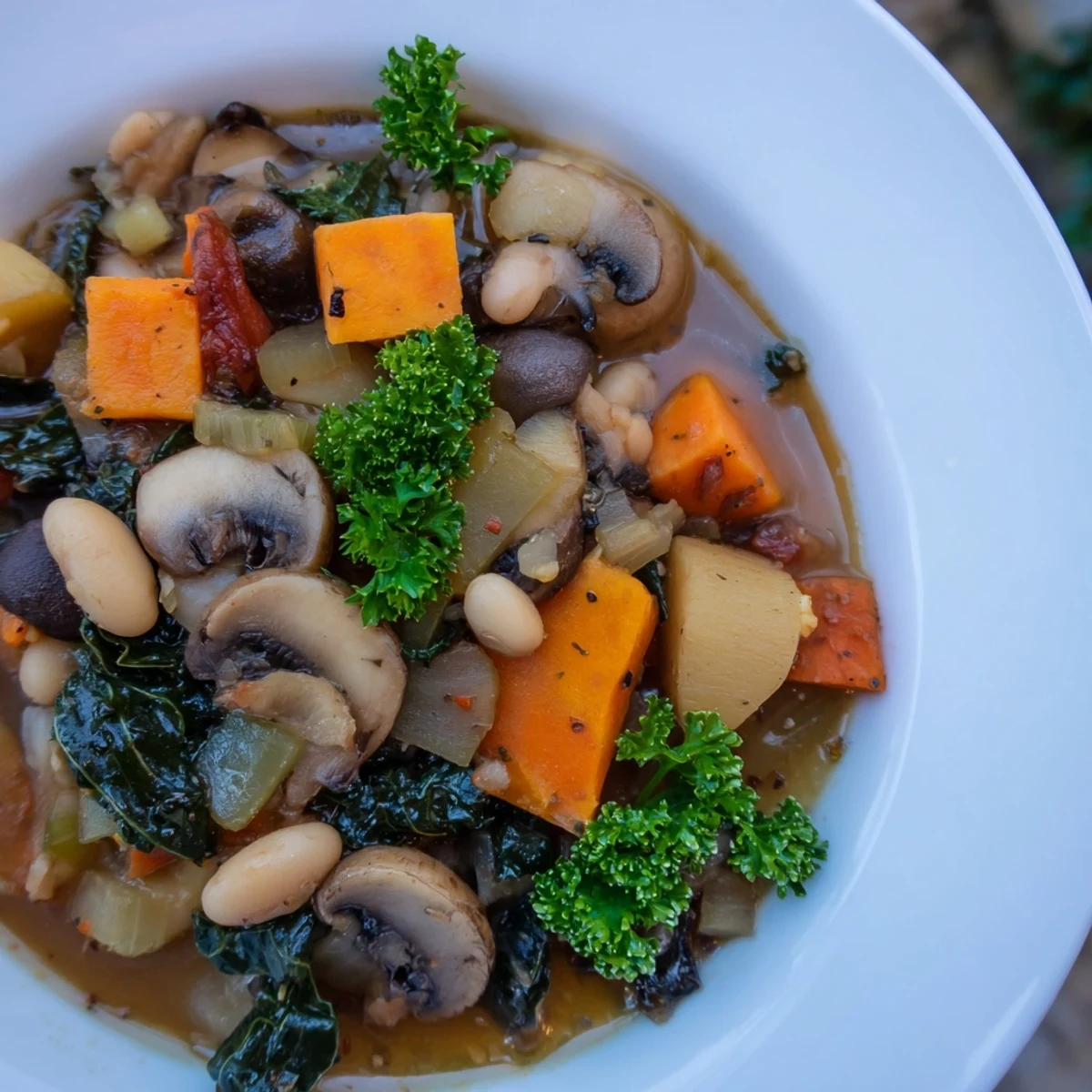
Save This Winter Wellness Vegetable Stew combines seasonal root vegetables, legumes, and leafy greens in a savory, low-fat broth infused with thyme, oregano, and smoked paprika. The stew comes together in under an hour with simple sautéing and simmering techniques, creating layers of flavor while maintaining nutritional integrity. Prepare fresh onion, garlic, carrots, parsnips, rutabaga, sweet potato, celery, mushrooms, and kale alongside cannellini beans and vegetable stock. Each serving delivers 210 calories with just 2g fat, making this an ideal choice for health-conscious cooks seeking comfort food without compromise. The flexible formula welcomes ingredient swaps—try chickpeas instead of beans, chicken instead of tofu, or different seasonal vegetables based on availability.
The first snowfall of winter always sends me straight to my kitchen. I developed this low-fat vegetable stew during a particularly harsh January when I needed something that would nourish my body while fighting off the seasonal blues. The steam rising from the pot seemed to carry away the winter darkness, leaving behind only the rich aroma of herbs and vegetables simmering together.
Last December, when three friends unexpectedly stayed after helping me shovel my driveway, this stew saved the day. My pantry yielded just enough ingredients, and as we huddled around my small kitchen table with steaming bowls, our cold fingers wrapped around warm ceramic, the conversation flowed as easily as the stew ladled from pot to bowl.
Ingredients
- Root vegetables: The parsnips and rutabaga might seem old-fashioned, but they create a depth of flavor that carrots alone could never achieve.
- Cannellini beans: I accidentally discovered these make the broth slightly creamy without adding any dairy at all.
- Smoked paprika: Just half a teaspoon transforms the entire pot, giving a hint of smokiness that makes people wonder if you spent hours developing the flavors.
- Fresh lemon juice: Added right at the end, it brightens everything and cuts through the earthiness of the root vegetables.
Instructions
- Start with a water sauté:
- Instead of oil, use a splash of water to soften your onions and garlic. Listen for that gentle sizzle that tells you theyre releasing their aromatic oils without any added fat.
- Layer the vegetables strategically:
- Add the firmest root vegetables first, giving them time to begin softening before introducing the quicker-cooking ingredients. Your kitchen will fill with a sweet earthy perfume as they release their flavors.
- Create your flavor base:
- When you pour in the tomatoes and stock, scrape the bottom of the pot with your spoon to release any caramelized bits. These tiny flavor bombs are culinary gold.
- Let time work its magic:
- During the 25-minute simmer, resist the urge to constantly stir. Let those vegetables get acquainted with the herbs in peace, only checking in occasionally.
- Finish with greens and acid:
- The kale wilts perfectly in just the last 5 minutes, retaining its nutrients and vibrant color. The lemon juice added at the end wakes up all the flavors in the pot.
 Save
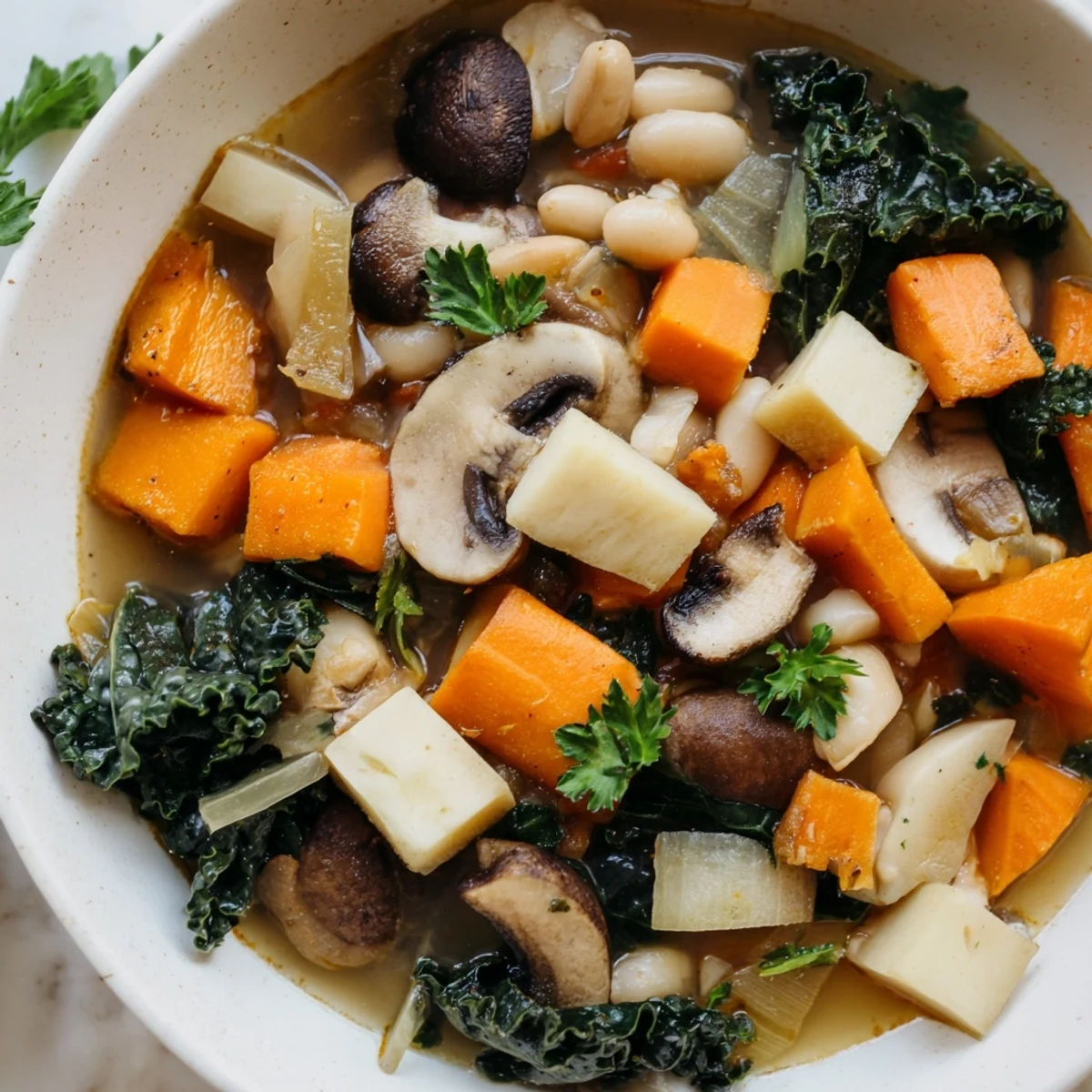
Save My neighbor Elise, who was recovering from surgery last winter, texted me that this stew made her feel human again after days of bland hospital food. She said the combination of colors visible through her clear glass bowl looked like a painters palette, and somehow that visual pleasure made the healing properties of the vegetables work even better.
Storage and Meal Prep
This stew actually improves with age, making it perfect for weekly meal prep. The flavors continue developing in the refrigerator, and Ive found that portioning it into glass containers while still warm creates a vacuum seal as it cools, keeping it fresh for up to five days.
Seasonal Adaptations
Though designed for winter, Ive created summer versions using zucchini, bell peppers, and fresh herbs from my windowsill garden. The principle remains the same: layer flavors, cook slowly, and finish with something bright to lift the dish.
Serving Suggestions
While perfectly complete on its own, this stew welcomes thoughtful accompaniments that complement without overwhelming its delicate flavor balance. I learned through trial and many errors that simplicity works best alongside a bowl thats already complex.
- A slice of whole grain bread brushed with a tiny bit of garlic creates the perfect tool for capturing the last drops from your bowl.
- For guests who need more substance, a small scoop of cooked farro or barley added to their bowl provides heartiness without derailing the low-fat profile.
- If serving for lunch, a simple side salad of arugula dressed only with lemon juice and black pepper creates a perfect temperature and texture contrast.
 Save
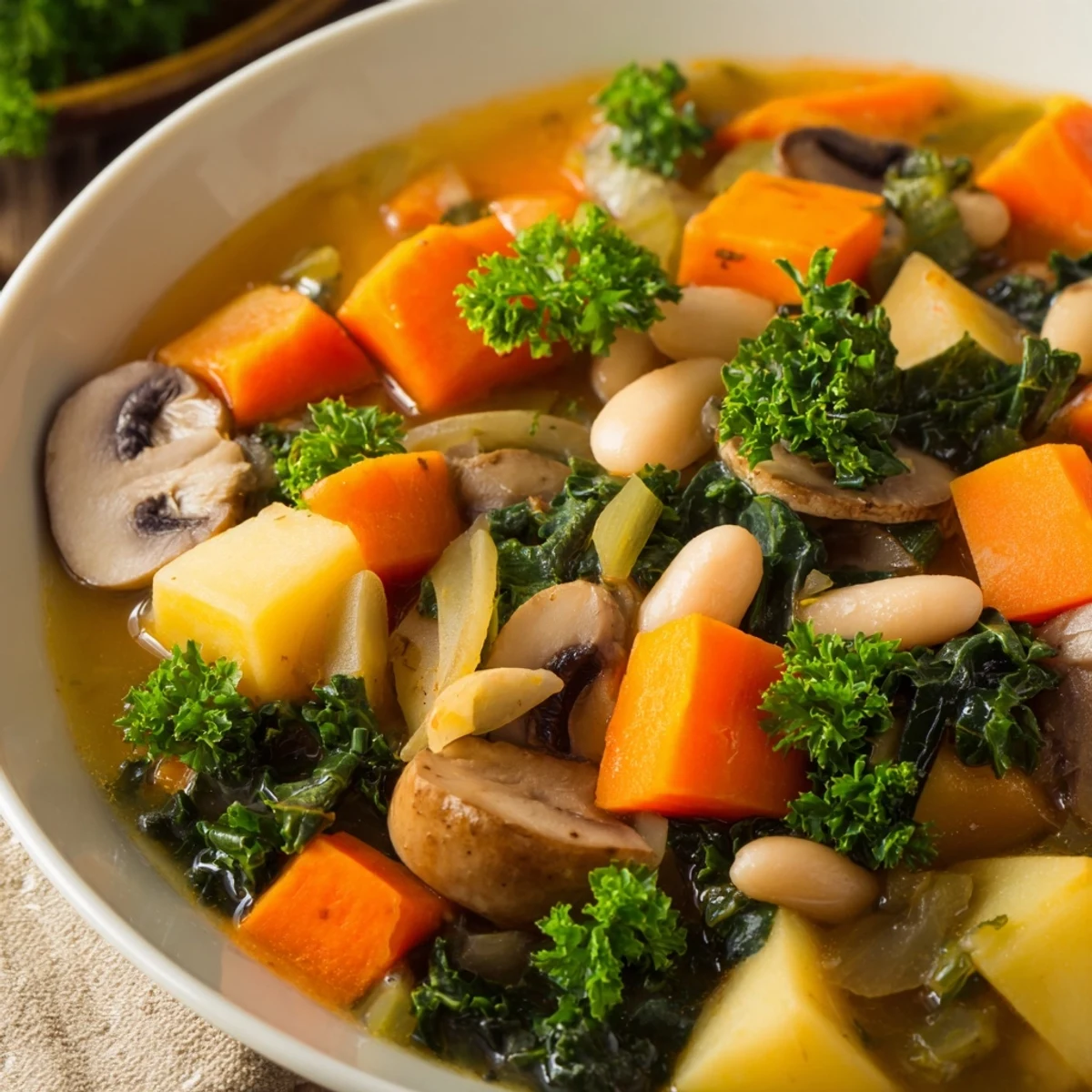
Save Whether youre making this to nourish yourself through a cold spell or sharing it with loved ones gathered around your table, this stew offers comfort without compromise. Its proof that eating mindfully doesnt mean sacrificing satisfaction.
Recipe FAQs
- → Can I prepare this stew in advance?
-
Yes, this stew actually improves with time as flavors deepen. Prepare it up to 3 days ahead and refrigerate in an airtight container. Reheat gently on the stovetop, adding water if the consistency becomes too thick. The stew also freezes well for up to 3 months.
- → What vegetables work best as substitutes?
-
Root vegetables are ideal replacements—try parsnips, turnips, beets, or potatoes. For greens, swap kale with spinach, collards, or bok choy. Seasonal availability means you can adapt the base while maintaining the stew's heartiness and nutritional profile.
- → How do I make this completely plant-based?
-
This stew is naturally vegetarian. For vegan preparation, ensure your vegetable stock contains no animal products. The optional tofu adds protein, or substitute with extra beans, lentils, or chickpeas. Check that any stock cubes used are certified vegan.
- → What's the best way to store leftovers?
-
Refrigerate cooled stew in airtight containers for up to 4 days. Freeze in individual portions using freezer bags or containers for convenient future meals. Thaw overnight in the refrigerator before reheating, or reheat gently from frozen, stirring occasionally.
- → Can I add grains or pasta to thicken the stew?
-
Absolutely. Add cooked grains like quinoa, barley, or farro during the final minutes of cooking, or stir in small pasta shapes midway through simmering. These additions increase fiber and create a heartier consistency while keeping fat content minimal.
- → How do I adjust seasoning without adding salt?
-
Enhance flavor using fresh lemon juice, vinegar, or additional herbs like rosemary and sage. Smoked paprika and black pepper add depth. Taste before serving and adjust seasonings gradually, remembering that salt-reduced stock still contains sodium.