
 Save
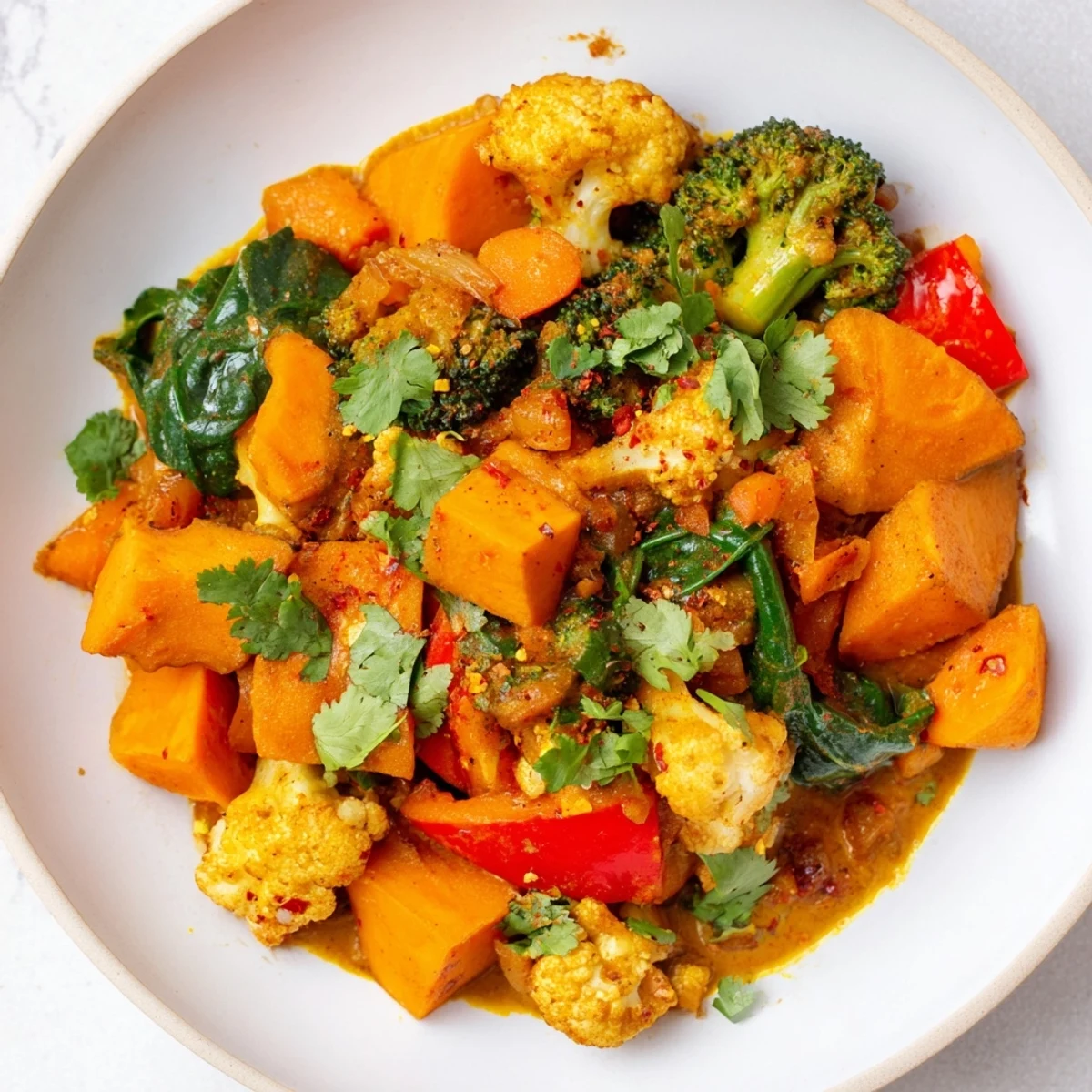
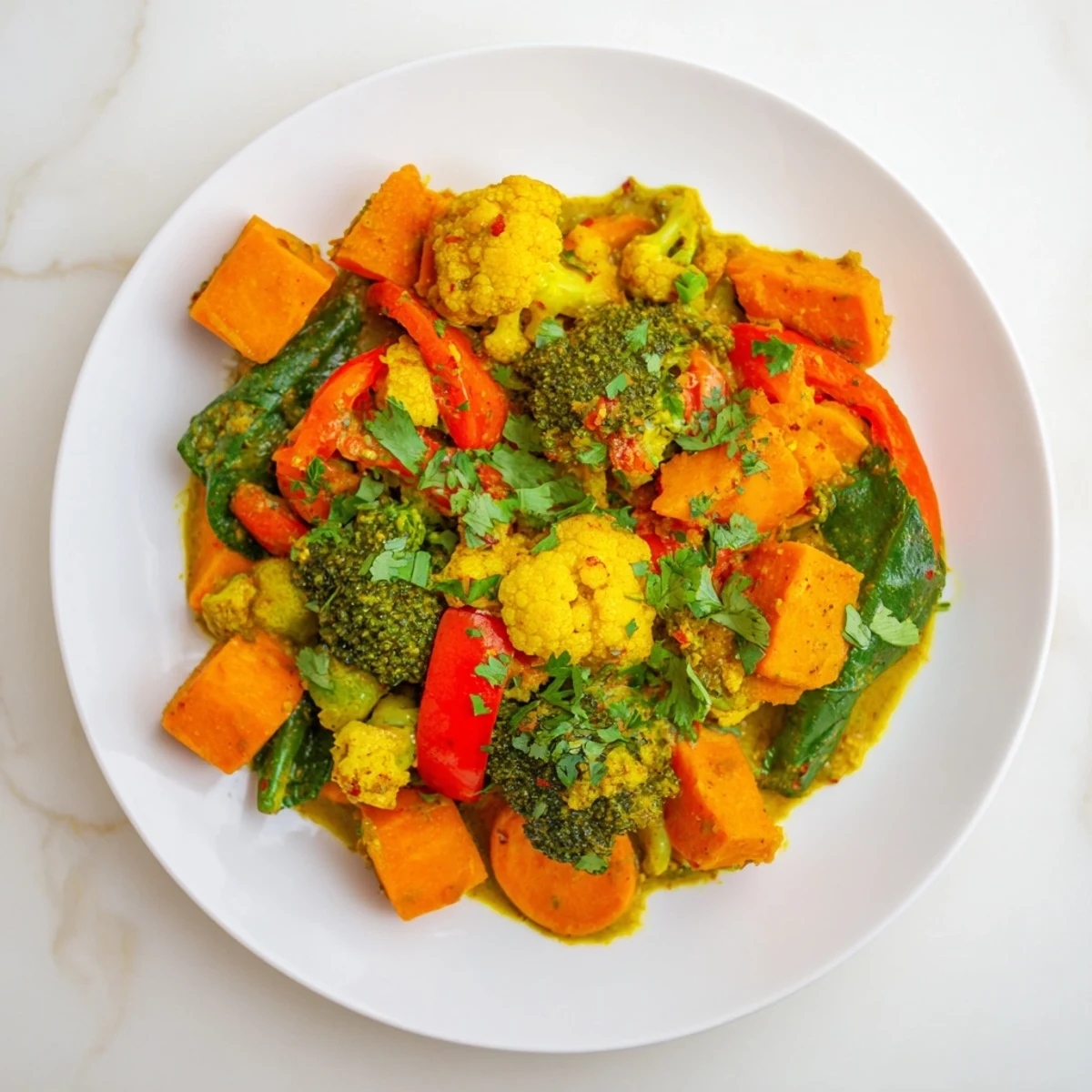
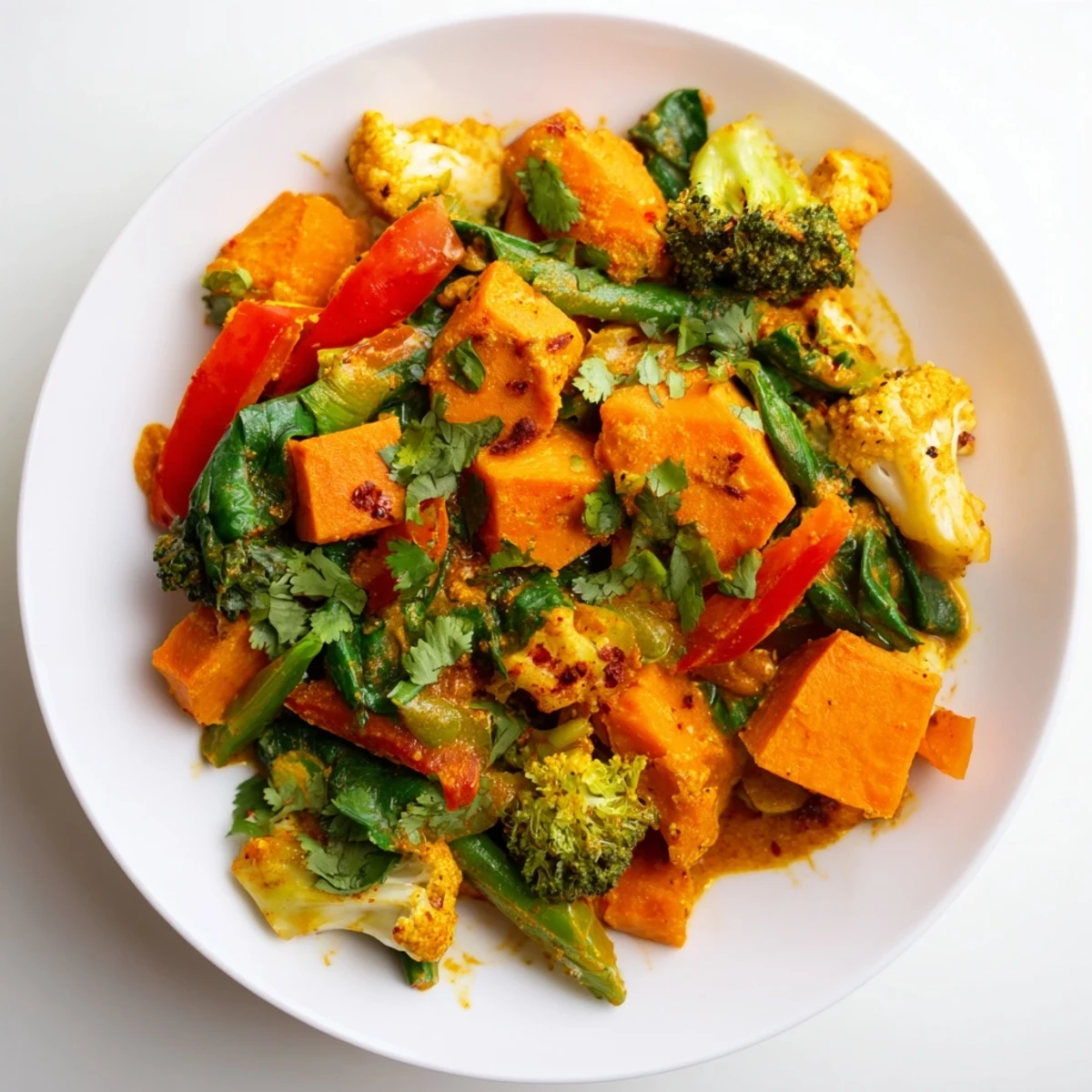
Save This warming curry combines sweet potato, carrots, bell pepper, broccoli, cauliflower, and spinach with a blend of aromatic spices like curry powder, cumin, and turmeric. Light coconut milk and vegetable broth create a comforting base, enhanced by fresh ginger, garlic, and a splash of lemon juice. Simmered until tender and garnished with cilantro, this low-fat, vegan, and gluten-free dish offers both vibrant flavors and wholesome nourishment, ideal for colder months.
I started making this curry on a gray Sunday afternoon when I felt a cold coming on and wanted something warm that wouldnt weigh me down. The kitchen filled with turmeric and ginger steam, and by the time I sat down with a bowl, I felt lighter. It became my winter reset meal, the one I turn to when I need comfort without heaviness.
I remember ladling this into mismatched bowls for friends who came over after a long hike, their cheeks still pink from the cold. Nobody expected a low fat curry to taste this rich, but the coconut milk and spices did all the work. We ended up sitting at the table longer than planned, scraping our bowls and talking until the light faded.
Ingredients
- Sweet potato: It breaks down just enough to thicken the sauce naturally, and its sweetness balances the heat from the spices.
- Carrots: Slice them thin so they cook evenly with the other vegetables and soak up all that golden broth.
- Red bell pepper: Adds a pop of color and a slight sweetness that mellows out the curry powder.
- Broccoli: I learned to add it halfway through so it stays bright green and just tender, not mushy.
- Cauliflower florets: They absorb the spices beautifully and give the curry a hearty texture without any heaviness.
- Baby spinach leaves: Stir these in at the very end so they wilt but keep their vibrant color and fresh flavor.
- Onion: The base of everything, it turns soft and sweet as it cooks and holds all the spices together.
- Garlic: Fresh garlic makes all the difference, it blooms in the heat and fills the kitchen with warmth.
- Fresh ginger: Grate it fine so it melts into the sauce and gives that bright, zingy undertone.
- Curry powder: This is where the magic starts, use a good quality blend and let it toast for a minute to release its oils.
- Ground cumin: It adds an earthy depth that makes the curry feel grounded and comforting.
- Ground turmeric: The golden color and subtle bitterness balance the sweetness of the vegetables perfectly.
- Ground cinnamon: Just a pinch warms everything up and adds a hint of sweetness you cant quite name.
- Chili flakes: Optional, but I always add a little for a gentle heat that builds as you eat.
- Light coconut milk: It creates a creamy sauce without any of the guilt, and still tastes rich and satisfying.
- Low sodium vegetable broth: This keeps the curry light but flavorful, and you control the salt level yourself.
- Lemon juice: A squeeze at the end brightens everything and cuts through the richness beautifully.
- Fresh cilantro: The final touch, it adds a fresh herbal note that makes each bite feel complete.
Instructions
- Start with aromatics:
- Heat your pot over medium heat and add the onion, garlic, and ginger, letting them soften and perfume the air for about four minutes. If they start to stick, just add a splash of water instead of oil.
- Bloom the spices:
- Stir in the curry powder, cumin, turmeric, cinnamon, and chili flakes, and let them sizzle for a full minute until your kitchen smells like a spice market. This step unlocks all the flavor.
- Add the vegetables:
- Toss in the sweet potato, carrots, bell pepper, broccoli, and cauliflower, stirring well so every piece gets coated in those toasted spices. It will look crowded but trust the process.
- Simmer until tender:
- Pour in the coconut milk and vegetable broth, bring it to a gentle boil, then lower the heat and let it bubble softly for twenty to twenty five minutes. The vegetables should be tender but not falling apart.
- Finish with greens:
- Stir in the spinach and lemon juice, and cook just until the leaves wilt into the sauce. Taste it now and adjust the salt and pepper to your liking.
- Serve warm:
- Ladle the curry into bowls and scatter fresh cilantro on top. Serve it hot, maybe with brown rice or quinoa on the side.
 Save
Save One evening I made this for my sister when she was recovering from a winter bug, and she said it tasted like being taken care of. I think its the combination of warmth, color, and just enough spice to clear your head. Since then, its been my go to whenever someone needs a little comfort in a bowl.
Make It Your Own
I have swapped in butternut squash when I had no sweet potato, and added chickpeas straight from the can for extra protein. Some nights I use whatever vegetables are wilting in the crisper drawer, and it always works. The spices are forgiving, and the coconut milk ties it all together no matter what you throw in.
Storing and Reheating
This curry tastes even better the next day after the flavors have had time to meld. I store it in airtight containers in the fridge for up to four days, and reheat it gently on the stove with a splash of broth to loosen it up. It also freezes well for up to two months, just thaw it overnight and warm it slowly.
Serving Suggestions
I love this over a scoop of fluffy brown rice or quinoa, but sometimes I just eat it straight from the bowl with a piece of warm naan on the side. A dollop of plain yogurt on top adds creaminess, and a handful of toasted cashews gives it a little crunch.
- Pair it with steamed basmati rice for a classic presentation.
- Serve alongside warm whole wheat flatbread or roti for scooping.
- Top with a handful of fresh herbs or a drizzle of chili oil if you want extra heat.
 Save
Save This curry has become my winter ritual, the one that warms me from the inside out without any guilt. I hope it becomes that for you too.
Recipe FAQs
- → What vegetables are featured in this dish?
-
Sweet potato, carrots, red bell pepper, broccoli, cauliflower, and baby spinach are used to create a vibrant vegetable medley.
- → Which spices enhance the flavor profile?
-
Aromatic spices including curry powder, cumin, turmeric, cinnamon, and optional chili flakes add warmth and complexity.
- → Can this dish accommodate dietary restrictions?
-
Yes, it's naturally low fat, vegan, gluten-free, and dairy-free, making it suitable for various dietary needs.
- → What liquids are used for cooking?
-
Light coconut milk and low-sodium vegetable broth combine to create a rich, creamy base without excess fat.
- → How can I increase the protein content?
-
Stirring in drained chickpeas with the vegetables adds a satisfying protein boost while maintaining the dish’s flavor.
- → What garnishes complement the dish?
-
Fresh cilantro chopped on top adds brightness and a fresh herbal note to finish the dish.