
 Save
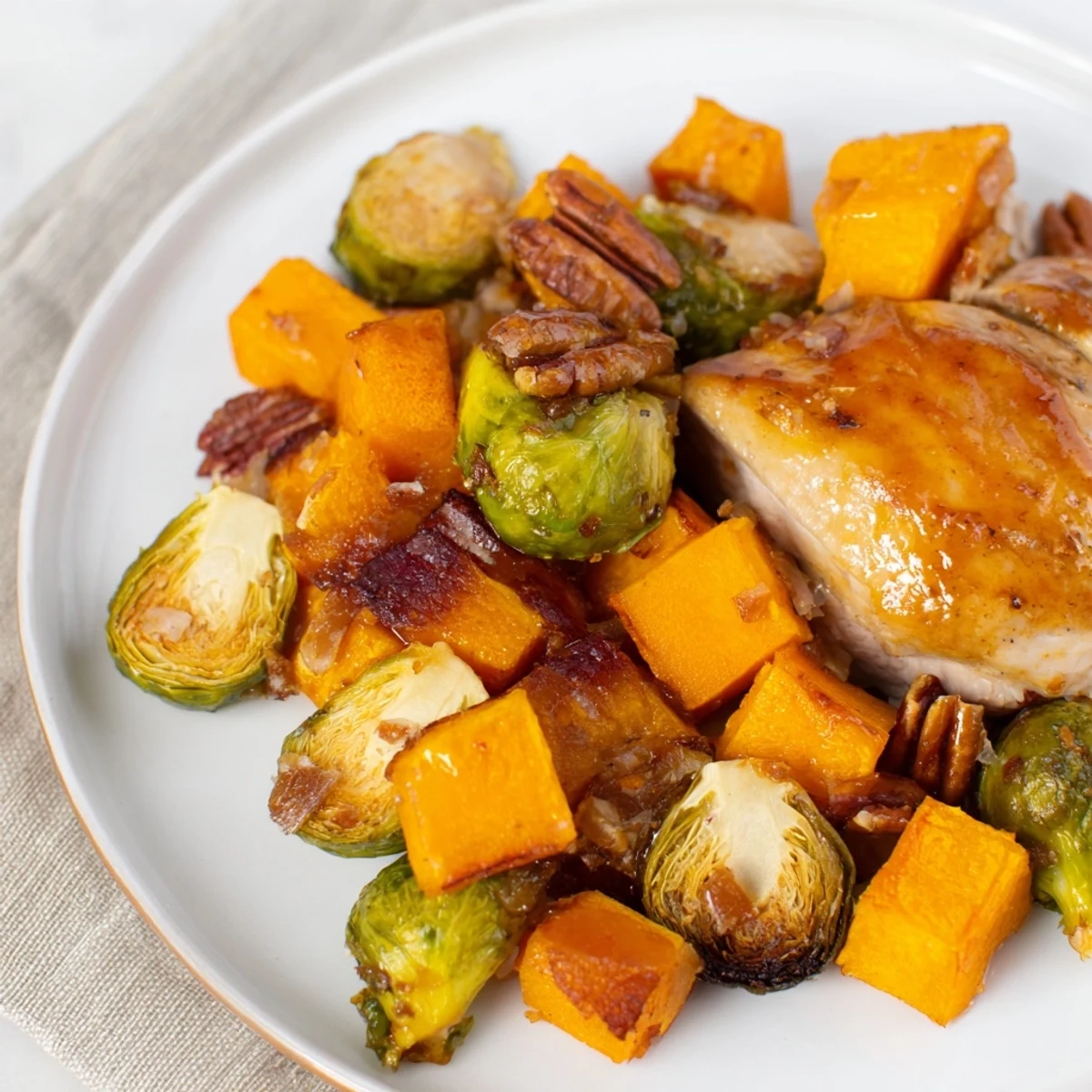
Save Discover a winter harvest roast that combines low-fat ingredients with robust, seasonal flavors. This dish highlights fresh vegetables and lean cuts, creating a wholesome meal perfect for cooler months. Its simple preparation emphasizes natural tastes and healthy choices, making it ideal for those seeking comfort without excess fat. Enjoy a warming plate that embraces the bounty of the season with lightness and heartiness.
I discovered this recipe during a particularly gray January when my farmers market haul seemed to mock me with root vegetables and nothing much else. Standing in my kitchen with a bunch of rainbow carrots, some fingerling potatoes, and a head of cauliflower, I decided to stop fighting winter and start celebrating it. The result was this stunning low-fat roast that somehow made those humble vegetables taste like the main event. It became the dish I now reach for whenever I want to feel nourished without the heaviness, a recipe that proved you don't need cream or oil to create something genuinely craveable.
I'll never forget the day my sister came over expecting a diet meal and instead found herself eating seconds. She looked genuinely shocked that something this satisfying came from just vegetables and spices. That's when I knew this recipe had crossed over from weeknight necessity to something I'd be making for celebrations.
Ingredients
- Rainbow carrots: About 1 pound cut into 2-inch pieces on the bias so they caramelize beautifully at the edges. The bias cut isn't just fancy, it actually creates more surface area for those crispy bits you'll keep sneaking off the pan.
- Fingerling potatoes: 1 pound left whole or halved if very large. Their waxy texture holds up to roasting without getting mushy like regular potatoes do.
- Cauliflower florets: 1 small head broken into generous bite-sized pieces. They'll shrink a bit, so don't make them too small.
- Red onion: 1 large one cut into thick wedges. Red onions are sweeter when roasted than yellow ones, a detail that actually matters here.
- Low-sodium vegetable broth: 1 cup for braising everything together and creating a light pan sauce without adding fat.
- Garlic: 6 cloves minced. Fresh garlic is essential here because you're relying on it for serious flavor.
- Dried herbs: 1 teaspoon each of thyme and oregano. Dried herbs actually work better than fresh in roasting because they concentrate.
- Smoked paprika: 1 teaspoon for depth and that hint of smoke that makes people ask what your secret ingredient is.
- Kosher salt: 1 teaspoon, adjusted to taste at the end.
- Black pepper: ½ teaspoon freshly cracked. The fresh crack matters when you're not using fat to carry flavors.
- Fresh lemon juice: 2 tablespoons added at the very end for brightness.
- Cooking spray or 1 teaspoon oil: Just enough to prevent sticking, applied to your pan or directly to vegetables.
Instructions
- Preheat and prep:
- Get your oven to 425°F. While it heats, lay out all your vegetables on a cutting board. There's something meditative about this step, and you want everything uniform-ish in size so it roasts evenly. Toss the cut vegetables into a large bowl as you go.
- Season boldly:
- Pour the vegetable broth into your bowl with the vegetables, then add the minced garlic, thyme, oregano, smoked paprika, salt, and pepper. Toss everything together until every piece looks like it's wearing a light seasoning coat. Don't be shy here. Give it a good 2-3 minutes of tossing so the flavors start to mingle even before the heat.
- Arrange on the pan:
- Lightly spray a large roasting pan with cooking spray or brush with just a touch of oil. Spread your vegetables in a single layer, trying to get most of the potatoes and carrots cut-side down. They need to touch the hot pan to develop that caramelization. Pour any remaining broth from the bottom of the bowl over everything.
- Roast with intention:
- Place the pan in your preheated oven for 35-40 minutes. After about 20 minutes, open the oven and give everything a good stir. You're not looking for perfect browning, but rather patches of deep golden color. The vegetables should be fork-tender when done, but the edges should still have some resistance.
- Finish with brightness:
- Pull the pan out, drizzle the lemon juice over everything, and do one final toss. Taste a piece and add more salt if needed. That lemon juice is crucial because it wakes up all those roasted flavors and makes you feel like you've done something special.
 Save
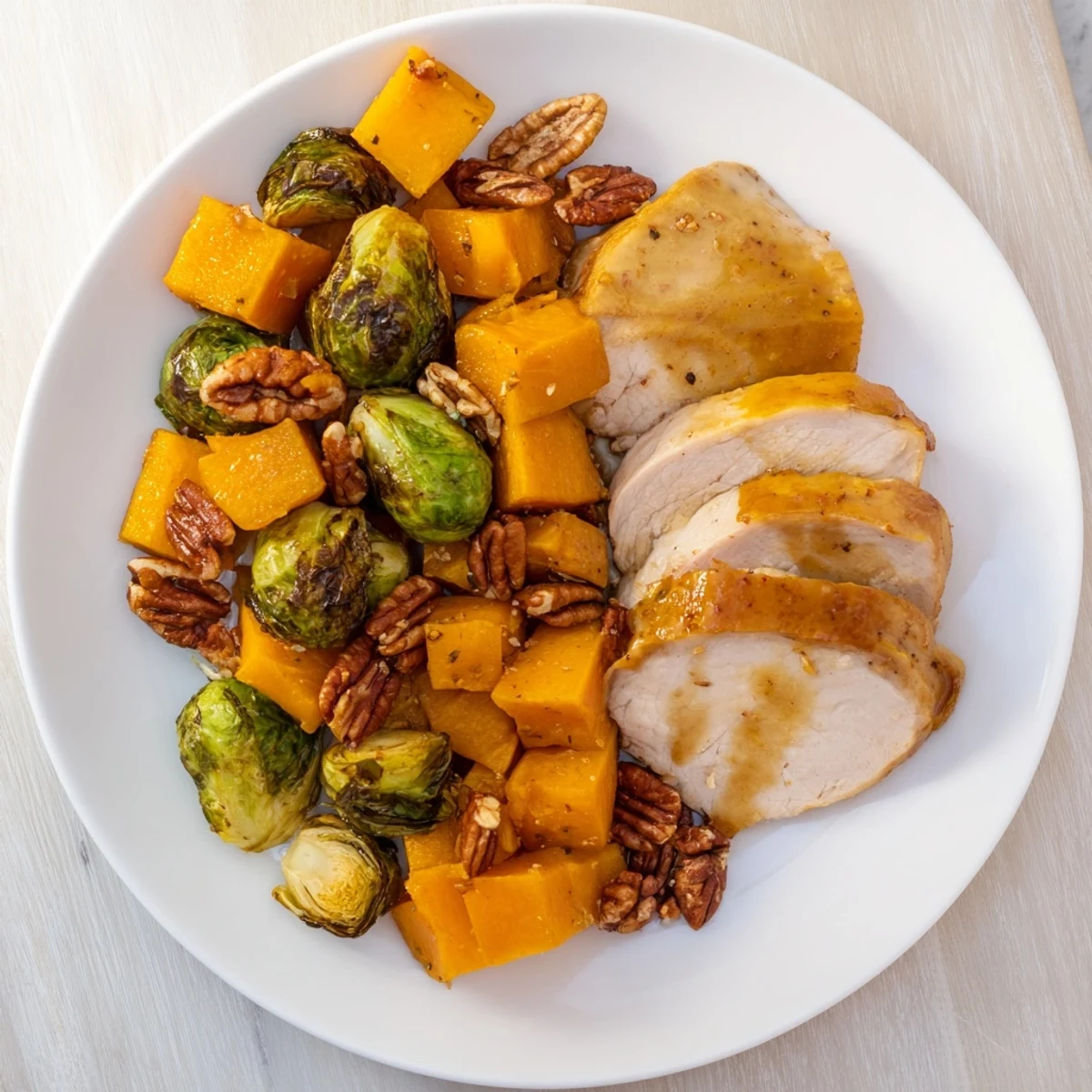
Save There's a moment when you pull this from the oven and the kitchen fills with that roasted vegetable aroma mixed with smoked paprika that makes you feel genuinely proud of yourself. It's simple food, but it tastes like you've mastered something. That's the feeling I chase every time I make this.
Why This Recipe Changed My Cooking
For years I thought eating light meant eating boring. This recipe proved me completely wrong. High-heat roasting at 425°F creates complexity through pure chemistry. The Maillard reaction happening on those vegetable edges develops flavors that no cream sauce could improve. Once I understood that roasting doesn't require fat to be delicious, my entire approach to low-fat cooking shifted.
Serving and Timing
This dish is best served hot or warm, within 30 minutes of coming out of the oven. The vegetables stay tender but begin losing that crispy edge as they cool. You can make it ahead and reheat it gently in a 300°F oven for about 10 minutes if needed, but avoid the microwave which will make everything steamy.
Variations You Should Try
Winter vegetables are your canvas here. Parsnips add an earthy sweetness, Brussels sprouts get incredible when roasted, and beets will turn everything pink but taste spectacular. The technique stays the same whether you're using root vegetables or hardy greens. The real flexibility is in the seasonings, which brings me to my final tips.
- Swap the Mediterranean herbs for cumin and cinnamon if you want a Moroccan direction, using the same proportions.
- Fresh rosemary is wonderful if you have it, using just a few sprigs instead of dried herbs, but add it toward the end so it doesn't burn.
- Try lime juice instead of lemon for a completely different brightness that works with roasted vegetables just as well.
 Save
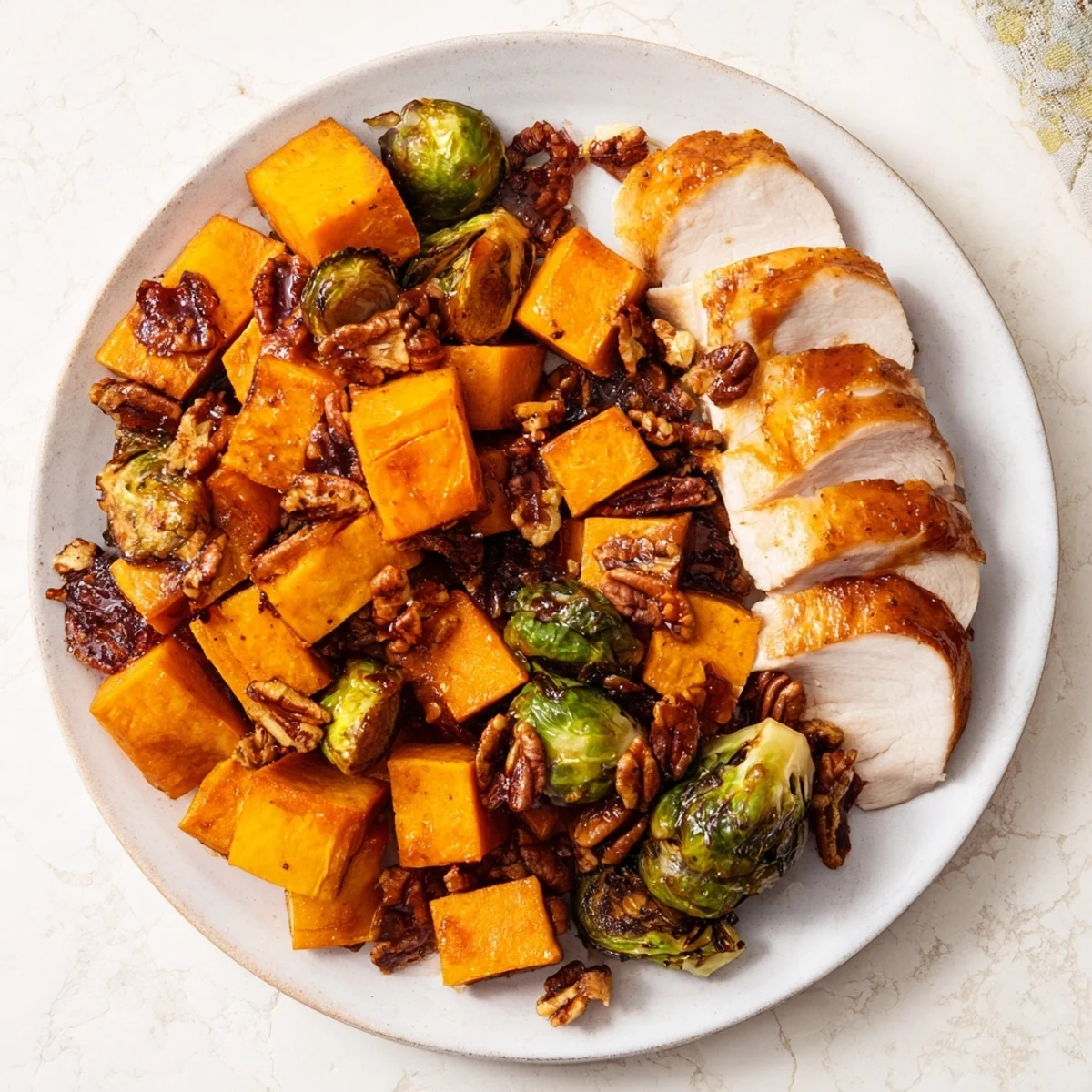
Save This recipe taught me that eating well doesn't require sacrifice, just intention. Every time I make it, I'm reminded that simple ingredients treated with respect become something remarkable.
Recipe FAQs
- → What vegetables complement this winter roast?
-
Root vegetables like carrots, parsnips, and turnips complement the roast, adding sweetness and depth.
- → How can I keep the roast tender and moist?
-
Slow roasting at moderate temperatures and basting occasionally helps retain juiciness.
- → Which low-fat protein options work best here?
-
Lean cuts such as turkey breast or pork loin provide tender textures without excess fat.
- → Can I prepare this roast ahead of time?
-
Yes, preparing the vegetables and marinating the meat a day before enhances flavor.
- → What herbs enhance the winter flavors?
-
Rosemary, thyme, and sage bring aromatic notes that complement the seasonal ingredients.