
 Save
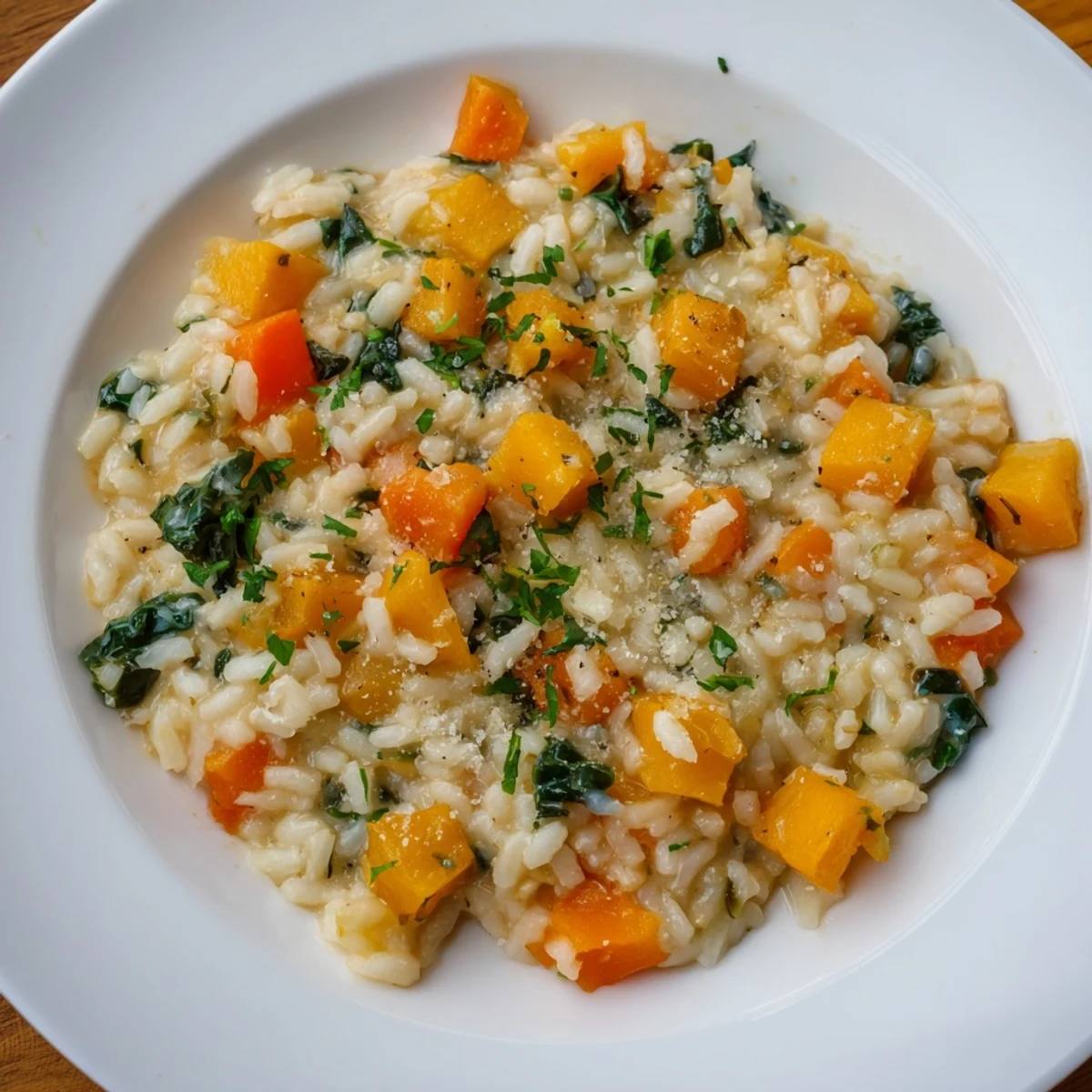
Save This comforting dish highlights a creamy blend of seasonal winter vegetables like butternut squash, carrots, parsnips, and kale. Cooked with arborio grains and infused with white wine and aromatic herbs, it offers a satisfying texture while keeping fat content low. Parmesan or nutritional yeast adds a finishing touch, making it a light yet rich option perfect for chilly days.
I still remember the first time I made this Winter Harvest Low Fat Risotto during a chilly evening when I craved something comforting yet light. Discovering how seasonal vegetables could shine in a creamy, low-fat dish felt like finding a cozy secret hidden in my kitchen.
One evening, unexpected guests arrived just as I was finishing the risotto, and seeing their delighted faces made the recipe feel even more special—like the dish was sharing itself happily with more friends at the table.
Ingredients
- Arborio rice: I always choose quality arborio for that creamy texture you crave in risotto, and rinse it lightly to keep it from sticking.
- Butternut squash: Its natural sweetness balances the savory veggies perfectly; peeling and cutting it into even pieces helps it cook evenly.
- Carrots and parsnips: These add subtle earthiness and texture, and I like to chop them finely to meld well with the rice.
- Kale: Tough stems give bitterness, so removing them keeps the risotto smooth and tender.
- Vegetable broth: Using low-sodium allows control over the salt, and keeping it warm means your risotto won’t stall during cooking.
- White wine: Adds a bright acidity; if you prefer not to use alcohol, substitute with extra broth and a splash of lemon juice.
- Parmesan cheese or nutritional yeast: Parmesan boosts richness, but nutritional yeast makes this vegan and still savory.
- Fresh parsley and olive oil: Finishing touches that add freshness and a gentle sheen.
Instructions
- Get Everything Ready:
- Have all your vegetables chopped and broth warm. The kitchen starts to smell faintly sweet and herbal, making the next steps even more inviting.
- Sauté the Base:
- Warm olive oil gently softens the onion until translucent, followed by garlic that perfumes the air, setting a flavorful stage.
- Build the Veggies:
- Add butternut squash, carrots, and parsnips to the pan, letting them sauté until they start to caramelize slightly, filling your kitchen with cozy earthiness.
- Toast the Rice:
- Stir in arborio rice, coating each grain. The sound changes to a soft sizzle, and the rice edges start turning translucent—this step is key to texture.
- Wine Time:
- Pour in dry white wine, stirring constantly as it bubbles away and is nearly all absorbed, releasing a bright aroma that lifts the dish.
- Broth By Broth:
- Slowly add warm vegetable broth in half-cup additions, stirring frequently. The risotto slowly thickens and becomes luscious; patience here brings perfect creaminess.
- Final Flavor Boost:
- After 15 minutes, stir in kale and herbs. The kale wilts softly, while thyme and sage release their comforting fragrances.
- Finishing Touches:
- Once the rice is just tender but still with bite, remove from heat and fold in Parmesan or nutritional yeast. Adjust salt and pepper to balance everything perfectly.
- Serve and Enjoy:
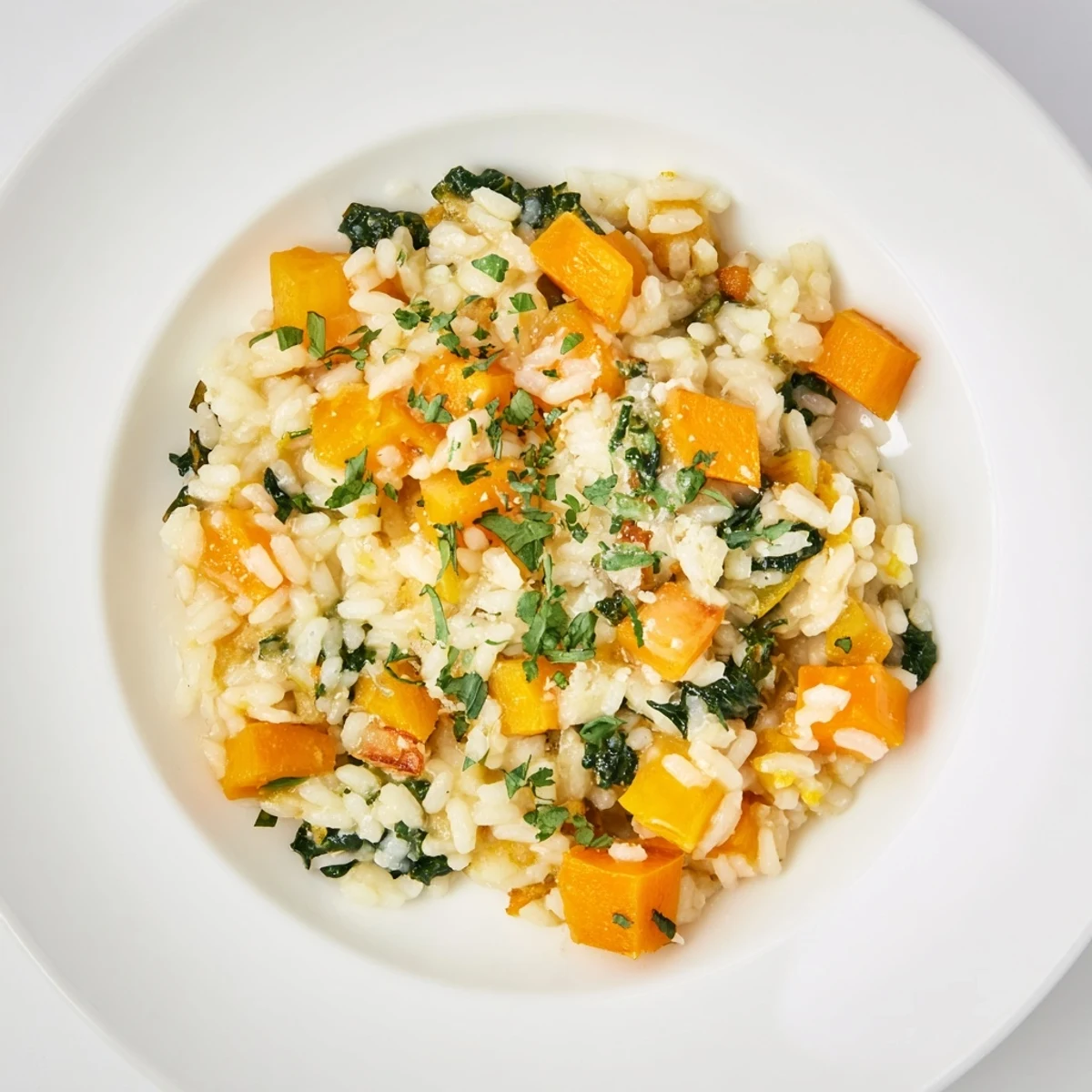
- Dish it out immediately, garnishing with fresh parsley that adds vibrant color and a hint of freshness to the warm richness.
 Save
Save This risotto became more than dinner when it warmed a small family gathering during a snowstorm, turning a simple meal into a memory we all cherish and still talk about years later.
Keeping It Fresh
I find that fresh parsley sprinkled on top just before serving adds a brightness that elevates the dish, while leftover risotto reheats well gently on the stove with a splash of broth to bring it back to life.
Adapting Through the Seasons
While this risotto shines with winter vegetables, I’ve swapped in asparagus and peas come spring with great success. The technique stays the same, making it a year-round favorite.
Serving Ideas That Clicked
This dish pairs beautifully with a crisp salad or crusty bread to round out the meal without overshadowing the risotto’s delicate flavors.
- Always have extra broth warmed in case the rice needs a little more moisture at the end.
- Don’t forget to taste as you go—adjust salt and pepper gradually for best results.
- Leftovers make a great base for a quick vegetable soup; just add broth and simmer.
 Save
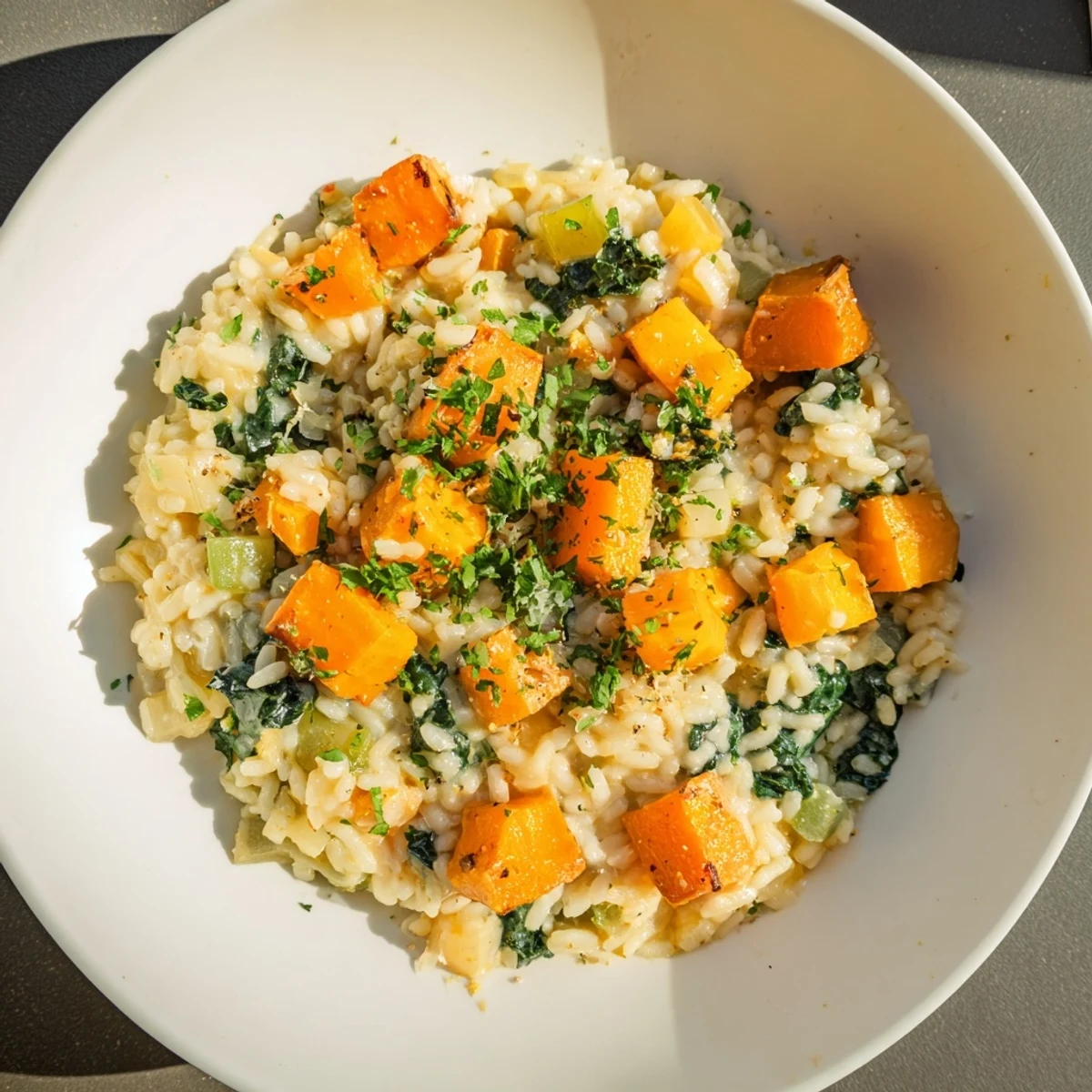
Save Thanks for sharing this kitchen moment with me—may your risotto always be creamy and your gatherings full of warmth.
Recipe FAQs
- → What vegetables are best for this dish?
-
Seasonal winter vegetables such as butternut squash, carrots, parsnips, and kale work beautifully, contributing sweetness and earthiness.
- → Can I make this without dairy?
-
Yes, omit the Parmesan and use nutritional yeast as a savory alternative to keep it dairy-free.
- → Is this dish gluten-free?
-
It can be gluten-free if you use gluten-free vegetable broth and avoid additives containing gluten.
- → How do you achieve a creamy texture with low fat?
-
Slow absorption of warm broth by arborio grains and gentle stirring creates creaminess without needing much fat.
- → What pairs well as a beverage?
-
A crisp white wine like Pinot Grigio complements the flavors and balances the richness.