
 Save
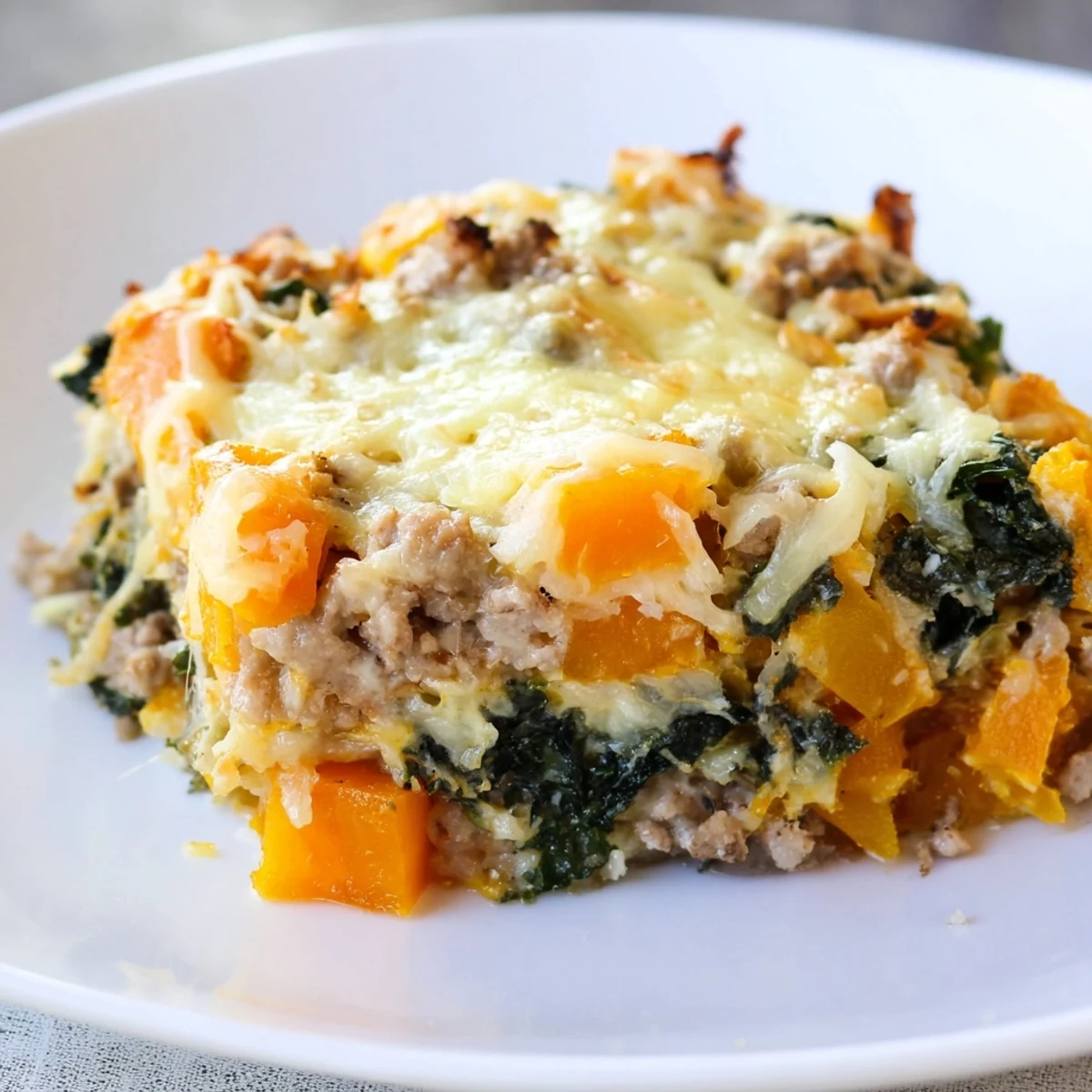
Save This hearty casserole combines winter vegetables like cauliflower, kale, butternut squash, and mushrooms with lean ground turkey. The mixture is enriched with cream and a blend of Gruyère, mozzarella, and Parmesan cheeses, then baked until golden and bubbly. Aromatic herbs such as thyme and a touch of nutmeg add warmth and depth. Perfect for a cozy, low-carb dinner that celebrates seasonal produce and rich flavors.
There's something about November that makes me crave dishes that feel both warming and light. I was standing in my kitchen on a chilly afternoon, staring at a bunch of kale and some ground turkey, when it hit me—why not layer them into something golden and cheesy that wouldn't leave me feeling sluggish? That's how this casserole came to be, and it's become my go-to when I want something substantial but not heavy.
I made this for my partner on a Sunday when we'd both had long weeks, and watching them take that first bite and just go quiet told me everything I needed to know. The kitchen smelled like toasted cheese and thyme, and for those twenty minutes we ate together without checking our phones once.
Ingredients
- Cauliflower florets (2 cups): They'll soften without getting mushy if you don't overcook them in the skillet, and they soak up all the cream beautifully.
- Chopped kale (2 cups): Remove the tough stems first—your teeth will thank you, and the leaves will cook down into something tender and sweet.
- Butternut squash (1 cup diced): This is your sweetness, your hint of autumn, and it caramelizes slightly where it touches the hot pan.
- Leek (1 medium, sliced): Slice it thin and use both white and light green parts for a subtle onion-like sweetness without the bite.
- Cremini mushrooms (1 cup sliced): They release their moisture and become almost creamy as they cook down.
- Garlic (2 cloves minced): Don't skip the mincing—small pieces distribute their flavor more evenly than chunks.
- Lean ground turkey (400 g): It's mild enough to let other flavors shine, and it browns quickly without releasing excess fat.
- Heavy cream (120 ml): The backbone of your sauce; don't use half-and-half or it might separate during baking.
- Gruyère cheese (100 g shredded): It melts smoothly and adds a subtle nuttiness that makes people ask what your secret ingredient is.
- Mozzarella cheese (60 g shredded): This is your melter, keeping things creamy while Gruyère provides depth.
- Parmesan cheese (2 tbsp grated): Sprinkle it on top for that extra sharp note and a little color contrast.
- Olive oil (2 tbsp): Use something you actually like tasting, not the cheapest bottle on the shelf.
- Dried thyme (1 tsp): It bridges the gap between autumn and comfort food without overwhelming anything else.
- Ground nutmeg (½ tsp): A whisper is all you need; too much makes it taste medicinal instead of warm.
- Salt and freshly ground black pepper (¾ tsp and ½ tsp): Taste as you go—the cheese will add saltiness too, so you might not need all of it.
Instructions
- Get your oven ready:
- Heat it to 190°C (375°F) and grease your baking dish with a little butter or oil. A cold dish will shock the casserole, so give the oven time to fully preheat.
- Start the aromatics:
- Pour olive oil into a large skillet over medium heat and let it shimmer for a moment. Add your sliced leeks, mushrooms, and minced garlic, stirring occasionally until they're soft and fragrant—about three minutes, and you'll know it's time when the kitchen smells undeniably good.
- Brown the turkey:
- Crumble the ground turkey into the skillet, breaking it apart with a wooden spoon as it cooks. It should lose all its pink in about five minutes; don't rush it, and don't press on it—let the heat do the work.
- Add the winter vegetables:
- Stir in your cauliflower, butternut squash, and kale, making sure everything gets coated in that oil and turkey mixture. Cook for four to five minutes, stirring often, until the kale starts to wilt and the squash begins to soften at the edges.
- Season and cream:
- Sprinkle in the thyme, nutmeg, salt, and pepper, then pour the heavy cream over everything. Add half of your Gruyère and mozzarella, stirring until the cheese melts and creates a silky sauce, then pull the skillet off the heat.
- Transfer to the baking dish:
- Pour the entire mixture into your prepared dish, spreading it evenly. Top with the remaining Gruyère, mozzarella, and all of the Parmesan, letting the cheeses nestle into the gaps.
- Bake until golden:
- Slide the dish into your oven for twenty-five minutes, until the top is bubbling at the edges and golden brown where the cheese has crisped up. You'll know it's done when you can't resist the smell anymore.
- Rest before serving:
- Let it sit for five minutes on the counter—this allows the cream to set slightly so it doesn't run all over the plate. Those five minutes of waiting feel impossible but they make all the difference.
 Save
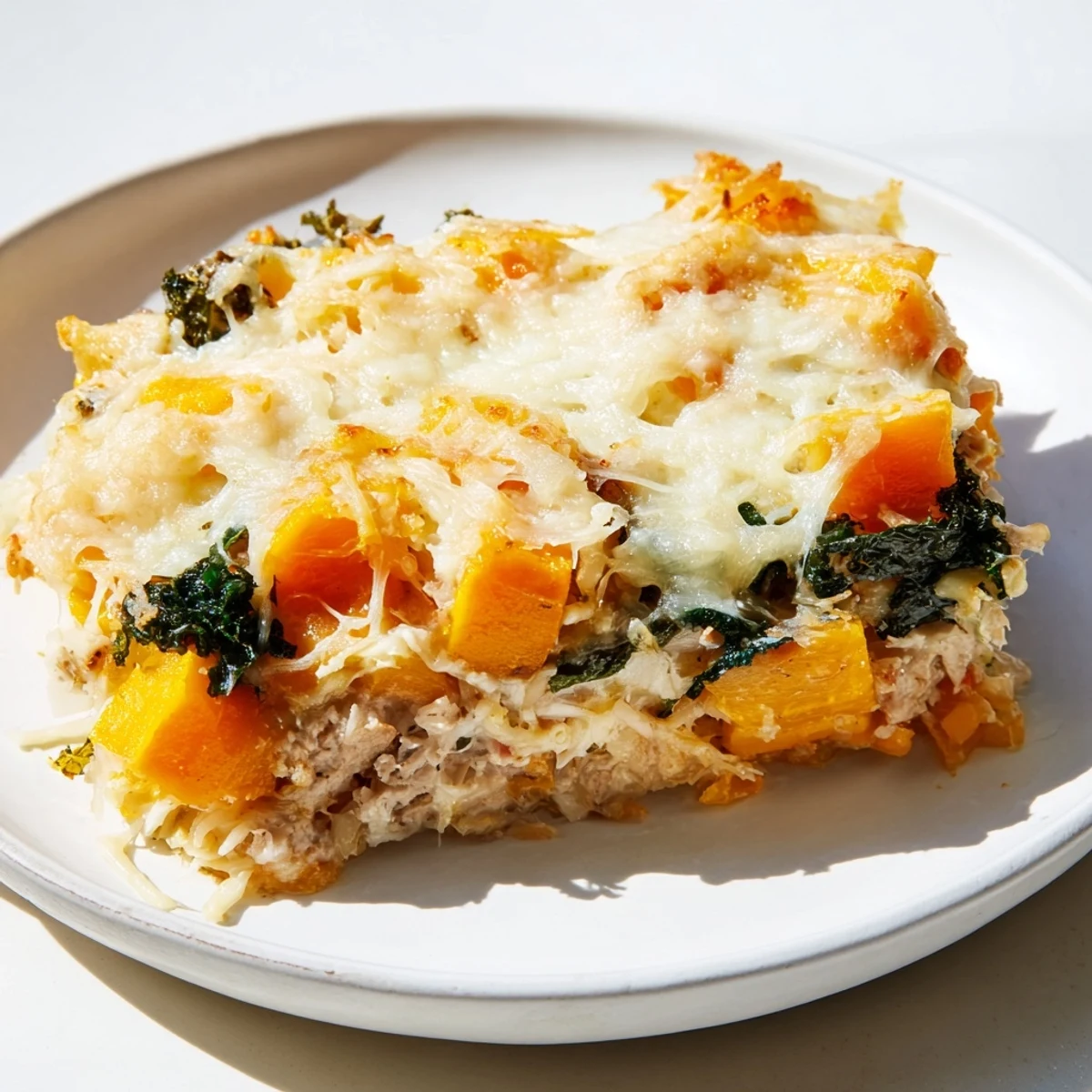
Save I've made this casserole maybe a dozen times now, and it's shifted from being just a low-carb dinner into the thing I make when I want to feed someone I care about without fuss. There's honesty in a dish like this—no pretense, just genuine comfort and vegetables you can actually taste.
Why Winter Vegetables Matter Here
Winter produce has a different character than summer vegetables—less water, more density, more natural sweetness as plants concentrate their sugars before frost. Butternut squash in November tastes different than butternut squash in June, and kale actually gets sweeter after a cold snap. Building a casserole around what's in season means you're working with ingredients at their peak, not fighting against them. The cauliflower, leek, and mushrooms all have that earthy, substantial quality that makes sense when you're sitting at a table in darker months.
The Cheese Strategy
Using three cheeses sounds fancy, but it's actually practical. Gruyère gives you complex, slightly nutty flavor that makes people wonder what you did differently. Mozzarella melts smoothly and keeps everything creamy so you don't get a stiff, separated texture. Parmesan on top adds sharpness and helps create that golden, crispy surface layer that makes the whole dish feel more finished. If you could only use one cheese, pick Gruyère and don't look back—but if you have them all, they work together in a way that's worth the small effort.
Making It Your Own
This recipe is sturdy enough to improvise within. I've swapped ground chicken for turkey without changing anything else, and it's been equally good. I've left the meat out entirely and added an extra cup of mushrooms for depth and texture. Some nights I stir a teaspoon of Dijon mustard into the cream for brightness, or add a pinch of chili flakes if I want a subtle warmth that surprises you on the back of your tongue.
- Ground lamb would bring a richer, slightly gamey note if you ever want to experiment beyond poultry.
- A small handful of fresh sage chopped fine could replace the thyme if you have it on hand.
- This pairs beautifully with a crisp white wine like Sauvignon Blanc, or just simple sparkling water with lemon if wine isn't your thing.
 Save
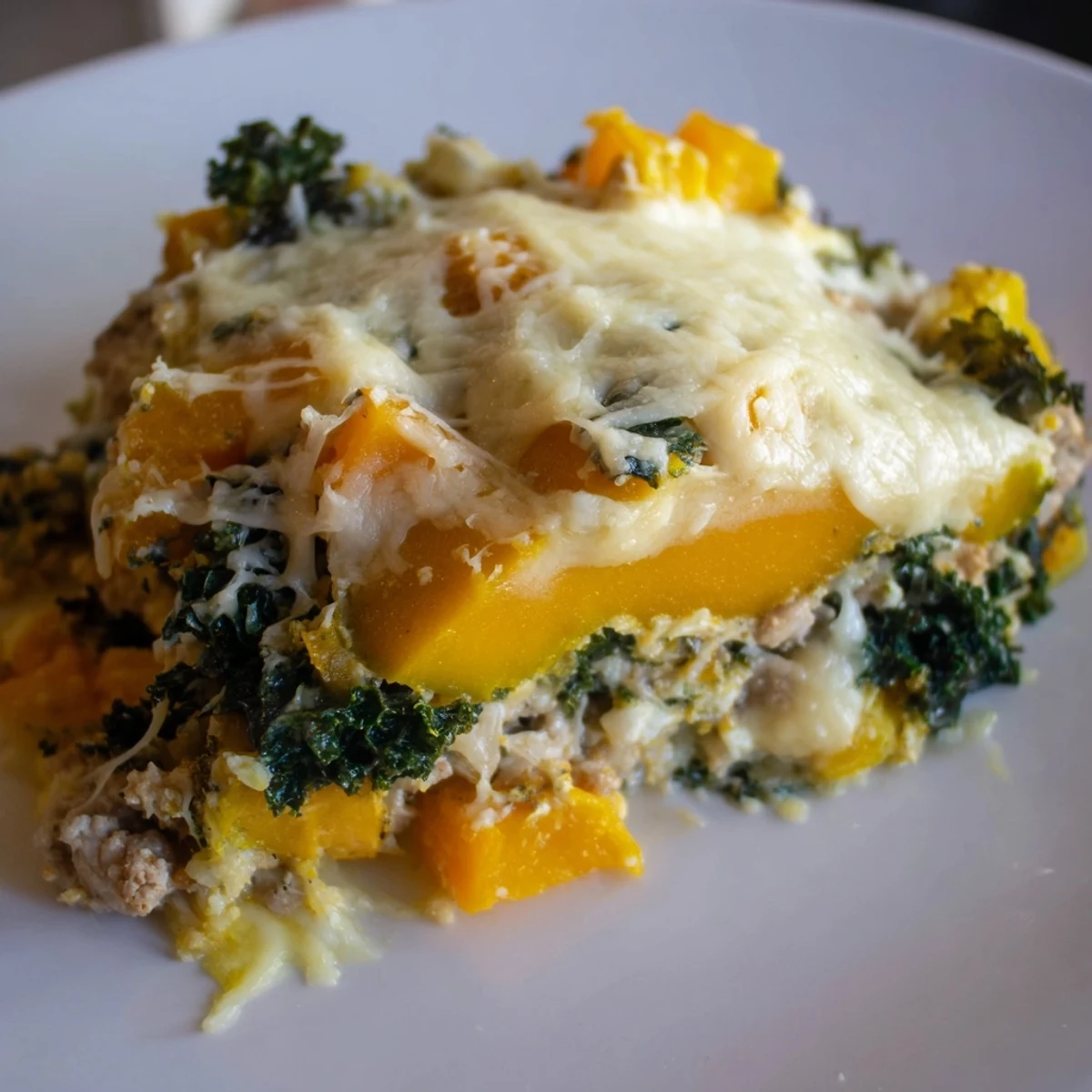
Save This casserole lives in that perfect space where eating well doesn't feel like a restriction—it feels like taking care of yourself with something genuinely delicious. Make it, feed it to people you like, and watch what happens.
Recipe FAQs
- → Can I substitute the turkey with another protein?
-
Yes, ground chicken works well as a substitute. For a vegetarian option, omit the meat and increase mushrooms and kale for added texture and flavor.
- → How do I know when the casserole is done baking?
-
Bake until the cheese topping is golden and bubbly, usually about 25 minutes at 190°C (375°F). Let it rest for 5 minutes before serving.
- → What herbs are used to flavor this dish?
-
Dried thyme and a hint of ground nutmeg provide subtle warmth and depth to the vegetable and turkey mixture.
- → Can I prepare this dish ahead of time?
-
Yes, you can assemble it in advance and refrigerate before baking. Bake just before serving to maintain the golden, bubbly topping.
- → What sides pair well with this casserole?
-
A crisp white wine like Sauvignon Blanc complements the rich flavors, and a light green salad can add freshness on the side.