
 Save
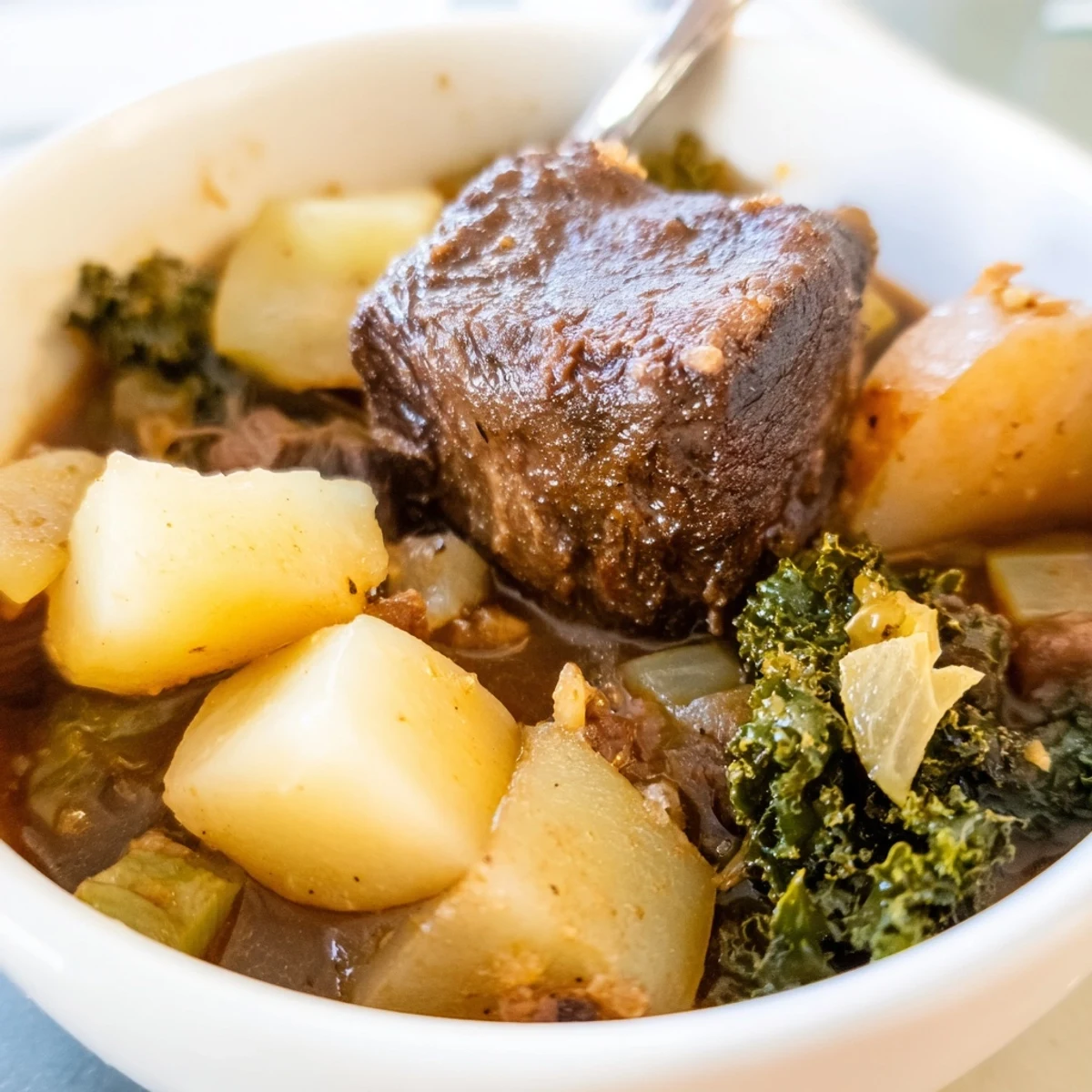
Save This winter stew combines tender beef with earthy winter vegetables like celery root, rutabaga, and kale. Slow-cooked in beef broth and enhanced with thyme and rosemary, it offers a rich, comforting dish low in carbohydrates. Perfect for chilly evenings, the mix of flavors and textures warms and nourishes without heaviness. The addition of tomato paste and aromatic herbs balance the savory notes, while simmering develops a hearty thickness. Versatile and gluten-free, it fits keto needs and can be varied by swapping beef for lamb or turkey.
There's something about watching beef turn golden brown in a pot that signals the beginning of something warm and nourishing. Years ago, I was determined to prove that keto cooking didn't mean sacrificing the kind of hearty stew that fills a kitchen with soul-warming aromas. This Winter Harvest Keto Stew became my answer—a dish that swaps out potatoes for celery root and rutabaga, proving that low-carb vegetables deserve their moment in the spotlight. Now it's the first thing I reach for when the season turns cold and I want comfort that aligns with how I actually eat.
I made this for my sister's family during a particularly brutal winter evening when nobody wanted to go back out into the cold. Watching her kids actually ask for seconds of a vegetable-forward stew felt like a small victory, and her husband kept praising how tender the beef was. That night taught me that if you get the fundamentals right—good beef, proper browning, patient simmering—people forget they're eating "keto" and just enjoy dinner.
Ingredients
- Beef chuck (1.2 lbs): The fattier cut is essential here—it breaks down into silky tenderness during the long braise and gives the broth a luxurious mouthfeel that lean beef never achieves.
- Celery root, turnip, and rutabaga (1 cup each): These are your keto vegetables, each bringing different subtle flavors—celery root adds earthiness, turnip brings mild sweetness, and rutabaga gives body to the broth.
- Cauliflower florets (1 cup): Added near the end so they stay tender without dissolving into mush, they absorb all the savory broth flavors beautifully.
- Leek (1 medium): More refined than onion and less likely to overpower, leek provides gentle sweetness and aroma when sautéed first.
- Garlic (2 cloves): Minced fine and added early, it perfumes the entire pot without becoming bitter.
- Kale (1 cup): Chopped and stirred in at the very end, it stays vibrant and nutritious rather than turning gray from the long cook.
- Beef broth (4 cups): Use unsalted so you control the final seasoning—homemade broth makes a noticeable difference in depth.
- Tomato paste (2 tbsp): A small amount adds umami and natural acidity without enough carbs to derail your macros.
- Olive oil (2 tbsp): High heat can damage it slightly, but the amount you're using and the short browning time keep it safe.
- Thyme and rosemary (1 tsp each): Dried herbs work well here because the long cooking time lets them fully hydrate and infuse—fresh herbs would turn dark and bitter.
- Bay leaf (1): Always remove it before serving, but don't skip it—one bay leaf seasons gently what five cloves of garlic would assault.
- Salt and pepper: Add gradually throughout cooking; I find I need less salt than I expect because beef and broth concentrate as liquid reduces.
Instructions
- Sear the beef properly:
- Get your pot genuinely hot before the oil hits it—you should see a hint of smoke. When beef hits the surface, let it sit undisturbed for 2–3 minutes so a golden crust forms rather than the meat steaming. Brown all sides, working in batches if needed so you don't crowd the pot.
- Build the aromatics:
- Don't skip sautéing the leek and garlic first—those 2–3 minutes are when their flavors bloom and release into the oil, creating the foundation of your broth. You'll notice the smell shift from raw to toasted, and that's your signal to move forward.
- Toast the root vegetables:
- Sautéing celery root, turnip, and rutabaga for 4–5 minutes isn't just for texture—it lightly caramelizes their edges and develops sweetness that raw vegetables can't contribute. Stir occasionally so they color evenly.
- Combine and coat:
- When the beef returns to the pot with tomato paste and herbs, the paste should coat all the solids in a rich brown layer. This ensures even seasoning and helps everything marry during the long simmer.
- Simmer low and slow:
- The magic happens during that first hour of gentle simmering—the beef becomes fork-tender and the broth turns savory and deep. Resist the urge to boil; a bare simmer with the lid on is all you need, and it prevents the pot from drying out.
- Finish with fresh vegetables:
- Cauliflower and kale go in late because they need only 20–25 minutes to cook through. This timing keeps them tasting fresh and bright rather than mushy.
- Taste and adjust:
- Before serving, fish out the bay leaf and take a spoonful of broth to taste. Often you'll want a small pinch more salt or a crack of pepper to bring the whole pot into focus.
 Save
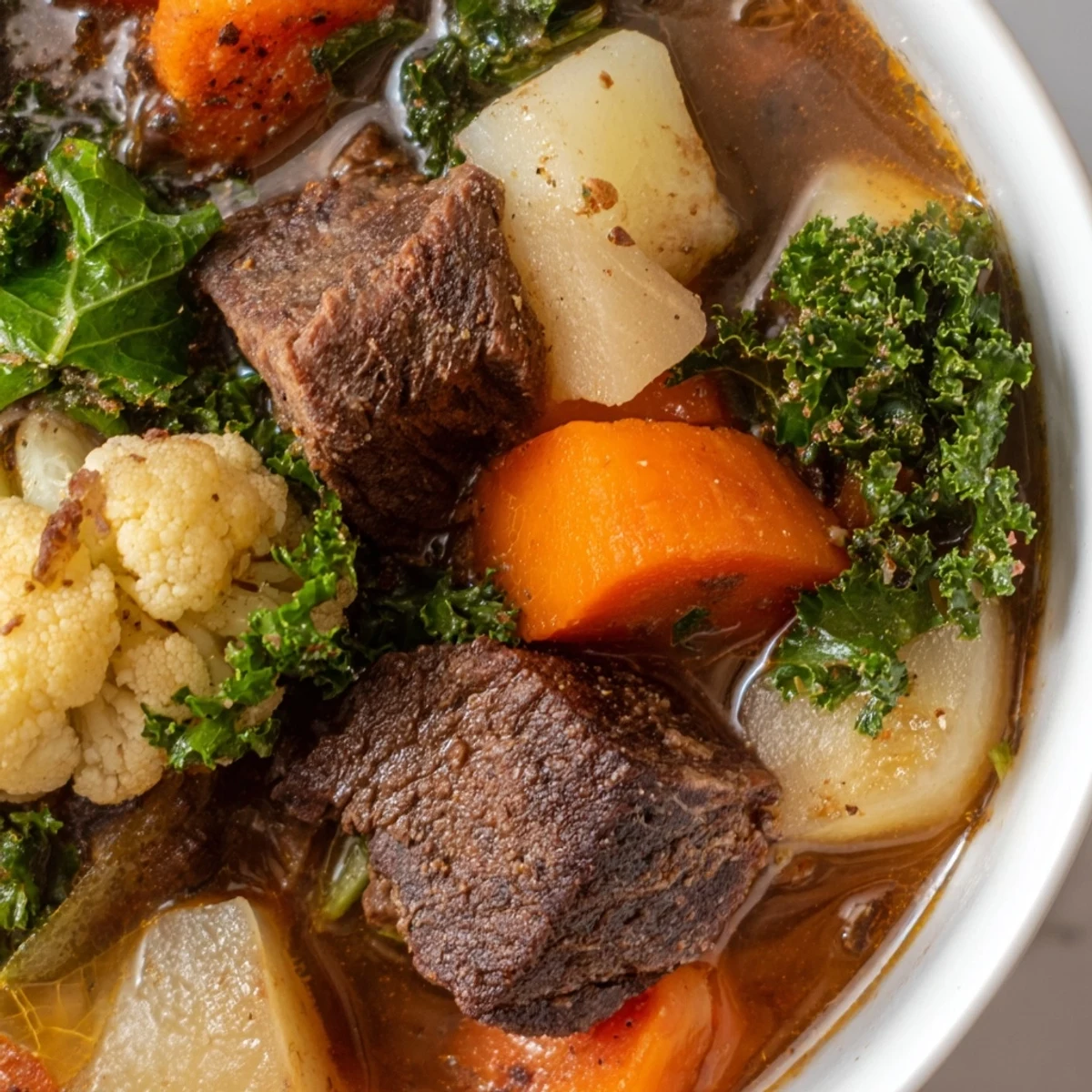
Save The first time someone asked if this was actually keto, I realized the recipe had done its job—nobody was thinking about macros or tracking carbs, they were just enjoying something that tasted honest and made them feel full and satisfied. That moment reminded me why I started cooking this way in the first place, and why this particular stew became a regular rotation in my winter cooking.
Why Root Vegetables Matter in Keto
When you cut out traditional starchy vegetables, root vegetables like celery root and rutabaga fill a real gap in texture and flavor without sending carbs through the roof. They have substance and body that purely leafy or cruciferous vegetables struggle to provide in a stew, and they caramelize during long cooking in ways that create actual depth rather than thinness. I learned this lesson the hard way with a few early keto stews that felt one-dimensional until I started playing with these underrated vegetables.
Sourcing and Prepping Vegetables
Finding celery root and rutabaga can be a hunt at smaller grocery stores, though most produce sections stock them in fall and winter—ask your produce person if they're out of stock, and they'll often order them for you. The peeling is the most tedious part of this recipe, so do it the day before if you're short on time, and store the prepped vegetables in water in the fridge. Once you've done it once or twice, the peeling becomes almost meditative, and you'll appreciate how these vegetables smell fresh and earthy when you cut into them.
Storage, Reheating, and Variations
This stew improves with time as flavors continue to meld, so it's perfect for making ahead and reheating gently on the stovetop when you're ready to eat. It keeps well in the fridge for four days and freezes beautifully for up to three months—portion it into containers while still warm so it cools evenly. Try swapping the beef for lamb (which pairs beautifully with thyme and rosemary) or turkey for a lighter version, and a small splash of dry red wine alongside the broth deepens everything without breaking keto.
- Freeze in individual portions so you always have a warming meal waiting on hard days.
- Serve with a dollop of sour cream or Greek yogurt for richness and brightness.
- Leftovers taste even better the next day when you reheat them slowly in a covered pot.
 Save
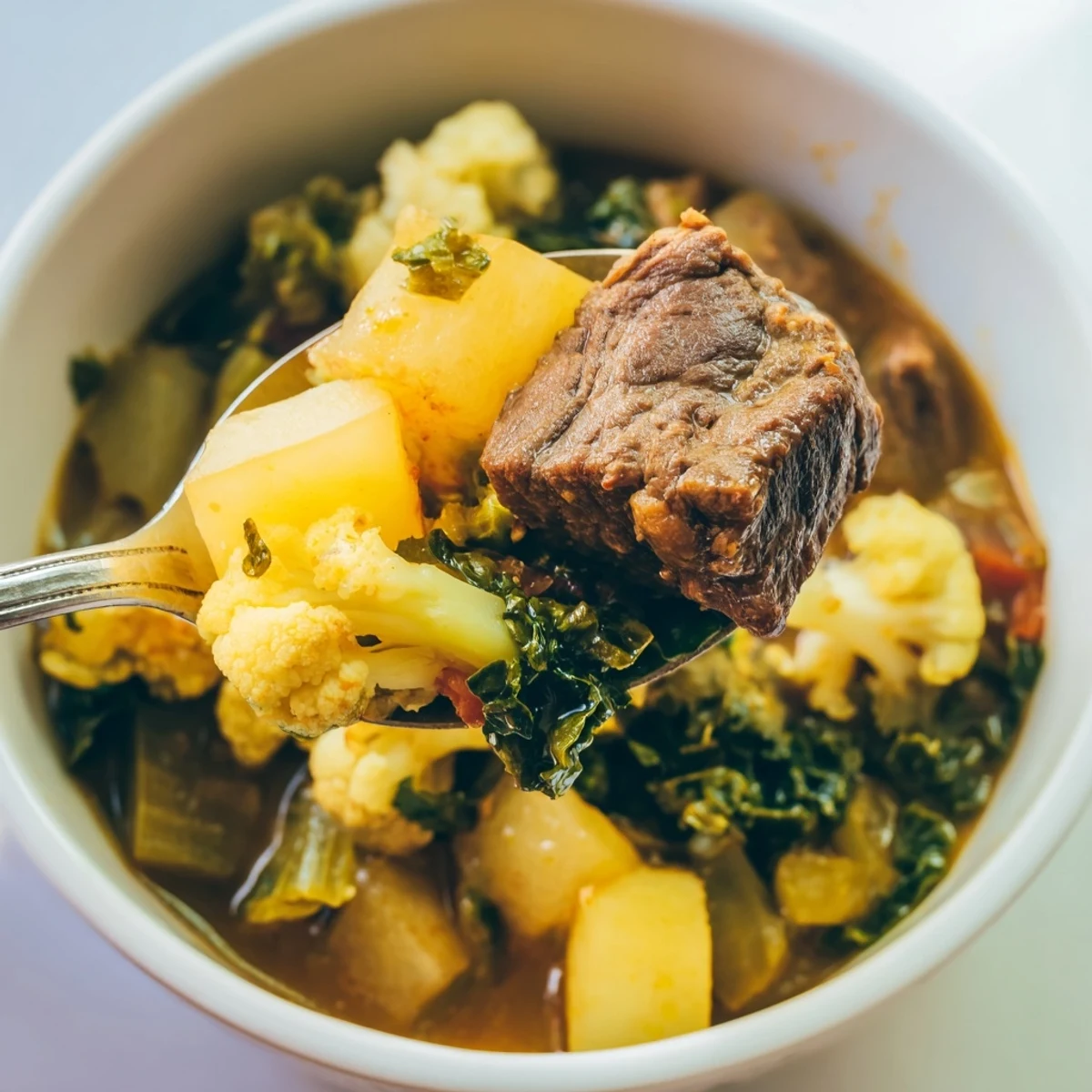
Save This stew has become my quiet proof that keto cooking doesn't mean deprivation—it means discovering a whole universe of vegetables and flavors most people never explore. Every bowl is warm company on a cold evening.
Recipe FAQs
- → What vegetables are used in this stew?
-
Celery root, turnip, rutabaga, cauliflower, leek, garlic, and kale provide a rich blend of winter flavors and textures.
- → How long should the stew be cooked?
-
After browning beef and sautéing vegetables, simmer the stew covered for 1 hour, then add cauliflower and kale and cook uncovered for another 20–25 minutes.
- → Can I substitute the beef with another protein?
-
Yes, lamb or turkey can be used as alternatives for different flavor profiles.
- → What herbs enhance the flavor of this dish?
-
Dried thyme, rosemary, and a bay leaf are used to infuse aromatic depth throughout cooking.
- → Is this dish suitable for gluten-free diets?
-
Yes, all ingredients are naturally gluten-free; just verify that beef broth and tomato paste have no hidden gluten.