
 Save
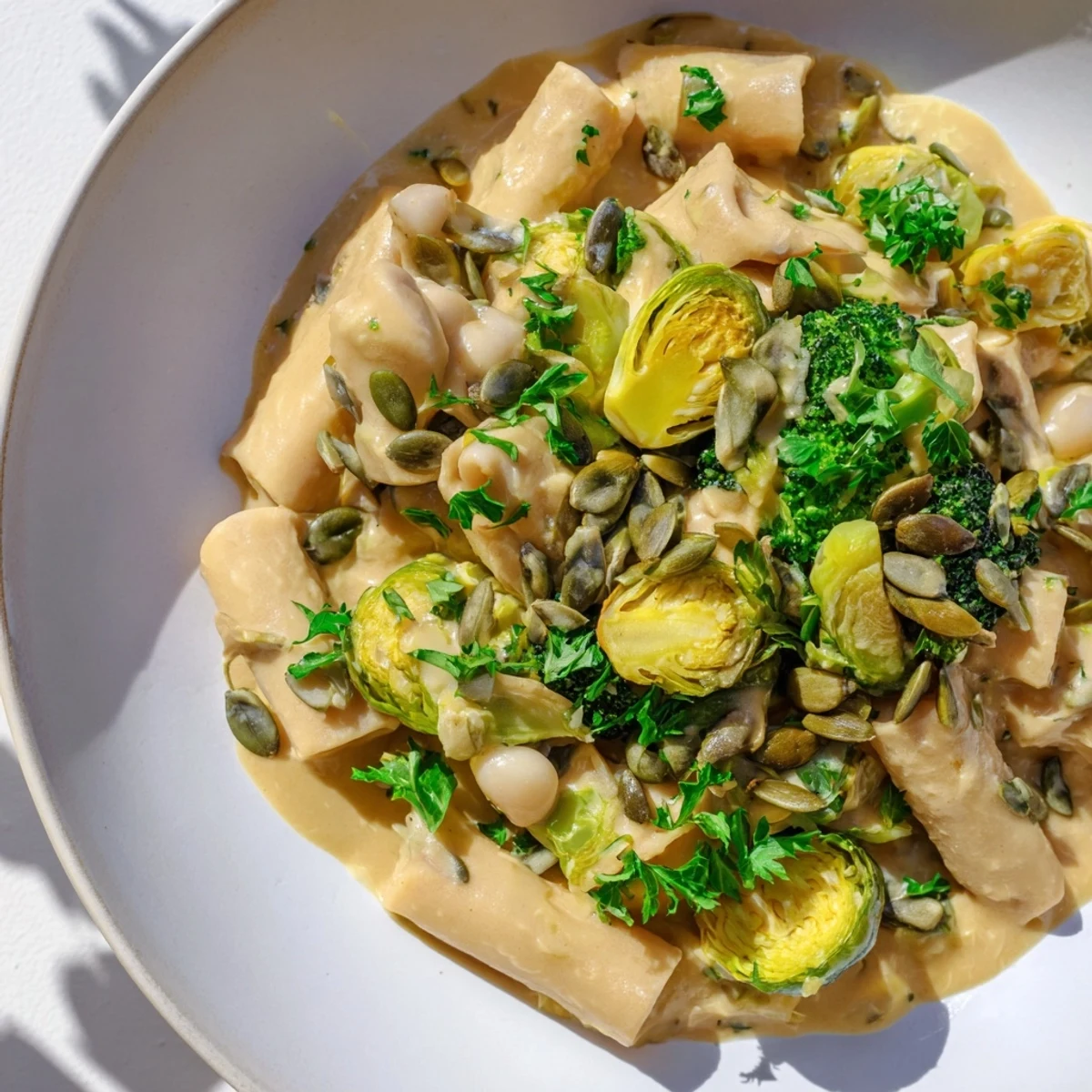
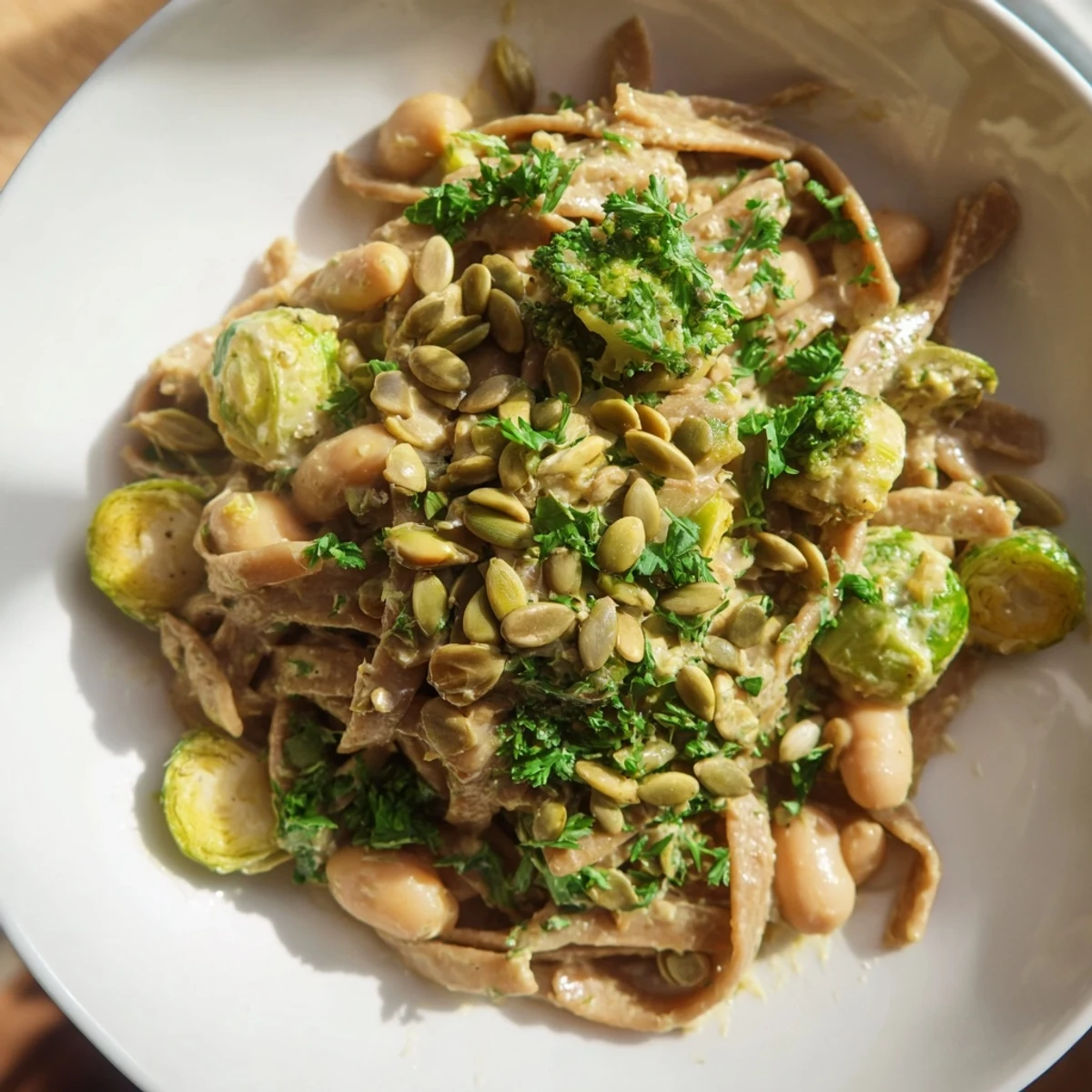
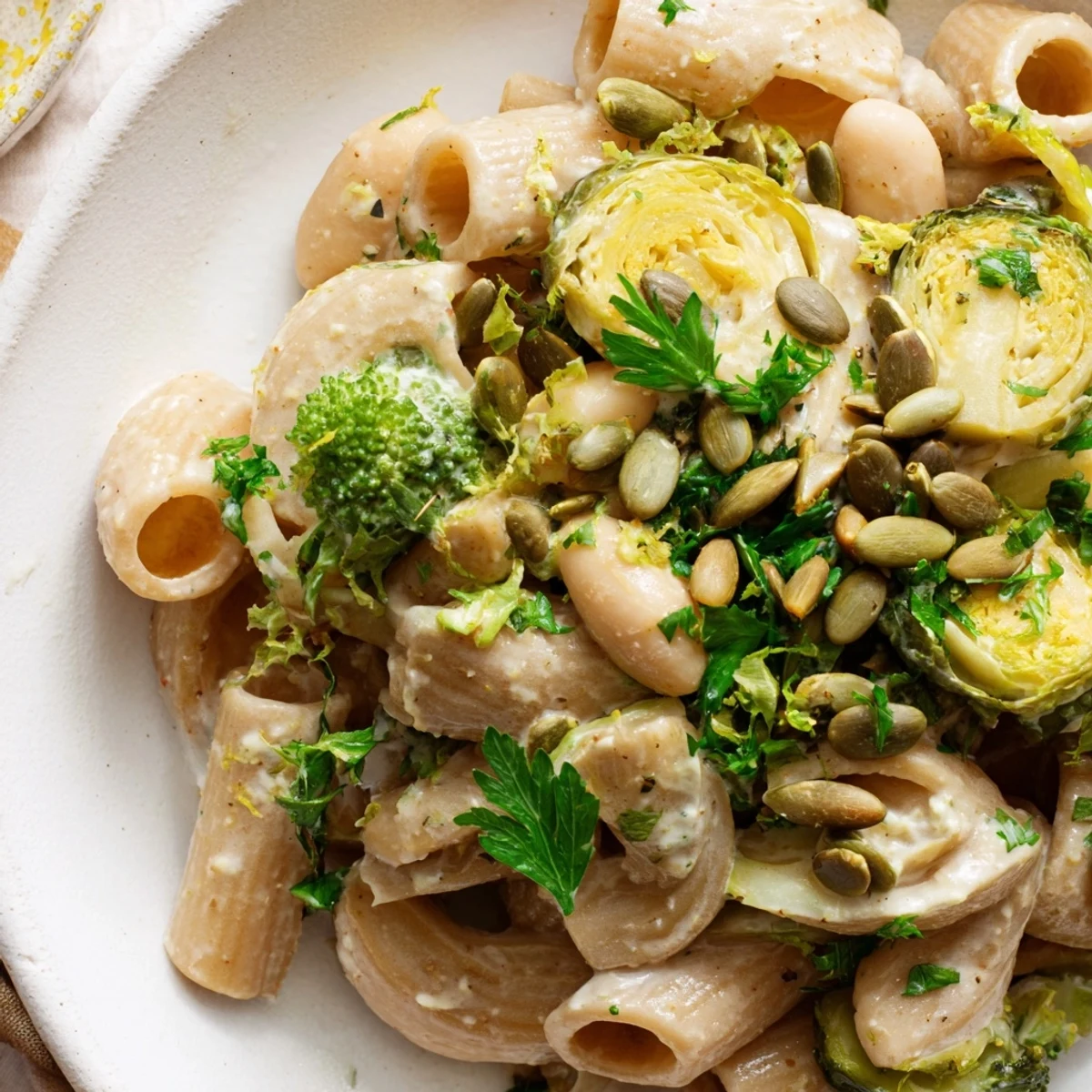
Save This winter pasta combines high-protein pasta with a medley of seasonal vegetables like broccoli, Brussels sprouts, kale, and carrot. Sautéed garlic and red onion add aroma, while cannellini beans and ricotta create a creamy, herbed sauce seasoned with thyme, oregano, and optional chili flakes. Toasted pumpkin seeds and fresh parsley garnish the dish, providing texture and freshness. Quick to prepare, it offers a comforting and nourishing meal for cold weather.
There's something about watching steam rise from a pot of pasta on a cold January evening that makes you believe winter cooking can be more than just survival. I stumbled onto this combination last year when I had an overflowing crisper drawer and half a can of beans sitting in the fridge, refusing to waste either one. The first bite surprised me—creamy, verdant, genuinely nourishing in a way that didn't feel like I was forcing vegetables into my dinner.
I made this for my sister on a particularly gray afternoon, and she asked for the recipe before she'd finished eating, which felt like the highest compliment a home cook can receive. She's the type who lives on salads and protein shakes, but something about the way the kale mellowed into the sauce converted her into a believer.
Ingredients
- High-protein pasta (300 g): Chickpea or lentil varieties have a subtle earthiness that plays beautifully with winter vegetables and actually holds up to a heavier sauce without turning mushy.
- Broccoli (1 small head, florets): Cut them bite-sized so they caramelize at the edges rather than steam—that's where the real flavor lives.
- Brussels sprouts (1 cup, halved): The halves get golden and nutty if you give them time in the hot pan; don't rush this step.
- Carrot (1 large, sliced): Thin slices cook evenly and soften into something almost sweet as the vegetables meld together.
- Kale (1 cup, torn): Add it near the end so it stays vibrant rather than turning to mush; the residual heat is enough.
- Garlic (2 cloves, minced) and red onion (1 small, sliced): These two build the flavor base, and the red onion adds a subtle sweetness and visual warmth.
- Cannellini beans (1 can, drained): They're creamy enough to thicken the sauce naturally while delivering protein that actually satisfies.
- Low-fat ricotta (150 g): This is the magic ingredient that creates creaminess without heaviness; stir it in gently at the end.
- Vegetable broth (100 ml): Keeps the sauce silky and gives you control over consistency—add pasta water if you need more liquid.
- Olive oil (2 tbsp), lemon juice (1 tbsp): The lemon cuts through the richness and brightens everything at the finish line.
- Thyme and oregano (1 tsp each): Dried herbs work perfectly here and scatter throughout the dish like little flavor punctuation marks.
- Chili flakes (½ tsp, optional): A whisper of heat that doesn't announce itself loudly but makes the whole thing more alive.
- Toasted pumpkin seeds (2 tbsp) and fresh parsley: The seeds add crunch and nutty depth; the parsley is your final fresh note.
Instructions
- Toast Your Seeds First:
- Get a small dry skillet warm and toss in the pumpkin seeds for 2–3 minutes, stirring occasionally until they're fragrant and golden. Set them aside—they'll be your final celebration on top of each bowl.
- Get Your Water Boiling:
- Fill a large pot with salted water (it should taste like the sea, as the saying goes) and bring it to a rolling boil. The salt seasons the pasta from the inside out, which makes a real difference.
- Cook the Pasta:
- Add pasta and stir it immediately so nothing sticks to itself. Follow the package timing for al dente, then scoop out and reserve about half a cup of that starchy cooking water before draining—you'll use it to adjust the sauce later.
- Start the Vegetables:
- While pasta cooks, warm olive oil in a large skillet over medium heat and add the red onion and garlic. Listen for the gentle sizzle and the kitchen to fill with that warming, garlicky smell that signals everything is about to come together.
- Build the Pan:
- Add broccoli, Brussels sprouts, and carrot slices, then let them sit undisturbed for a couple of minutes before stirring. This creates those golden, slightly caramelized edges that make the difference between steamed vegetables and actually delicious ones.
- The Kale Moment:
- After 5–7 minutes, when the other vegetables are beginning to soften, toss in the kale and give everything a gentle turn. It takes about 2 minutes for the kale to relax and lose its defiance.
- Bring in the Beans and Herbs:
- Stir in cannellini beans, thyme, oregano, and chili flakes if using them, then pour in vegetable broth. Let this simmer gently for a few minutes so all the flavors can acknowledge each other.
- The Creamy Finale:
- Reduce heat to low and gently fold in the ricotta cheese and lemon juice, stirring until the sauce becomes luxuriously creamy. Add pasta water a splash at a time until you reach the consistency you're after—thicker than soup, but loose enough to coat everything.
- Bring It Together:
- Toss the cooked pasta into the pan and turn everything until every piece of pasta is kissed by the sauce. Taste it, season with salt and pepper, and taste again.
- The Finish:
- Divide among bowls and top with toasted pumpkin seeds and a generous handful of fresh parsley, which catches the light and reminds you why color matters on a winter plate.
 Save
Save My neighbor smelled this cooking one evening and knocked on the door asking what was happening in my kitchen. We ended up sharing a bowl, and she admitted she'd been eating the same salad every night for weeks and forgotten what it felt like to enjoy dinner.
Why This Works in Winter
Winter vegetables aren't trying to be summer vegetables—they have their own quiet strength. Broccoli and Brussels sprouts actually taste deeper when the weather turns cold, and kale becomes tender rather than tough. This recipe honors that shift instead of fighting it, which is why it feels nourishing in a way a summer pasta never could.
The Protein Question
High-protein pasta used to taste like eating cardboard with ambition, but the ones made from chickpeas and lentils have genuinely improved. Combined with cannellini beans and ricotta, you're looking at real protein density—the kind that keeps you satisfied without any of the heavy, overstuffed feeling. If you want to push it further, grilled chicken or crumbled tofu scattered on top works seamlessly.
Variations and Flexibility
The beauty of this dish is that it welcomes swaps without falling apart. Parsnip works wonderfully if you want something sweeter, Swiss chard can replace kale, and any winter greens will play along. The foundation is strong enough to handle your preferences and what happens to be at the market.
- Substitute ricotta with cashew cream or a plant-based ricotta alternative if you need the dish vegan.
- Add roasted chickpeas or pine nuts for extra crunch and richness.
- Finish with a small drizzle of truffle oil or walnut oil if you want to feel fancy on an ordinary Tuesday.
 Save
Save Food is just food until it becomes the thing you crave on a cold night, the thing you cook to share, the small ritual that makes winter bearable. This pasta is that for me now.
Recipe FAQs
- → What type of pasta is best for this dish?
-
High-protein pastas made from chickpeas or lentils work well, providing an extra nutritional boost while holding texture nicely.
- → Can I substitute the vegetables used?
-
Yes, winter vegetables like parsnip, Swiss chard, or other greens can be used based on availability and preference.
- → How can I make the sauce creamier?
-
Adding reserved pasta water gradually while stirring helps achieve a smooth and creamy sauce consistency.
- → Is this suitable for vegan diets?
-
Simply replace ricotta with a plant-based alternative to make the dish vegan-friendly without sacrificing creaminess.
- → What garnishes enhance the dish?
-
Toasted pumpkin seeds add a pleasant crunch, while fresh parsley brightens flavors and adds freshness.