
 Save
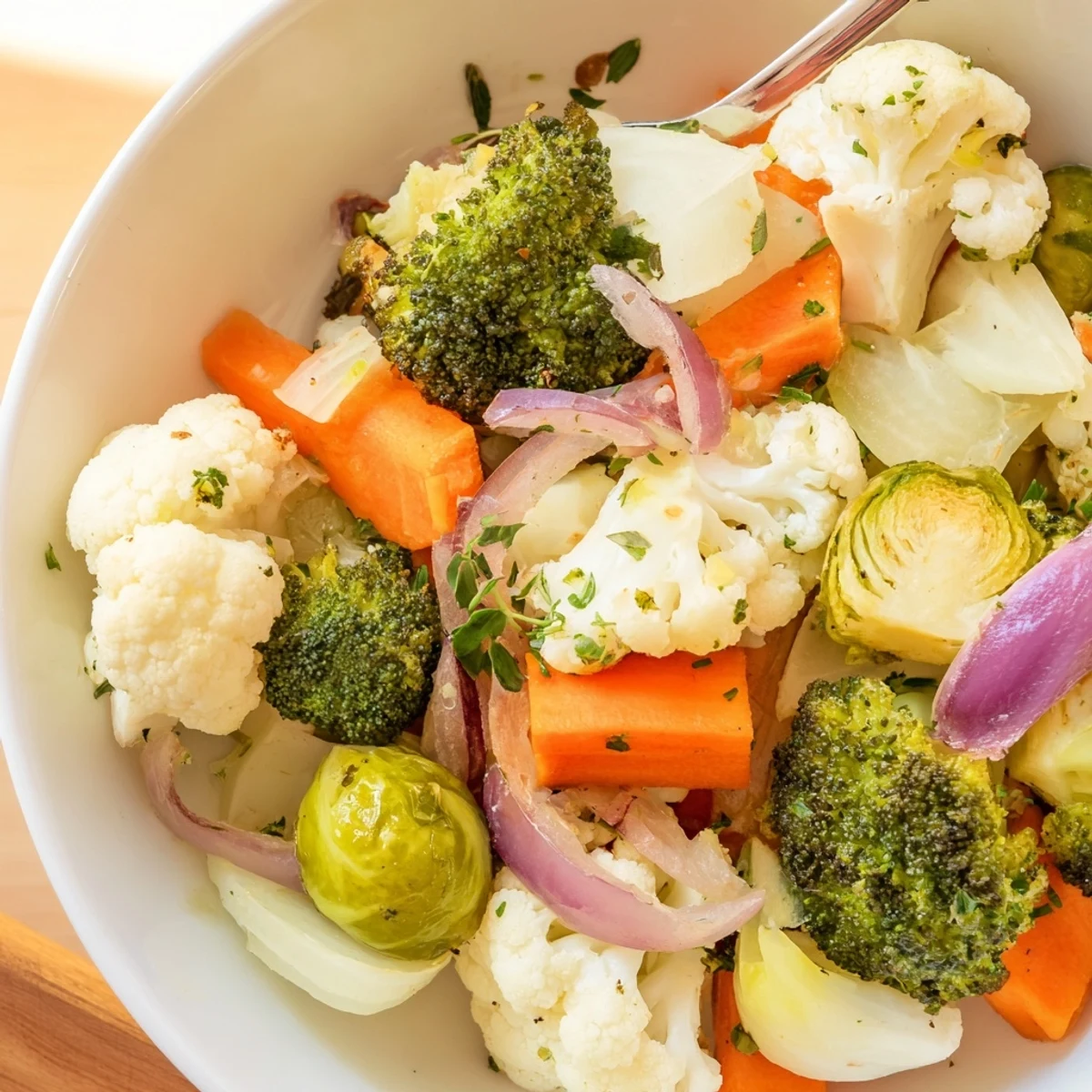
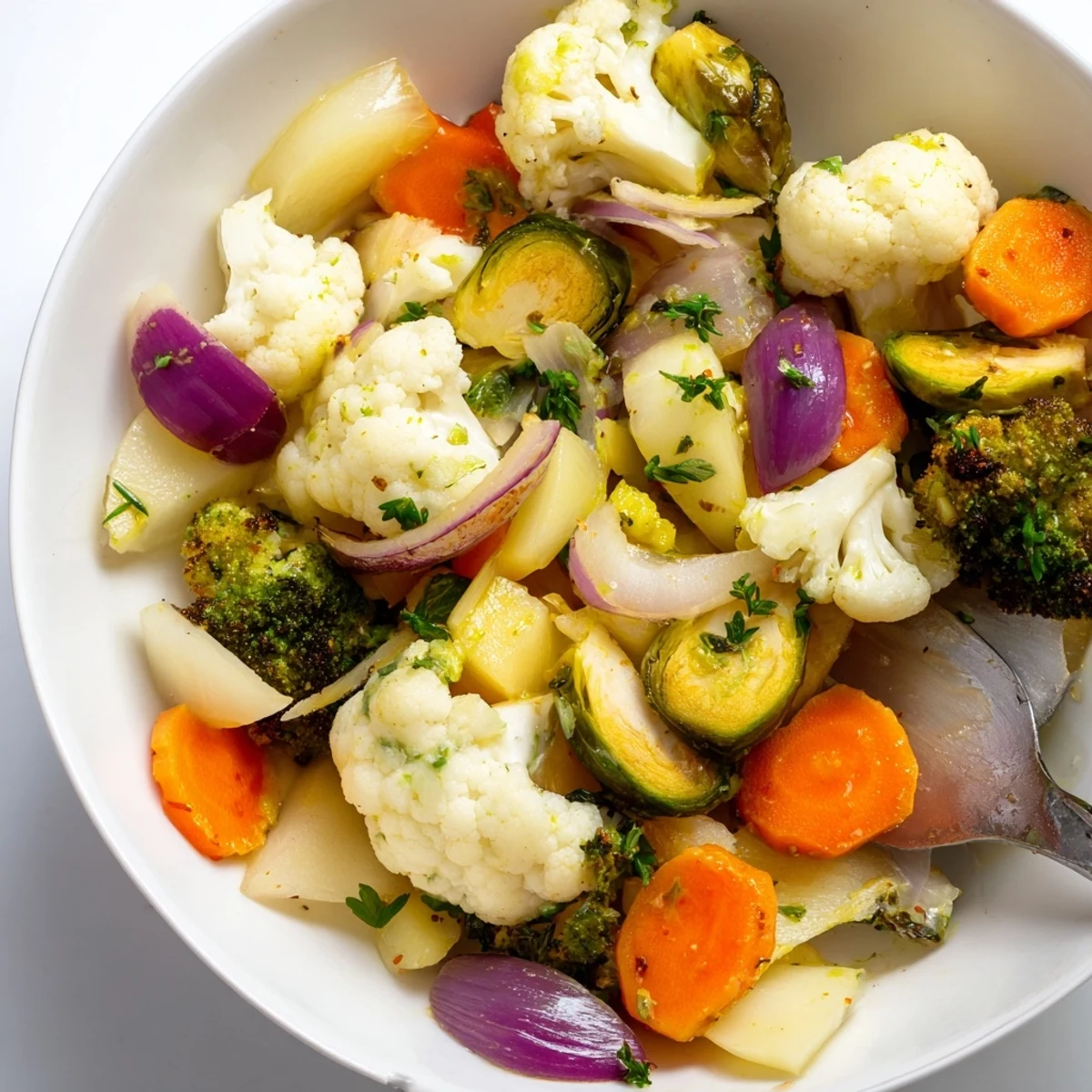
Save This vibrant medley combines cauliflower, broccoli, Brussels sprouts, carrots, parsnip, and red onion, lightly steamed to retain their bright colors and textures. Fresh parsley and thyme, with a hint of lemon juice and olive oil, elevate the natural flavors. Easy preparation makes this low-fat side perfect for cold-weather dining, offering a nutritious complement to a variety of main dishes. Adjust herbs or root vegetables for personalized tastes and enjoy warm or room temperature.
There's something about late January when the farmers market dwindles down to root vegetables and hardy greens that I actually look forward to it. One afternoon, standing in front of bins of Brussels sprouts and parsnips, I realized I'd been making the same heavy winter sides for years—creamy, butter-laden dishes that left me feeling sluggish. So I started experimenting with what happens when you let the vegetables speak for themselves, dressed lightly with just herbs and a whisper of lemon. This dish emerged from that afternoon, and it's become my secret weapon for meals that feel both nourishing and genuinely exciting.
My partner once said this was the first side dish that made him actually excited about vegetables, which I don't think was a compliment at first—but it turned out to be exactly that. We were eating it alongside roasted chicken on a cold February evening, and instead of pushing it around his plate, he kept reaching for more. That moment changed how I thought about healthy cooking; it doesn't have to feel like a sacrifice.
Ingredients
- Cauliflower florets, 1 cup: They absorb the lemon and herbs beautifully while keeping their texture; I cut them smaller than you'd think.
- Broccoli florets, 1 cup: The crowns add visual interest and a slight earthiness that pairs perfectly with thyme.
- Brussels sprouts, 1 cup halved: Halving them lets the steam penetrate evenly; any smaller and they disappear.
- Medium carrots, 2 sliced: They need a head start in the water since they take longer; I aim for coins about a quarter-inch thick.
- Parsnip, 1 peeled and sliced: This is the secret ingredient—it adds a gentle sweetness that balances the bitterness of the greens.
- Small red onion, cut into wedges: Raw onion tossed at the end keeps its bite and adds a sharp contrast; don't skip this.
- Fresh parsley, 2 tablespoons chopped: I use the tender leaves and stems; it feels fresher than dried.
- Fresh thyme leaves, 1 tablespoon: Dried works, but fresh thyme has a cleaner, more delicate flavor that doesn't overpower.
- Lemon juice, 1 tablespoon: Fresh lemon is essential here—bottled juice tastes thin and one-dimensional by comparison.
- Olive oil, 1 teaspoon: Just enough to coat everything lightly without making it feel heavy or slick.
- Salt, 1/2 teaspoon and black pepper, 1/4 teaspoon: Taste as you go; these amounts are a starting point, not gospel.
Instructions
- Boil your water generously:
- Fill a large pot about three-quarters full and salt it like the sea—this is your only chance to season the vegetables from the inside. Bring it to a rolling boil, the kind where the water sounds urgent and impatient.
- Give the root vegetables a head start:
- Drop the carrots and parsnip slices into the boiling water and let them cook for exactly 5 minutes. You're aiming for them to be almost tender but still with a gentle resistance when you pierce them with a fork.
- Add the cruciferous vegetables:
- Now add the cauliflower, broccoli, and Brussels sprouts. They'll sink at first, then bob back up as they heat through. Set a timer for 5 more minutes and listen for the slight change in the water's sound as everything becomes tender.
- Drain and transfer:
- Pour everything into a colander and let the steam rise up in your face for a moment—that's when you know the vegetables are fresh and alive. Transfer them to a large bowl while they're still warm, which helps them absorb the seasonings better.
- Dress while warm:
- Add the raw red onion, parsley, thyme, lemon juice, olive oil, salt, and pepper. Toss gently so nothing breaks apart, but make sure every piece gets touched by the herbs and lemon. Taste a bite of broccoli and adjust the salt and lemon to your preference.
- Serve at any temperature:
- This is equally delicious warm, room temperature, or even cold the next day. If you're serving it later, wait to add the herbs until closer to serving time so they stay bright green and aromatic.
 Save
Save I learned the importance of this dish not from a cookbook but from my mother, who used to say that simple food teaches you more about cooking than complicated recipes ever will. Making this repeatedly, I understood what she meant—it's just vegetables and herbs, but getting it right requires attention and intention.
Why Winter Vegetables Deserve This Treatment
Winter vegetables have a reputation for being boring, but that's only because we usually drown them in cream or roast them until they're caramelized beyond recognition. Steaming them lightly and finishing them with fresh herbs is like listening to a familiar song acoustic instead of with a full band—you hear the melody more clearly. The cauliflower becomes delicate instead of sulfurous, the Brussels sprouts taste nutty instead of bitter, and the parsnip's natural sweetness shines through without any sugar needed.
Variations and Swaps
Once you understand the framework of this dish, you can play with it based on what's in your garden or at the market. I've made it with parsnips swapped for celery root, added turnips or rutabaga, and even thrown in a handful of kale at the very end so it softens but stays slightly chewy. The only rule I follow is keeping the ratio of vegetables roughly balanced so nothing overwhelms the others, and always finishing with fresh herbs and lemon—those two things are non-negotiable.
Making It a Complete Meal
As a side, this pairs beautifully with anything mild and protein-forward—roasted chicken, grilled fish, even a simple baked tofu if you're cooking vegetarian. But I've also stretched it into a light lunch by adding a grain like farro or barley and a handful of nuts, which transforms it into something substantial without losing its clarity of flavor. The best part is that it never feels like you're eating a health food; it tastes like you're eating something delicious that happens to be good for you.
- Leftover vegetables reheat beautifully in a skillet with a tiny splash of water, or eat them straight from the fridge as a snack.
- If you want more color, a pinch of smoked paprika or red pepper flakes adds warmth without changing the core flavor.
- This is the kind of dish that makes you appreciate fresh herbs year-round, so keep some growing on your windowsill if you can.
 Save
Save This dish has quietly become the thing people ask me to bring to winter potlucks, which makes me smile because it's so simple that anyone could make it. Maybe that's the real magic—proving that good food doesn't need to be complicated or heavy, just honest and attentive.
Recipe FAQs
- → What is the best way to steam the vegetables evenly?
-
Start by cooking root vegetables like carrots and parsnip first, then add quicker-cooking vegetables like broccoli and cauliflower to ensure all reach tenderness simultaneously.
- → Can I substitute the herbs used in this dish?
-
Yes, fresh herbs like rosemary or dill can offer different flavor profiles while maintaining freshness and balance.
- → How can I add more depth of flavor without extra fat?
-
Sprinkling smoked paprika or crushed red pepper flakes provides a subtle smoky or spicy kick without adding fat.
- → Is it better to serve the dish warm or at room temperature?
-
Both work well; warming enhances aromas while room temperature allows flavors to meld, making it versatile for any meal setting.
- → What are some good pairings for this vegetable medley?
-
This colorful dish complements roasted poultry or grilled fish beautifully, balancing richer main courses with freshness.