
 Save
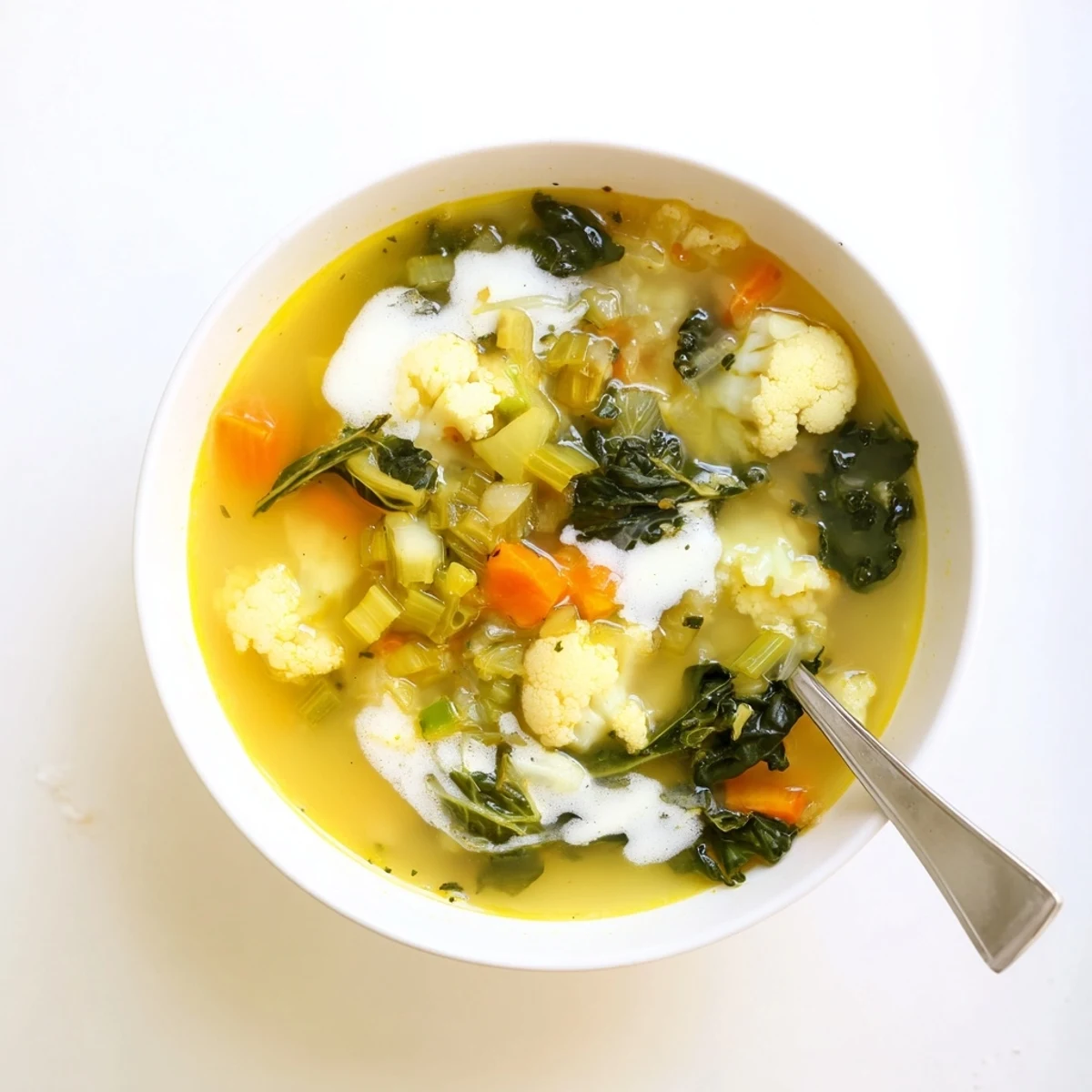
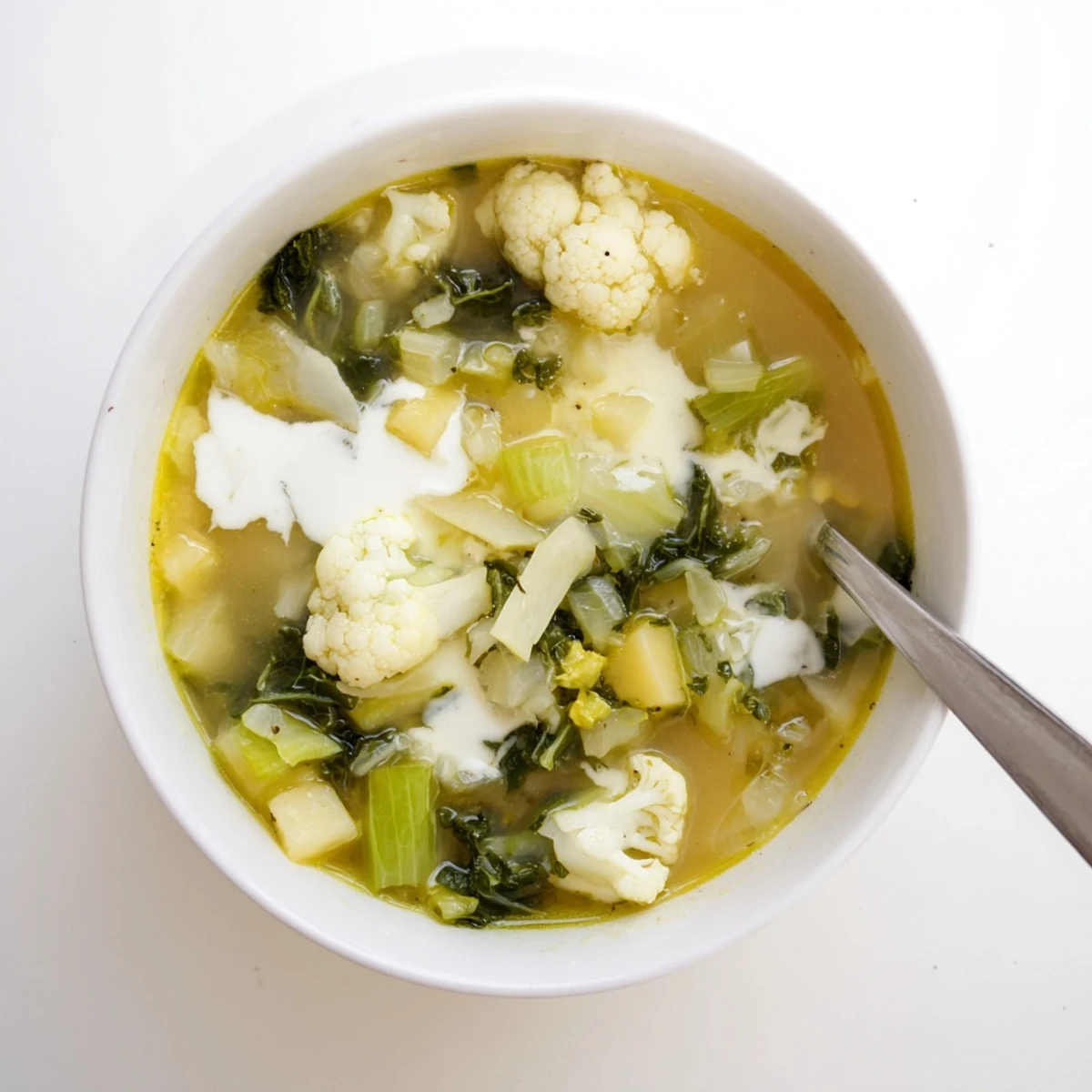
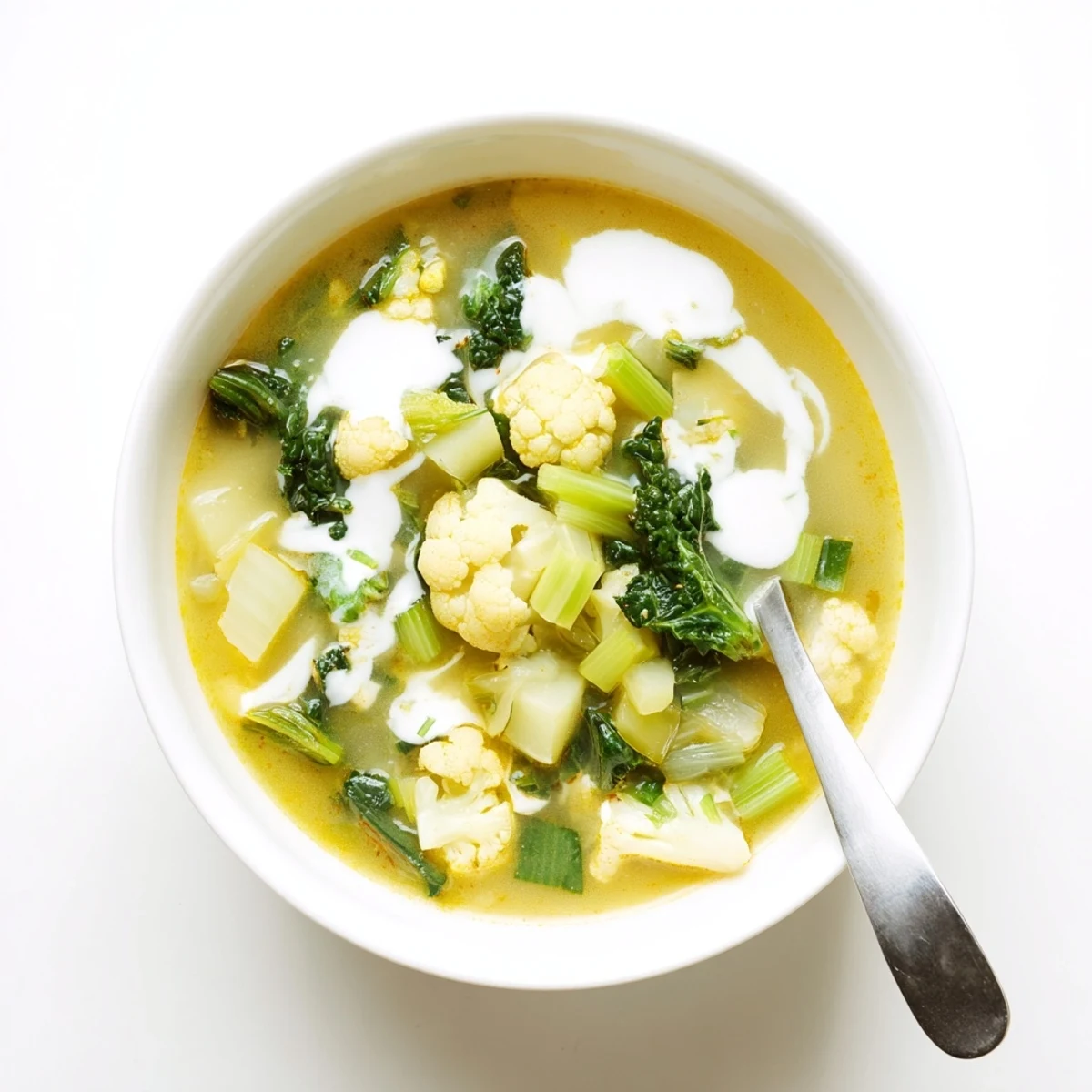
Save This warming bowl combines cauliflower, leek, celery, and rutabaga for a nutrient-dense base, finished with nutrient-rich kale and velvety heavy cream. The aromatic blend of thyme and rosemary elevates the natural sweetness of root vegetables while keeping carbohydrates low. Perfect for meal prep, this soup develops even deeper flavors overnight and freezes beautifully for up to three months. Each serving delivers just 11 grams of carbohydrates while providing five grams of protein and seventeen grams of satisfying fats.
The first snowfall had just started dusting the windowsill when I decided to throw together whatever vegetables I had languishing in the crisper drawer. I wasn't expecting much—just something to warm us up after shoveling the driveway—but that first spoonful stopped me in my tracks. The rutabaga added this incredible subtle sweetness I'd never appreciated before, and the way the cream folded in at the end made everything taste like it had been simmering for hours. Now it's the soup my friends actually request when the temperature drops below freezing.
Last winter, my neighbor came over complaining about how all low-carb soups tasted like sadness. I served her this without mentioning it was keto, and she literally asked for seconds before even commenting on how satisfied she felt. Now she texts me every time snow's in the forecast, asking if I'm making 'that soup' again.
Ingredients
- 1 small head cauliflower, cut into florets: The florets should be relatively uniform so they cook evenly, and don't toss the stem—it adds wonderful body to the broth
- 1 small leek, white and light green parts sliced: Leeks can hide dirt between their layers, so slice them first then swish them around in a bowl of cold water
- 2 celery stalks, diced: These provide that aromatic foundation that makes the soup taste like it's been cooking all day
- 1 small rutabaga, peeled and diced: This is the secret ingredient that adds a subtle sweetness most people can't quite identify but love
- 2 cups chopped kale, stems removed: Add it at the very end so it keeps its vibrant color and slight bite
- 2 cloves garlic, minced: Fresh garlic makes a difference here, but don't let it brown or it'll turn bitter
- 2 tbsp olive oil: This handles the higher heat of sautéing without smoking
- 1 tbsp unsalted butter: The butter is purely for that nutty, rich finish that olive oil alone can't provide
- 1 tsp dried thyme: Dried thyme actually works better here than fresh since it holds up through the long simmer
- 1/2 tsp dried rosemary: A little goes a long way—too much will make the soup taste like pine needles
- Salt and freshly ground black pepper, to taste: Taste at the end since the broth saltiness varies wildly between brands
- 4 cups chicken or vegetable broth: Unsweetened and low sodium lets you control exactly how salty the final soup becomes
- 1/2 cup heavy cream: Let it come to room temperature while the soup simmers so it incorporates smoothly
Instructions
- Build your flavor foundation:
- Heat the olive oil and butter in a large pot over medium heat until the butter foams slightly and smells nutty
- Soften the aromatics:
- Add the leek, celery, rutabaga, and garlic, then sauté for about 5 minutes until everything's fragrant and the rutabaga loses its raw edge
- Add the cauliflower and herbs:
- Stir in the cauliflower florets, thyme, rosemary, salt, and pepper, letting them cook for 2 minutes to wake up the spices
- Create the base:
- Pour in the broth and bring everything to a gentle boil, then reduce heat and simmer for 20 minutes until all vegetables are completely tender
- Finish with greens:
- Add the chopped kale and simmer for another 5 minutes until it's wilted but still has some structure
- Transform it into something creamy:
- Reduce heat to low, stir in the heavy cream, and cook for just 2 more minutes—do not let it boil or the cream might separate
- Make it yours:
- Taste and adjust the seasoning if needed, remembering that flavors will continue to meld as it sits
 Save
Save My husband, who swore he hated kale, ate three bowls before finally asking what those 'green confetti things' were. Now he's the one suggesting we add extra kale because he says it 'makes the soup feel more complete.'
Making It Your Own
Sometimes I'll add cooked shredded chicken or diced sausage if we need something more substantial for dinner. The vegetables stay the same, but the protein transforms it from a starter into a main course that keeps everyone satisfied.
Texture Variations
On especially gloomy days, I'll pull out the immersion blender and partially purée the soup, leaving some chunks for texture. It creates this velvety base with tender bits of vegetables throughout, making it feel much more decadent than it actually is.
What I've Learned Along the Way
The size you cut your vegetables matters more than you'd think. Keep everything relatively uniform so they finish cooking at the same time, and don't be afraid to taste as you go—every batch of broth brings its own salt level to the party.
- If you only have salted butter, just skip the extra salt until the very end
- Fresh herbs can be added during the last 2 minutes if you want a brighter flavor
- The soup thickens as it cools, so you might need to splash in a little more broth when reheating
 Save
Save There's something deeply satisfying about turning a handful of humble winter vegetables into a soup that makes people feel cared for. That's the magic that keeps me coming back to this recipe year after year.
Recipe FAQs
- → Can I make this soup dairy-free?
-
Yes, substitute the heavy cream with full-fat coconut milk or omit it entirely. Replace butter with additional olive oil or ghee for a dairy-free version.
- → What vegetables work best as substitutions?
-
Try replacing rutabaga with turnips or parsnips. Spinach or Swiss chard make excellent alternatives to kale. For lower carbohydrates, reduce cauliflower and increase celery.
- → How should I store leftovers?
-
Keep refrigerated in airtight containers for up to five days. The flavors actually improve after sitting. Reheat gently over medium-low heat, stirring occasionally to prevent separating.
- → Can I freeze this soup?
-
Absolutely. Cool completely before transferring to freezer-safe containers. Leave half an inch of space for expansion. Thaw overnight in the refrigerator before reheating.
- → How can I add more protein?
-
Stir in shredded rotisserie chicken, browned ground sausage, or cooked bacon bits. For vegetarian options, add hemp hearts or a scoop of unflavored protein powder after removing from heat.
- → What's the best way to achieve a smoother texture?
-
Use an immersion blender to partially purée about two-thirds of the soup, leaving some chunks for texture. Alternatively, transfer portions to a blender and blend until smooth, then combine.