
 Save
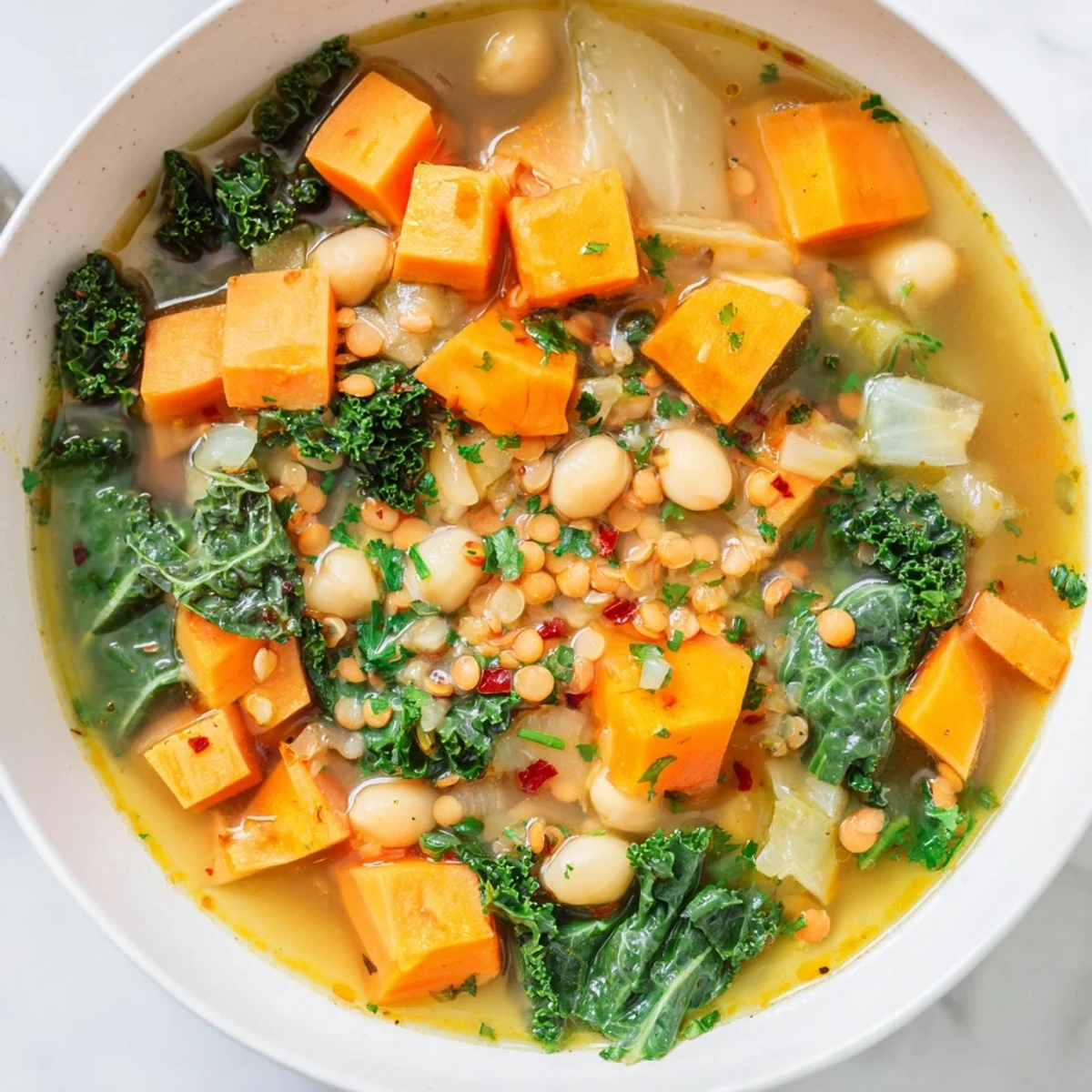
Save This hearty soup combines seasonal root vegetables like carrots, parsnips, and sweet potatoes with protein-packed cannellini beans, chickpeas, and red lentils. Simmered with aromatic thyme and oregano in vegetable broth, it creates a nourishing and gluten-free meal. Ready in about an hour, this warming dish is garnished with fresh parsley and a splash of lemon for brightness, making it an ideal choice for cold weather comfort food.
There's something about the first proper cold snap that makes me crave a bowl of something warm that actually fills you up. I was restless one October evening, standing in front of my half-empty vegetable drawer, and realized I had the makings of something special right there. Layering beans and winter vegetables into a pot felt less like following a recipe and more like building something that would make the kitchen smell like home.
I made this for my neighbor last winter when she wasn't feeling well, and watching her face light up as she tasted it was one of those small kitchen victories you remember. She asked for the recipe the same day, and now she texts me photos of her own version. That's when I knew it wasn't just good soup, it was the kind of thing that bridges a conversation.
Ingredients
- Olive oil: Use a decent extra-virgin oil here since it's not being cooked into submission, and you'll taste it.
- Onion and garlic: These create the aromatic base that makes everything that follows taste intentional.
- Carrots, celery, and parsnip: The holy trinity gets a parsnip friend for earthiness and subtle sweetness.
- Sweet potato: Adds natural sweetness and creaminess that balances the greens.
- Kale and savoy cabbage: Don't skip removing the kale stems unless you enjoy chewy soup; the leaves do all the work you need.
- Cannellini beans and chickpeas: Two beans give you texture variety and keep the protein count honest.
- Red lentils: These dissolve slightly and thicken the broth without any extra work.
- Vegetable broth: The foundation of everything; use something you'd actually drink on its own.
- Thyme and oregano: Dried herbs work beautifully here; they need the time to release their oils.
- Lemon juice: This optional ingredient wakes everything up at the end, but only if your soup feels flat.
Instructions
- Build your base:
- Heat the olive oil over medium heat and add your diced onion with the garlic. Watch for that moment when the onion turns translucent and the garlic fills the air with its smell, about 3 to 4 minutes. Don't rush this step; it's worth waiting for.
- Layer in root vegetables:
- Add the carrots, celery, parsnip, and sweet potato all at once, then give everything a stir. Let them soften for about 5 minutes, which is enough time for them to release their flavors but not so long that they fall apart.
- Add the greens:
- Toss in the kale and cabbage, stirring until they begin to wilt into the pot, about 2 minutes. The volume shrinks more than you'd expect, which is always satisfying to watch.
- Build the soup:
- Pour in your beans, lentils, and broth, then sprinkle in the thyme, oregano, and pepper. Give everything a good stir so the seasonings distribute evenly, then taste the broth before adding salt, since some broths are already salty.
- Simmer gently:
- Bring the soup to a boil, then turn the heat down to low and let it simmer uncovered for 30 minutes. You'll know it's ready when you can break a lentil between your fingers and the vegetables are genuinely soft.
- Finish and taste:
- If you're using lemon juice, stir it in now and taste again. Adjust salt and pepper to your preference, knowing that the soup will taste slightly less seasoned once it cools a bit.
- Serve with intention:
- Ladle into bowls, scatter fresh parsley on top, and serve while the steam is still rising. This is when it tastes its best.
 Save
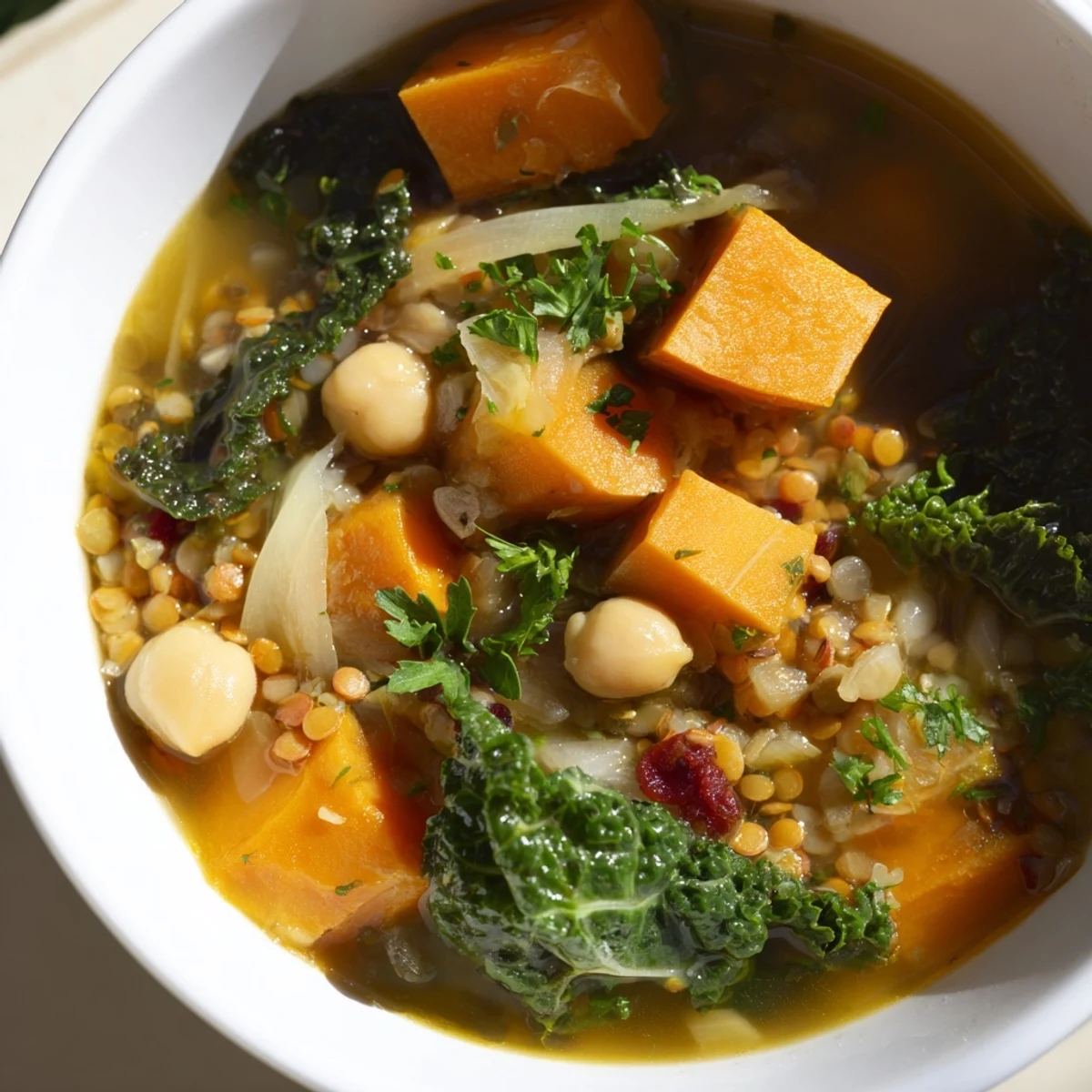
Save There was an afternoon when my daughter came home from school hungry and cranky, and a bowl of this soup turned her mood around completely. She sat at the table with both hands wrapped around the bowl, and I realized that food doesn't have to be complicated to mean something.
Vegetable Swaps and Variations
The beauty of this soup is that it bends to whatever your winter garden or farmers market offers. I've swapped parsnip for turnip, added chopped beets for color, or thrown in a handful of Brussels sprouts when kale felt overused. The soup stays true to itself as long as you keep a mix of root vegetables for body and greens for nutrition.
How to Make It Heartier
If you want more protein than the beans and lentils already provide, crumbled firm tofu adds texture without changing the flavor, or if you eat chicken, poached breast cut into bite-sized pieces turns this into a non-vegetarian version. I've also made it with a swirl of natural peanut butter stirred in at the end, which sounds odd until you taste how it deepens everything.
Storage and Reheating
This soup genuinely improves after sitting overnight in the refrigerator, as the flavors become more familiar with each other. It keeps for about 4 days in an airtight container, and freezes beautifully for up to three months if you leave a little space at the top for expansion.
- Reheat gently on the stove over medium heat rather than microwaving, which can make the vegetables mushy.
- Add a splash of extra broth if it's thickened too much during storage.
- A squeeze of fresh lemon juice when reheating brings back the brightness that time mellows out.
 Save
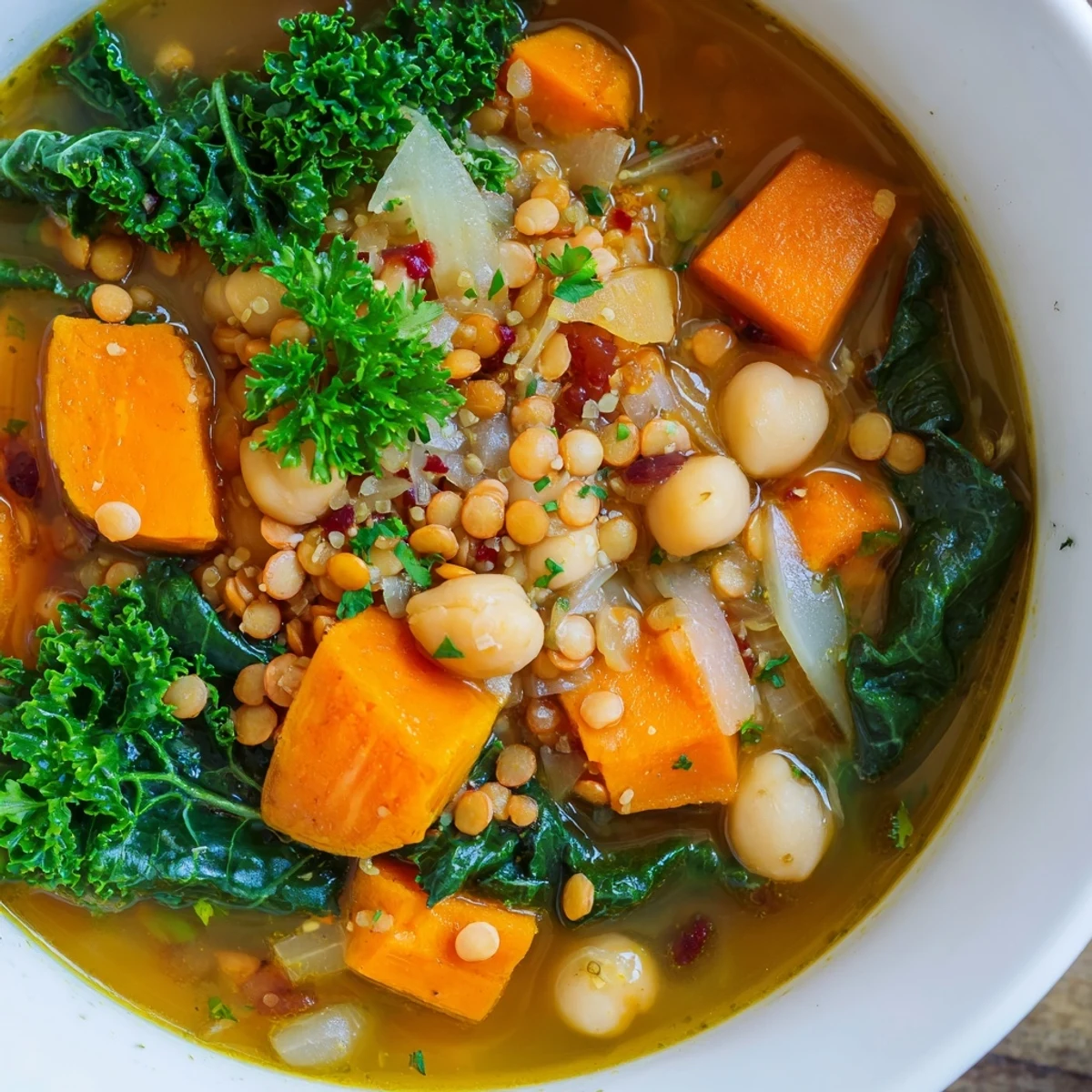
Save This soup has become my answer to those days when you need something that nourishes both body and mood at the same time. It's proof that the best recipes aren't the complicated ones, but the ones that feel like they were made just for you.
Recipe FAQs
- → Is this soup vegetarian friendly?
-
Yes, this soup is entirely vegetarian as it uses vegetable broth and relies on beans and lentils for protein instead of meat.
- → Can I freeze the leftovers?
-
This dish freezes exceptionally well. Let it cool completely before transferring to airtight containers for storage up to three months.
- → What vegetables work best?
-
Root vegetables like carrots, parsnips, and sweet potatoes are ideal, but you can easily substitute turnips or rutabagas based on preference.
- → How do I add more protein?
-
While rich in beans and lentils, you can increase protein by adding cubes of firm tofu or shredded cooked chicken breast if not vegetarian.
- → What is the total cooking time?
-
The total time is approximately one hour, requiring 20 minutes for preparation and 40 minutes for the vegetables and lentils to simmer until tender.