
 Save
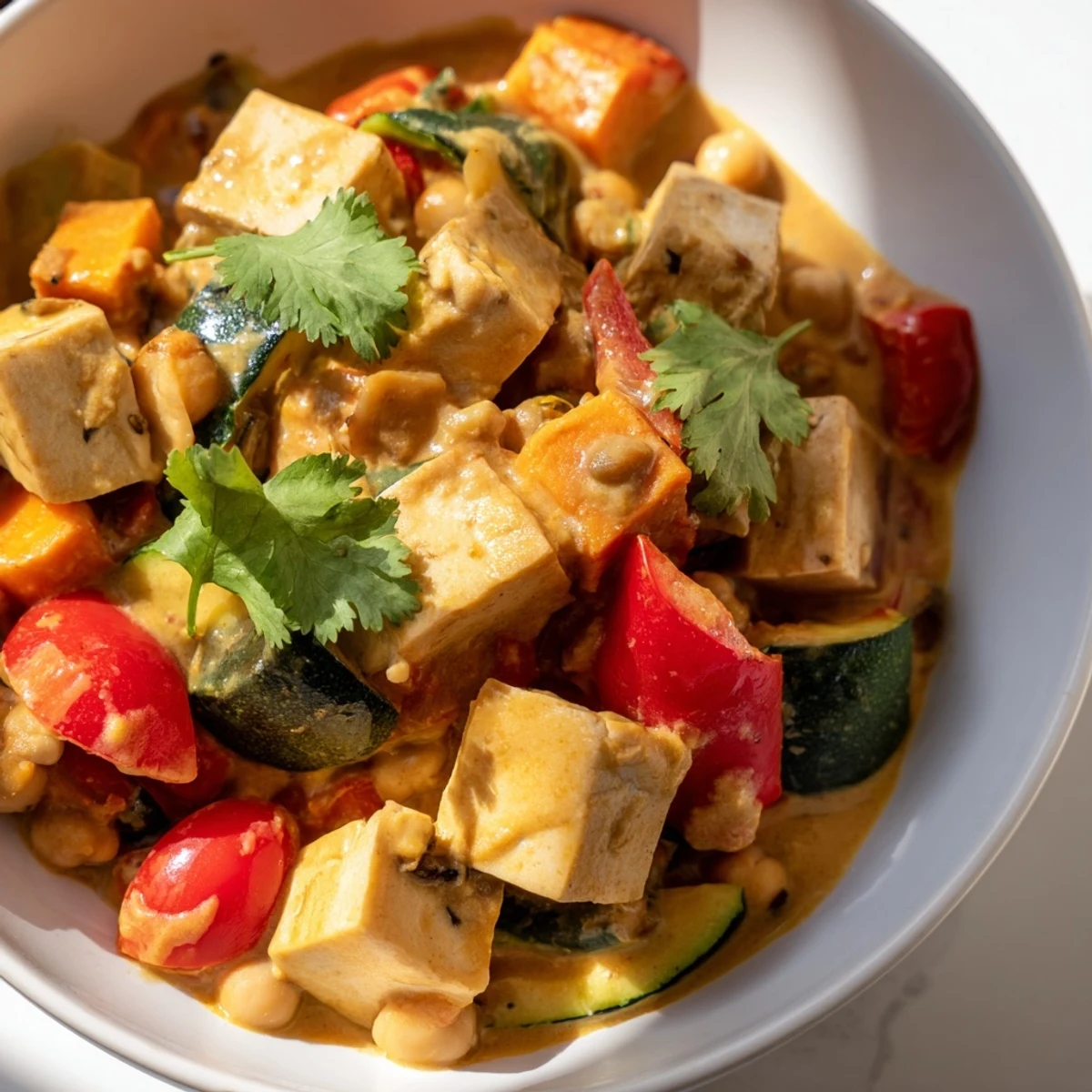
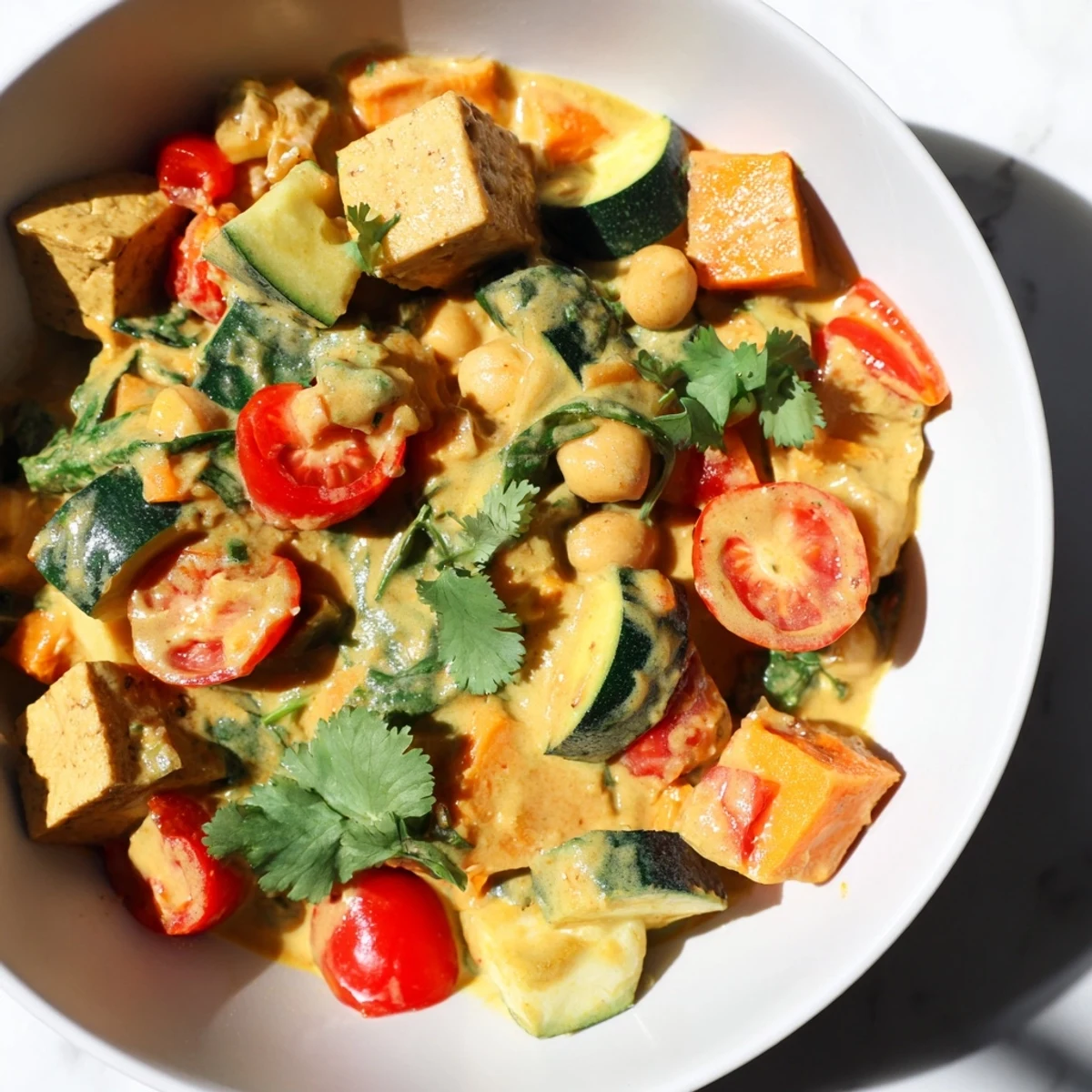
Save This vibrant dish highlights seasonal vegetables and legumes simmered with warming spices and creamy coconut milk, creating a nourishing, high-protein meal. Featuring chickpeas and tofu for plant-based protein, it blends sweet potato, bell pepper, zucchini, and spinach for balanced flavor and texture. The gentle simmering melds spices like cumin, coriander, turmeric, and garam masala, resulting in a comforting and wholesome dish ideal for an easy, satisfying main course. Fresh lemon juice and cilantro add brightness and freshness.
One autumn afternoon, I was standing in my kitchen with a pile of vegetables that needed using up before they wilted, and I thought: what if I made something that felt both warming and bright? That's when this curry came together, and it surprised me how the tofu soaked up every spice while the chickpeas added this satisfying chew. My friend Marco stopped by halfway through cooking and said the smell alone was worth the visit, and honestly, he wasn't wrong.
I remember making this for my sister when she went plant-based, and I was nervous she'd find it bland or boring. But watching her close her eyes on that first spoonful, tasting all those layers of spice and cream, made me realize this wasn't a compromise recipe at all—it was genuinely delicious on its own terms.
Ingredients
- Chickpeas: Buy them canned so you're not soaking overnight, and rinse them well to reduce any tinny taste or excess sodium.
- Firm tofu: The firmer the tofu, the better it holds its shape and absorbs the curry sauce like a sponge.
- Sweet potato: Cutting it into small, even cubes means it cooks at the same pace as everything else.
- Red bell pepper: Sweet and slightly fruity, it balances the heat from the chili powder.
- Zucchini: Adds texture without overpowering the other flavors; slice it thicker so it doesn't disappear into mush.
- Baby spinach: Stir it in at the very end so it wilts into silky ribbons without getting bitter.
- Cherry tomatoes: Their burst of acidity brightens everything, especially the rich coconut base.
- Onion, garlic, and ginger: This trio is the flavor foundation; don't skip sautéing them first.
- Ground cumin, coriander, and turmeric: Toast these together in the pan so their essential oils wake up and perfume the whole pot.
- Garam masala: Add it near the end of cooking to preserve its complex, warm notes.
- Coconut milk: Use light coconut milk to keep the dish from feeling too heavy, but it still brings that creamy richness.
- Vegetable broth: This keeps the curry saucy and lets all the flavors mingle together.
- Olive oil: It's your cooking medium and helps release the flavors of the spices.
- Lemon juice: A squeeze at the end brightens everything and cuts through the richness of the coconut.
Instructions
- Sauté your base:
- Heat the olive oil in a large pot over medium heat and add the diced onion. Listen for that soft sizzle as the onion becomes translucent and sweet, which takes about three minutes. This is where all the good flavor starts.
- Bloom the aromatics:
- Stir in your minced garlic and grated ginger, and let them cook for just one minute until your whole kitchen smells like a spice market. Don't let them brown or they'll turn bitter.
- Cook the vegetables:
- Add the sweet potato, red bell pepper, and zucchini, and give everything a good stir. Watch them start to soften at the edges after about five minutes, which is your signal that they're ready for the spices.
- Toast the spices:
- Sprinkle in the cumin, coriander, turmeric, chili powder, and black pepper, then stir everything together so the spices coat the vegetables and release their warm, toasty flavors. This is the moment the curry transforms from a vegetable sauté into something aromatic and inviting.
- Build the sauce:
- Add the chickpeas, cubed tofu, cherry tomatoes, coconut milk, and vegetable broth, stirring until everything is submerged. The pot will smell incredible at this point, and that's how you know you're on track.
- Simmer gently:
- Bring the curry to a gentle boil, then lower the heat and let it simmer uncovered for about twenty minutes. The sweet potato should become fork-tender, and the sauce should thicken slightly as it bubbles away. The tofu and chickpeas will be warm all the way through, soaking up every spice.
- Finish with heat and brightness:
- Stir in the garam masala, salt, and baby spinach, and cook for just two minutes until the spinach wilts into dark, silky ribbons. Then remove from the heat and squeeze in the lemon juice, which adds a sharp note that makes all the warm spices shine.
- Serve and garnish:
- Spoon the curry into bowls and scatter fresh cilantro over the top for a pop of green and herbaceous freshness that ties everything together.
 Save
Save What moved me most about this curry was how it became my go-to dish when I wanted to prove to myself that plant-based eating wasn't restrictive—it was just different, and different can be deeply satisfying. Now whenever someone says they're unsure about cooking vegan food, I make them this.
Why This Curry Feels Like Home
There's something about the warmth of a coconut-based curry that makes you feel held, whether you're eating it alone on a cold evening or sharing it with people you love. The spices don't just flavor the dish; they seem to warm you from the inside out in a way that feels almost medicinal. I've learned that a good curry is less about following exact measurements and more about tasting as you go and adjusting the heat, salt, and brightness to match your mood.
What to Serve It With
I usually make a batch of brown rice or quinoa to serve alongside, which absorbs the curry sauce and makes the whole meal feel more substantial. Cauliflower rice works too if you want to keep things light, and honestly, the curry is rich enough that you don't need much else. A simple side salad with lime dressing can cut through the coconut richness if you're feeling like something fresh and crisp to balance the warming spices.
Making It Your Own
The beauty of this curry is that it's forgiving and flexible, which is why it's become such a regular in my kitchen. If butternut squash is in season, it works beautifully here; same with kale, green beans, or whatever vegetables are calling to you from the farmer's market. I've even added a handful of cashews near the end for richness, or stirred in a spoonful of almond butter to deepen the sauce, and both worked wonderfully.
- Swap the tofu for paneer if you eat dairy, or chicken if you prefer poultry, and the cooking time barely changes.
- If the curry feels too thick after simmering, add more broth a splash at a time until you reach the consistency you like.
- Leftover curry freezes beautifully for up to three months, so don't hesitate to make a double batch for future you.
 Save
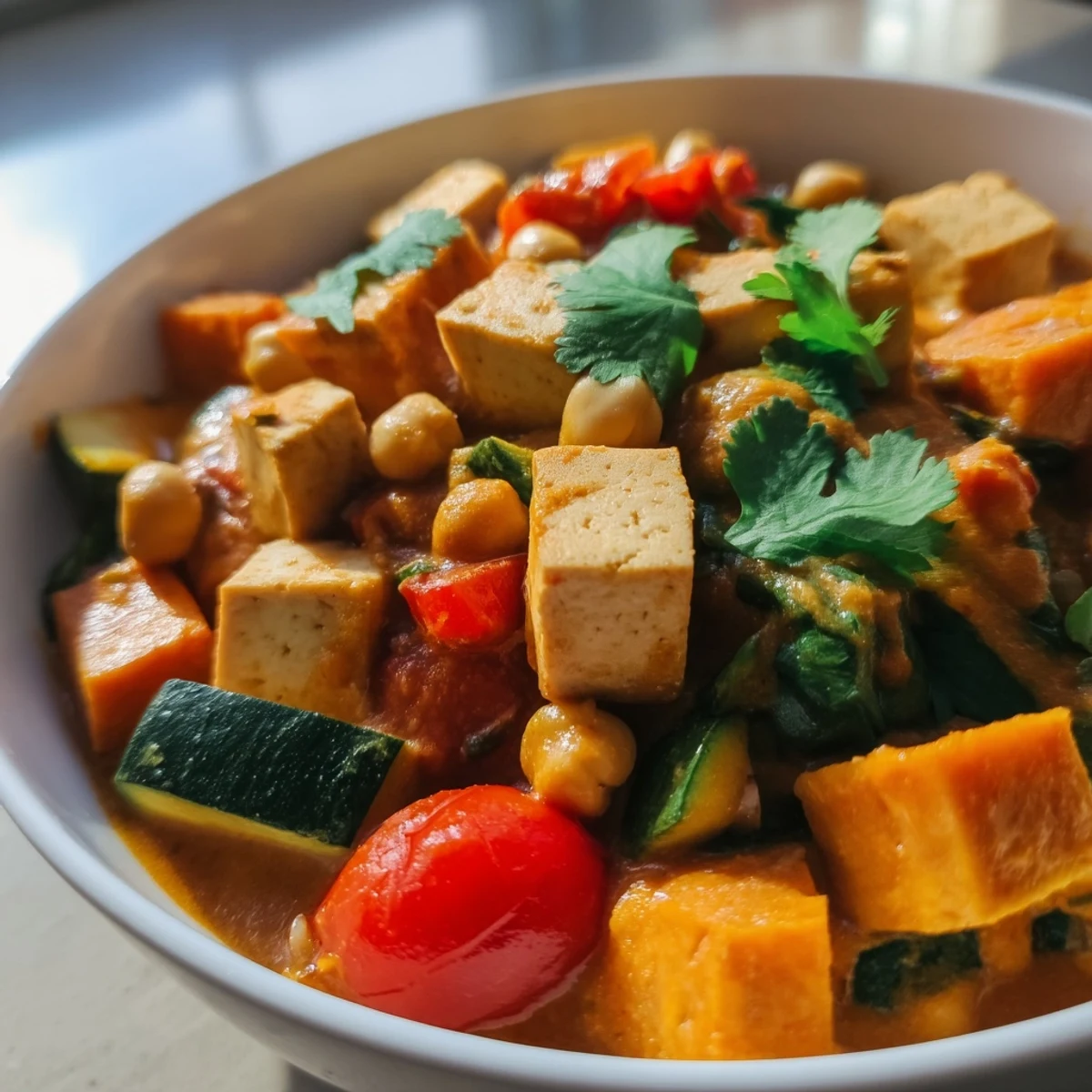
Save This curry has taught me that wholesome cooking doesn't mean boring, and satisfying doesn't mean heavy. Every time I make it, I'm reminded that the best meals are the ones that nourish both your body and your sense of comfort.
Recipe FAQs
- → What protein sources are featured in this dish?
-
Chickpeas and tofu provide a rich, plant-based protein blend.
- → Can I substitute the tofu with other proteins?
-
Yes, paneer or chicken can be used as alternatives depending on dietary preferences.
- → Which spices give this dish its distinctive flavor?
-
Cumin, coriander, turmeric, chili powder, black pepper, and garam masala create a warm, aromatic profile.
- → What vegetables are included for a nutrient boost?
-
Sweet potato, red bell pepper, zucchini, baby spinach, and cherry tomatoes provide varied textures and nutrients.
- → How can the spiciness be adjusted?
-
Modify the chili powder quantity to achieve your preferred heat level.
- → What are recommended serving options?
-
Serve with brown rice, quinoa, or cauliflower rice for a complete, filling meal.