
 Save
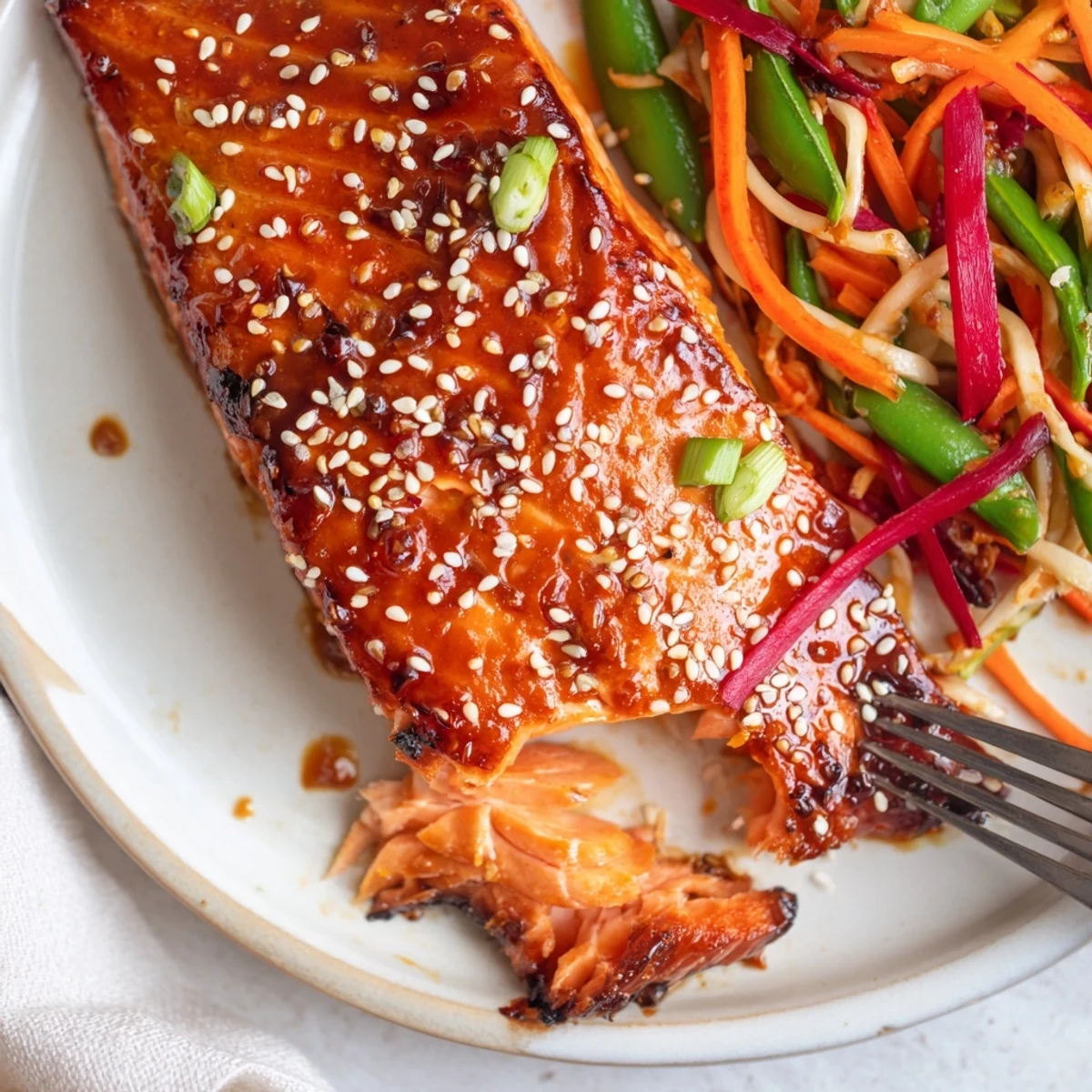
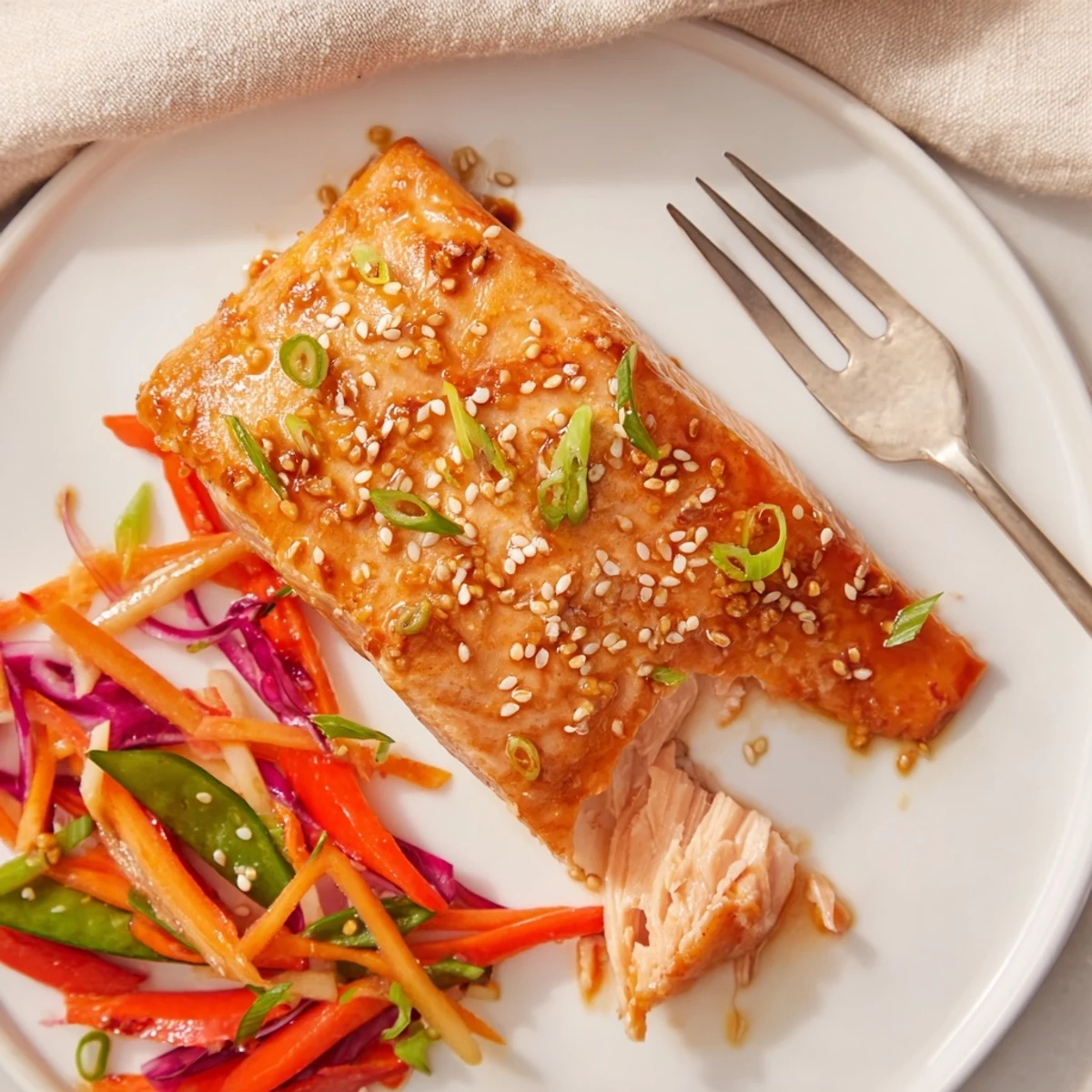
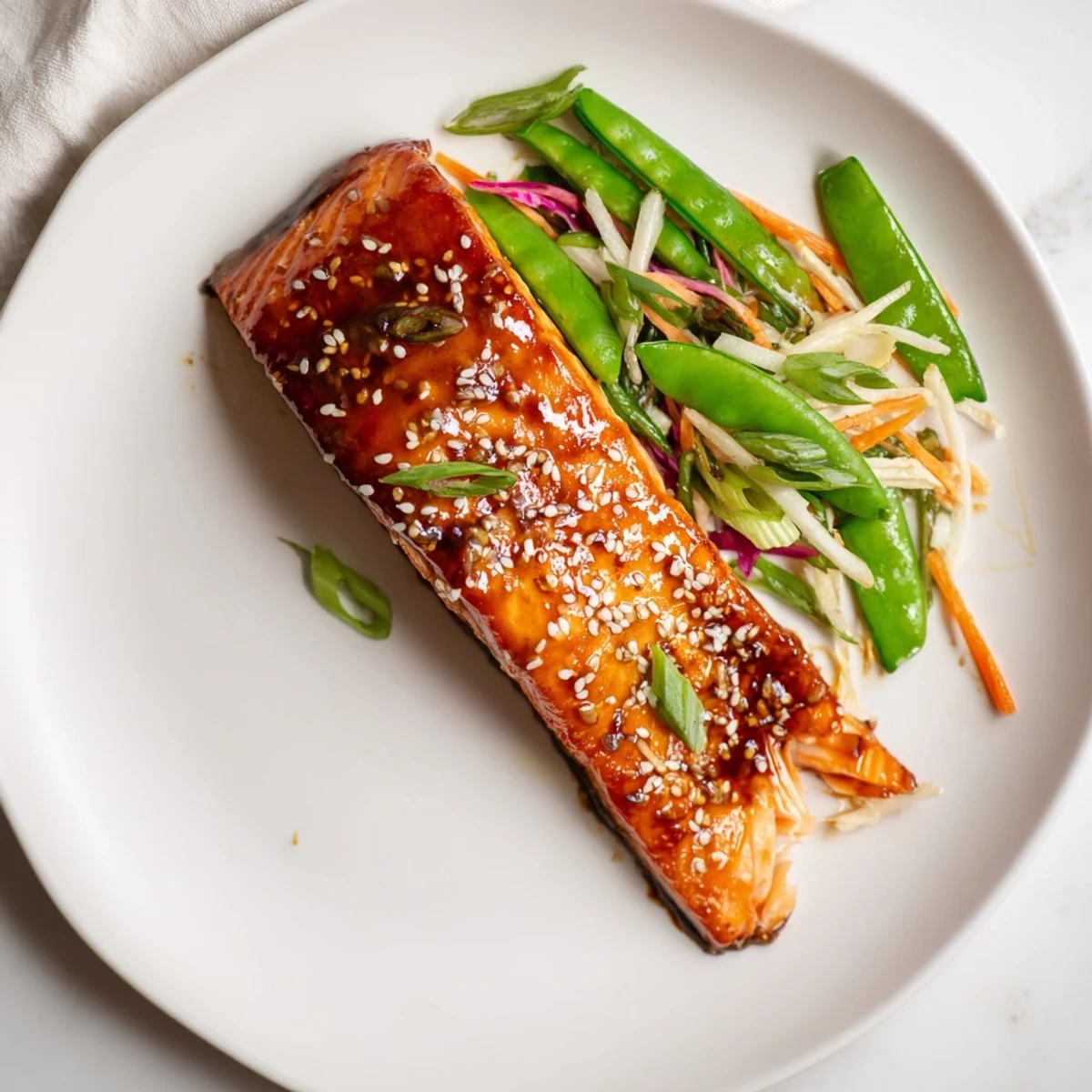
Save In this dish, salmon fillets are brushed with a white miso, ginger, soy, honey and rice vinegar glaze, left to sit briefly, then baked until just flaky. While fish cooks, thinly sliced snap peas, carrots, red cabbage and scallions are tossed with a toasted sesame, rice vinegar and ginger dressing and sprinkled with sesame seeds for crunch. Serve fish alongside the slaw over rice or greens; swap tamari for gluten-free.
The smell of miso hitting a hot oven is one of those things that makes everyone in the house wander into the kitchen asking what is for dinner. My neighbor actually knocked on my door once thinking I was ordering takeout from some hidden restaurant she had not discovered yet. That umami rich caramelized edge you get on salmon when miso and honey bake together is genuinely hard to beat. It became my Tuesday night staple last summer when I wanted something fast but still felt like I was putting effort into dinner.
I made this for my sister the night she moved into her new apartment, standing in a kitchen with exactly one mixing bowl and a baking sheet borrowed from the neighbor. We ate cross legged on the floor because the furniture delivery was delayed, balancing plates on moving boxes, and she looked at me mid bite and said this was already the best thing about the new place. Sometimes the best meals happen when everything else is a mess.
Ingredients
- 4 salmon fillets (5 to 6 oz each): Skin on or off both work, but skin on helps hold the fish together and gets deliciously crispy if you sear it first.
- White miso paste: This is the heart of the glaze and adds deep savory complexity that salt alone cannot achieve.
- Fresh ginger: Grate it finely so it melts into the marinade rather than leaving chewy bits on the fish.
- Soy sauce or tamari: Tamari keeps it gluten free and is slightly richer, but regular soy sauce works beautifully.
- Honey or maple syrup: Either one adds the sweetness that helps the glaze caramelize under high heat.
- Rice vinegar: A mild acidity that brightens the glaze and balances the salty miso.
- Sesame oil: Just a tablespoon adds a toasty nutty aroma that ties everything to the Asian flavor profile.
- Garlic clove: One is enough here since ginger is already doing heavy lifting in the flavor department.
- Snap peas: Slice them on the diagonal for the best texture and visual appeal in the slaw.
- Carrots: Julienned carrots give the slaw a satisfying crunch and a pop of orange color.
- Red cabbage: Adds beautiful color and holds up well without wilting.
- Scallions and sesame seeds: These are your finishing touches that make the slaw feel complete and polished.
- Sriracha or chili garlic sauce (optional): A teaspoon in the slaw dressing gives a gentle heat that does not overpower.
Instructions
- Preheat and prepare:
- Set your oven to 400 degrees F and line a baking sheet with parchment paper so the glaze does not stick and cleanup is effortless.
- Whisk the glaze:
- In a small bowl, combine the miso paste, grated ginger, soy sauce, honey, rice vinegar, sesame oil, and minced garlic, whisking until completely smooth with no lumps of miso hiding in corners.
- Coat the salmon:
- Place the fillets on your prepared baking sheet and brush the glaze generously over each one, saving a little extra to dab on top right before baking for a thicker crust.
- Let it rest:
- Leave the salmon sitting at room temperature for about 10 minutes while you prep the slaw, which helps the fish cook more evenly.
- Build the slaw:
- Toss the sliced snap peas, julienned carrots, red cabbage, scallions, and sesame seeds together in a large bowl until evenly mixed and colorful.
- Make the slaw dressing:
- Whisk rice vinegar, soy sauce, sesame oil, honey, grated ginger, and sriracha if using, then pour it over the vegetables and toss until everything is lightly coated and glistening.
- Bake the salmon:
- Slide the baking sheet into the oven for 10 to 12 minutes, watching for the glaze to bubble and caramelize while the fish turns opaque and flakes easily with a fork.
- Plate and serve:
- Arrange each salmon fillet over or beside a generous pile of slaw, sprinkle with extra sesame seeds or scallions, and serve immediately while the fish is warm and the slaw is still crisp.
 Save
Save 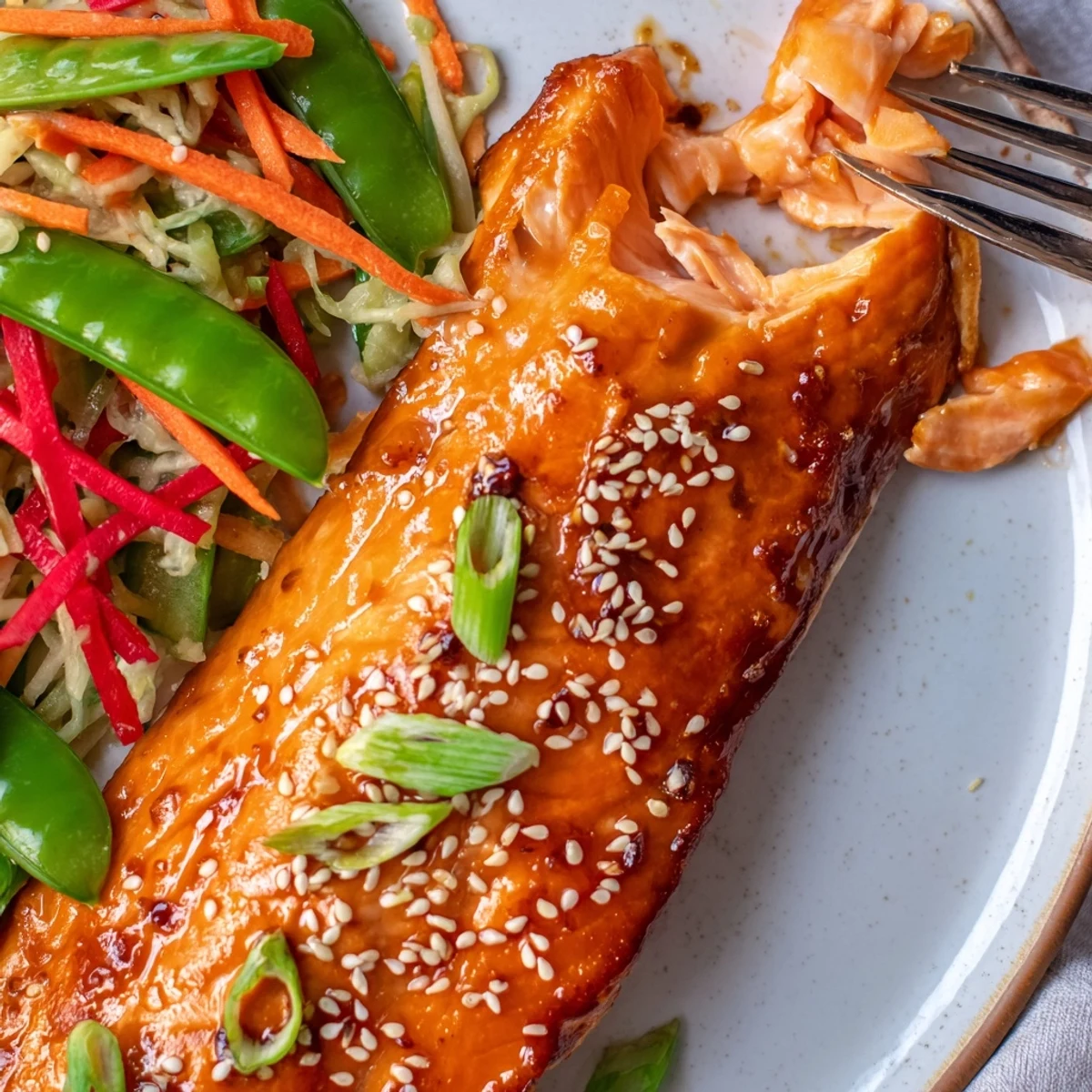 Save
Save There is something about the colors on this plate that makes it impossible not to photograph before eating. The deep golden glaze against that bright purple cabbage and green snap peas looks like you spent hours planning it.
What to Serve Alongside
Steamed brown rice or quinoa are the most natural companions here because they soak up any extra glaze that runs off the salmon. I have also served this over a bed of soba noodles tossed with a splash of soy sauce and sesame oil on busy nights when I wanted something more filling.
Making It Your Own
Add sliced radishes or shelled edamame to the slaw for extra crunch and protein if you are feeding hungrier appetites. A cold glass of dry Riesling or chilled sake alongside turns a random Tuesday dinner into something that feels intentional and a little special.
Storing and Reheating
The slaw actually improves after a night in the fridge as the flavors meld together, making it perfect for next day lunches. The salmon is best eaten fresh but reheats gently in a low oven if you want to preserve the texture of that caramelized glaze.
- Store the salmon and slaw separately so the fish does not make the vegetables soggy.
- Reheat salmon at 300 degrees F for about 8 minutes rather than using a microwave.
- Always taste the slaw dressing before serving and add a splash more rice vinegar if it needs waking up.
 Save
Save 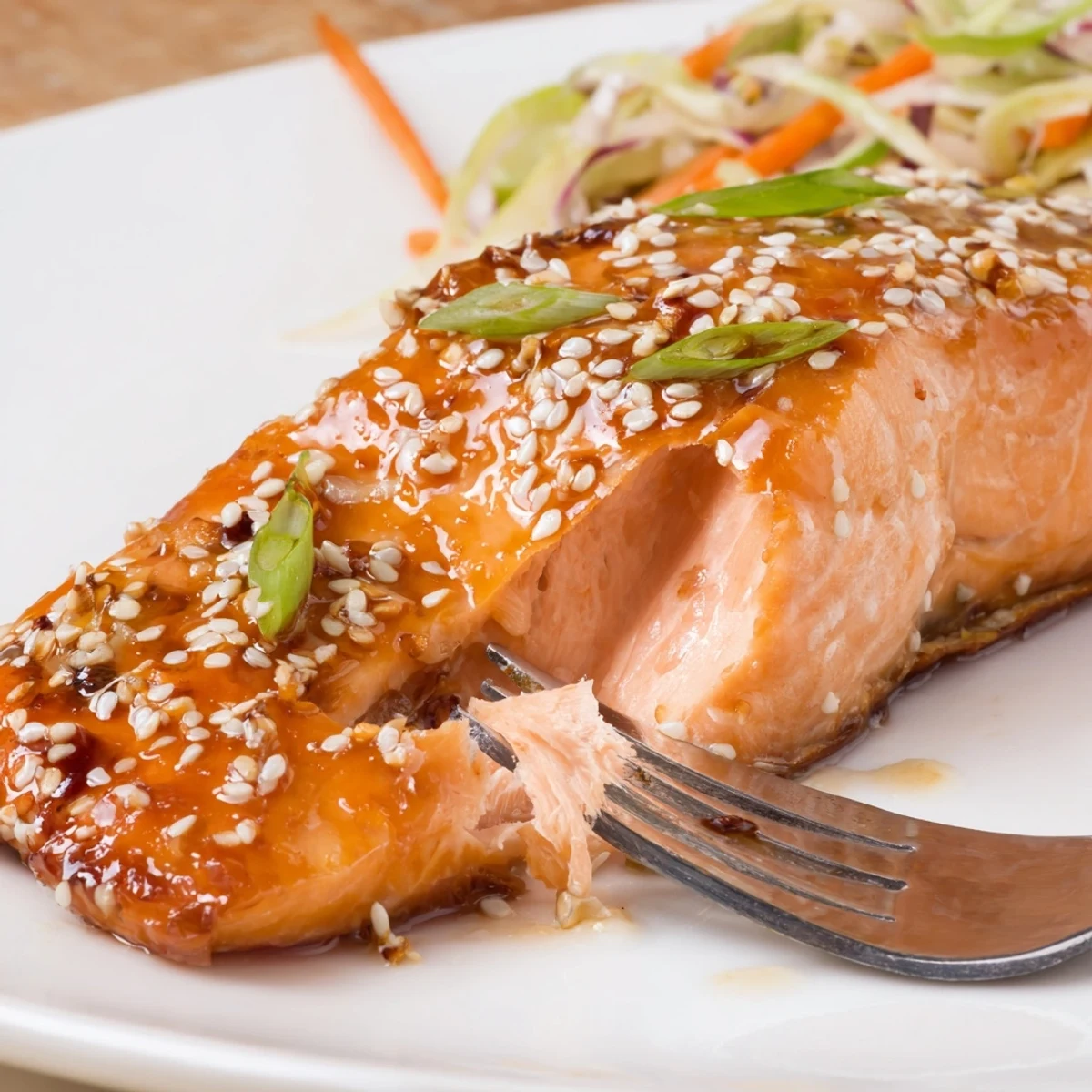 Save
Save This is the kind of recipe that reminds you weeknight dinners do not have to be boring or complicated to feel special. Keep some miso paste in your fridge and you are never far from a meal worth remembering.
Recipe FAQs
- → How long should the miso-ginger glaze sit on the salmon?
-
Ten minutes at room temperature is enough for the glaze to flavor the fillets without drawing out moisture. For a deeper taste, refrigerate up to 30 minutes, but keep the fish covered and bring briefly to room temp before baking.
- → Should I cook the salmon skin-on or skinless?
-
Both work well. Skin-on gives a crisp texture if you roast or pan-sear skin-side down first; skinless bakes more evenly for quick, flaky fillets. Remove or serve the skin as preferred.
- → How do I keep the snap pea slaw crisp?
-
Slice snap peas thin on the diagonal, dress the vegetables just before serving, and toss gently. If making ahead, keep the dressing separate and combine within an hour to preserve crunch.
- → What gluten-free swaps are recommended?
-
Use tamari in place of soy sauce and confirm the miso paste is gluten-free. Rice vinegar, sesame oil and maple syrup are naturally gluten-free options for the glaze and dressing.
- → Can I cook the salmon on the stovetop or grill instead?
-
Yes. Sear the fillets skin-side down on medium-high until crisp, then finish in a hot oven for a few minutes, or grill over medium heat until just opaque and flaky, brushing with glaze while cooking.
- → What sides and drinks pair nicely with this dish?
-
Serve with brown rice, quinoa, or a bed of greens; add edamame or sliced radishes for texture. A dry Riesling or cold sake complements the miso and sesame flavors well.