
 Save
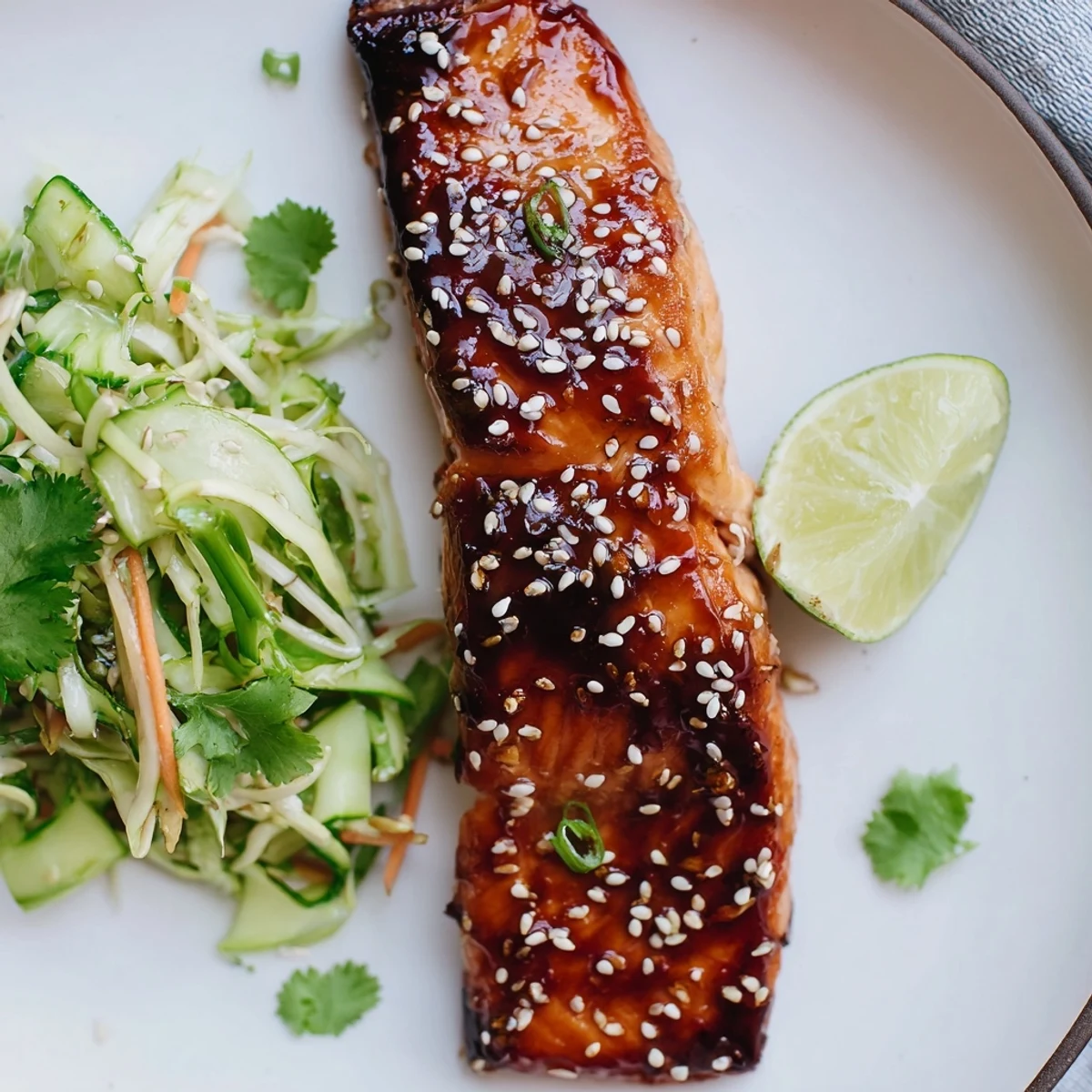
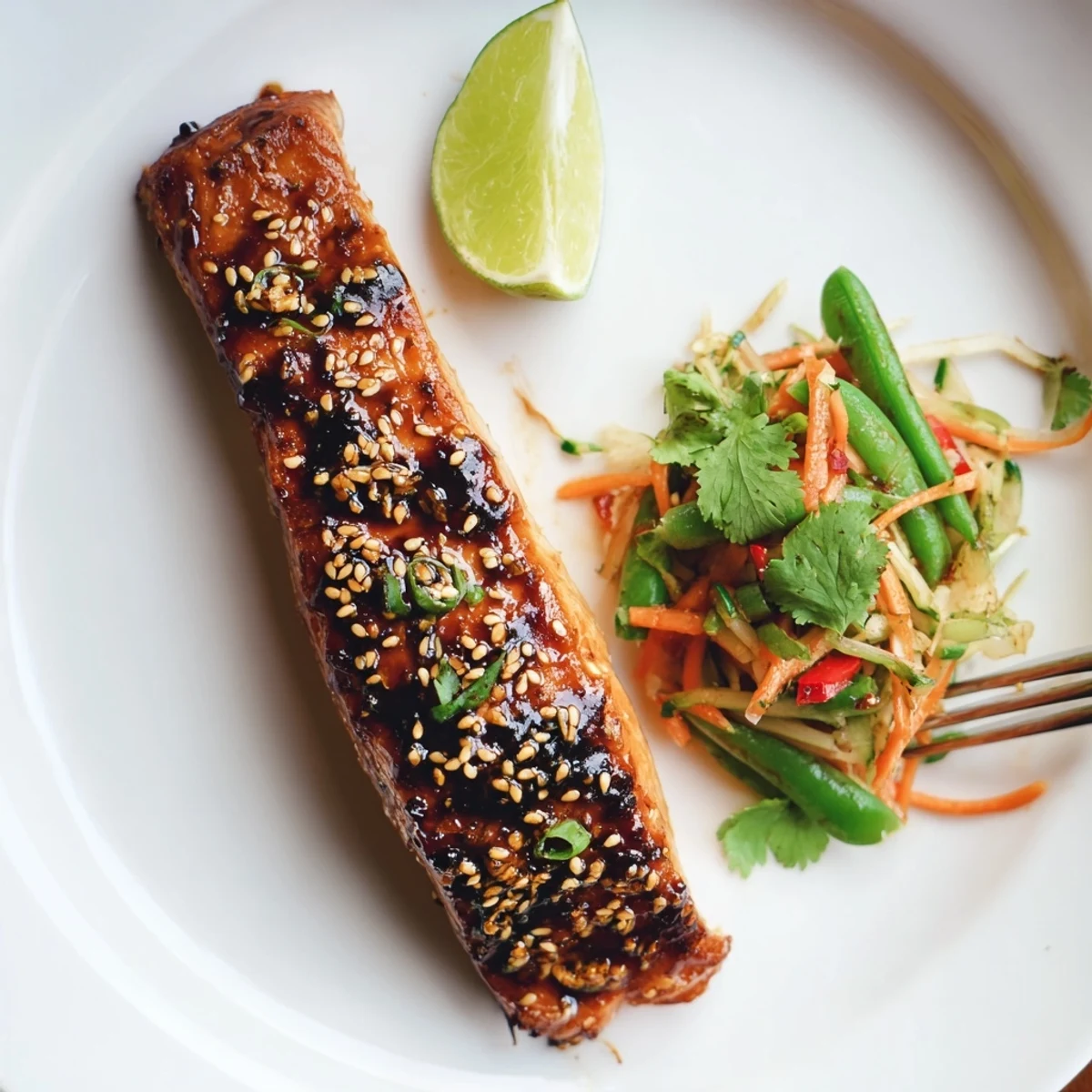
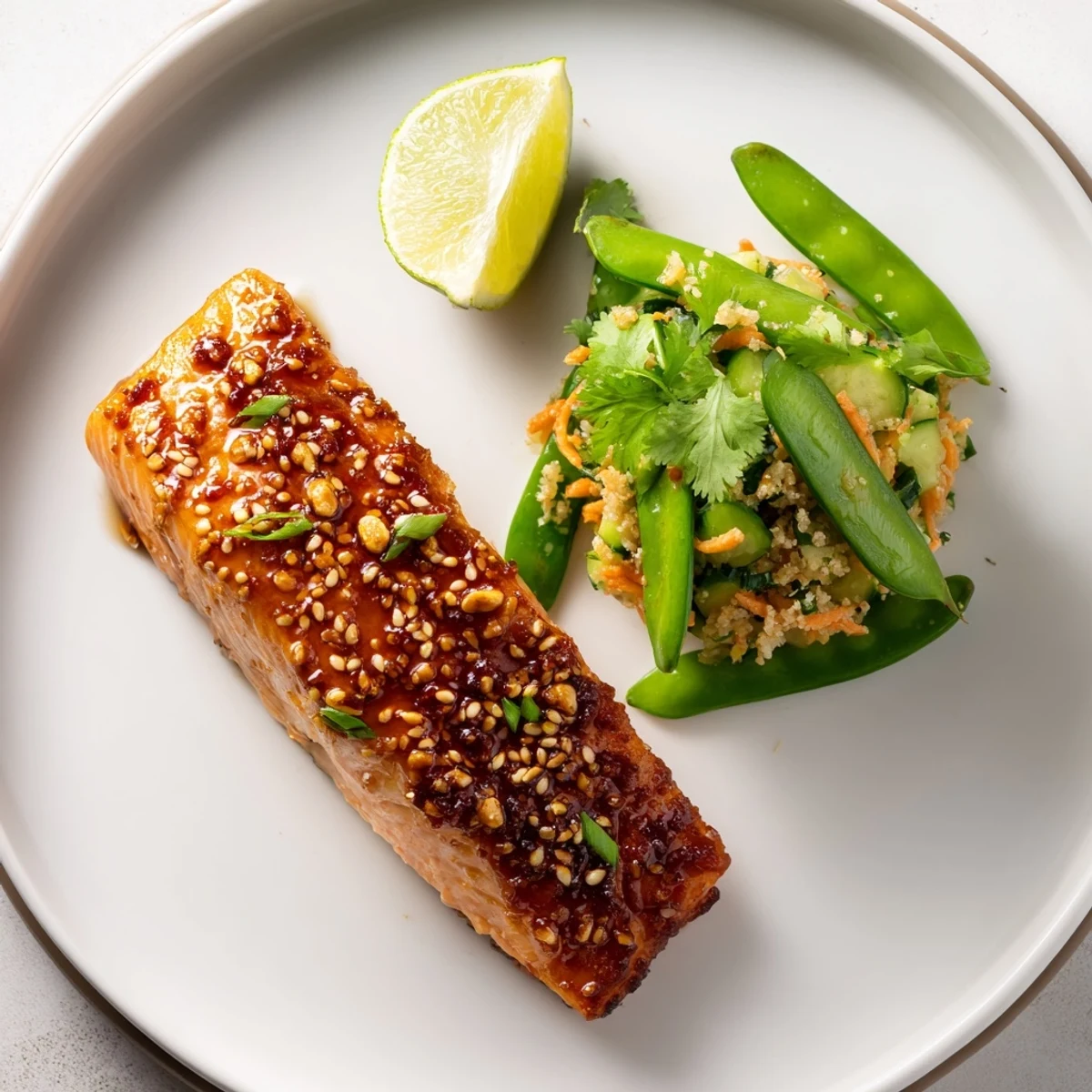
Save Bright miso-ginger glaze coats salmon fillets, left to marinate briefly before baking until just opaque for tender, flaky results. A sesame-scented snap pea and cucumber slaw tossed with rice vinegar, toasted sesame oil, and a touch of honey adds crisp contrast. Swap tamari for gluten-free or grill the fish for smoky char. Finish with fresh herbs, extra sesame seeds and lime wedges.
The smell of miso toasting on salmon fillets is the kind of thing that makes neighbors knock on your door and ask what on earth you are cooking. I discovered this combination one rainy Tuesday when the fridge held nothing but a lonely piece of fish and half a cucumber, and desperation turned into the best dinner of that entire week. The ginger hits your nose first, warm and faintly sweet, then the sesame oil rounds everything out like a low hum underneath a song. It has been on repeat in my kitchen ever since.
I served this to my sister the night she told me she was moving across the country, and we both sat at the kitchen table barely talking because the salmon was that good and the news was that heavy. She asked for the recipe before she left, which is how I knew everything was going to be fine between us regardless of the distance.
Ingredients
- 4 salmon fillets (about 150 g each): Skin on gives you a crisp bottom but skin off works beautifully too, so choose whatever makes you happy.
- 2 tablespoons white miso paste: This is the backbone of the glaze and the deeper umami flavor comes from using a good quality paste.
- 1 tablespoon freshly grated ginger: Freeze your ginger first and it grates into a fine paste without any stringy bits.
- 2 tablespoons soy sauce: Brings salt and depth that ties the sweet and sharp elements together.
- 1 tablespoon honey or maple syrup: Helps the glaze caramelize and balances the saltiness of the miso perfectly.
- 1 tablespoon rice vinegar: Adds a subtle tang that keeps the glaze from feeling too heavy.
- 1 tablespoon sesame oil: A little goes a long way and its nutty aroma is what makes this dish smell incredible.
- 1 garlic clove, finely minced: Fresh garlic melted into the glaze is nonnegotiable for me.
- 1 teaspoon sriracha or chili paste: Entirely optional but a gentle warmth behind the sweetness is a lovely surprise.
- 150 g snap peas, thinly sliced on the diagonal: Cutting them this way exposes more surface area and makes every bite more tender.
- 1 medium cucumber, seeds removed, julienned: Removing the seeds keeps the slaw from getting watery after it sits.
- 2 spring onions, thinly sliced: Their mild bite is exactly what raw vegetables need to feel complete.
- 1 small carrot, julienned: Adds a pop of orange and a sweetness that plays nicely with the vinegar.
- 2 tablespoons toasted sesame seeds: Toast them yourself in a dry pan for a flavor that is noticeably richer than the store bought kind.
- Fresh cilantro or mint, extra sesame seeds, and lime wedges for garnish: A squeeze of lime at the end brightens the whole plate.
Instructions
- Preheat and prepare the tray:
- Set your oven to 200 degrees Celsius (400 degrees Fahrenheit) and line a baking tray with parchment paper so the glaze does not stick and cleanup is effortless.
- Whisk the glaze together:
- In a small bowl, combine the miso paste, grated ginger, soy sauce, honey, rice vinegar, sesame oil, minced garlic, and sriracha if you are using it, whisking until the mixture is smooth and unified with no lumps of miso hiding in corners.
- Coat the salmon:
- Pat the fillets dry with paper towels and lay them on the prepared tray, then brush the glaze generously over the top and sides, letting them sit at room temperature for about ten minutes so the flavors begin to soak in.
- Build the slaw:
- Toss the sliced snap peas, julienned cucumber, spring onions, and carrot together in a large bowl, then whisk the rice vinegar, sesame oil, honey, soy sauce, ginger, and salt in a separate small bowl and pour it over the vegetables, finishing with the sesame seeds and a final toss.
- Bake the salmon:
- Slide the tray into the oven and bake for ten to twelve minutes until the salmon is just opaque in the center and the glaze has turned a gorgeous burnished amber on top.
- Plate and garnish:
- Set each fillet beside a generous heap of slaw and scatter fresh herbs, extra sesame seeds, and lime wedges over everything so each person can squeeze and sprinkle to their liking.
 Save
Save That night with my sister turned into a ritual, and every time she visits we make this salmon together and eat it standing at the counter before it even reaches a plate.
Storing and Reheating
Leftover salmon keeps well in the fridge for up to two days and reheats gently in a low oven without losing much of its tenderness. The slaw is best eaten the same day but will still taste decent the next afternoon if you drain off the extra liquid first.
Making It Your Own
Grilling the salmon instead of baking it adds a smoky char that pairs beautifully with the sweet glaze. You could also swap snap peas for snow peas, toss in some julienned radishes or red bell pepper, or use tamari instead of soy sauce to keep it gluten free.
What to Serve Alongside
A bowl of steamed jasmine rice soaks up the glaze like nothing else, and a cold beer or sparkling water with lime rounds out the meal without any fuss. This is the kind of dinner that feels special enough for guests but simple enough for a random weeknight when you just want something good.
- Keep a batch of cooked rice in the fridge so this meal comes together in under twenty minutes on busy nights.
- Double the slaw dressing and store the extra in a jar for salads throughout the week.
- Remember that the salmon continues cooking slightly after you pull it from the oven, so take it out just before you think it is done.
 Save
Save Some recipes earn a permanent spot in your rotation not because they are flashy but because they deliver every single time with minimal effort and maximum flavor. This is one of those, and I hope it finds its way into your kitchen as often as it has found its way into mine.
Recipe FAQs
- → How long should the salmon marinate?
-
About 10 minutes at room temperature is enough for thin fillets to absorb the miso-ginger flavors; up to 30 minutes in the fridge yields deeper flavor. Avoid very long marinating times as miso can start to cure the surface.
- → What temperature and time for baking the salmon?
-
Preheat to 200°C (400°F) and bake for 10–12 minutes depending on thickness, until just opaque in the center. Thicker fillets may need a few extra minutes; check early to avoid overcooking.
- → Can the slaw be made ahead of time?
-
You can prep the vegetables a few hours ahead and keep them chilled. Store the dressing separately and toss just before serving to preserve the slaw's crisp texture and vibrant color.
- → How can I make this gluten-free?
-
Swap soy sauce for tamari or coconut aminos and confirm your miso paste is labeled gluten-free. Those swaps keep the savory profile while removing gluten-containing ingredients.
- → Any tips for boosting sesame flavor?
-
Use toasted sesame oil in the dressing and finish with extra toasted sesame seeds. For more depth, stir a teaspoon of tahini or toasted sesame paste into the dressing.
- → What’s the best way to reheat leftovers?
-
Gently reheat salmon in a low oven (about 150°C / 300°F) for 8–10 minutes covered with foil to prevent drying; refresh the slaw cold or briefly toss with a little extra dressing.