
 Save
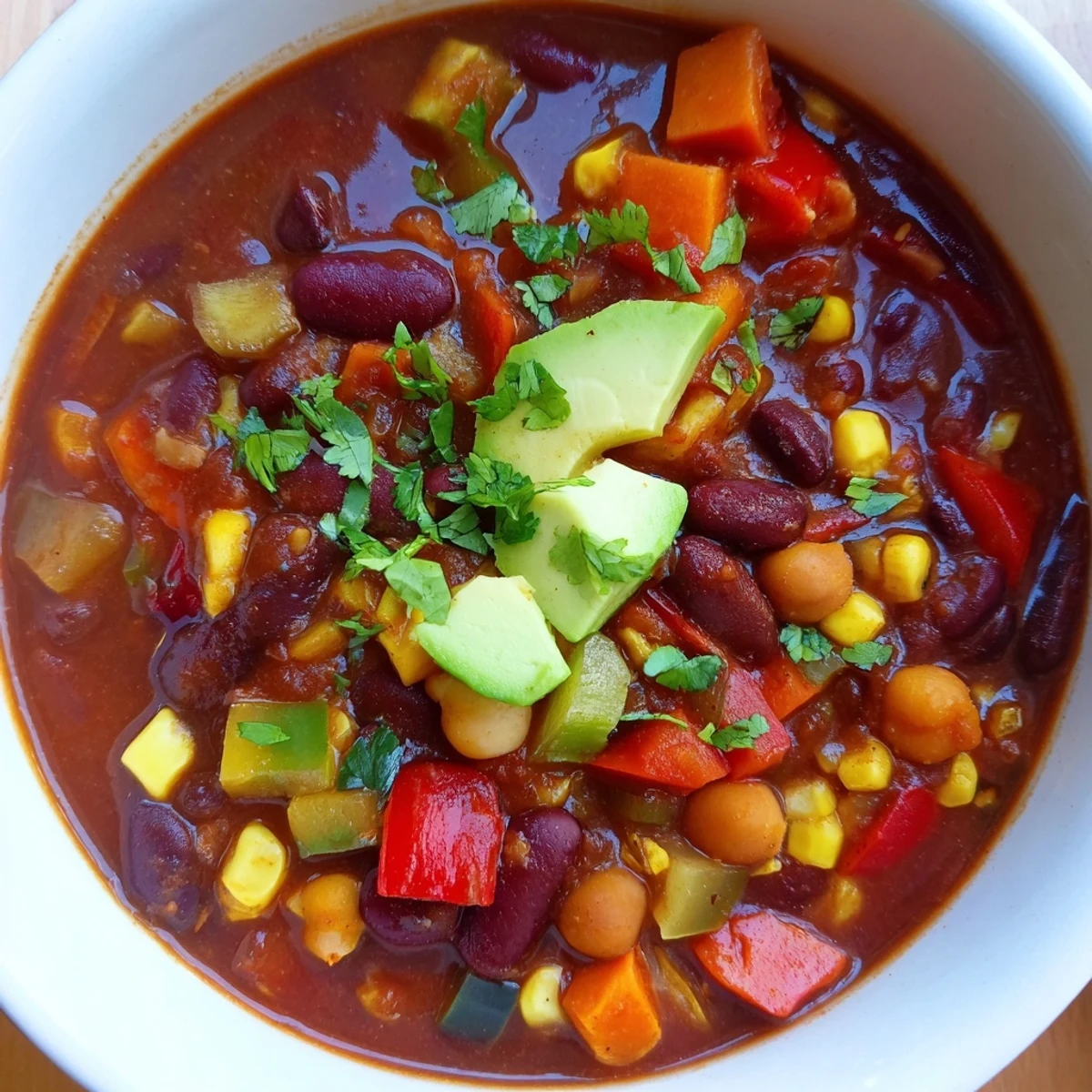
Save This vibrant Solstice Vegan Chili combines three types of beans with colorful vegetables and aromatic spices for a warming, plant-based meal. The base starts with sautéed aromatics, followed by bell peppers, zucchini, and carrots, all seasoned with chili powder, cumin, smoked paprika, and a hint of cinnamon.
The mixture simmers with tomatoes, corn, and vegetable broth until flavors meld beautifully. Finished in just one hour with minimal prep, this dish serves six and pairs wonderfully with bread, rice, or quinoa. Top with fresh cilantro, avocado, vegan sour cream, and lime for optimal flavor.
The first time I made my Solstice Vegan Chili was during that strange week between Christmas and New Year's when the house was still full of relatives but nobody knew what day it was. Outside, snow was piling up against the windows while inside, I was searching for something warming that could feed everyone regardless of their dietary preferences. The fragrance of toasting spices filled the kitchen, drawing curious faces one by one from different corners of the house.
My friend Elena, who swore she hated chili her entire life, happened to drop by during a particularly cold autumn evening when I had a pot simmering. The cinnamon note caught her attention first, then the smoky paprika. I watched her expression shift from polite interest to genuine surprise with her first spoonful. Now she asks for the recipe every time the temperature drops below 50 degrees.
Ingredients
- Three types of beans: Each brings something special—black beans for earthiness, kidney for heartiness, and chickpeas for that delightful pop between your teeth.
- Ground cinnamon: This might seem strange in chili, but it creates this subtle warmth that perfectly balances the acidity of the tomatoes.
- Smoked paprika: After forgetting regular paprika once, I discovered that the smoked variety adds a depth that makes people think the chili cooked all day, even when it didn't.
- Seasonal vegetables: I've thrown in everything from summer zucchini to autumn squash depending on what's around—the recipe forgives and even celebrates adaptability.
Instructions
- Start with the aromatics:
- Heat that olive oil until it shimmers, then toss in your diced onion. You'll know you're on the right track when your kitchen starts to smell like the beginning of every good meal you've ever had.
- Build your flavor base:
- When you add those spices in step 4, give them a moment to toast in the pot. That sizzle you'll hear is the essential oils being released, transforming your chili from good to unforgettable.
- Layer in the vegetables:
- I love adding them in stages based on how long they take to cook—carrots and celery first, peppers next, zucchini after. The texture difference matters when you take that perfect bite later.
- Let it mingle:
- Those 30-35 minutes of simmering aren't just about softening vegetables—they're about letting all those flavors get acquainted with each other. The chili always tastes better after they've had time to chat.
- Finish with flair:
- Don't skip the garnishes—they're not just pretty, they're functional. A squeeze of lime brightens everything, while avocado adds creaminess that takes this vegan dish to another level.
 Save
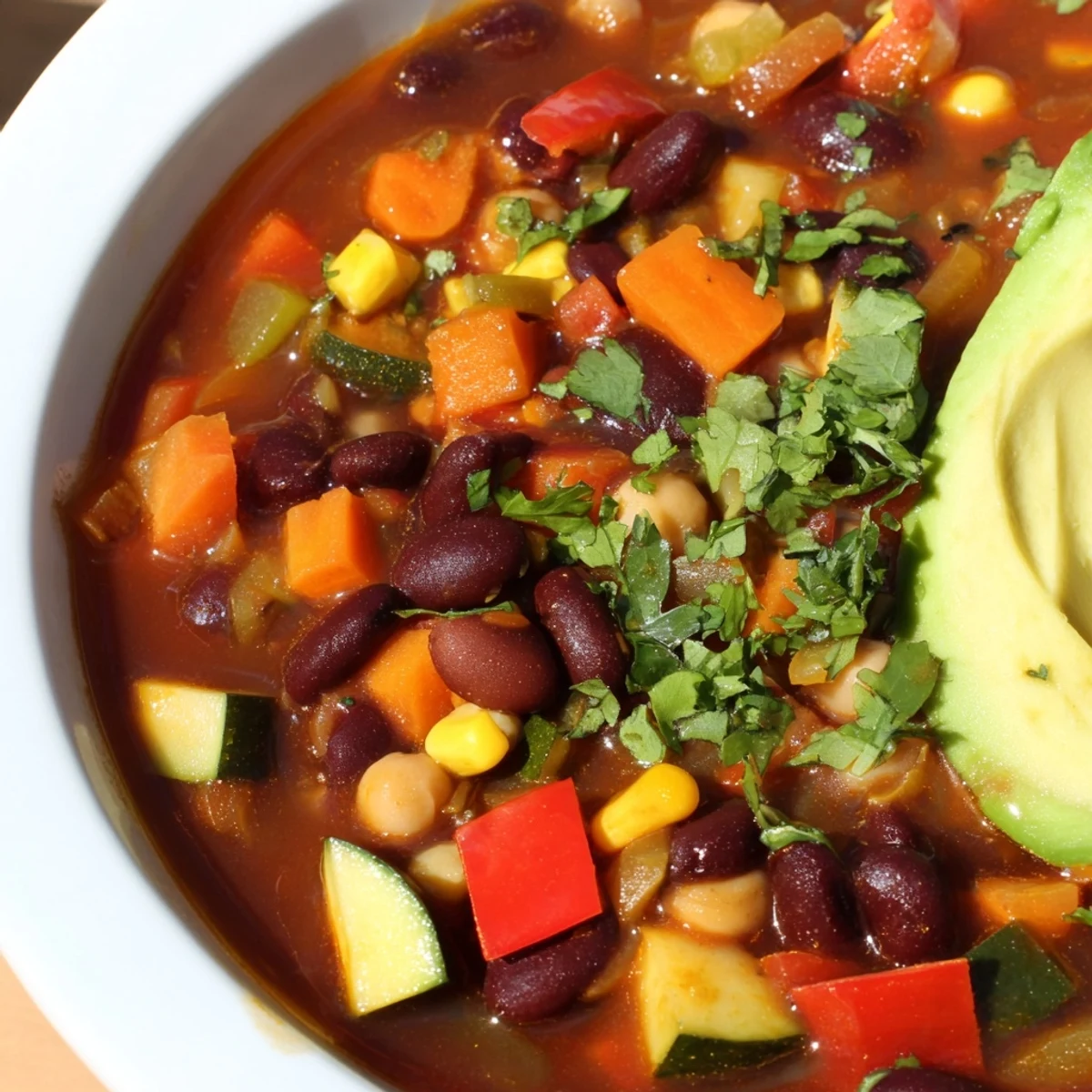
Save Two winters ago, I brought a large pot of this chili to our neighborhood's winter solstice gathering. As darkness fell earlier than any other day of the year, neighbors gathered around steaming bowls, sharing stories and plans for the coming season. Someone brought cornbread, another brought a guitar, and that chili—vibrant with its rainbow of vegetables—became a small but meaningful part of how our community welcomed the return of longer days.
Seasonal Adaptations
The beauty of this recipe lies in its chameleon-like ability to shift with the seasons. In summer, I throw in fresh corn cut straight from the cob and just-picked zucchini. Come fall, I often swap in cubed butternut squash or sweet potato, which break down slightly and add natural sweetness. Winter calls for heartier additions like kale stirred in during the last five minutes of cooking—something green and vital when the world outside seems dormant.
Serving Suggestions
While this chili stands proudly on its own, I've discovered it plays well with others. A scoop atop a baked potato creates a meal that satisfies the hungriest members of my household. Ladled over brown rice or quinoa, it stretches to feed unexpected guests. And once, during a particularly creative moment, I used leftover chili as a filling for stuffed bell peppers—the result was so good it's now part of my regular rotation.
Storage and Leftovers
The flavors in this chili deepen over time, making it one of those rare dishes that improves with age. I've kept it refrigerated for up to five days, watching the spices meld and mellow with each passing day. If you're batch cooking, portion cooled chili into freezer-safe containers, leaving a bit of headspace for expansion.
- To reheat from frozen, thaw overnight in the refrigerator for best texture results.
- Add a splash of fresh vegetable broth when reheating if the chili has thickened too much.
- Consider stirring in something fresh just before serving leftovers—chopped herbs or a squeeze of lime juice—to brighten the flavor profile.
 Save
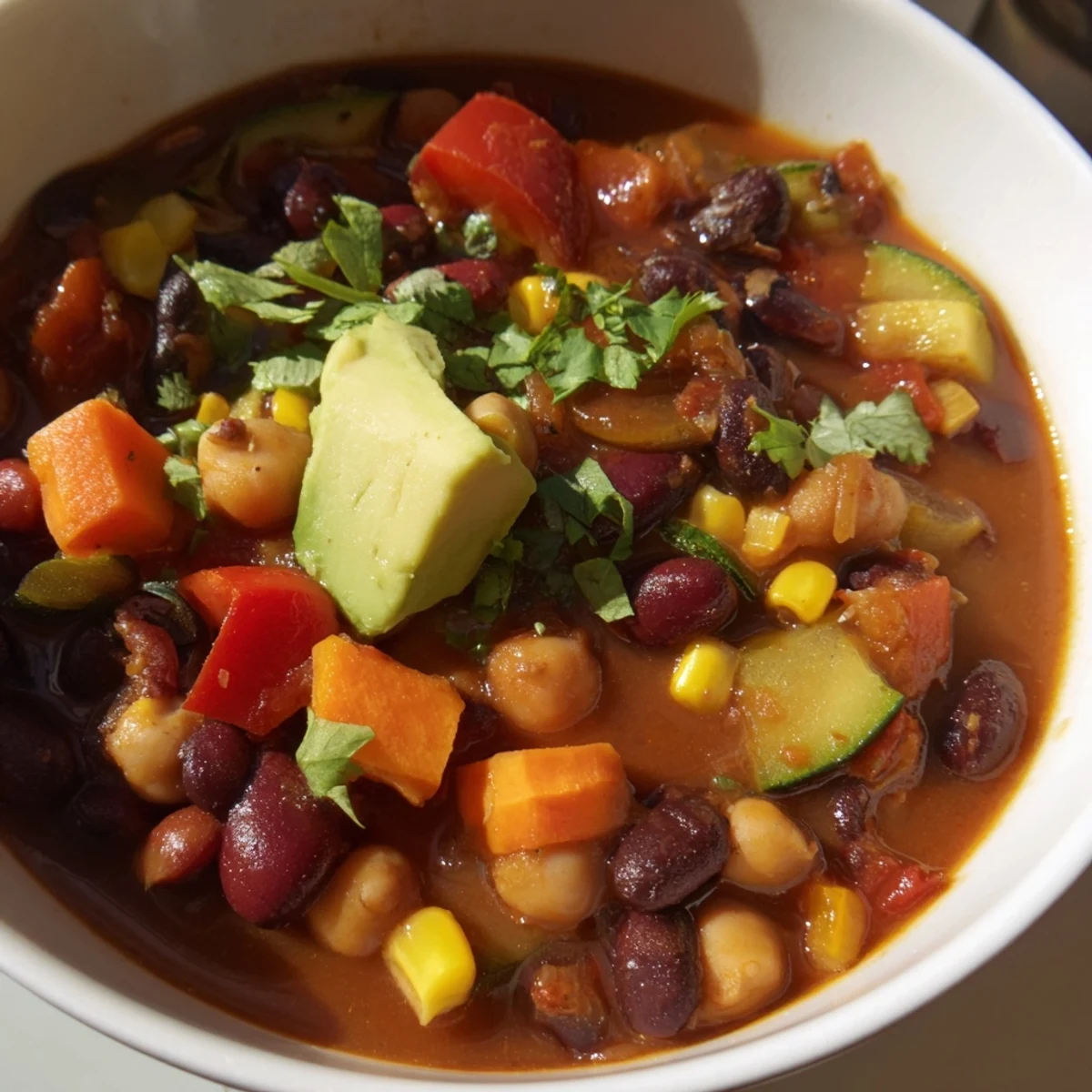
Save This Solstice Chili has taught me that cooking isn't just about feeding bodies—it's about creating moments that gather people together. May it warm your home as it has mine, becoming part of your own story of shared meals and seasons celebrated.
Recipe FAQs
- → Can I use dried beans instead of canned?
-
Yes. Soak 1 cup dried beans overnight, then cook until tender (about 1.5 hours). Use the cooking liquid as part of your broth measurement for deeper flavor.
- → How should I store leftover chili?
-
Store in an airtight container in the refrigerator for up to 5 days. This dish also freezes excellently for up to 3 months. Thaw overnight in the refrigerator before reheating.
- → What vegetables work well as substitutes?
-
Swap in sweet potatoes, butternut squash, mushrooms, or spinach. Adjust cooking time if using harder vegetables—add them earlier so they soften properly.
- → How can I add more depth to the flavor?
-
Stir in a square of dark chocolate or a splash of espresso with the tomatoes. Smoked paprika enhances the depth, and a touch of balsamic vinegar adds complexity.
- → Is this truly gluten-free?
-
The base is naturally gluten-free. However, always check labels on canned beans, tomatoes, and vegetable broth, as some brands may contain hidden gluten or thickening agents.
- → What's the best way to serve this dish?
-
Ladle into bowls and top generously with fresh cilantro, sliced avocado, vegan sour cream, and lime wedges. Serve alongside crusty bread, steamed rice, or fluffy quinoa.