
 Save
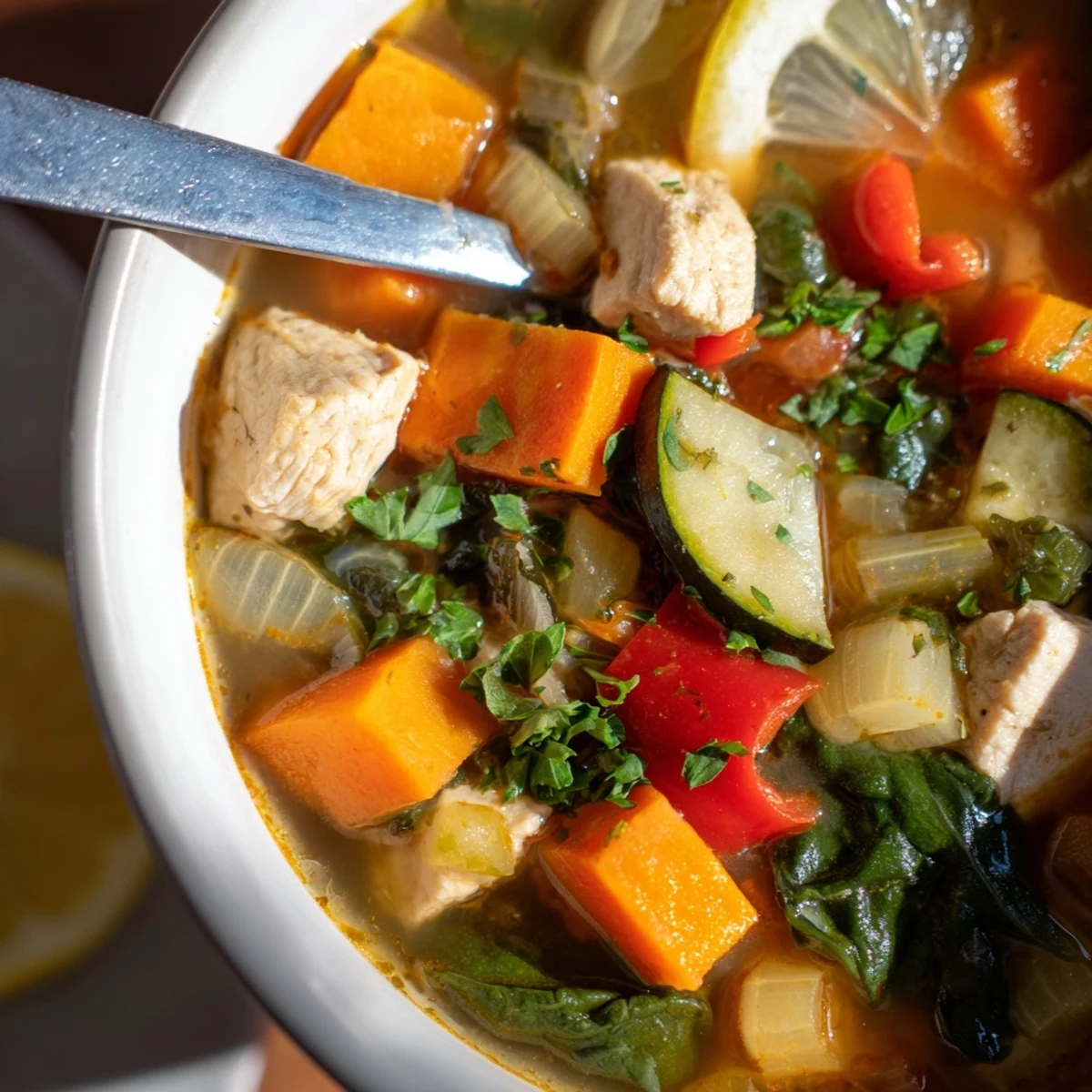
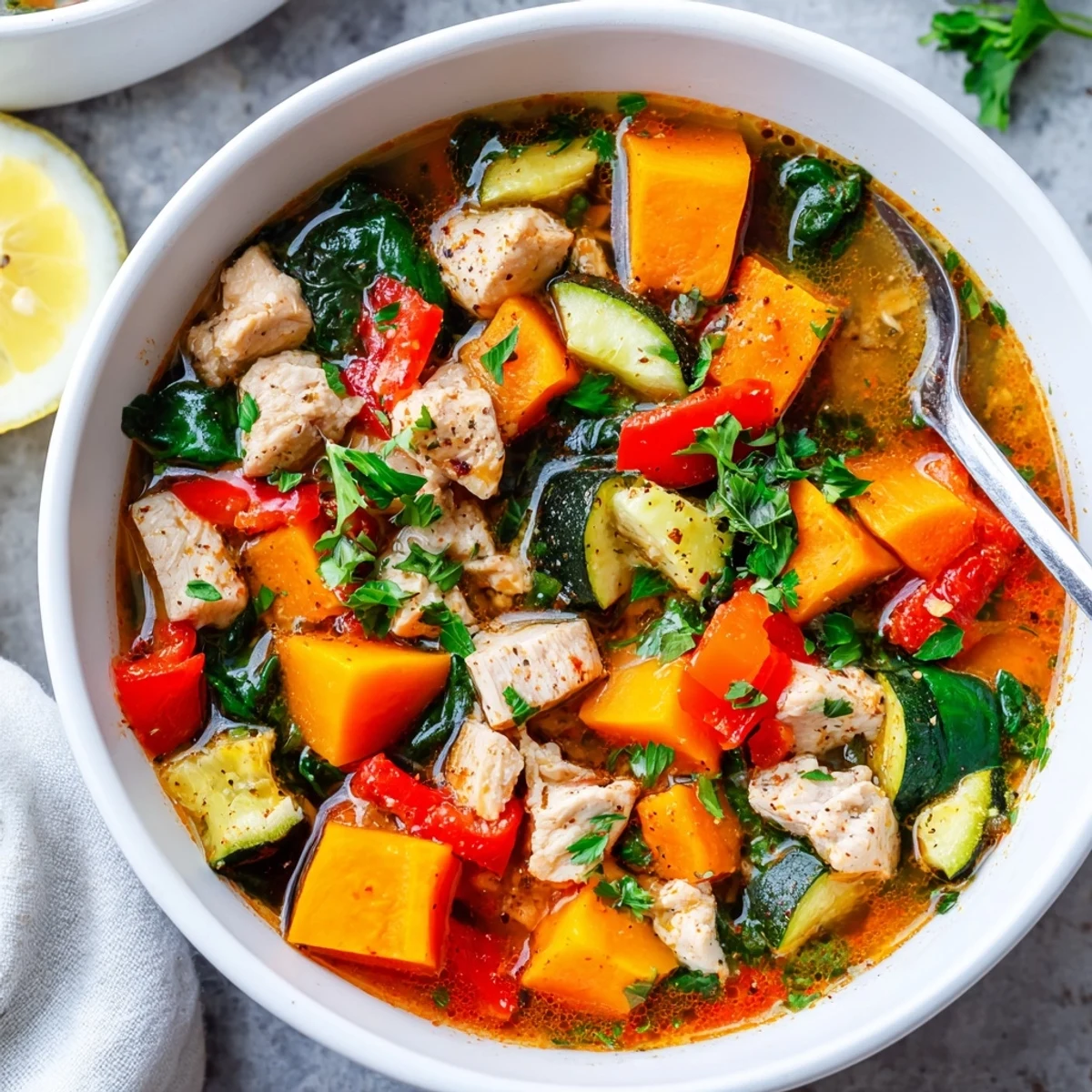
Save This vibrant low-fat stew blends seasonal vegetables like butternut squash, zucchini, and spinach with lean chicken or tofu, seasoned with thyme, oregano, and smoked paprika. The ingredients simmer together in a flavorful broth, creating a comforting and nourishing meal perfect for celebrating the solstice. Quick to prepare and suitable for gluten- and dairy-free diets, this hearty stew balances taste and health with fresh garnishes like parsley and lemon for brightness.
The winter solstice always catches me off guard—that moment when the day feels stolen, when you realize darkness has won the calendar. Years ago, I stood in my kitchen on the shortest day, surrounded by vegetables piled high on the counter, and decided to make something that felt like a small rebellion against the cold. This stew emerged from that impulse: bright, alive, and purposefully lean, as if nourishment itself could be a form of light. Now it's become my annual ritual, a way to celebrate turning toward the sun again with something warm in a bowl.
I made this for friends during the darkest week of December, and something shifted when everyone slowed down around the table. Nobody rushed through it. The conversation meandered the way it does when you're eating something that tastes like care, and I watched people come back for seconds not because they were starving, but because the stew somehow felt restorative. That's when I knew this recipe belonged in rotation.
Ingredients
- Large onion: Diced onion becomes almost sweet as it softens, creating the foundation that makes everything taste intentional.
- Carrots and celery: These two are the aromatics' quiet partners; slice them thin enough to soften quickly but thick enough to stay recognizable.
- Red bell pepper: Don't skip this—it adds genuine sweetness and brightness that keeps the stew from feeling flat.
- Zucchini and butternut squash: The zucchini keeps things light while squash contributes creaminess without any cream.
- Baby spinach: Wilted in at the very end, it adds iron and a whisper of earthiness that ties everything together.
- Garlic: Minced fine and added early, it disappears into the broth and makes you wonder why every meal doesn't taste this rounded.
- Skinless chicken breast or firm tofu: Lean protein that absorbs the broth's flavor without weighing the dish down; I've learned to cut it into generous bite-sized pieces so it doesn't turn stringy.
- Low-sodium broth: Use the good kind if you can; it's the backbone here, and 1.2 liters is just enough to keep everything tender without drowning.
- Tomato paste: A tablespoon stirs in deep umami that tastes like you've been simmering this for hours when you haven't.
- Dried thyme, oregano, and smoked paprika: These three create layers—thyme is subtle and green, oregano brings warmth, and the paprika adds a whisper of smoke that feels luxurious.
- Fresh parsley and lemon wedges: Optional but essential in spirit; the brightness at the end is what makes people remember this stew.
Instructions
- Start with just a splash:
- Pour a small amount of broth into your pot over medium heat, then add onion, carrots, celery, and bell pepper. You'll hear them soften within minutes, and the kitchen will smell almost immediately like something good is beginning. Sauté until the onions turn translucent and you notice the edges beginning to caramelize, about 5 minutes.
- Build the backbone:
- Stir in your minced garlic, zucchini, and butternut squash. The house will suddenly smell like autumn even if it's winter. Cook for 3 more minutes, just until the raw edge comes off the squash and everything starts to soften together.
- Bring in the protein and seasonings:
- Add your chicken pieces or tofu, then the tomato paste, thyme, oregano, smoked paprika, salt, and pepper. Stir everything thoroughly so the tomato paste dissolves and coats the vegetables and protein with deep color. This is when you taste and adjust—but don't oversalt; the broth will concentrate as it simmers.
- Simmer low and long:
- Pour in the remaining broth and bring the whole pot to a boil, then immediately reduce the heat and let it simmer uncovered for 25–30 minutes. The vegetables should be completely tender when a fork slides through them easily, and the chicken or tofu should be cooked through. You want the broth to stay at a gentle bubble, never a rolling boil.
- Finish with green:
- Stir in your baby spinach and let it wilt for 2–3 minutes while you taste for seasoning once more. A pinch more salt, a grind of pepper, maybe a squeeze of lemon juice directly into the pot—trust what your palate tells you.
- Serve with intention:
- Ladle into bowls and finish with a handful of fresh parsley and a lemon wedge on the side. This isn't just garnish; the brightness changes everything.
 Save
Save There's a moment near the end of cooking when the kitchen is warm and your home smells like herbs and roasted vegetables, and you realize you've made something that feels both indulgent and honest. That's what this stew is—celebration without excess, nourishment without apology.
Why Low-Fat Doesn't Mean Low-Flavor
I used to think lighter meant less satisfying, until I learned that umami and aromatics can do more than any fat ever could. The tomato paste, the depth of thyme and oregano, the natural sweetness from butternut squash and carrots—these elements create richness through flavor instead of texture. One bowl leaves you genuinely nourished, not stuffed. It's a different kind of comfort, and once you taste it, you'll understand why I return to this recipe year after year.
Making It Your Own
This stew is a template, not a prescription. Late in the season, I've added parsnips and turnips when carrots started feeling predictable. In spring, when the solstice memory feels distant, I've swapped zucchini for fresh peas and added a handful of young kale instead of spinach. The broth stays constant, the technique stays true, but the vegetables can follow what's in season and what calls to you. Your kitchen, your solstice, your story.
Storing and Freezing
This stew was practically designed for batch cooking and reheating. Cool it completely on the counter before moving it to containers—warm stew will steam itself into mushiness—and it keeps beautifully in the freezer for up to three months. Thaw overnight in the refrigerator and reheat gently on the stovetop with a splash more broth if needed.
- Freeze in individual portions for nights when you need something warm without effort.
- The flavors deepen after a day or two in the fridge, so don't judge it until the next day.
- A squeeze of fresh lemon just before serving reminds the stew that spring is coming.
 Save
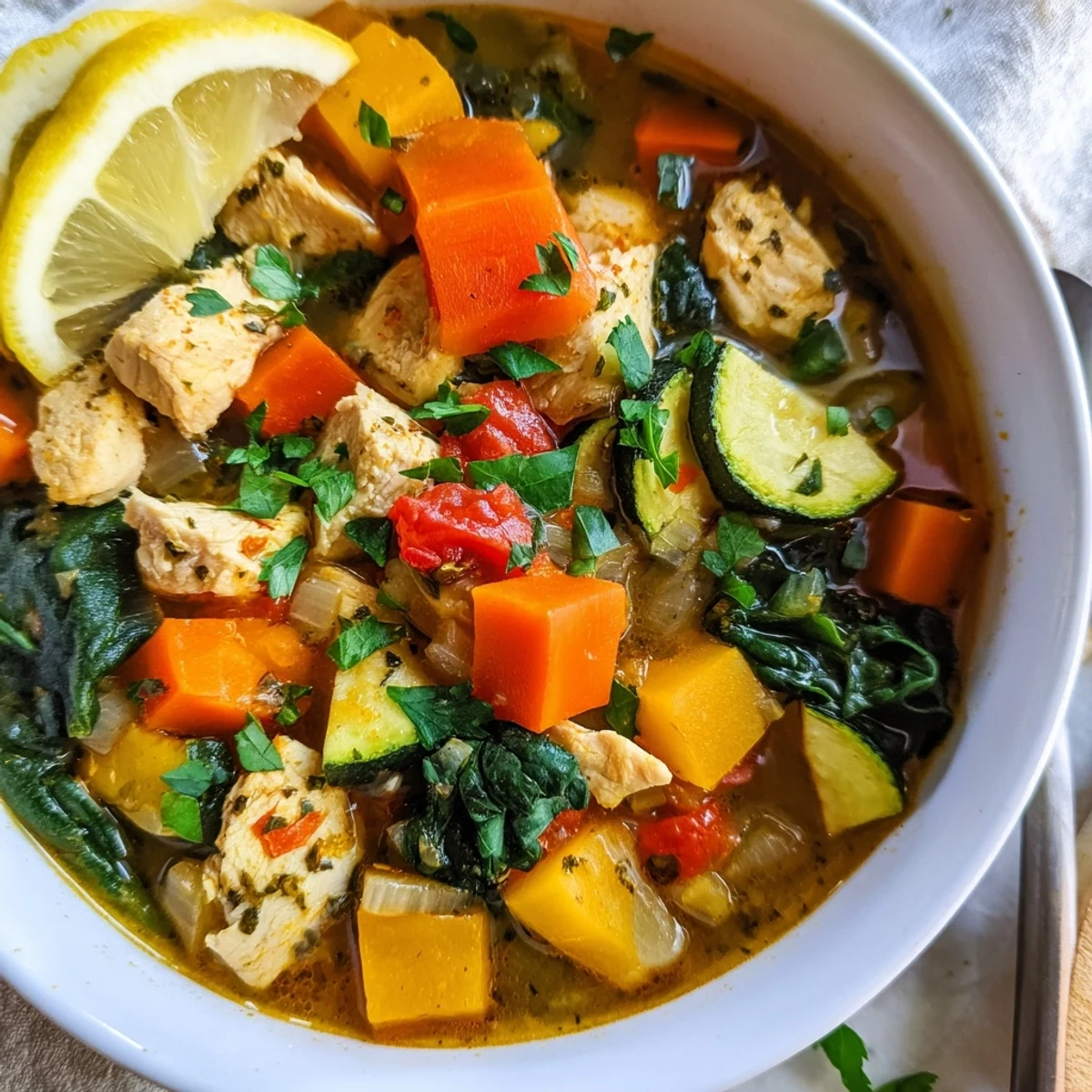
Save This stew is what winter cooking should feel like: uncomplicated, nourishing, and somehow enough. Make it for yourself, make it for people you love, and if the solstice feels dark this year, remember that warm food in a bowl can be a small revolution.
Recipe FAQs
- → Can I substitute chicken with a plant-based protein?
-
Yes, firm tofu works well as a substitute, maintaining the stew’s texture and absorbing the rich flavors of the herbs and broth.
- → What vegetables can I add to make it more seasonal?
-
Root vegetables like parsnip or turnip are excellent additions that enhance the stew’s heartiness and seasonal appeal.
- → How long should the stew simmer for best flavor?
-
Simmer uncovered for 25–30 minutes, allowing vegetables and protein to become tender and the flavors to meld harmoniously.
- → Is this stew suitable for gluten-free diets?
-
Yes, as long as the broth and tomato paste used are certified gluten-free, the dish remains safe for gluten-sensitive individuals.
- → What is the purpose of adding lemon wedges as a garnish?
-
Lemon adds a fresh, bright acidity that balances the richness of the stew and enhances the overall flavor profile.