
 Save
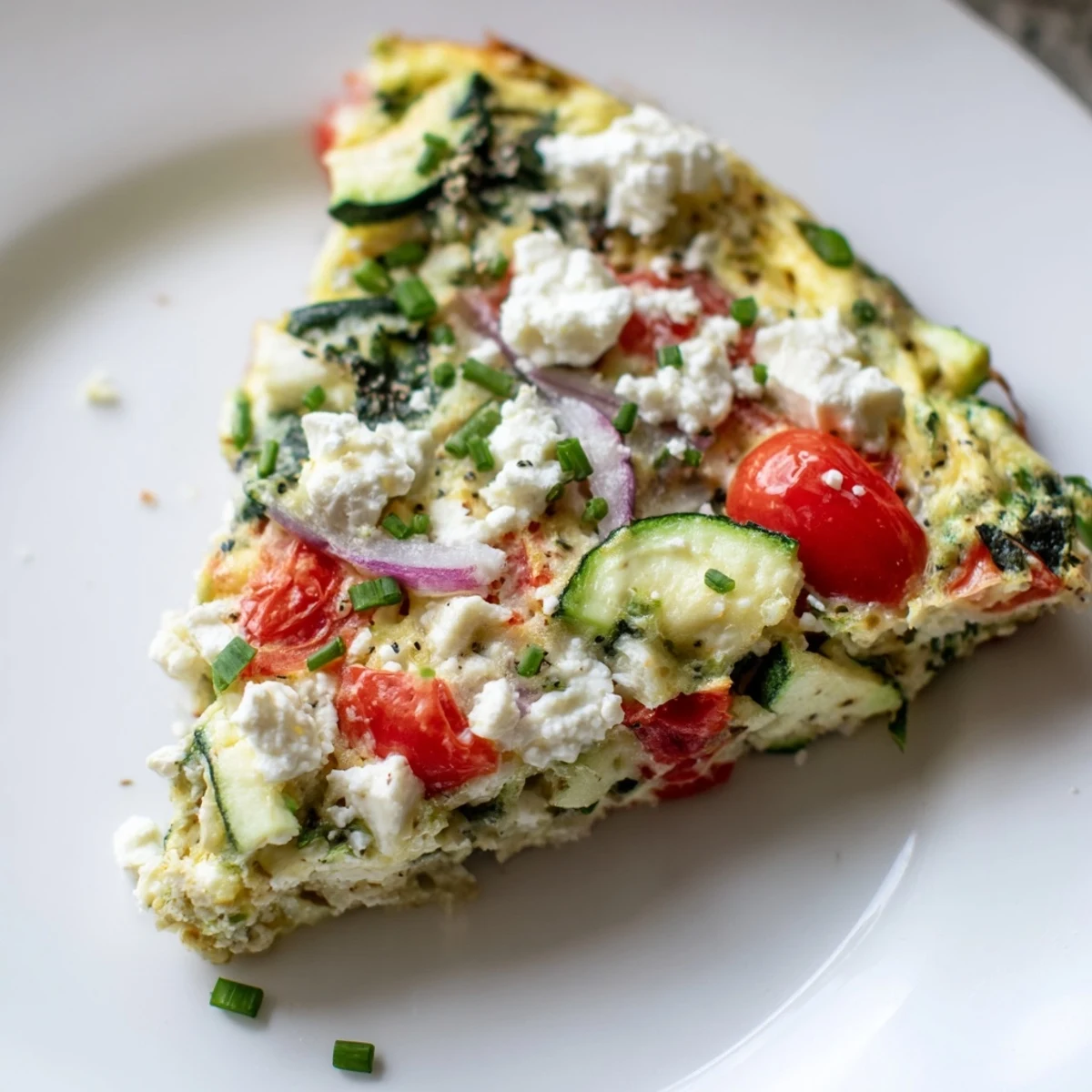
Save This low-carb frittata combines fresh baby spinach, cherry tomatoes, zucchini, and aromatic herbs with creamy feta and Parmesan cheeses for a flavorful, light meal. Eggs whisked with cream create a tender base, gently cooked on the stove before baking to a puffed, golden finish. Ready in 40 minutes, it serves four and works well for brunch or supper. Variations include swapping cheeses or adding proteins like smoked salmon or chicken. Serve warm or room temperature with a crisp green salad for a balanced dish.
A summer afternoon when my neighbor brought over a handful of basil from her garden, still wet with morning dew, was when I first understood how a frittata could taste like pure sunshine. She'd mentioned offhandedly that she wanted something light but substantial, and I realized I could build something beautiful in a single skillet without fussing for hours. That moment taught me that the simplest dishes often carry the most honest flavors.
I once made this for a last-minute breakfast gathering, and watched my friend who'd been counting carbs take three slices without hesitation, then ask for the recipe before she'd even finished chewing. That's when I knew I'd stumbled onto something that felt indulgent enough to serve proudly, yet honest enough to feel good about eating.
Ingredients
- Baby spinach: Fresh spinach wilts down dramatically—start with a full cup and it becomes a delicate layer of earthiness.
- Cherry tomatoes: Halving them lets them release their juice into the eggs, creating little pockets of brightness.
- Zucchini: Keep it to half a small one so it stays tender rather than watery—this is where restraint matters.
- Red onion: That thin slicing is intentional; it softens quickly and adds a gentle sweetness without overpowering.
- Eggs and heavy cream: The cream makes the frittata cloud-like and forgiving, turning 8 eggs into something with real body.
- Feta and Parmesan: The combination gives you tang and umami at the same time—they're better together than alone.
- Fresh basil and chives: Add these at the last second before pouring; they brighten the whole thing without getting lost in cooking.
- Olive oil: Just enough to coat the skillet and soften the vegetables—nothing more is needed.
Instructions
- Heat your oven and skillet:
- Set the oven to 375°F and let it come fully to temperature while you prep vegetables. A preheated oven means the frittata will puff evenly instead of cooking unevenly.
- Soften the foundation:
- Pour olive oil into your ovenproof skillet over medium heat, then add red onion and zucchini. You'll hear them starting to sizzle almost immediately—let them cook for 3 minutes until the zucchini softens and the onion turns translucent.
- Build the vegetable layer:
- Add spinach and cherry tomatoes, stirring gently for 2 minutes. Watch as the spinach darkens and collapses—that's exactly what you want.
- Whisk the eggs with confidence:
- In a separate bowl, whisk eggs with heavy cream, salt, and pepper until the mixture is pale and slightly frothy. This aeration is what makes the frittata rise beautifully in the oven.
- Combine flavors:
- Fold feta, Parmesan, basil, and chives into the egg mixture, stirring just until everything is evenly distributed without overdoing it.
- Pour and stir gently:
- Pour the egg mixture over your vegetables and give everything a gentle stir to make sure the ingredients are spread throughout, but don't overwork it.
- Start on the stove:
- Cook on the stovetop for 3 to 4 minutes until you see the very edges starting to set and turn pale—this head start helps the center cook through more evenly.
- Finish in the oven:
- Transfer the skillet to your preheated oven and bake for 12 to 15 minutes until the top is puffed and the center is just set when you give the pan a gentle shake. The frittata should still have a slight jiggle in the very middle—it'll set more as it cools.
 Save
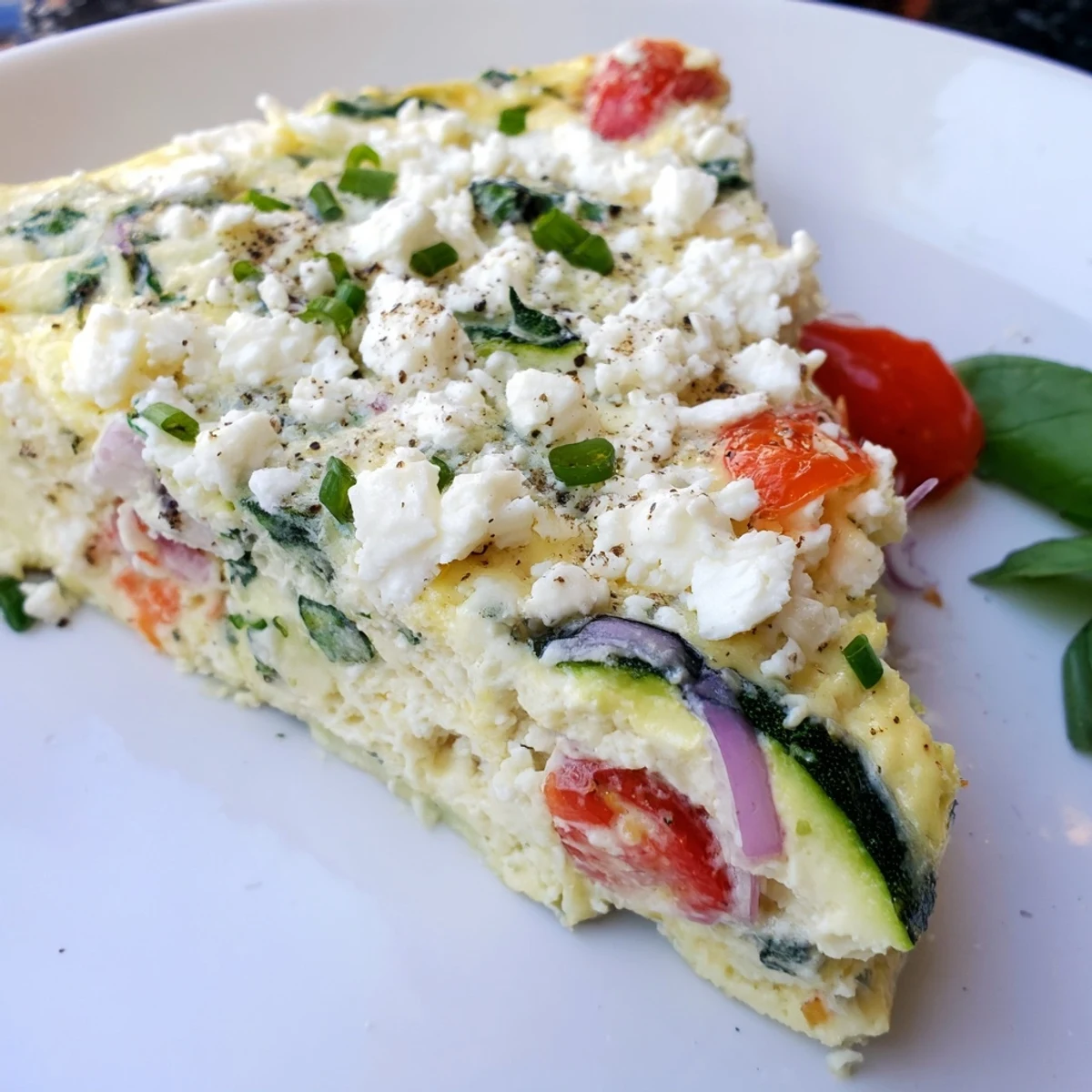
Save There's something almost meditative about watching a frittata rise in the oven—a quiet transformation through the little glass window, vegetables suspended in clouds of egg, herb flecks scattered like confetti. It's the kind of dish that reminds you why cooking matters.
The Art of Vegetable Timing
One thing I learned early on is that vegetables release water as they cook, and timing controls whether you get a frittata or a scramble. Adding heartier vegetables first gives them a head start, while delicate ones like basil and spinach get just enough heat to soften without becoming mushy. The order matters more than you'd think.
Variations That Work
This frittata is generous enough to welcome additions without falling apart. Cooked chicken, smoked salmon, or crispy bacon can join the party, as can roasted peppers or fresh dill instead of basil. The dairy is flexible too—goat cheese adds a sharper note, mozzarella becomes creamier and milder. The structure stays strong while the flavors shift.
Serving and Storage Wisdom
Serve it warm straight from the skillet, or let it cool completely and slice it cold—both versions have their place. A bright green salad with lemon dressing cuts through the richness beautifully, turning a simple frittata into something that feels like a full meal.
- Store leftovers covered in the refrigerator for up to three days, and reheat gently in a 300°F oven so the eggs don't get rubbery.
- This frittata freezes well if wrapped tightly—thaw in the refrigerator overnight and warm before serving.
- Slice it into smaller squares and pack it for lunch; it travels better than you'd expect and tastes great at room temperature.
 Save
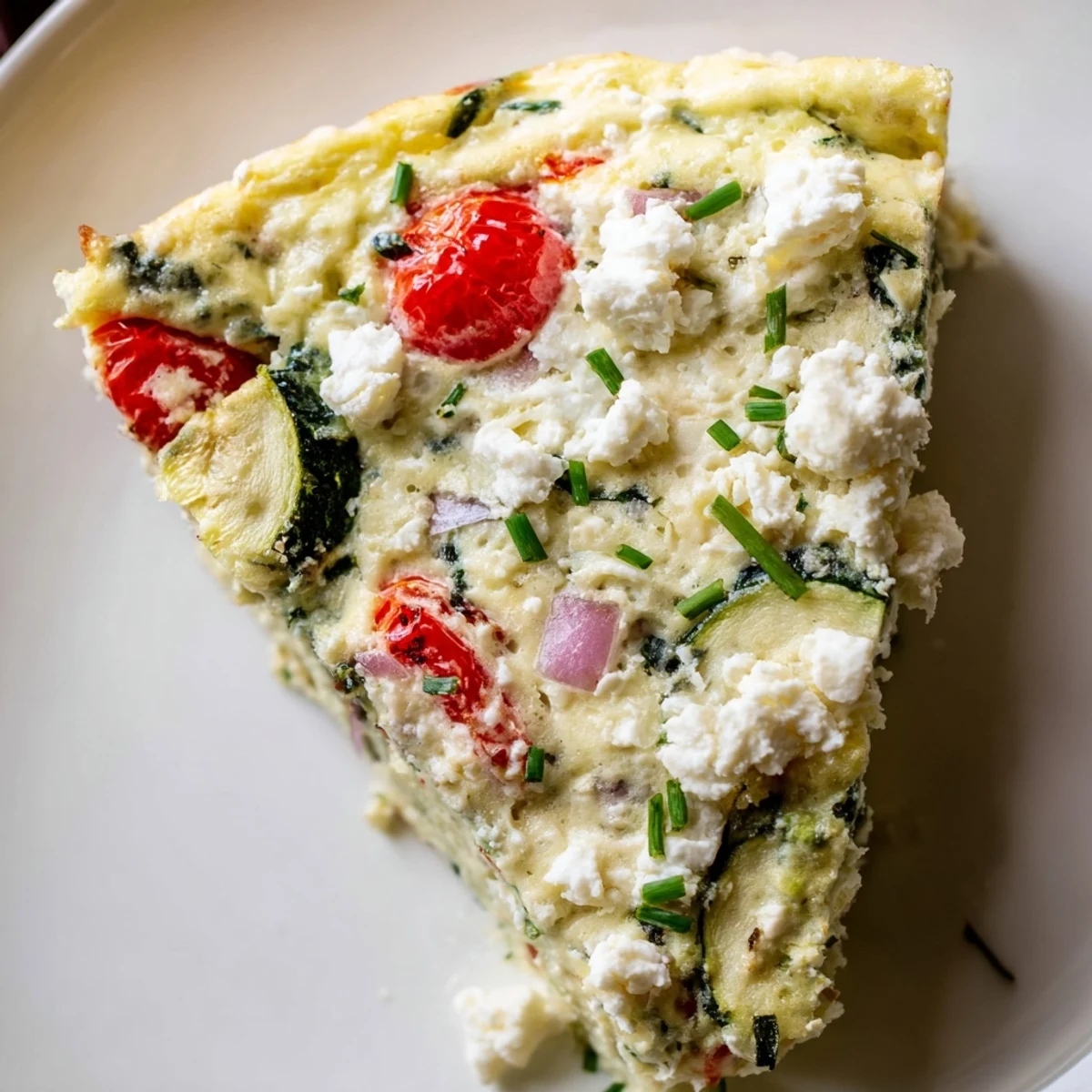
Save A frittata asks very little of you but gives back generously—light enough for breakfast, hearty enough for dinner, and kind to your carb count without feeling restrictive. Make it once and you'll find yourself reaching for it whenever you need something that feels both nourishing and a little bit celebratory.
Recipe FAQs
- → Can I use different cheeses?
-
Yes, goat cheese or shredded mozzarella can replace feta for a different flavor and texture.
- → Is this suitable for gluten-free diets?
-
Yes, the dish contains no gluten ingredients, but double-check cheese labels to avoid cross-contamination.
- → How can I add extra protein?
-
Incorporate diced cooked chicken or smoked salmon before baking for added protein.
- → What type of skillet is recommended?
-
Use a 10–12 inch ovenproof skillet to cook and bake evenly.
- → Can I prepare it ahead?
-
Yes, prepare in advance and reheat gently or serve at room temperature for convenience.