
 Save
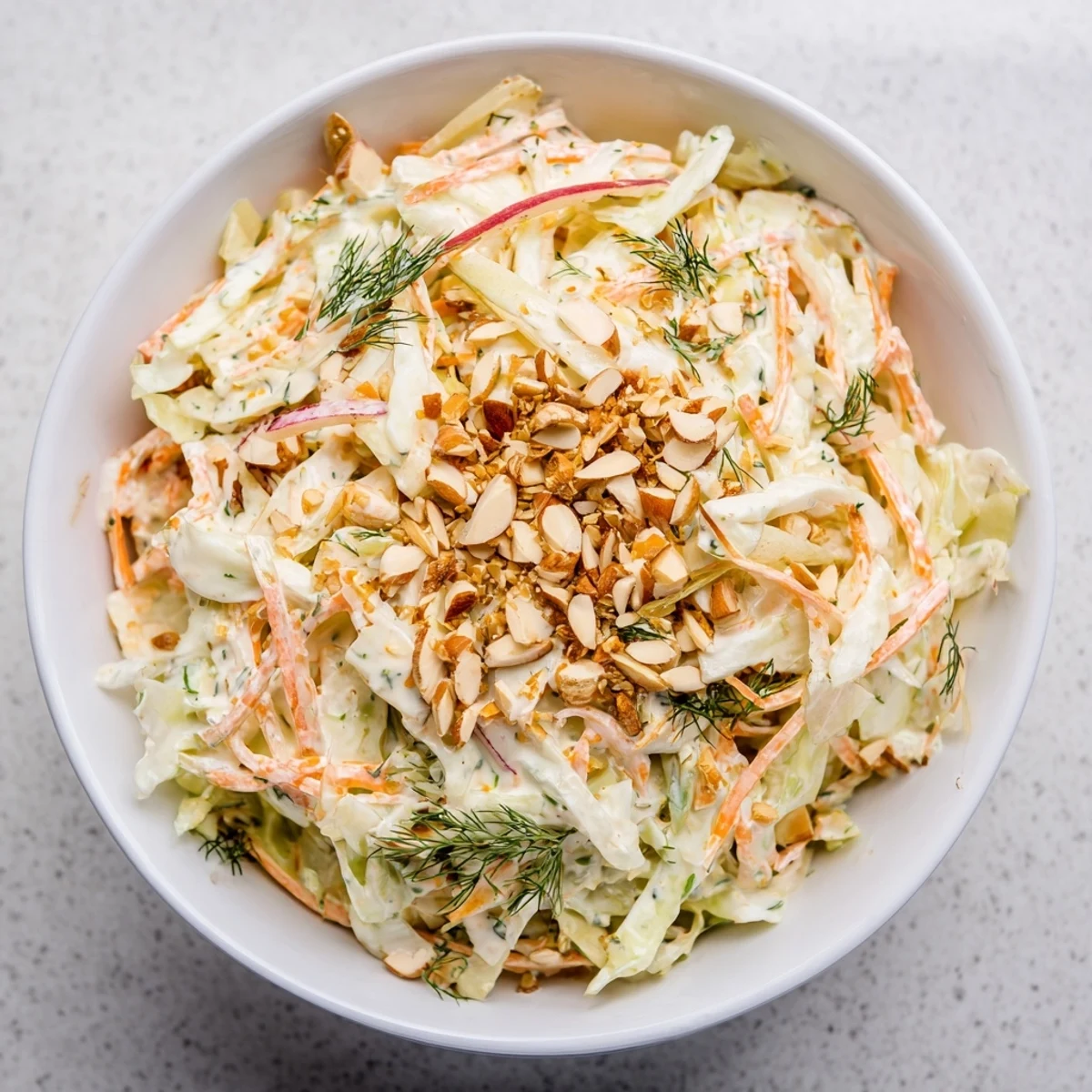
Save This vibrant dish features shredded napa cabbage, julienned carrots, and thinly sliced fennel mixed with fresh apple and orange segments for a refreshing crunch. A tangy dressing of lemon juice, orange juice, Dijon mustard, honey, and low-fat yogurt enhances natural flavors, while dill adds an herbal note. Toasted almonds provide an optional nutty crunch. This quick, easy dish is perfect for a light, low fat meal that brightens chilly days.
There's something about the way winter vegetables catch the light that made me realize salad doesn't have to be heavy or complicated. One February afternoon, I was rummaging through a nearly bare crisper drawer—just some napa cabbage, a few carrots, and a fennel bulb that had been waiting patiently—and decided to slice them thin enough to let the afternoon sun shine through. The result was this bright, crisp salad that felt like eating something alive, even on the coldest day of the year.
I made this for my neighbor one snowy evening when she'd had a rough day, and watching her face light up at the first bite—the way the citrus and dill just woke everything up—reminded me that food doesn't need to be complicated to feel like care. She asked for the recipe three times before I finally wrote it down.
Ingredients
- Napa cabbage: Shred it thin enough that it almost disappears on your tongue, releasing its subtle sweetness and creating that essential delicate crunch.
- Carrots: Julienne them—the thin, matchstick cut matters here because it lets them absorb the dressing while staying crisp.
- Fennel bulb: This is the secret that makes people ask what's different; slice it paper-thin to soften its anise edge and add a light, almost licorice-like brightness.
- Apple: Core it carefully and slice it thin just before mixing to keep it from browning, or toss it with a squeeze of lemon juice if you're prepping ahead.
- Orange segments: Peel and segment them fresh; the juice that escapes becomes part of the dressing and the whole fruit feels alive on the plate.
- Lemon juice: Always fresh-squeezed—bottled loses that sharp clarity that makes this dressing sing.
- Orange juice: A small amount adds sweetness without making everything taste like dessert.
- Dijon mustard: It's the backbone that prevents this from tasting one-note; it adds a subtle bite that holds everything together.
- Honey: Use maple syrup if you're vegan, and drizzle it into the other wet ingredients slowly so it dissolves completely.
- Low-fat yogurt: This creates a creamy dressing without the heaviness of mayonnaise or oil; plant-based yogurt works beautifully too.
- Fresh dill: Chop it just before using—the fresh, almost pine-like flavor is what makes people close their eyes when they take a bite.
- Toasted almonds: Optional, but the nuttiness and crunch add a final dimension that makes this feel more intentional.
Instructions
- Prep all your vegetables first:
- Get out a large salad bowl and have all your sliced vegetables ready to go before you make the dressing. Napa cabbage shreds easily with a sharp knife, and taking a moment to arrange everything in the bowl as you work makes you feel organized and calm.
- Build the dressing in a small bowl:
- Whisk the lemon juice, orange juice, and mustard together first, then add honey and yogurt, stirring until it's smooth and no lumps of yogurt remain. The order matters because the citrus helps dissolve the honey, and the mustard emulsifies everything into something silky.
- Toss gently and taste:
- Pour the dressing over the vegetables and use two forks or salad tongs to turn everything over slowly, making sure every piece gets coated. Taste it now—you might need more salt, more pepper, or a squeeze more lemon, and that's the moment to fix it.
- Finish and serve right away:
- Scatter the toasted almonds on top if you're using them, and bring it to the table immediately so the vegetables stay crisp instead of getting soggy. This is a salad that's best eaten within 15 minutes of dressing.
 Save
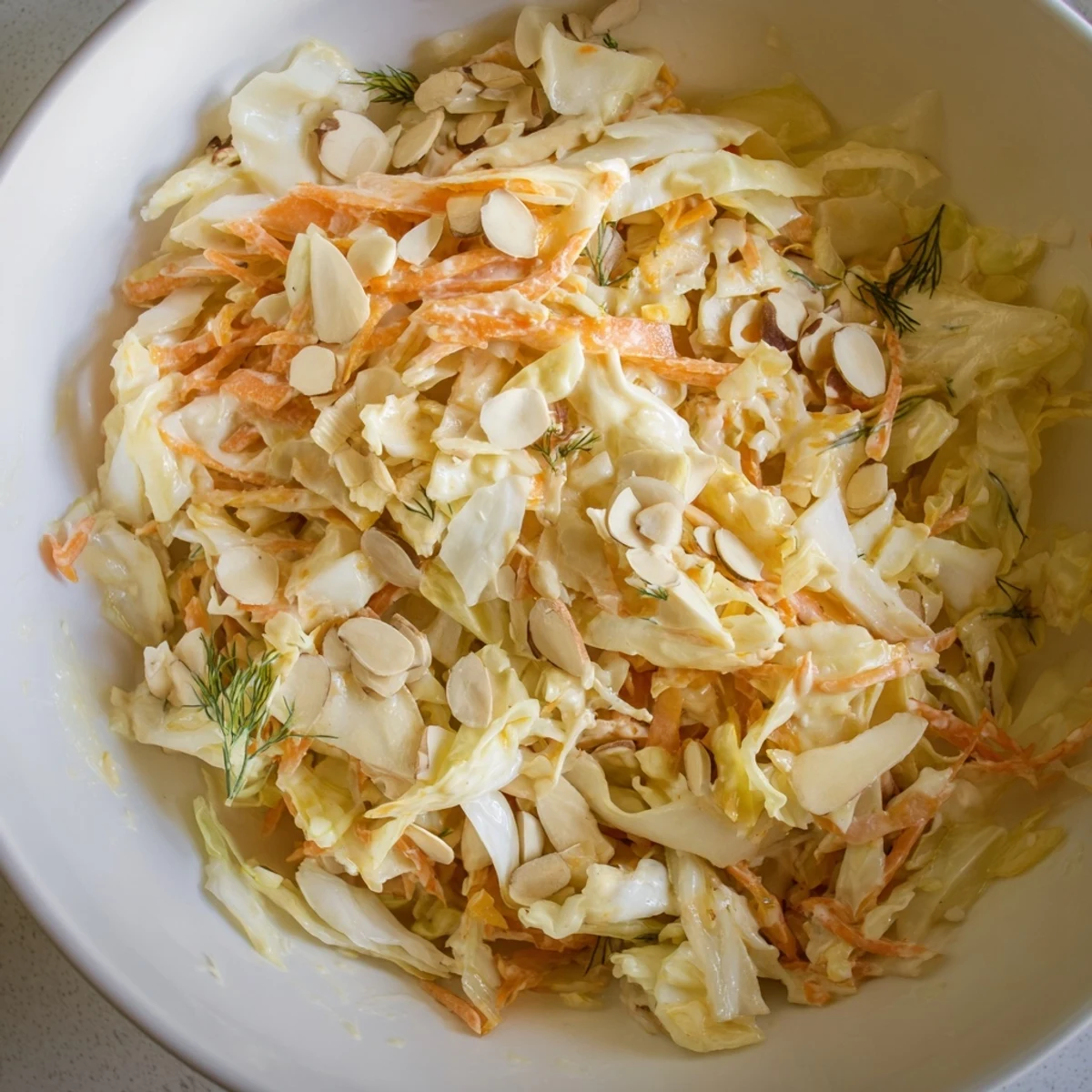
Save The first time someone told me they could actually taste the difference between this and every other salad they'd had, I understood that it wasn't about being fancy or complicated—it was about paying attention to the small things. The thinness of the vegetables, the brightness of the fresh lemon, the way dill smells like nothing else in the world—these details add up to something memorable.
Why Winter Vegetables Are Worth It
Winter grew the reputation of being dull in the kitchen, but that's only true if you treat winter produce like a consolation prize. Napa cabbage, carrots, and fennel are sweeter and crisper during cold months because the plant has less water and more concentrated sugars—they're not lesser versions of summer vegetables, they're just different. When you slice them thin and dress them with citrus that's also in season, you're not making a compromise salad; you're making something that tastes like winter actually tastes, bright and clean and alive.
The Dressing Is Everything
This dressing works because it's balanced—tangy from the citrus, slightly sweet from the honey, creamy from the yogurt, and sharp from the mustard and dill. It's light enough that you can eat this salad and not feel weighed down, but flavorful enough that you actually remember it hours later. The yogurt is the move that changed everything for me; it gives you creaminess without oil, which means you can eat a big bowl without guilt and still taste everything.
Make It Your Own
This salad is a template, not a rule—it's meant to bend around what you have and what you're in the mood for. Swap the apple for pear if you want something softer and more delicate, add thinly sliced radishes or jicama if you want even more crunch, or leave out the almonds if you're serving someone with allergies. The dressing stays the same, and the spirit of the salad—bright, clean, crisp—stays intact no matter what you adjust.
- If you're making this for vegans, use maple syrup instead of honey and plant-based yogurt instead of regular yogurt.
- Prep your vegetables up to 4 hours ahead, but keep them in an airtight container without the dressing so they don't get soft.
- Taste the dressing before you pour it over the salad; this is where you catch it if you need more salt or lemon.
 Save
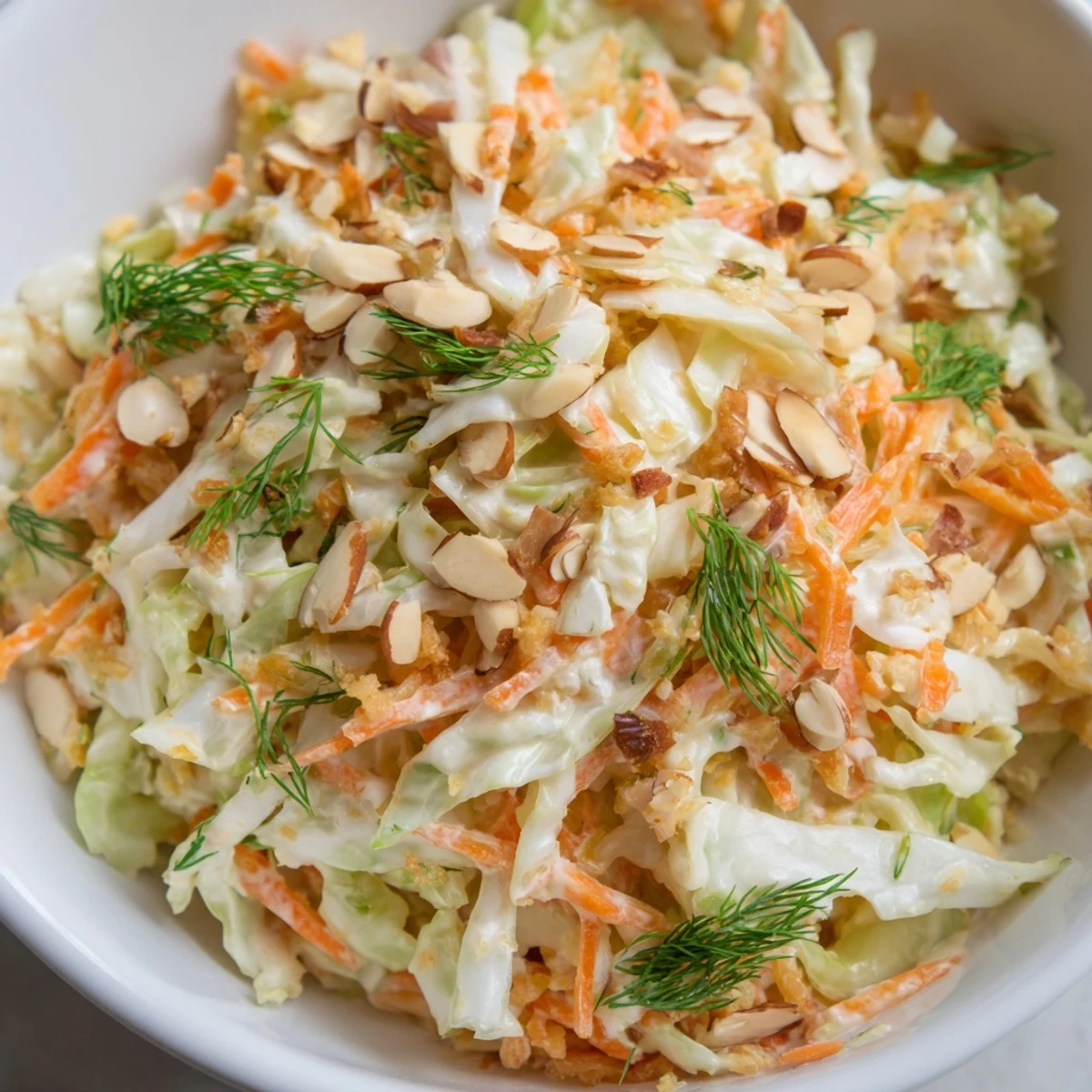
Save This salad is proof that the simplest meals are often the ones that matter most—not because of technique or expense, but because they're made with attention and eaten with people you care about. Make this on a snowy day and watch it warm someone up.
Recipe FAQs
- → Can I make this salad vegan?
-
Yes, substitute the low-fat yogurt with a plant-based alternative and replace honey with maple syrup for a vegan version.
- → What other fruits can be used instead of apple?
-
Pear slices make a great alternative, offering a slightly different sweetness and texture.
- → How can I add extra crunch to this dish?
-
Adding thinly sliced radishes or jicama enhances the crisp texture and adds fresh flavor.
- → Is it possible to make this nut-free?
-
Simply omit the toasted almonds to create a nut-free version without compromising taste.
- → How should I store leftovers?
-
Store in an airtight container in the refrigerator and consume within a day to maintain freshness and texture.
- → Can this salad be prepared in advance?
-
For best texture, prepare just before serving. You may keep the dressing separate and toss together shortly before eating.