
 Save
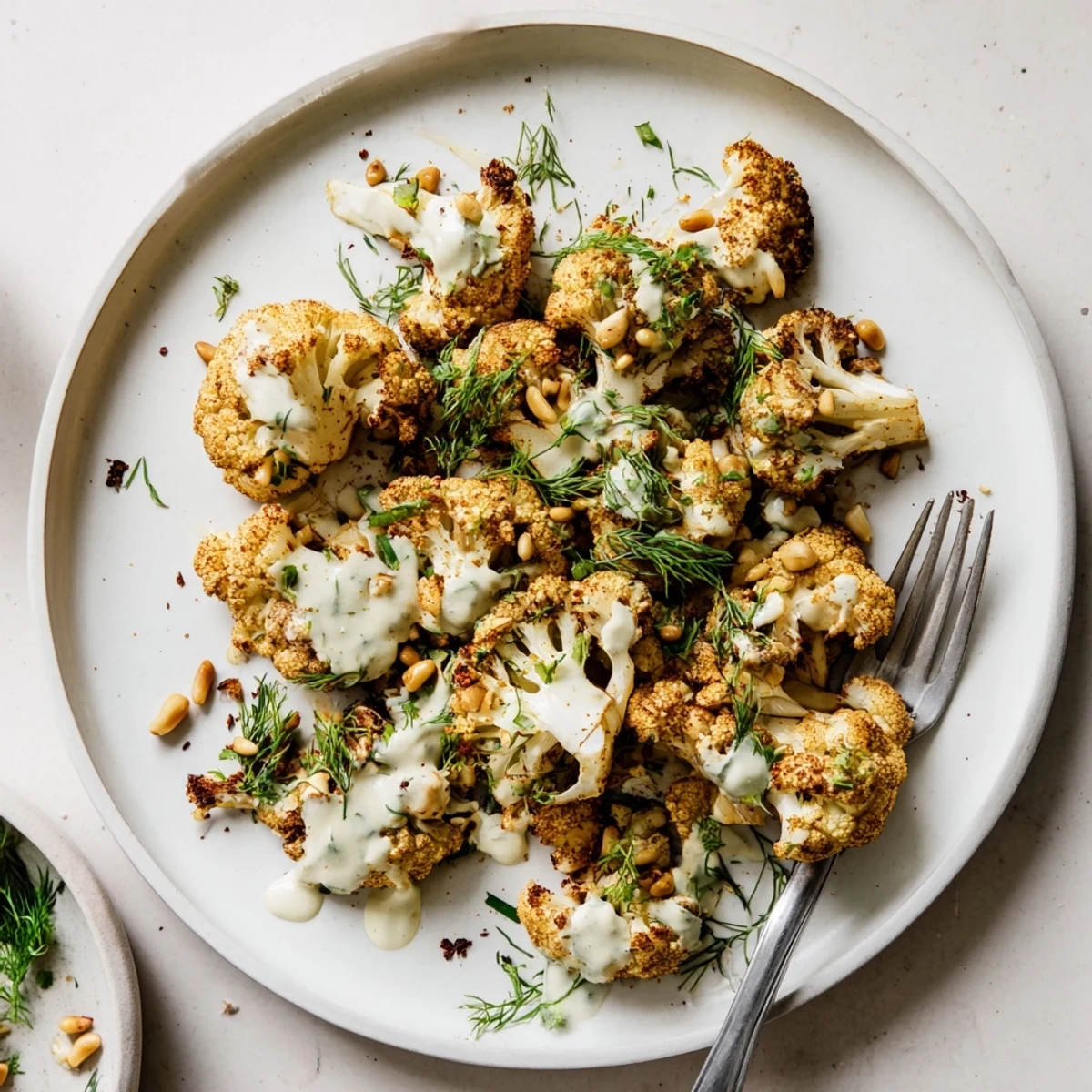
Save Transform humble cauliflower into something extraordinary with this simple yet impressive preparation. The florets are roasted at high heat until golden and caramelized, developing a tender texture and subtle sweetness. A vibrant tahini sauce brings everything together with fresh herbs, bright lemon, and just enough garlic to make it irresistible. This versatile dish works beautifully alongside grilled meats, as part of a mezze spread, or even as a satisfying main served over grains.
The smell of cumin and paprika hitting a hot oven sheet is one of those things that makes everyone wander into the kitchen asking what is cooking. I started roasting cauliflower this way on a rainy Tuesday when the fridge offered nothing else and it turned into the dish I now make at least twice a month. The real magic though is that tahini sauce, bright with lemon and flecked with green herbs, which turns simple roasted vegetables into something you genuinely crave.
I brought this to a potluck once expecting it to be the quiet side dish nobody touched, and watched three people ask for the recipe before the main course even came out. There is something about the creamy, tangy sauce draped over those golden, charred edges that makes people forget they are eating vegetables.
Ingredients
- 1 large head cauliflower, cut into florets: Look for tight, heavy heads with no brown spots because freshness directly affects how well it caramelizes.
- 2 tablespoons olive oil: A good quality oil makes a noticeable difference in the final flavor of the roasted edges.
- 1 teaspoon ground cumin: This adds a warm, earthy backbone that pairs beautifully with the lemon in the sauce.
- 1/2 teaspoon smoked paprika: It gives a subtle smokiness that makes the cauliflower taste like it came off a grill.
- 1/2 teaspoon garlic powder: An even coat of garlic powder ensures every single floret gets seasoned, not just the lucky ones.
- 1/2 teaspoon salt and 1/4 teaspoon black pepper: Seasoning the cauliflower before roasting is the step most people skip and it shows.
- 1/3 cup tahini: A well stirred tahini is critical because separated tahini will make your sauce grainy instead of silky.
- 2 tablespoons freshly squeezed lemon juice: Fresh juice only here, the bottled kind tastes flat and metallic against the sesame.
- 1 tablespoon extra virgin olive oil: This rounds out the tahini and adds a fruity richness to the sauce.
- 2 tablespoons water, plus more as needed: Tahini seizes up when you add liquid, so keep stirring and adding water gradually until it relaxes into something pourable.
- 1 small garlic clove, minced: One small clove is enough because raw garlic in the sauce can quickly overpower everything else.
- 1/2 teaspoon salt: This seasons the sauce and helps bring out the herbs.
- 2 tablespoons chopped fresh parsley and 1 tablespoon chopped fresh dill: Use fresh herbs here because dried ones will not give you the same vibrant, grassy brightness.
- 1 teaspoon maple syrup, optional: A tiny bit of sweetness balances the lemon and tahini so neither one dominates.
- 2 tablespoons toasted pine nuts, optional: They add a buttery crunch that takes the whole dish from good to memorable.
Instructions
- Preheat and prepare:
- Set your oven to 425 degrees Fahrenheit and line a large baking sheet with parchment paper so nothing sticks and cleanup is effortless.
- Season the cauliflower:
- Toss the florets in a large bowl with olive oil, cumin, smoked paprika, garlic powder, salt, and pepper, using your hands to really massage the spices into every crevice and fold.
- Roast until golden:
- Spread everything in a single, uncrowded layer on the sheet and roast for 25 to 30 minutes, flipping halfway through, until the edges are deeply golden and the centers are tender when pierced with a knife.
- Make the tahini sauce:
- While the cauliflower roasts, whisk together the tahini, lemon juice, olive oil, water, garlic, and salt in a medium bowl until smooth, then add water one tablespoon at a time until it drizzles like a creamy dressing.
- Add the herbs:
- Stir in the chopped parsley, dill, and maple syrup if using, then taste and adjust the salt or lemon juice until it sings on your tongue.
- Assemble and serve:
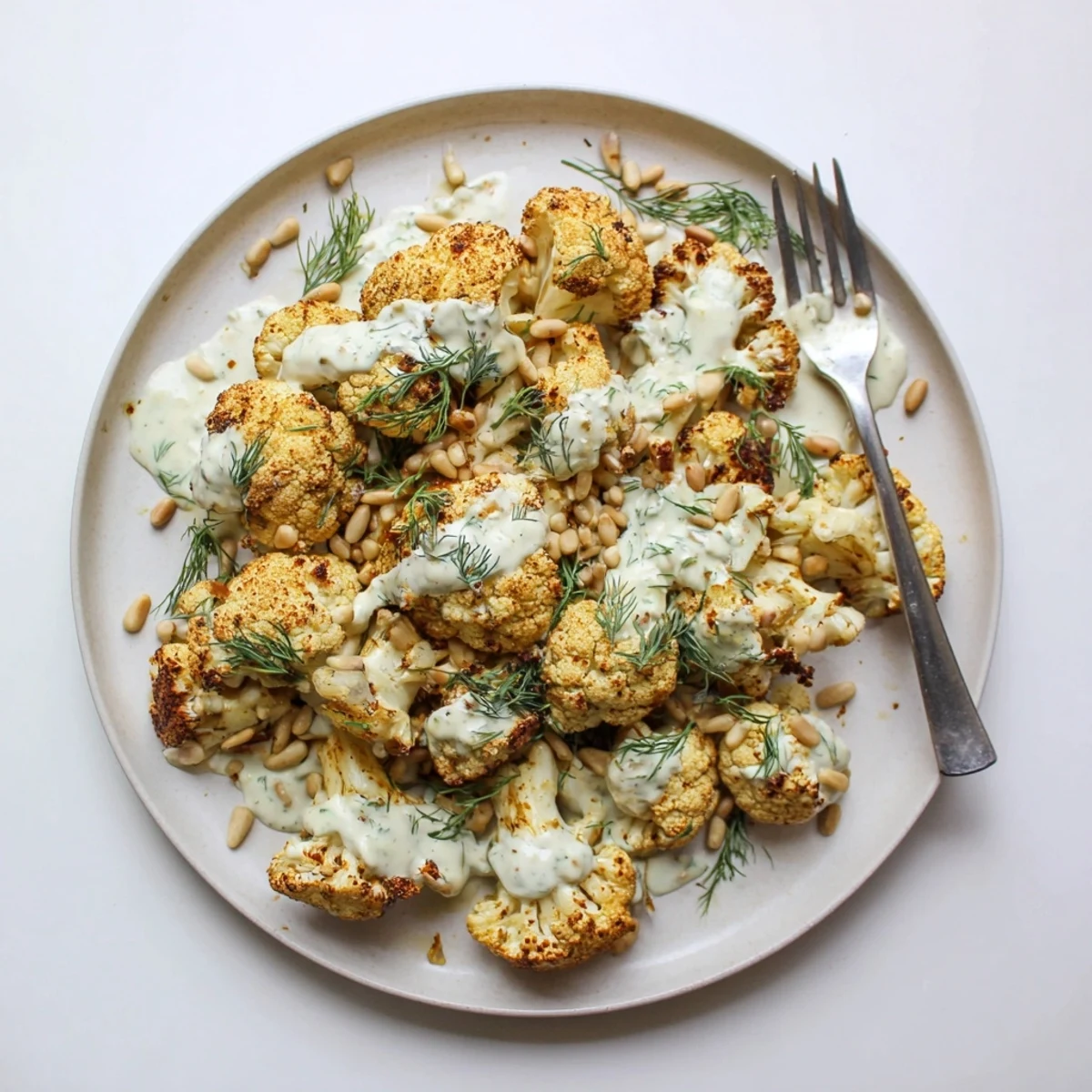
- Pile the roasted cauliflower onto a platter, drizzle generously with the sauce, scatter pine nuts and extra herbs over the top, and serve it warm or at room temperature.
 Save
Save The night I realized this recipe had become a staple was when my partner started making the tahini sauce from memory, without asking me for measurements, and it tasted better than mine ever had.
Serving Ideas That Actually Work
Pile the roasted cauliflower and sauce over warm couscous or quinoa and call it dinner, or serve it alongside grilled chicken thighs for a meal that feels composed without much effort. It also makes an excellent addition to any mezze spread, sitting happily next to hummus, olives, and warm pita.
Storing and Reheating
Leftover roasted cauliflower keeps well in an airtight container in the refrigerator for up to four days, and it reheats nicely in a hot oven or air fryer to bring back some of that original crispness. The tahini sauce stores separately in the fridge for up to three days and will thicken as it sits, so just stir in a splash of water to loosen it before using.
A Few Final Thoughts
This recipe taught me that a really good sauce can transform almost any roasted vegetable into something people get excited about. Keep the sauce recipe in your back pocket because it works on everything from sweet potatoes to grilled chicken to plain rice bowls.
- A pinch of cayenne in the spice mix adds a warmth that does not overpower but keeps things interesting.
- Toasted almonds or walnuts work beautifully if you do not have pine nuts or want a more budget friendly option.
- Always taste the sauce after it rests for a few minutes because the flavors deepen and shift as they sit together.
 Save
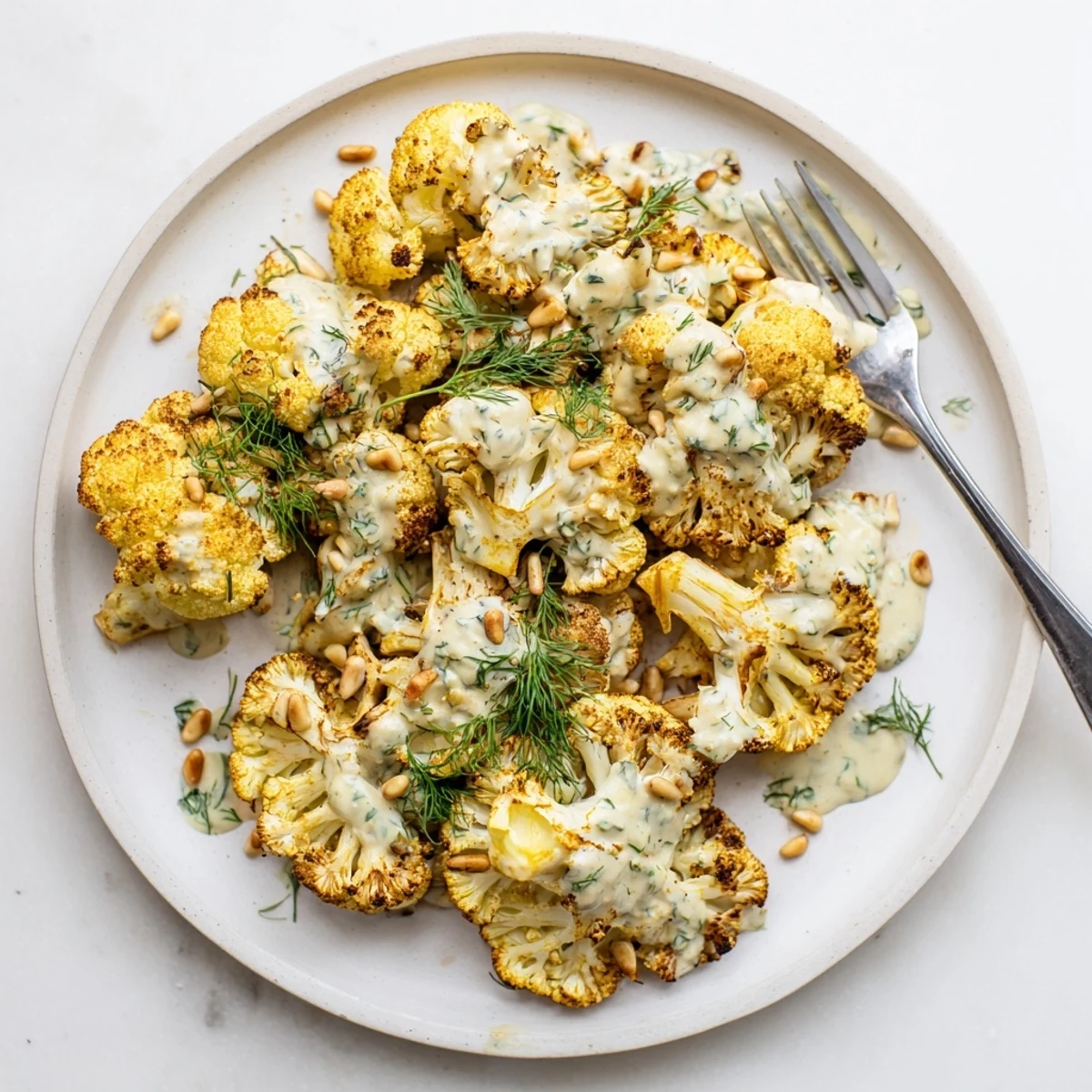
Save Once you nail this combination of warmly spiced, charred cauliflower and that bright, herb flecked sauce, it will stay in your rotation forever, and nobody will blame you.
Recipe FAQs
- → Can I make the tahini sauce ahead of time?
-
Yes, the sauce keeps well refrigerated for up to 3 days. It may thicken in the fridge—simply whisk in a little water to return it to the desired consistency before serving.
- → What can I use instead of pine nuts for garnish?
-
Chopped almonds, walnuts, or pumpkin seeds work beautifully as alternatives. You can also omit nuts entirely for a nut-free version.
- → How do I know when the cauliflower is done roasting?
-
Look for deep golden-brown edges and tender florets that pierce easily with a fork. The roasting process should take 25–30 minutes at 425°F, turning halfway through for even cooking.
- → Can I use other vegetables besides cauliflower?
-
Absolutely. This method and sauce pair well with broccoli, carrots, sweet potatoes, or a mix of roasted vegetables. Adjust cooking time as needed based on the vegetables you choose.
- → Is this dish freezer-friendly?
-
The roasted cauliflower freezes well for up to 3 months. Thaw overnight in the refrigerator and reheat in a 350°F oven until warmed through. The sauce is best kept separate and added just before serving.