
 Save
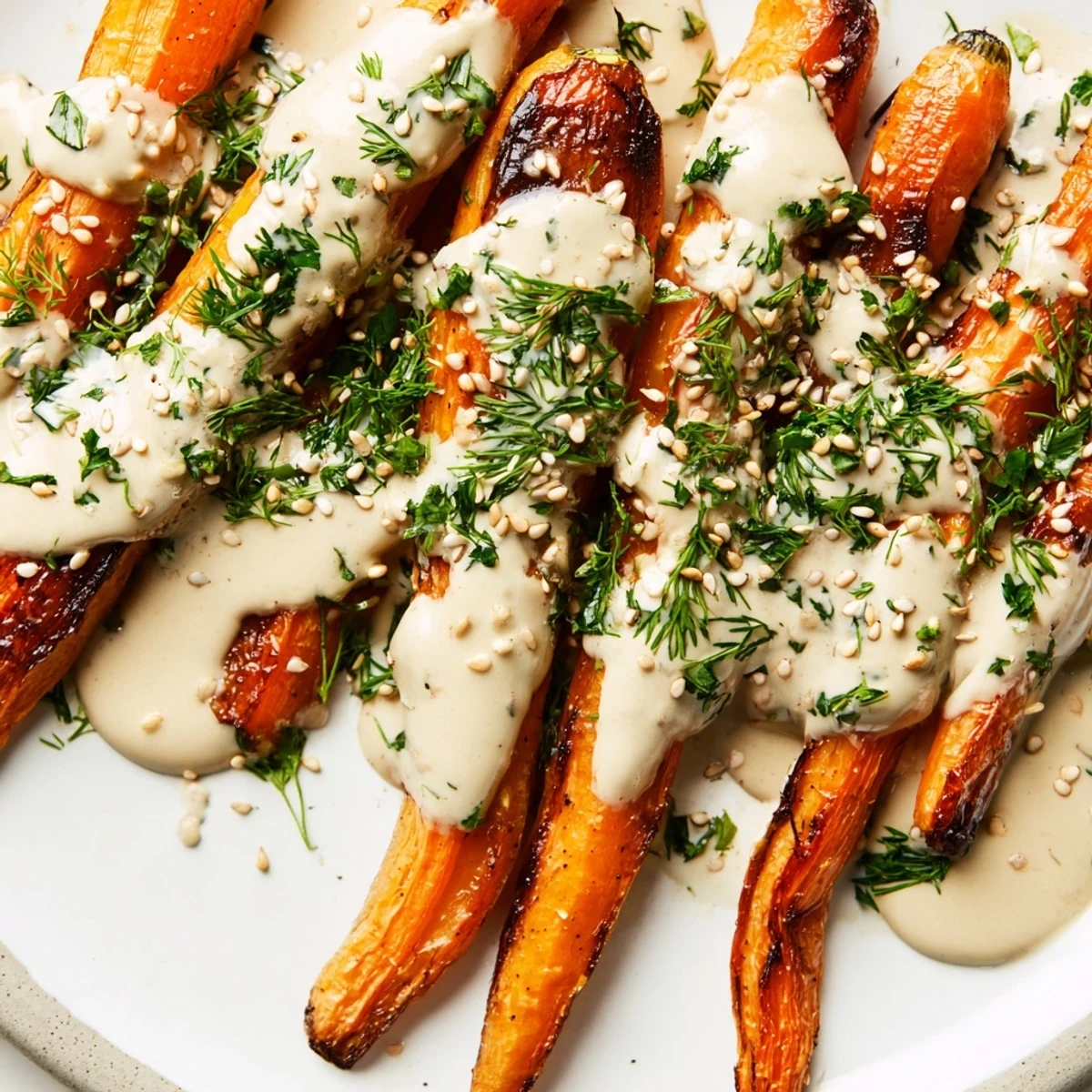
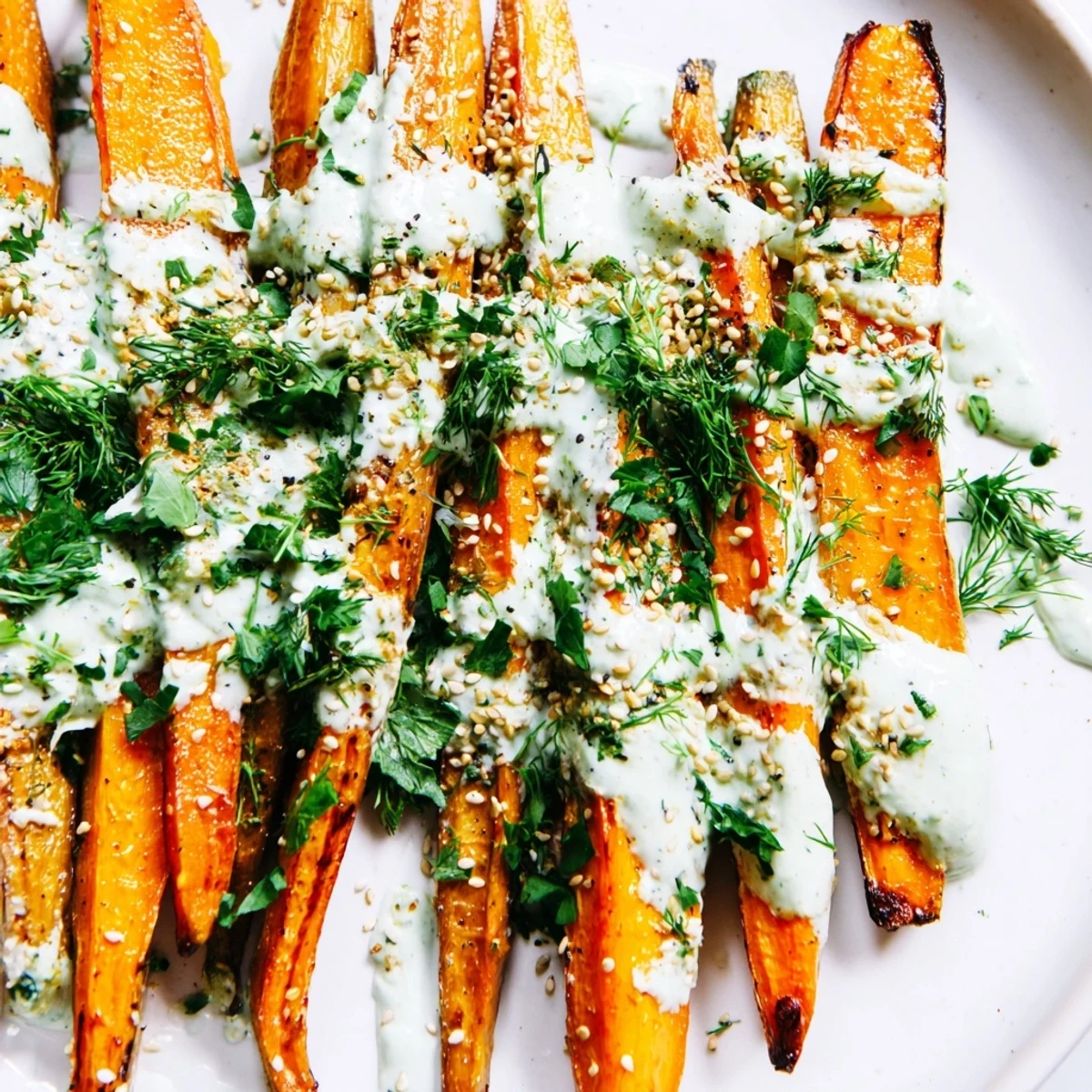
Save These roasted carrots transform into something extraordinary with a simple yet luxurious lemon herb tahini sauce. The natural sweetness of caramelized carrots pairs beautifully with the tangy, nutty flavors of tahini, while fresh herbs and lemon add brightness and depth. This Mediterranean-inspired dish comes together in under an hour and works perfectly as a side for grilled proteins or a light vegetarian main when served over quinoa or couscous.
The sauce is the star here—creamy tahini gets whipped with garlic, cumin, and a trio of fresh herbs, then thinned to the perfect pourable consistency with lemon juice and cold water. It's make-ahead friendly and keeps for days in the refrigerator, making it an excellent addition to your weekly meal prep routine.
The exhaust fan in my tiny apartment kitchen was broken the evening I first roasted carrots at 425 degrees, and the sweet, smoky smell that filled every room convinced me that high heat is the single most underrated secret in home cooking.
I brought this dish to a potluck where three people pulled me aside to ask for the recipe, and one friend now makes the tahini sauce weekly and keeps a jar in her fridge at all times.
Ingredients
- 2 lbs medium carrots, peeled and halved lengthwise: Medium carrots roast more evenly than very thick ones and halving them gives you that beautiful flat caramelized side.
- 2 tbsp olive oil: A generous coating ensures the edges crisp rather than dry out.
- 1/2 tsp kosher salt and 1/4 tsp black pepper: Simple seasoning lets the natural sweetness shine through.
- 1/3 cup tahini: Use a well stirred tahini without bitter undertones for the silkiest sauce.
- 1/4 cup fresh lemon juice: Freshly squeezed makes a noticeable difference here so skip the bottle.
- 2 tbsp extra virgin olive oil: Adds richness and a fruity note that balances the tahini.
- 1 small garlic clove, finely grated: Grating rather than mincing distributes the flavor evenly without harsh chunks.
- 2 tbsp chopped fresh parsley, 2 tbsp cilantro, 1 tbsp dill: The herb trio is what makes this sauce unforgettable so use all three if you can.
- 2 to 4 tbsp cold water: Cold water is the trick to getting tahini smooth and pourable without seizing.
- 1/4 tsp ground cumin: A subtle warm note that ties everything together.
- Toasted sesame seeds and extra herbs for garnish: Texture and freshness make the final dish sing.
Instructions
- Prepare your oven:
- Preheat to 425 degrees and line a large baking sheet with parchment paper so the carrots lift off easily without sticking.
- Season the carrots:
- Arrange the halved carrots on the sheet, drizzle with olive oil, salt, and pepper, then toss with your hands until every piece glistens and lay them cut side down for maximum browning.
- Roast until golden:
- Roast for 25 to 30 minutes, flipping halfway through, until the edges are deeply caramelized and a fork slides through the thickest part with gentle resistance.
- Whisk the sauce:
- In a medium bowl, combine the tahini, lemon juice, olive oil, grated garlic, herbs, cumin, salt, and pepper, then whisk in cold water one tablespoon at a time until the sauce transforms from thick paste to a creamy, pourable consistency.
- Assemble and serve:
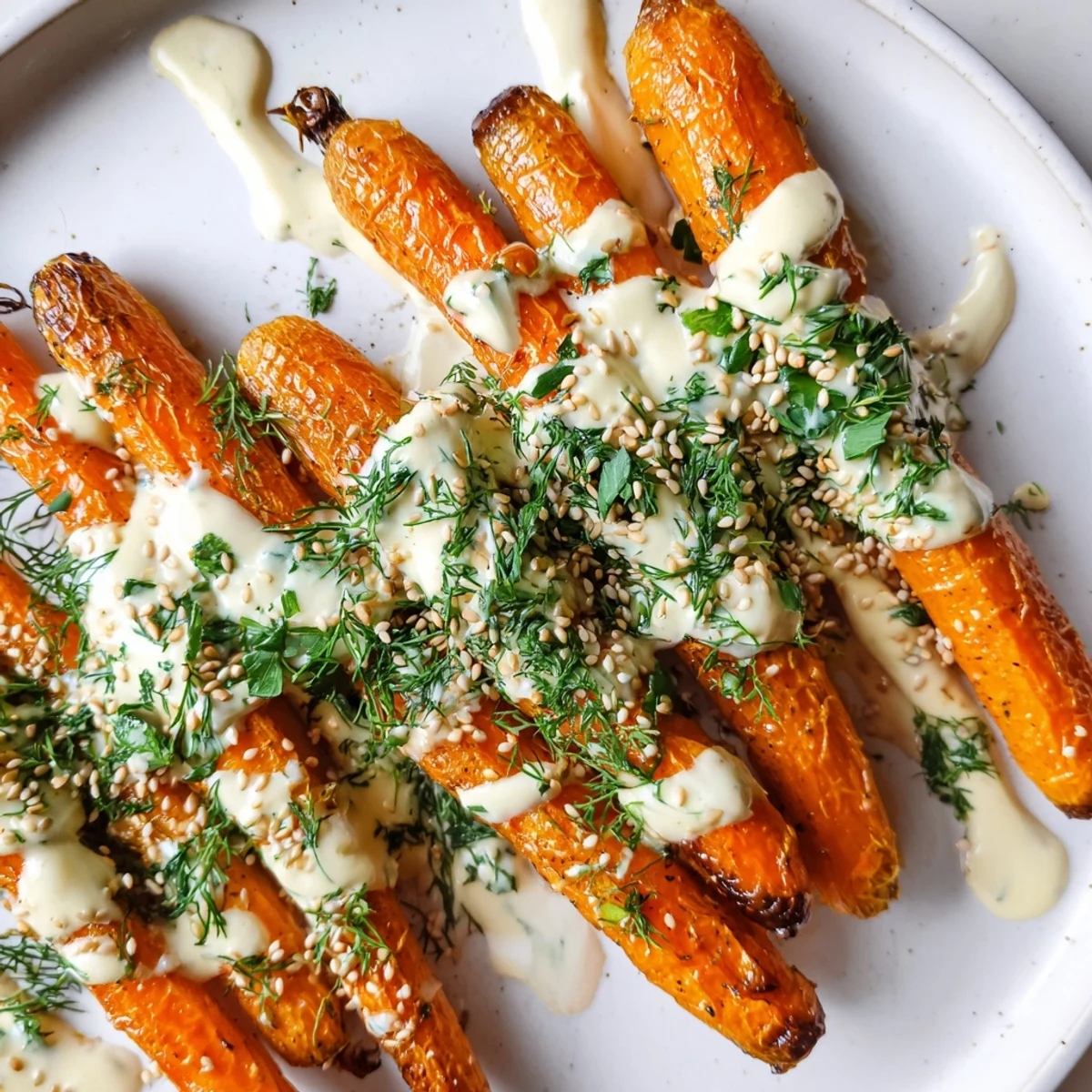
- Transfer the warm carrots to a serving platter, drizzle generously with sauce, scatter sesame seeds and extra herbs over the top, and serve warm or at room temperature.
 Save
Save There is something about watching someone bite into a roasted carrot, pause, and then reach for a second one that makes you realize simplicity always wins.
How I Prep This Ahead
The tahini sauce actually improves after a night in the fridge as the flavors meld together, so I often make a double batch on Sunday and use it throughout the week on grain bowls, roasted vegetables, or even as a dip for raw carrots ironically enough.
Serving Ideas Beyond the Basics
These carrots are incredible piled onto a bed of quinoa with chickpeas and a drizzle of extra sauce for a full meal, or served alongside grilled chicken or fish where the tangy herbs cut right through rich proteins.
Small Things That Make a Difference
A pinch of smoked paprika tossed with the carrots before roasting adds a depth that will have people guessing your secret ingredient.
- Let the carrots rest for five minutes after roasting so they firm up slightly and hold their shape on the platter.
- Always taste the sauce before serving because tahini brands vary wildly in saltiness and thickness.
- Room temperature carrots actually taste sweeter than piping hot ones so do not stress about timing.
 Save
Save Keep this recipe in your back pocket for any night you want something vibrant and satisfying with barely any cleanup, and trust me, people will ask for it again.
Recipe FAQs
- → Can I make the tahini sauce ahead of time?
-
Yes, the lemon herb tahini sauce can be prepared up to 3 days in advance and stored in an airtight container in the refrigerator. Give it a good whisk before serving, as it may thicken slightly—add a splash of water to reach the desired consistency.
- → What other vegetables work well with this tahini sauce?
-
This versatile sauce pairs beautifully with roasted sweet potatoes, cauliflower, beets, or eggplant. It's also excellent drizzled over grilled vegetables, grain bowls, or used as a dressing for Mediterranean salads.
- → How do I know when the carrots are properly roasted?
-
Look for deep golden-brown caramelization on the edges and tender flesh that yields easily when pierced with a fork. The roasting process concentrates their natural sugars, creating a sweet flavor that balances perfectly with the tangy tahini.
- → Can I use baby carrots instead of regular carrots?
-
Baby carrots work well and reduce prep time since they don't require peeling or cutting. However, larger carrots halved lengthwise develop better caramelization due to their flat surface area. Adjust roasting time accordingly as baby carrots may cook faster.
- → Is this dish suitable for meal prep?
-
Absolutely! The roasted carrots and tahini sauce store separately in the refrigerator for 3-4 days. Reheat the carrots in a 350°F oven for 10 minutes to restore their texture, then drizzle with the sauce just before serving for the best experience.
- → What can I substitute for fresh dill in the sauce?
-
Fresh mint or basil make excellent alternatives to dill, adding a different but equally complementary bright flavor. If you prefer a more traditional herb profile, increase the parsley and cilantro proportions slightly.