
 Save
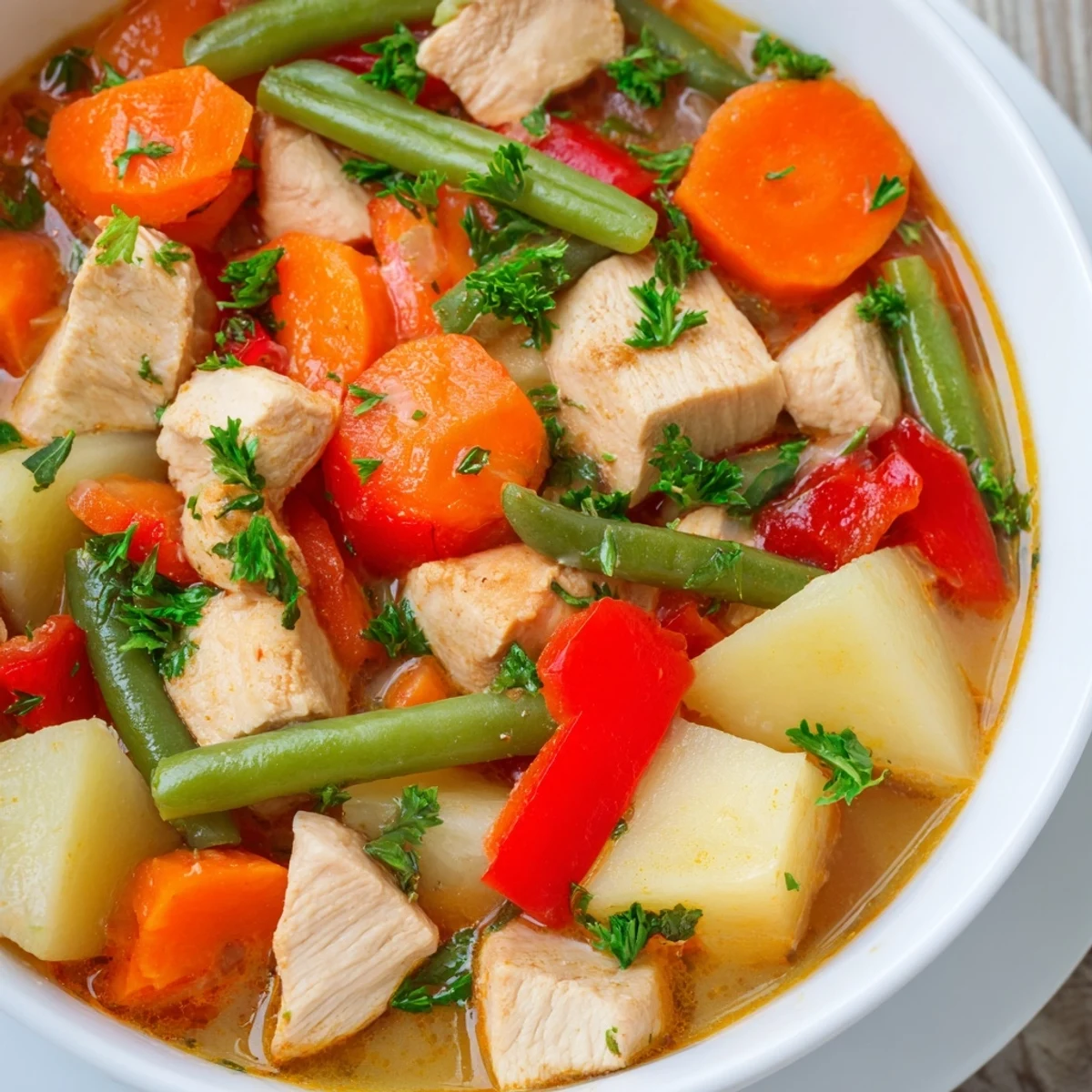
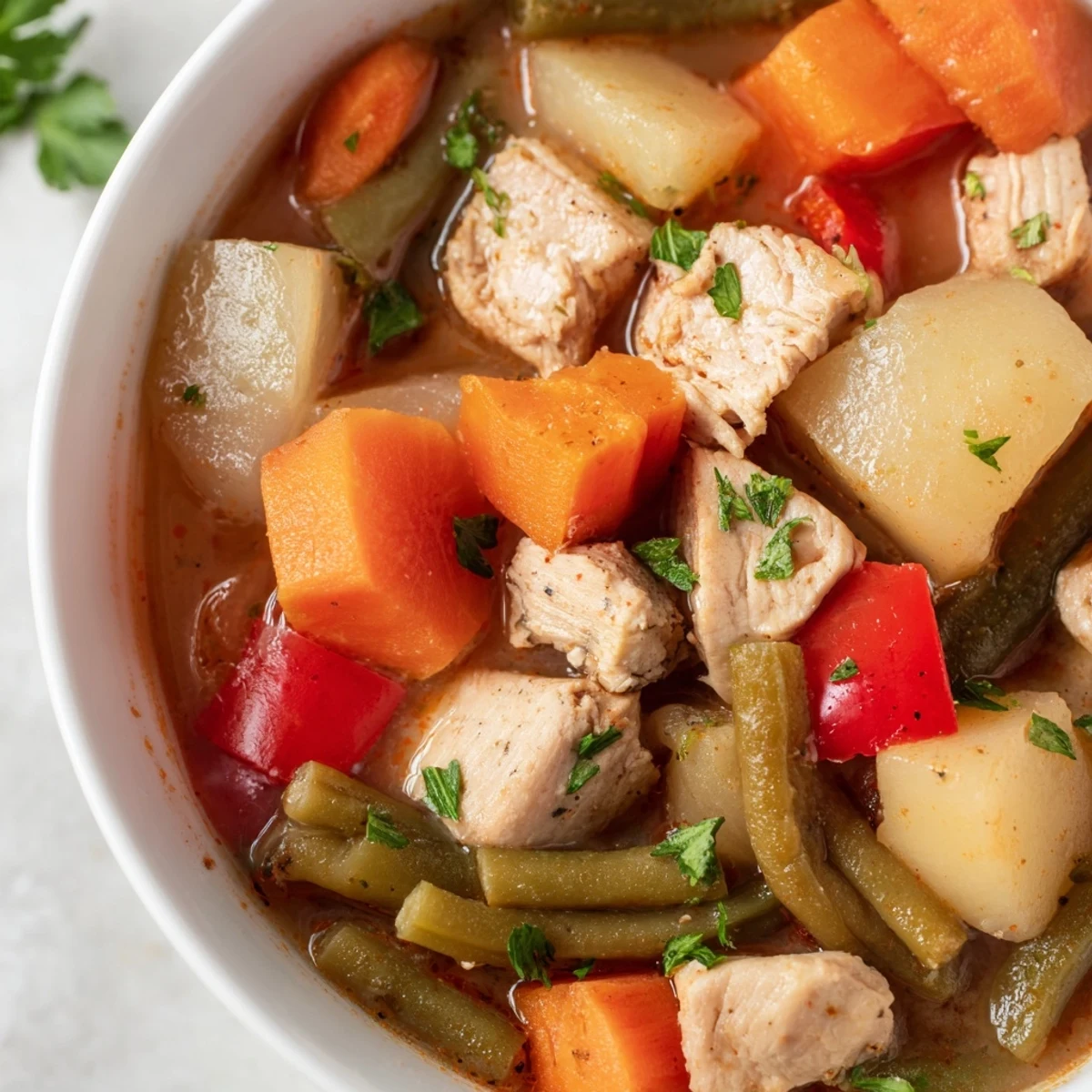
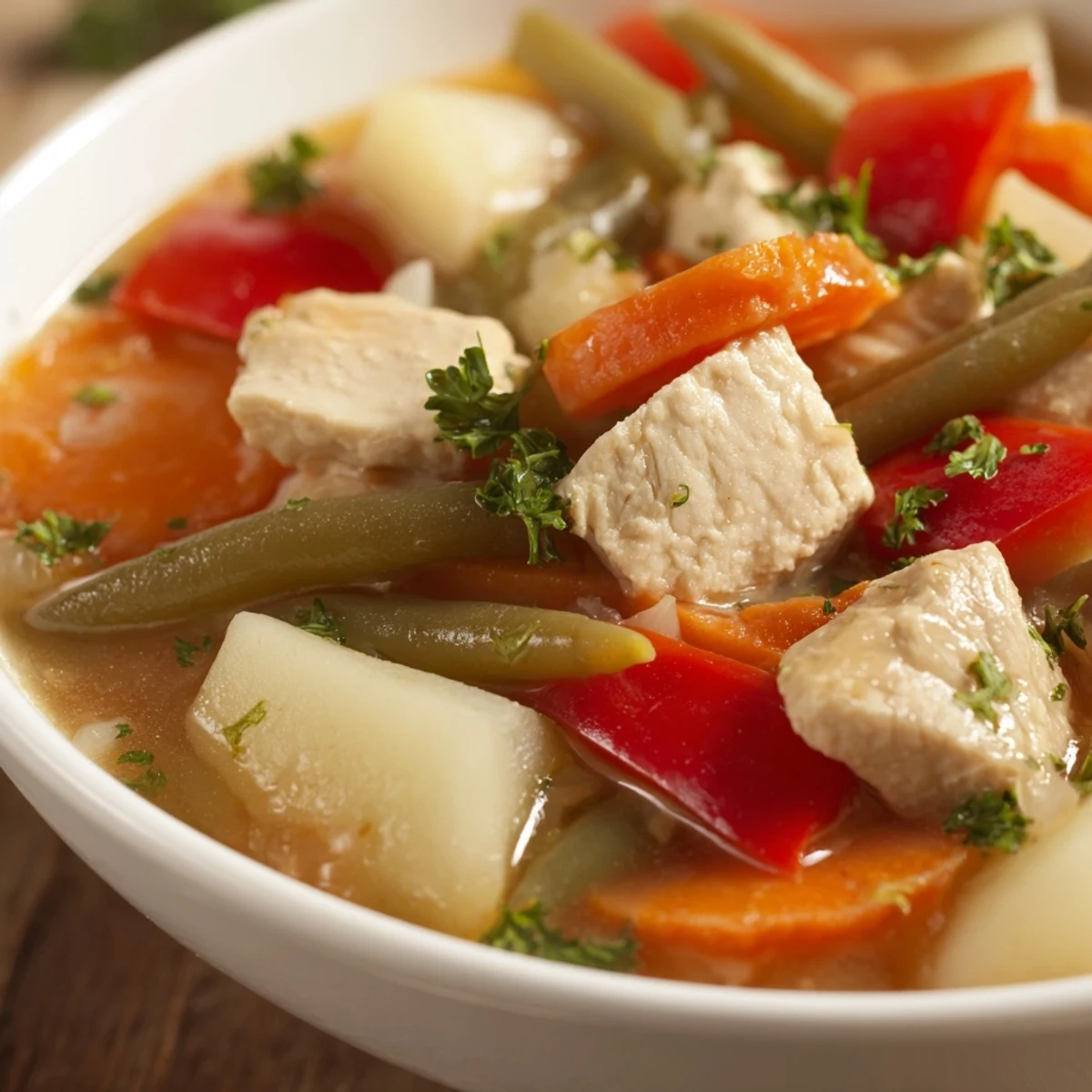
Save This hearty low-fat stew combines cubed chicken breast with vibrant vegetables like carrots, celery, and potatoes. Simmered gently with aromatic thyme and smoked paprika in a savory broth, it creates a warming dish ideal for a healthy start. The preparation involves simple sautéing and slow simmering to meld flavors, resulting in a tender, nutritious meal that is both dairy-free and satisfying.
There's something about January that makes you crave a bowl of something warm and honest. I was standing in my kitchen on a gray afternoon, staring at a half-empty fridge and thinking about how good it would feel to actually keep a promise to myself this year, when I pulled out a package of chicken breast and started chopping vegetables without a real plan. By the time the pot was simmering, the kitchen smelled like thyme and home, and I realized I'd stumbled onto exactly what I needed—a stew that tastes like comfort but feels like progress.
I made this for my sister when she was going through one of those weeks where everything felt heavy, and watching her face soften when she tasted it reminded me that the most powerful recipes aren't fancy—they're the ones that say, I made this because I care about you. She asked for the recipe that night, and now it's become our shorthand for checking in on each other during winter.
Ingredients
- Skinless chicken breast (500 g, cut into 2 cm cubes): The backbone of this stew; skinless is key because you want the broth to stay clean and light, not coat your palate with fat.
- Carrots (2 large, peeled and sliced): They soften into almost sweet submission, which balances the herbs beautifully.
- Celery stalks (2, sliced): The quiet hero that adds depth without announcing itself.
- Onion (1 large, diced): The foundation; take an extra 30 seconds to dice it evenly so it breaks down at the same rate as everything else.
- Red bell pepper (1, chopped): A flash of color and a subtle sweetness that makes people ask what you did differently.
- Potatoes (2 medium, peeled and diced): They thicken the broth naturally as they cook down, so you don't need cream or anything else.
- Green beans (2 cups or 300 g, trimmed and cut into 3 cm pieces): Add these at the right moment and they stay bright and slightly firm, not mushy.
- Garlic (2 cloves, minced): Fresh garlic sautéed at the start is non-negotiable; it's where the whole stew gets its personality.
- Low-sodium broth (1.2 liters): Use chicken or vegetable depending on your mood; low-sodium lets you season to your own taste instead of fighting the broth's salt level.
- Tomato paste (1 tablespoon): A small amount adds umami and slight acidity that makes everything taste more like itself.
- Dried thyme (1 teaspoon): Thyme in stew is like a good friend who doesn't need to say much to make an impact.
- Dried oregano (1 teaspoon): Pairs with thyme in that way that just works, without explanation.
- Ground black pepper (1/2 teaspoon): Freshly ground is better, but don't lose sleep over it.
- Smoked paprika (1/2 teaspoon): This is what people taste and can't quite name; it's the surprise that makes them ask for the recipe.
- Bay leaf (1): Remove it before serving, or it's a choking hazard that ruins the moment.
- Salt: Season at the very end, when you can actually taste what you're adjusting.
- Fresh parsley (optional garnish): A small handful chopped fine, scattered on top just before serving, brings everything back to life.
Instructions
- Start with softness:
- Heat your nonstick pot over medium heat and add the diced onion and minced garlic. Let them go for about 2 minutes, stirring often, until the kitchen starts smelling like something worth paying attention to. You're not looking for color here, just fragrance and the beginning of softness.
- Brown the chicken gently:
- Add the chicken cubes and stir them around for 3 to 4 minutes until they lose their raw appearance and pick up a little golden color on the edges. This isn't searing; it's just enough to lock in flavor without cooking the chicken all the way through.
- Build the vegetable base:
- Toss in the carrots, celery, red pepper, potatoes, and green beans. Stir everything together and let it sit for about 3 minutes, which lets the vegetables start releasing their flavors into the pot instead of staying isolated.
- Wake up the spices:
- Stir in the tomato paste, thyme, oregano, smoked paprika, and bay leaf, making sure everything is coated and the tomato paste breaks up completely. This step is where the stew goes from a pile of ingredients to something with intention.
- Add the broth and settle in:
- Pour in your broth and bring the whole pot to a gentle boil, then immediately reduce the heat to low, cover it, and let it simmer for 30 to 35 minutes. The vegetables should be tender enough to break with a wooden spoon, and the chicken should be cooked all the way through.
- Taste and adjust:
- Fish out the bay leaf with a spoon, then taste it. Add salt and pepper according to what your palate is asking for, not what the recipe dictates. Season carefully; you can always add more.
- Serve with purpose:
- Ladle into bowls and scatter parsley on top if you have it. Serve while it's still steaming, with whole grain bread on the side if you want something to soak up the broth.
 Save
Save I'll never forget my neighbor tasting this and getting quiet for a moment before saying it was exactly what she needed to taste again, something simple and real. That's when I understood that recipes aren't just instructions; they're invitations to feed someone in a way that says you believe they deserve care.
Why This Stew Works for New Beginnings
January is when a lot of people decide to take care of themselves differently, and this stew meets that intention halfway—it's nourishing without performing, healthy without apologizing. The lean protein and vegetables mean you're getting real nutrition, but the herbs and broth make it taste like indulgence, which is the magic trick that keeps people actually eating this way. There's no deprivation in a bowl of something that tastes this good and makes you feel this satisfied.
How to Make It Your Own
This stew is forgiving in the way that matters. If you like things more hearty, add chickpeas or white beans toward the end of cooking; if you prefer it packed with greens, stir in a handful of spinach or kale in the final minutes, and watch it wilt into the broth like it was always meant to be there. Zucchini works beautifully too, though add it later so it doesn't fall apart. The base is strong enough to handle your additions without losing its character.
Serving and Storage
Serve this stew with crusty whole grain bread, which isn't optional in my kitchen because the broth is too good to leave at the bottom of the bowl. It keeps beautifully in the refrigerator for up to four days, and it tastes better each time you reheat it because the flavors have had more time to become friends with each other. Freeze it in portions in glass containers, and on a morning when you need something warm and grounding, you've got comfort waiting.
- Reheat gently on the stovetop rather than blasting it in the microwave, which lets the broth warm evenly and the flavors to reawaken properly.
- If the broth thickens too much after sitting in the refrigerator, add a splash more broth or water when reheating, and it'll come back to life.
- Always taste before serving leftovers; sometimes they benefit from a small pinch of fresh salt or a grind of pepper.
 Save
Save This stew has become my answer to questions I don't have words for—when someone needs to feel cared for, when you want to prove to yourself that taking care of yourself doesn't have to feel like punishment, when January feels too long and you need something to hold onto. Make it, serve it, watch what happens.
Recipe FAQs
- → Can I make this vegetarian?
-
Yes, substitute the chicken with chickpeas and use vegetable broth for a plant-based version.
- → How long does it take to cook?
-
Total time is about 1 hour, including 20 minutes of prep and roughly 45 minutes of simmering.
- → What vegetables can I add?
-
Feel free to add zucchini, spinach, or kale to increase the nutritional value.
- → Is this stew spicy?
-
No, the smoked paprika adds smokiness rather than heat, keeping the flavor profile mild and savory.
- → How should I store leftovers?
-
Store in an airtight container in the refrigerator for up to three days for best flavor.