
 Save
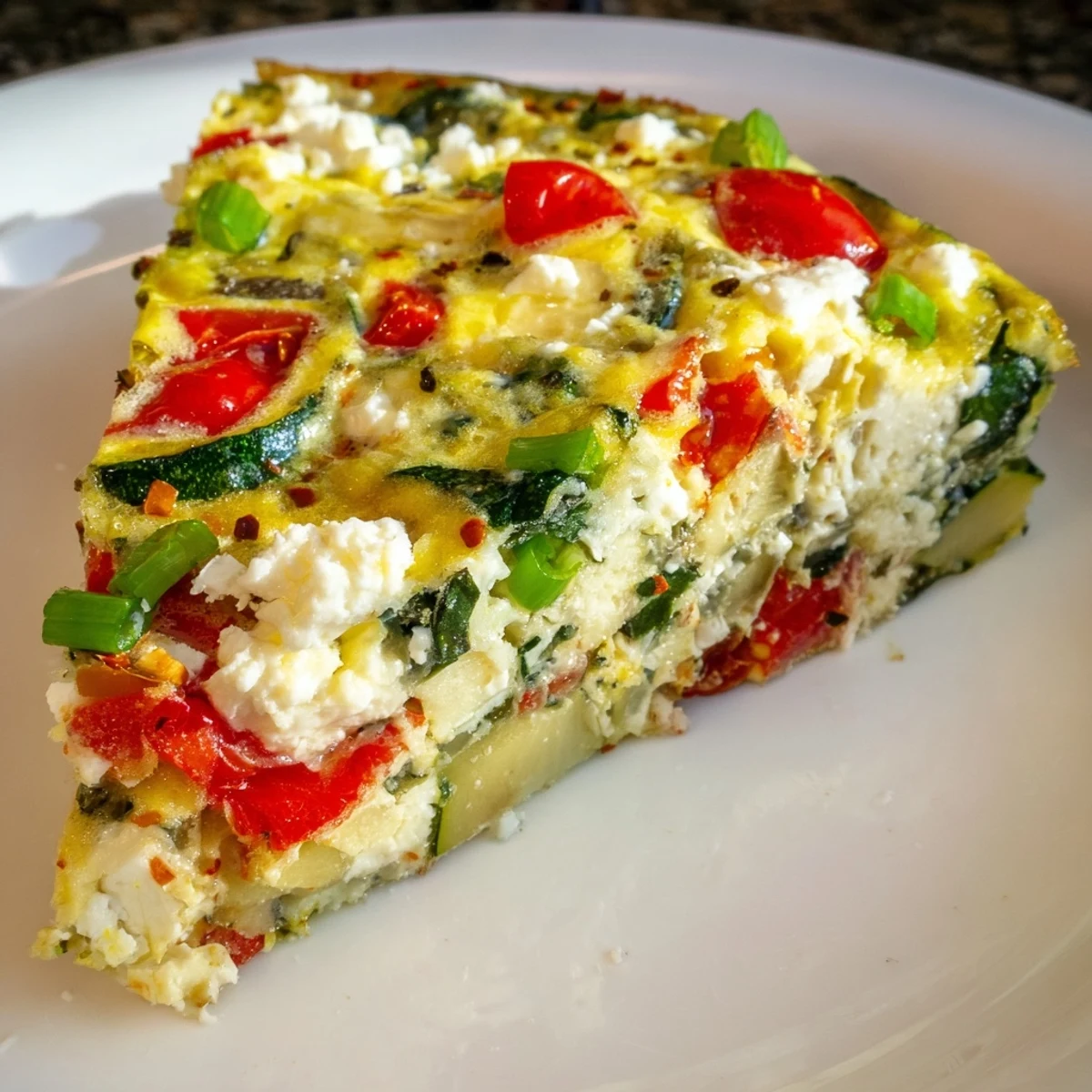
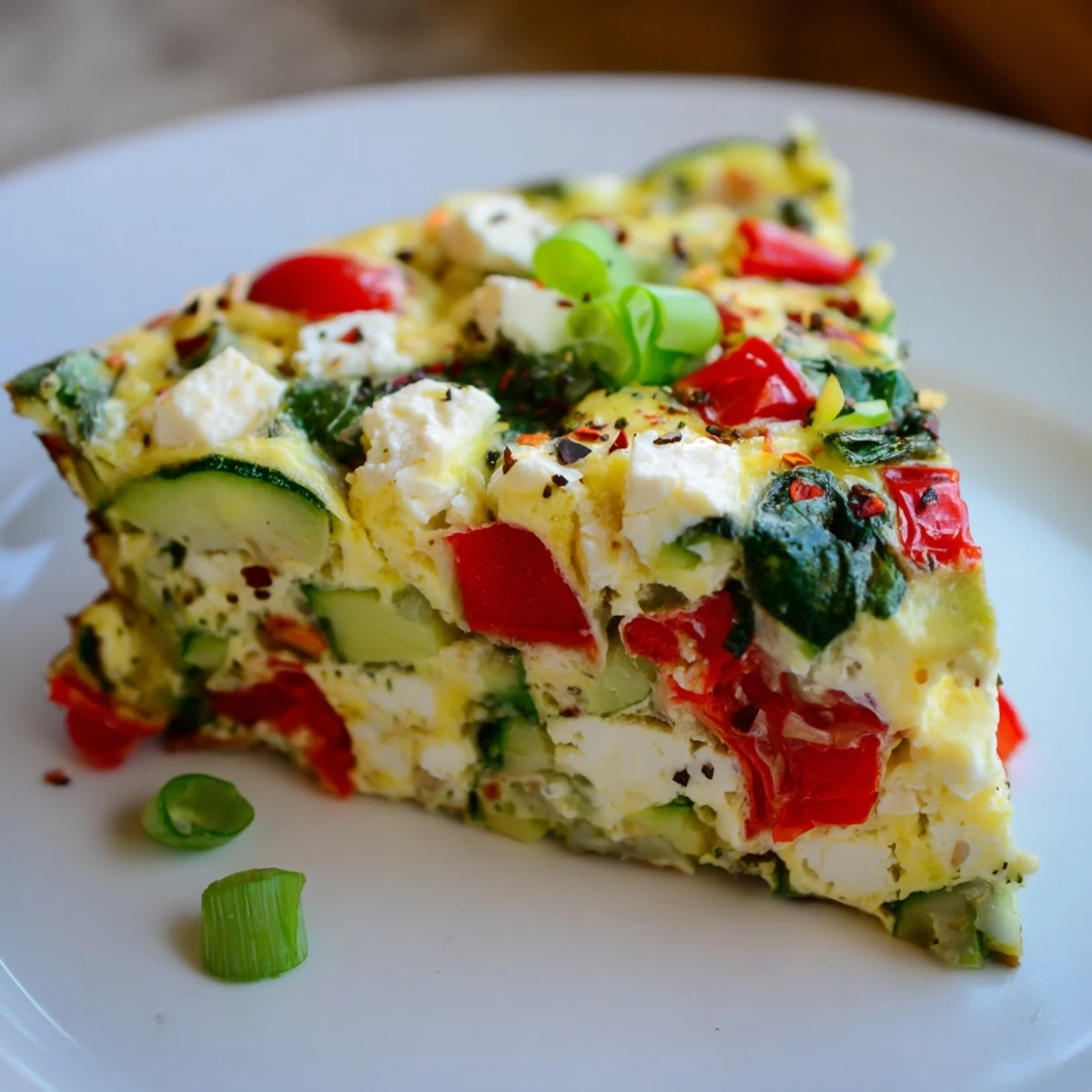
Save This Italian-inspired egg dish features a vibrant mix of baby spinach, bell pepper, zucchini, cherry tomatoes, and green onions simmered in olive oil. Whisked eggs blended with skim milk and dried herbs are poured over the sautéed vegetables in a skillet, topped with reduced-fat feta cheese. After brief stovetop cooking, it’s baked until golden and set, offering a light, protein-rich meal perfect for a healthy beginning to any day.
There's something about January mornings that made me crave something bright and simple—no heavy cream, no indulgence, just eggs and whatever vegetables looked promising in the crisper. I started making frittatas almost by accident, really, when I had half a bell pepper going soft and a handful of spinach that needed rescuing. That first time, I was skeptical that something so lean could actually taste good, but the moment I pulled it from the oven and the smell of oregano and melting feta filled the kitchen, I knew I'd stumbled onto something real.
I made this for a friend who'd just started a new fitness routine, and watching her face when she realized it had feta and eggs but still felt healthy—that's when I became a frittata evangelist. She's made it dozens of times since, and now it's the first thing she reaches for on busy mornings.
Ingredients
- Baby spinach: One cup chopped gives you volume and earthy flavor without any bitterness if you add it last and let it just barely wilt into the eggs.
- Red bell pepper: Diced gives you natural sweetness and color; it softens beautifully in the skillet and becomes almost silky by the time the frittata bakes.
- Small zucchini: Diced keeps things tender and prevents wateriness—smaller zucchini have fewer seeds and less moisture trapped inside.
- Cherry tomatoes: Halved bursts with brightness; their slight acidity balances the richness of the eggs.
- Green onions: Sliced adds a gentle onion flavor that doesn't overpower like raw yellow or red onion would.
- Large eggs: Six eggs creates the perfect custard-like base; they're the backbone of everything.
- Skim milk: Just a quarter cup keeps the eggs tender and prevents them from becoming rubbery as they bake.
- Reduced-fat feta cheese: Crumbled and scattered on top, it melts into salty little pockets of flavor throughout.
- Salt, black pepper, dried oregano: These three are your foundation; oregano is the herb that ties everything to the Mediterranean.
- Chili flakes: Optional but worth it if you want a subtle heat that sneaks up on you.
- Olive oil: Just a teaspoon is all you need when you're using a good non-stick skillet.
Instructions
- Heat your oven and prep the skillet:
- Set the oven to 375°F and let it warm while you prep. Warm a 10-inch ovenproof non-stick skillet over medium heat with a teaspoon of olive oil—you're looking for that shimmer but not smoking.
- Soften the sturdy vegetables:
- Add the bell pepper and zucchini to the warm skillet and let them cook for 3 to 4 minutes, stirring occasionally so they release their moisture and become tender at the edges. You'll know they're ready when they smell sweet and have lost their raw firmness.
- Add the softer elements:
- Toss in the green onions and cherry tomatoes and cook for another 2 minutes, letting the tomatoes warm through without completely collapsing. This is when the whole pan starts smelling like something worth eating.
- Wilt the spinach:
- Dump in the spinach and stir for about a minute until it's just barely softened—don't wait for it to lose all its color, because it will continue cooking. The heat from the vegetables is usually enough to do the job.
- Whisk the egg custard:
- While the vegetables are cooling slightly, whisk together the eggs, skim milk, salt, pepper, oregano, and chili flakes in a bowl until well combined but not overbeaten. You want the mixture pale and just barely foamy.
- Pour and layer:
- Pour the egg mixture evenly over the vegetables in the skillet, using a spatula to gently help it flow into the gaps. Scatter the crumbled feta cheese over the top so it's distributed throughout.
- Start on the stovetop:
- Let the frittata cook on medium heat for 2 to 3 minutes until the very edges start to set and firm up—this gives the bottom a gentle head start. Watch the center; it should still jiggle slightly when you give the pan a gentle shake.
- Finish in the oven:
- Transfer the skillet carefully to the preheated oven and bake for 10 to 12 minutes until the top is lightly golden and the center is just set—it should have a slight jiggle in the absolute middle but no liquid pooling anywhere. A butter knife inserted in the center should come out mostly clean with just a tiny bit of soft egg clinging to it.
- Cool and serve:
- Let it sit for a few minutes so it sets completely and is easier to slice cleanly. Serve it warm, at room temperature, or even cold the next morning straight from the fridge.
 Save
Save There was a morning last winter when I made this for myself while the house was still quiet, and I sat at the kitchen table with a slice and a cup of coffee, watching snow fall outside. That's when I realized this frittata wasn't just about eating right—it was about taking care of myself in a way that felt gentle, not punitive.
Why This Works for New Year Goals
If you're starting the year wanting to eat lighter but not feeling deprived, this dish is your answer. It's satisfying enough to be a real meal, nutritious enough to keep you full for hours, and so uncomplicated that you can make it on a random Tuesday without any drama. The beauty of a frittata is that it doesn't taste like a sacrifice—it tastes like something you actually want to eat.
Making It Your Own
The vegetable combination I've given you is just a starting point, honestly. Asparagus, mushrooms, broccoli, kale—whatever's in your fridge works beautifully as long as you chop it into pieces roughly the same size so it cooks evenly. Some people swear by fresh herbs stirred in after baking, and I won't argue with them; a handful of basil or parsley adds a brightness that's hard to beat. The only rule is to not overstuff it—too many vegetables crowd the egg, and you lose that custardy texture that makes it special.
Timing and Temperature Matter
The stovetop and oven temperatures work together to create the ideal texture—you want the bottom gently set and the edges starting to cook before the whole thing moves to the oven. If your oven runs hot, check it around the 9-minute mark; if it runs cool, you might need those full 12 minutes. The difference between perfect and overdone is literally one minute, so stay close and trust your eyes more than the clock.
- An oven thermometer is genuinely worth having because oven temperatures vary wildly, and this dish is sensitive to that.
- Room temperature is actually ideal for serving—it's when all the flavors come through most clearly and the texture is most forgiving.
- It keeps beautifully in the fridge for up to three days, which makes it the ultimate weekday breakfast or quick lunch.
 Save
Save This frittata has become my answer to the question of how to eat well without eating like you're punishing yourself. Make it once and you'll understand why.
Recipe FAQs
- → What vegetables are used in this dish?
-
Baby spinach, red bell pepper, zucchini, cherry tomatoes, and green onions provide a colorful and nutritious mix.
- → How is the dish cooked to achieve a fluffy texture?
-
The eggs mixed with skim milk are poured over sautéed vegetables, then briefly cooked on the stovetop before baking to set and create a light, fluffy texture.
- → Can I substitute the feta cheese used here?
-
Yes, reduced-fat feta adds tanginess, but you can swap it for other cheeses like ricotta or goat cheese to vary flavor and texture.
- → Is this suitable for gluten-free diets?
-
Yes, all ingredients are gluten-free; just ensure any added spices or cheeses are checked for hidden gluten.
- → Can I add fresh herbs to enhance the dish?
-
Fresh herbs like basil or parsley can be sprinkled after baking to add fresh flavor and aroma.