
 Save
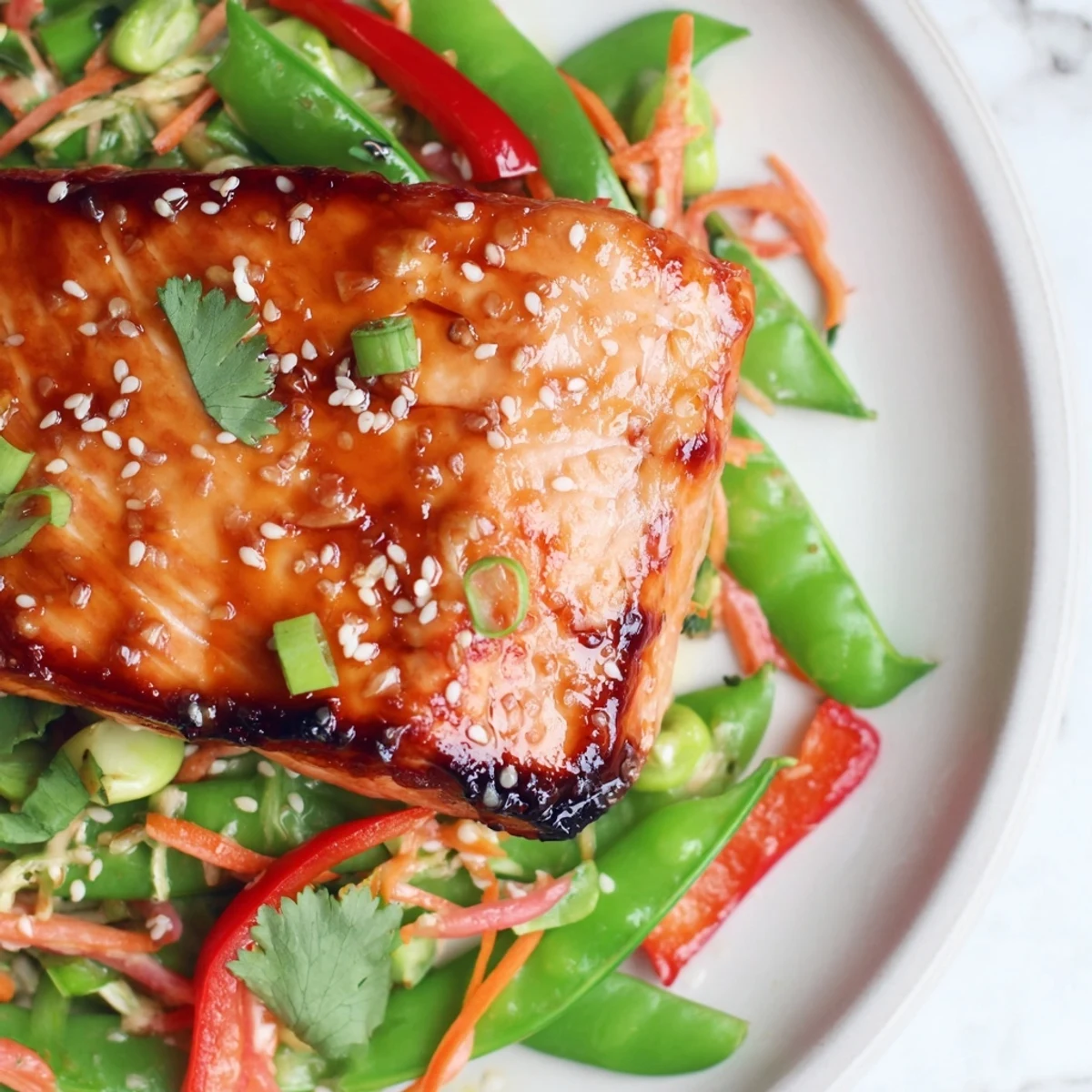
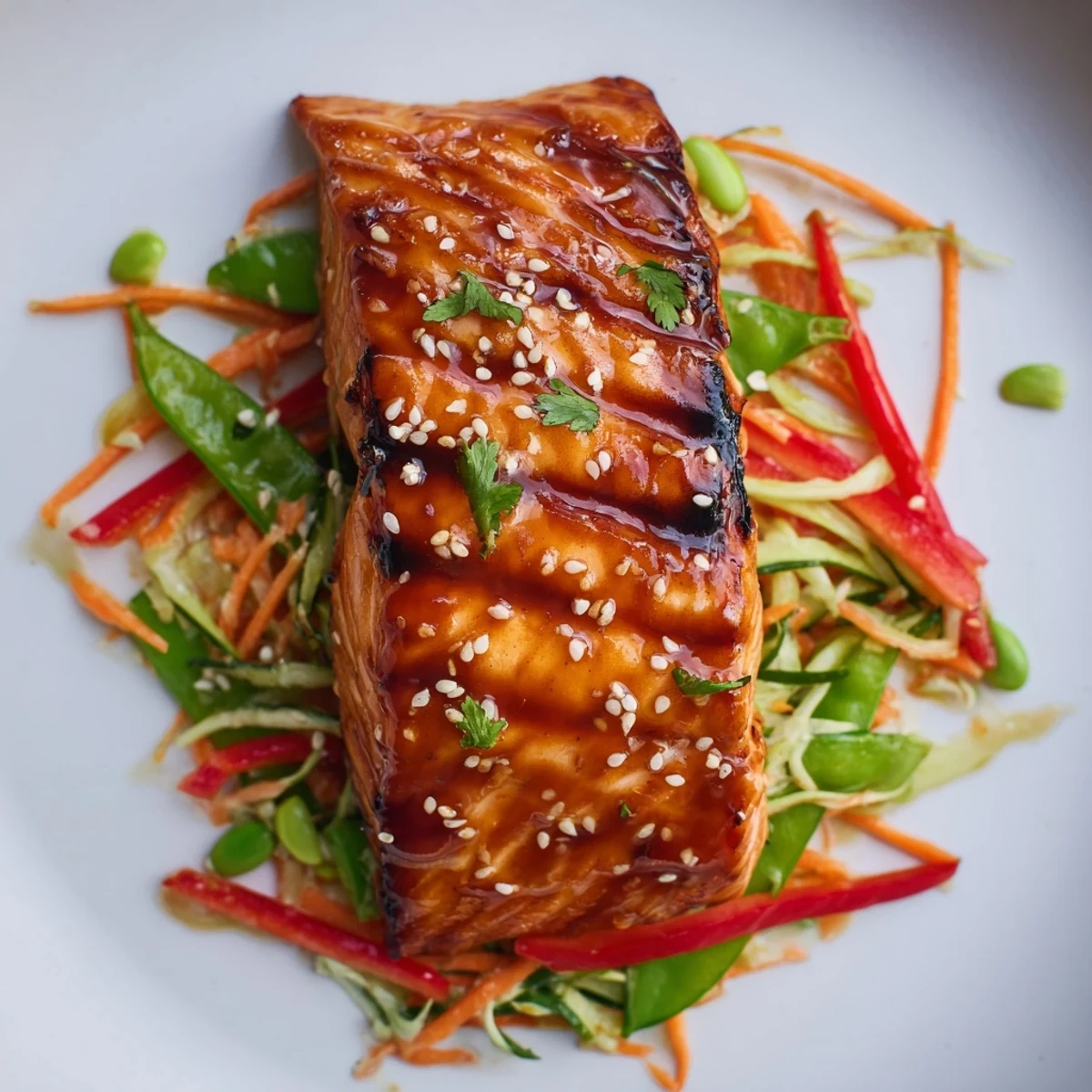
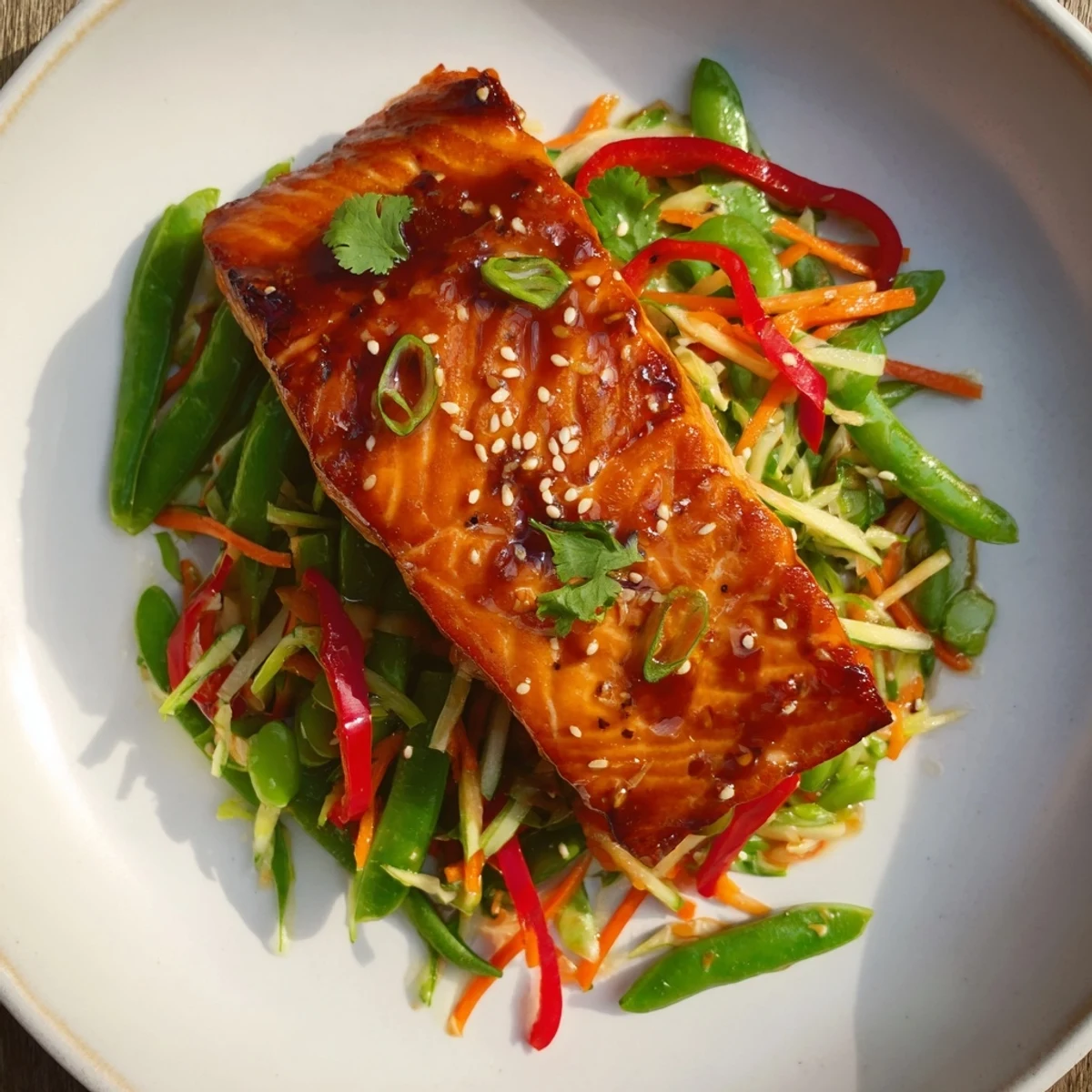
Save This miso-ginger salmon glazes fillets with white miso, grated ginger, soy, rice vinegar, honey and sesame oil, then bakes 12–15 minutes until just flaky. The snap pea slaw combines thinly sliced peas, julienned carrot, red pepper and spring onions tossed in a lime, rice vinegar, soy and sesame dressing, finished with toasted sesame seeds. Serves four; marinate up to 30 minutes. Serve with jasmine rice or soba.
The smell of toasted sesame always pulls me right back to a tiny restaurant in Portland where I first tasted miso glazed salmon that actually lived up to the hype. I had been skeptical, honestly, because every food magazine swears by some version of this dish, but that one plate changed my mind completely. I went home that same week and started tinkering until I found a glaze that caramelizes beautifully without burning. The snap pea slaw came later, born from a desperate fridge raid on a Tuesday when I needed something crunchy and bright to cut through all that richness.
My neighbor Dave stopped by unannounced one evening while I was testing this recipe for the third time, and he ended up leaning against the kitchen counter eating straight from the baking tray with a fork. We stood there for twenty minutes, no plates, just two people demolishing salmon and agreeing the slaw tasted like summer even though it was pouring rain outside.
Ingredients
- 4 salmon fillets (about 150 g each): Skin on or off works but I prefer skin on because it protects the flesh and gets beautifully crispy underneath if you sear it briefly first.
- 2 tbsp white miso paste: White miso is milder and sweeter than red, which means it caramelizes without turning bitter, so do not substitute unless you want a saltier punch.
- 1 tbsp freshly grated ginger: Fresh ginger is nonnegotiable here because the powdered stuff tastes flat and dusty against the miso.
- 1 tbsp soy sauce: Adds salt and umami depth that rounds out the sweetness of the honey.
- 1 tbsp rice vinegar: Balances the glaze with a gentle acidity so it never feels cloying.
- 1 tbsp honey or maple syrup: This is what helps the glaze brown and stick to the salmon rather than sliding off into the pan.
- 1 tsp sesame oil: A little goes a long way and adds that toasty aroma that makes the whole kitchen smell incredible.
- 200 g snap peas, thinly sliced on the diagonal: Cutting them on the bias exposes more surface area for the dressing and looks prettier.
- 1 medium carrot, julienned: Adds color and a satisfying crunch that holds up well against the softer salmon.
- 1 small red bell pepper, thinly sliced: Brings sweetness and a pop of red that makes the slaw look as good as it tastes.
- 2 spring onions, thinly sliced: Their mild bite cuts through the richness without overpowering everything else.
- 2 tbsp toasted sesame seeds: Toast them yourself in a dry pan for one minute and you will never go back to the untoasted ones.
- 1 tbsp fresh cilantro, chopped (optional): I skip this when my cilantro hating friends come over and honestly the slaw does not suffer.
- Slaw dressing (rice vinegar, soy sauce, sesame oil, honey, ginger, lime juice): Whisk these together first and taste before dressing the slaw because lime brightness varies wildly.
Instructions
- Preheat and prep:
- Set your oven to 200 degrees Celsius (400 degrees Fahrenheit) and line a baking tray with parchment paper so cleanup is effortless later.
- Build the glaze:
- Whisk the miso paste, grated ginger, soy sauce, rice vinegar, honey, and sesame oil in a small bowl until completely smooth with no lumps hiding in the corners.
- Coat the salmon:
- Pat the fillets dry with paper towels because moisture is the enemy of a good caramelized crust, then brush the glaze generously over every surface.
- Bake until just right:
- Slide the tray into the oven for 12 to 15 minutes, checking at the twelve minute mark because overcooked salmon turns dry and sad faster than you expect.
- Assemble the slaw:
- Toss the sliced snap peas, julienned carrot, bell pepper, spring onions, and cilantro together in a large bowl while keeping an ear on the oven timer.
- Whisk the dressing:
- Combine the rice vinegar, soy sauce, sesame oil, honey, ginger, and lime juice in a separate bowl, tasting as you go to find the balance you like best.
- Dress and toss:
- Pour the dressing over the vegetables and toss with your hands or tongs until everything glistens evenly, then shower with those toasted sesame seeds.
- Plate and serve:
- Mound the slaw on each plate and crown it with a salmon fillet, adding extra seeds and cilantro if the mood strikes you.
 Save
Save I made this for my mothers birthday dinner last spring and she sat quietly after the first bite, which from her is the highest compliment possible. She asked for the recipe before dessert even hit the table, and now she makes it for her book club every month and tells them she invented it.
What to Serve Alongside
Steamed jasmine rice soaks up the extra glaze that pools on the plate and turns it into something worth scraping up with a spoon. Soba noodles work too if you toss them with a splash of soy sauce and sesame oil while still warm.
Storing and Reheating
Leftover salmon keeps in the fridge for up to two days but reheating it in the microwave will make you sad because the glaze loses its magic. Eat it cold over rice or flake it into the leftover slaw for a lunch that tastes better than the original dinner.
Getting the Glaze Just Right
The trick is patience at the oven door because that glaze transforms in the final two minutes from pale and wet to deeply bronzed and slightly sticky. Every oven runs differently so watch it like a hawk the first time you make this.
- If the glaze looks too pale at twelve minutes, switch to the broiler for one to two minutes but do not walk away.
- A thin fillet cooks faster than a thick one so adjust your expectations if your pieces vary in size.
- Let the salmon rest for two minutes after pulling it from the oven so the juices redistribute instead of running all over the plate.
 Save
Save This is the kind of recipe that makes weeknight dinners feel like a small celebration without requiring a celebration sized effort. Keep the ingredients stocked and you will always be twenty minutes away from something that makes the whole kitchen smell like your favorite restaurant.
Recipe FAQs
- → How do I know when the salmon is done?
-
Salmon is ready when it flakes easily with a fork and the flesh is opaque in the center. For even cooking, aim for 12–15 minutes in a 200°C (400°F) oven depending on fillet thickness.
- → Can I substitute ingredients in the slaw?
-
Yes. Swap snap peas for sugar snap or snow peas, use cucumber for extra crunch, or replace cilantro with parsley. Adjust dressing acidity with more lime or rice vinegar to taste.
- → How long should I marinate the salmon?
-
For best flavor, marinate up to 30 minutes. Avoid much longer with miso, as its saltiness can start to cure the fish and change texture.
- → What's the best way to toast sesame seeds?
-
Toast seeds in a dry skillet over medium heat, stirring constantly, until fragrant and lightly golden—about 2–3 minutes. Remove promptly to prevent burning.
- → How should I reheat leftovers?
-
Reheat gently in a low oven (150–160°C / 300–325°F) for 8–10 minutes to avoid drying. Rewarm rice or noodles separately; keep the slaw chilled and add just before serving.
- → What pairings work well with this dish?
-
Steamed jasmine rice or soba noodles absorb the glaze nicely. Light steamed greens or a simple cucumber salad provide extra freshness and balance.