
 Save
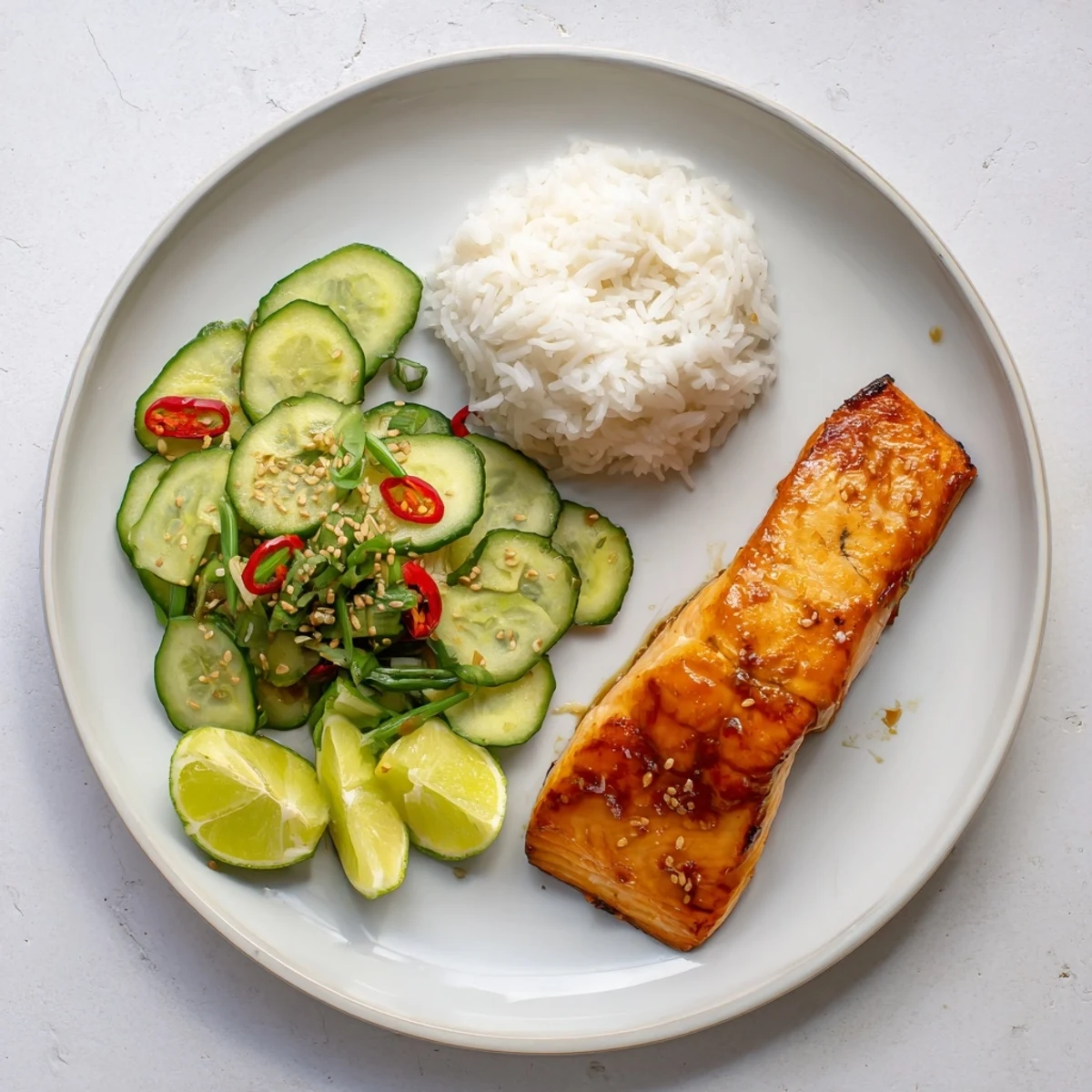
Save This miso maple salmon brings together the deep, savory notes of white miso paste with the natural sweetness of pure maple syrup, creating a beautifully caramelized glaze that coats each fillet.
Baked at 400°F for just 10–12 minutes, the salmon stays tender and flaky while developing a gorgeous golden crust under the broiler.
The sesame cucumber crunch adds a refreshing, textural contrast with rice vinegar, toasted sesame oil, and a sprinkle of sesame seeds.
Ready in just 30 minutes with minimal prep, this dish makes an easy yet impressive weeknight dinner that pairs perfectly with steamed jasmine or sushi rice.
The smell of miso hitting a hot oven is something you dont forget: toasty, salty, and faintly sweet all at once. I stumbled on this combination one Tuesday when half a jar of miso sat next to a bottle of maple syrup in my fridge door, and curiosity won. Fifteen minutes later the kitchen smelled like a tiny ramen shop had opened in my apartment, and I have been making it ever since.
I served this to my neighbor once when she stopped by to return a borrowed casserole dish, and she stood in the kitchen eating it straight off the baking sheet with a fork. No plate, no rice, just pure enthusiasm. Sometimes the best meals are the ones nobody planned.
Ingredients
- Salmon fillets: Skin on gives you a crispy bottom if you sear first, but skinless works beautifully for pure oven baking and easier eating.
- White miso paste: This is your flavor backbone here. Use the lightest miso you can find, as dark miso will overpower the delicate maple sweetness.
- Pure maple syrup: The real stuff only, never artificial. Its natural complexity is what makes this glaze special.
- Low sodium soy sauce: Keeps the salt level balanced since miso already brings plenty of sodium to the party.
- Rice vinegar: Adds a subtle tang that brightens the glaze and prevents it from tasting one dimensional.
- Toasted sesame oil: Just a teaspoon transforms the entire dish with its nutty, aromatic depth.
- Fresh ginger and garlic: Freshly grated is nonnegotiable here. The jarred versions lack the punch this recipe needs.
- Cucumbers: English or Persian cucumbers are ideal because their seeds are small and their flesh stays crisp.
- Sesame seeds: Toasting them yourself in a dry pan for two minutes doubles their flavor compared to pretoasted.
- Scallions and chili: The scallions add freshness while the chili brings a gentle, welcome heat that rounds everything out.
Instructions
- Preheat and prepare:
- Set your oven to 400 degrees F and line a baking sheet with parchment paper. This prevents the glaze from sticking and makes cleanup practically effortless.
- Whisk the glaze:
- In a small bowl, combine miso paste, maple syrup, soy sauce, rice vinegar, sesame oil, grated ginger, minced garlic, and a pinch of black pepper. Whisk until completely smooth with no lumps remaining.
- Glaze the salmon:
- Arrange the salmon fillets on your prepared sheet and brush them generously with the miso maple mixture. Save about a tablespoon of glaze in the bowl for finishing later.
- Bake until caramelized:
- Roast for 10 to 12 minutes until the salmon is just cooked through and the top turns a gorgeous golden amber. If you want extra color, flip on the broiler for the final minute or two and watch it closely.
- Prep the cucumber crunch:
- Toss your sliced cucumbers with salt in a colander and let them sit while the salmon cooks. After about 10 minutes, rinse them and pat thoroughly dry with paper towels so the dressing does not get watered down.
- Dress the salad:
- Whisk rice vinegar, sesame oil, and sugar together in a large bowl. Add the drained cucumbers, sesame seeds, scallions, and chili if using, then toss everything until evenly coated.
- Plate and serve:
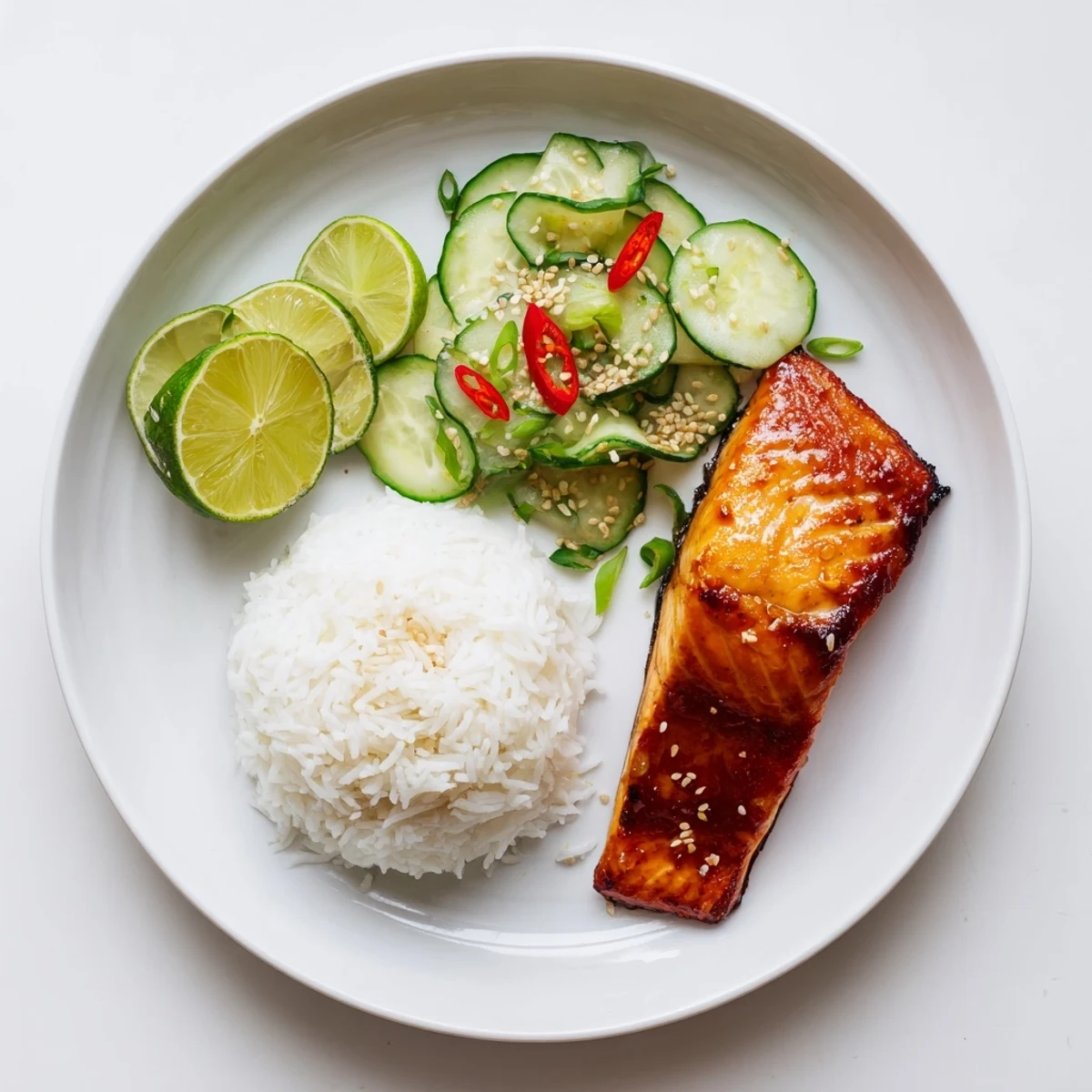
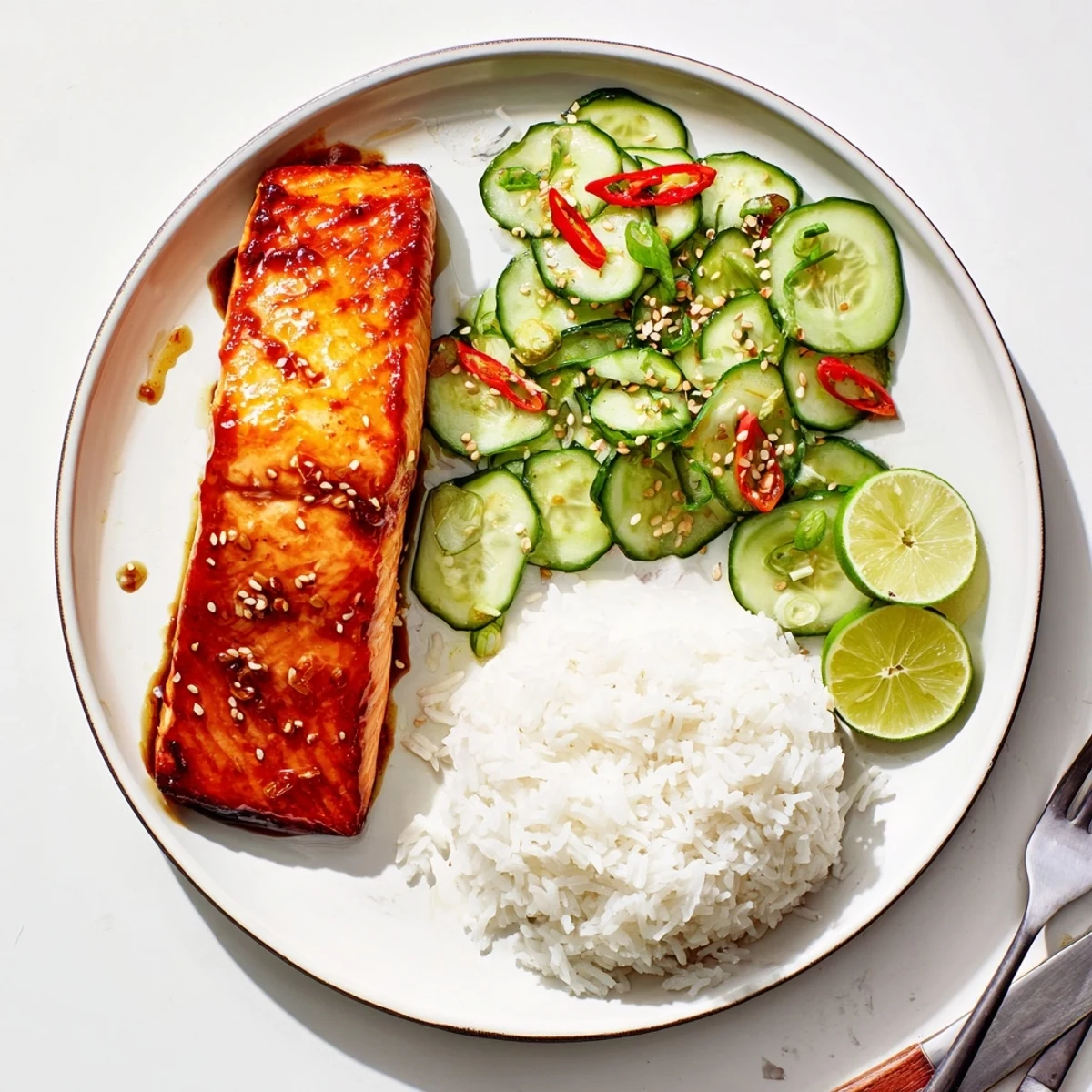
- Place each salmon fillet alongside a generous heap of cucumber crunch. Drizzle the reserved glaze over the fish and add lime wedges for squeezing. Rice on the side is never a bad idea.
 Save
Save One cold evening I packed leftovers of this into a container for lunch the next day and ate it cold at my desk. It was somehow even better, the flavors having mingled overnight into something deeper and more cohesive.
Getting the Glaze Just Right
The trick to a smooth glaze is starting with the miso paste alone and gradually whisking in the liquid ingredients. If you dump everything in at once, you will chase miso lumps around the bowl for far longer than necessary. A small fork actually works better than a whisk for breaking up those stubborn bits.
Pairing Suggestions
A crisp Sauvignon Blanc or even a light sparkling water with a squeeze of lime complements the sweet and savory fish beautifully. If you prefer beer, a clean lager does the job without competing with the glaze.
Making It Your Own
Once you know the basic glaze ratio, you can riff endlessly on this dish. Try honey instead of maple for a rounder sweetness, or add a spoonful of sriracha for a spicy kick.
- Thinly sliced radishes or julienned carrots make a colorful addition to the cucumber crunch.
- Use tamari in place of soy sauce to make the entire meal gluten free without sacrificing flavor.
- Leftover salmon flakes beautifully into a next day rice bowl with any remaining cucumber salad on top.
 Save
Save This is the kind of recipe that reminds you how a handful of thoughtful ingredients can create something far greater than the sum of their parts. Keep it in your back pocket for busy nights when you want dinner to feel special without the fuss.
Recipe FAQs
- → Can I use red miso paste instead of white miso?
-
Yes, you can substitute red miso paste, but keep in mind it has a stronger, more robust flavor compared to the milder, slightly sweet profile of white miso. Start with 1 tablespoon and adjust to taste.
- → What type of salmon works best for this dish?
-
Wild-caught salmon like sockeye or coho offers a firmer texture and bolder flavor, while farm-raised Atlantic salmon tends to be fattier and more forgiving during cooking. Both work well with the miso maple glaze.
- → How do I know when the salmon is cooked through?
-
The salmon is done when it flakes easily with a fork and reaches an internal temperature of 145°F (63°C). The flesh should turn from translucent to opaque, typically taking 10–12 minutes at 400°F for fillets around 5 oz each.
- → Can I prepare the cucumber crunch ahead of time?
-
You can slice the cucumbers and prepare the dressing separately up to a day in advance. Toss everything together no more than 30 minutes before serving to keep the cucumbers crisp and prevent them from becoming watery.
- → Is there a substitute for maple syrup in the glaze?
-
Honey works as a direct substitute and adds a slightly floral sweetness. You could also use brown sugar dissolved in a splash of warm water, though the glaze may not caramelize quite as evenly as with maple syrup or honey.
- → Can I cook the salmon on the stovetop instead of baking?
-
Absolutely. Sear the glazed salmon fillets skin-side down in an oven-safe skillet over medium-high heat for 3–4 minutes, then transfer to a 400°F oven to finish cooking. This method gives a crispy skin while keeping the flesh moist.