
 Save
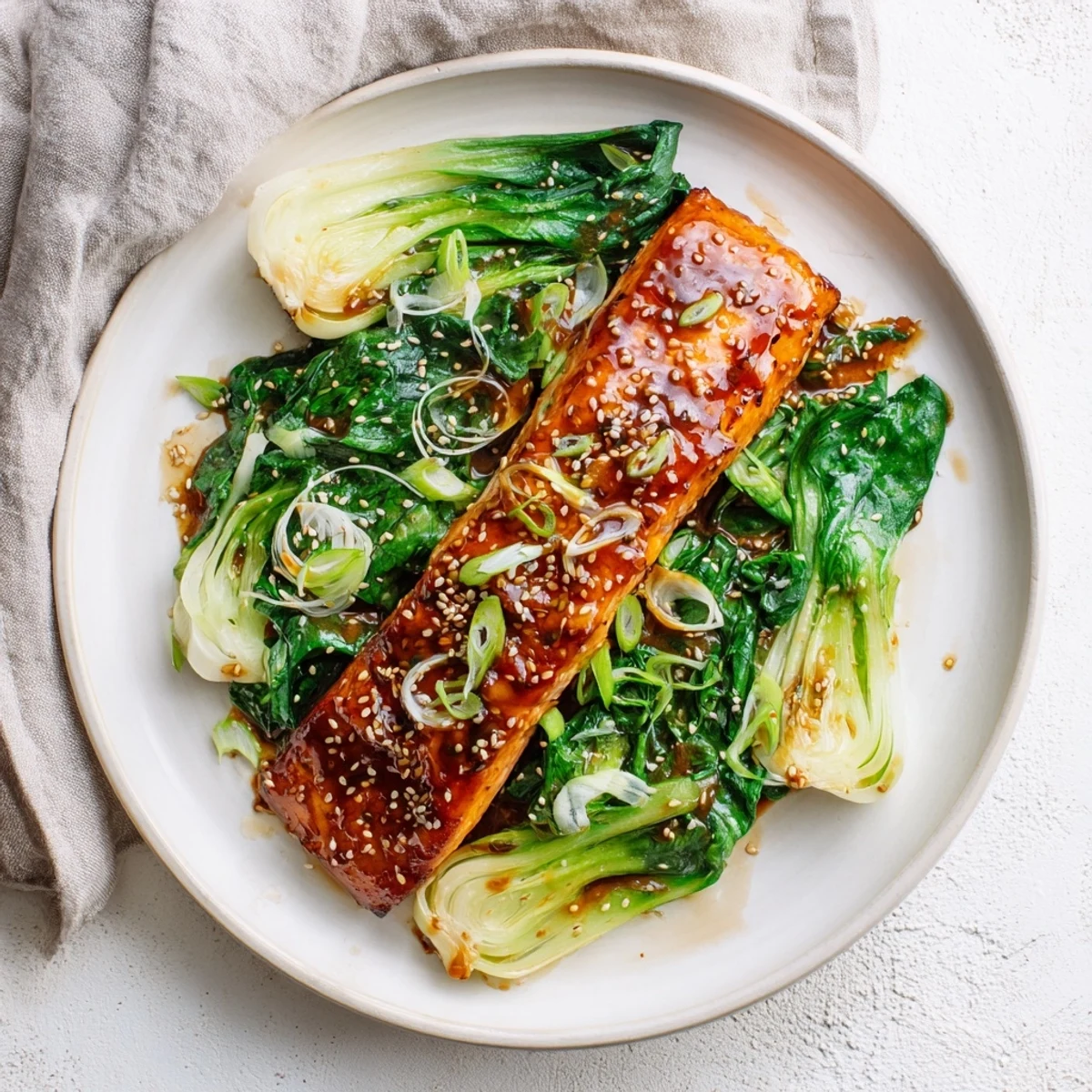
Save This Japanese-inspired main features succulent salmon fillets coated in a rich, sweet-salty glaze made from white miso paste, pure maple syrup, and aromatic garlic ginger. The fish emerges from the oven with beautifully caramelized edges while remaining moist and flaky within. Served atop vibrant greens quickly wilted in toasted sesame oil and seasoned with soy sauce, each bite offers perfect contrast between the glazed fish and crisp-tender vegetables.
The first time I made this miso maple glaze, I honestly thought I had messed something up. The paste looked grainy, the maple syrup seemed too sweet, and I could not imagine how these flavors would possibly come together. But then that salty-sweet aroma hit the oven, and I understood what the fuss was about. Now it is the salmon I make when I want something that feels restaurant fancy but takes zero effort.
I served this at a dinner party last fall when my friend announced she was pregnant and we all needed something celebratory but not fussy. Everyone went quiet for that first bite, and someone actually said wait, did you really just make this. The balance of salty miso against sweet maple syrup just works on some instinctive level, like your tongue finally found what it was looking for.
Ingredients
- 4 salmon fillets: Skin-on gives you that crispy bottom layer, but skinless works fine too if that is your preference
- White miso paste: This is the flavor foundation, do not try to substitute with red miso which is much stronger
- Pure maple syrup: Real maple syrup matters here, the fake stuff will not give you the same depth
- Soy sauce: Low sodium is best because the miso is already plenty salty on its own
- Rice vinegar: Adds just enough acid to cut through all that rich sweetness
- Toasted sesame oil: Use the toasted kind, not raw, for that deep nutty aroma
- Fresh ginger and garlic: Fresh matters, jarred ginger will not give you the same bright kick
- Baby spinach or Asian greens: Whatever looks fresh at the market, they wilt down anyway
- Spring onions: These add a fresh bite that cuts through the rich glaze
Instructions
- Get your oven ready:
- Preheat to 200°C (400°F) and line a baking tray with parchment paper, which saves you from scrubbing burnt sugar off metal later.
- Whisk the glaze:
- In a small bowl, combine the miso paste, maple syrup, soy sauce, rice vinegar, sesame oil, garlic, and ginger until smooth.
- Prep the salmon:
- Pat the fillets dry with paper towels and place them skin-side down on the prepared tray.
- Glaze generously:
- Brush that miso maple mixture all over the salmon, really coat it because you want maximum flavor.
- Bake to perfection:
- Cook for 10 to 12 minutes until the fish flakes easily, then broil for 1 to 2 minutes for that gorgeous caramelized finish.
- Make the greens:
- Heat sesame oil in a skillet over medium heat, toss in the greens for 1 to 2 minutes until wilted, then stir in soy sauce, rice vinegar, and sesame seeds.
- Bring it together:
- Plate the salmon right on top of those sesame greens and scatter spring onions and extra sesame seeds everywhere.
 Save
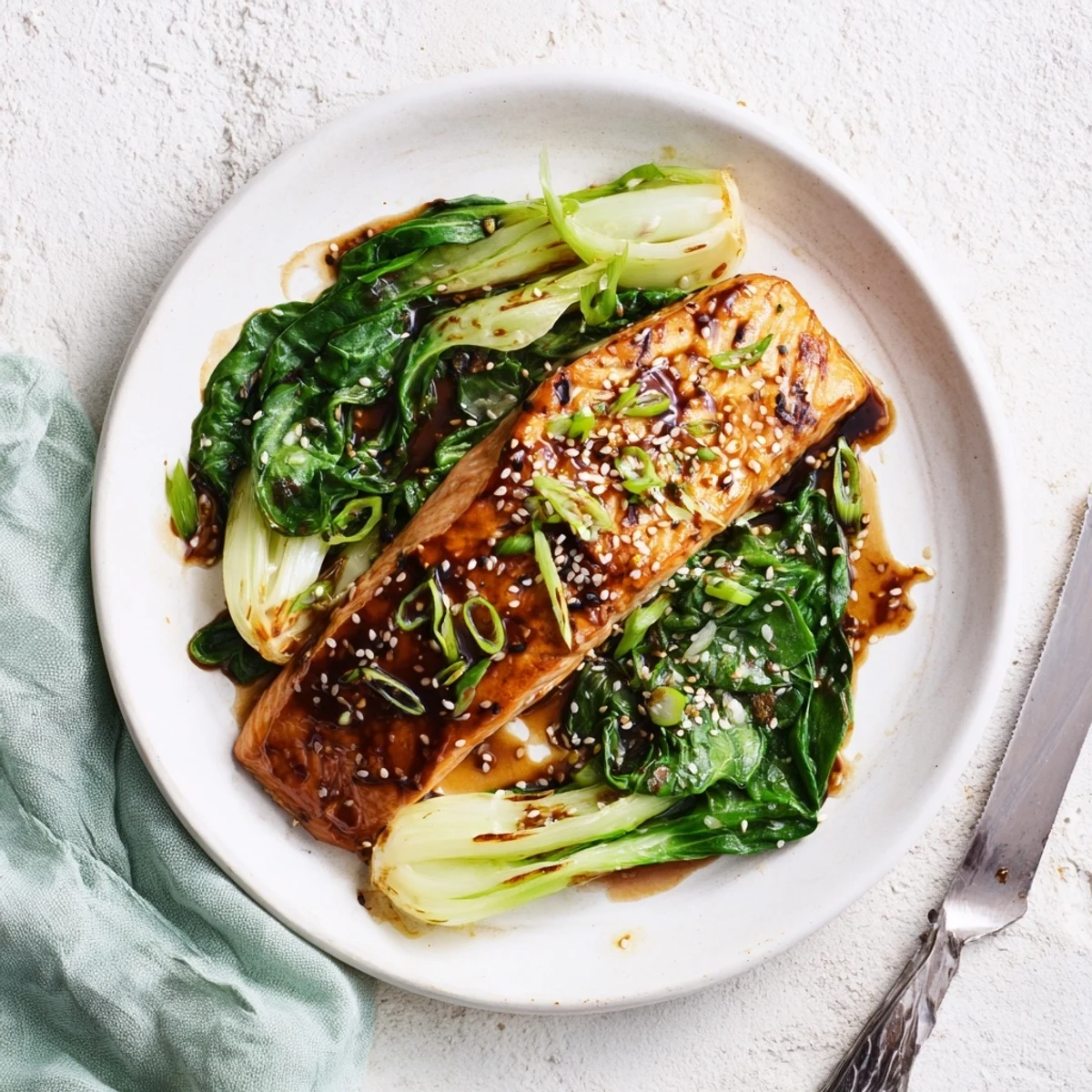
Save This recipe became my weeknight savior last year when I realized I could throw it together between work and evening plans. There is something so satisfying about pulling that tray out of the oven, seeing those caramelized edges, and knowing dinner is basically done. It is the kind of meal that makes you feel put together even when you are absolutely not.
Make It Your Own
Honey works beautifully instead of maple syrup if that is what you have in the pantry, though the flavor will be slightly more floral. I have also added a pinch of red pepper flakes to the glaze when I wanted some warmth, and it was a game changer for cold winter nights.
Serving Ideas
Steamed jasmine rice soaks up that extra glaze like nothing else, but soba noodles make it feel lighter and more summery. Sometimes I just serve it with plain cucumber slices when I want something refreshing alongside the rich salmon.
Timing Is Everything
The salmon continues cooking after you pull it from the oven, so take it out when it still looks slightly underdone in the very center. Let it rest for 2 minutes before serving, which gives the juices time to redistribute and makes for much more tender fish.
- Pat the salmon really dry before glazing, wet fish will not caramelize properly
- Warm your miso paste in the microwave for 10 seconds if it is too stiff to whisk
- Line your baking tray well because burnt sugar is no joke to clean up
 Save
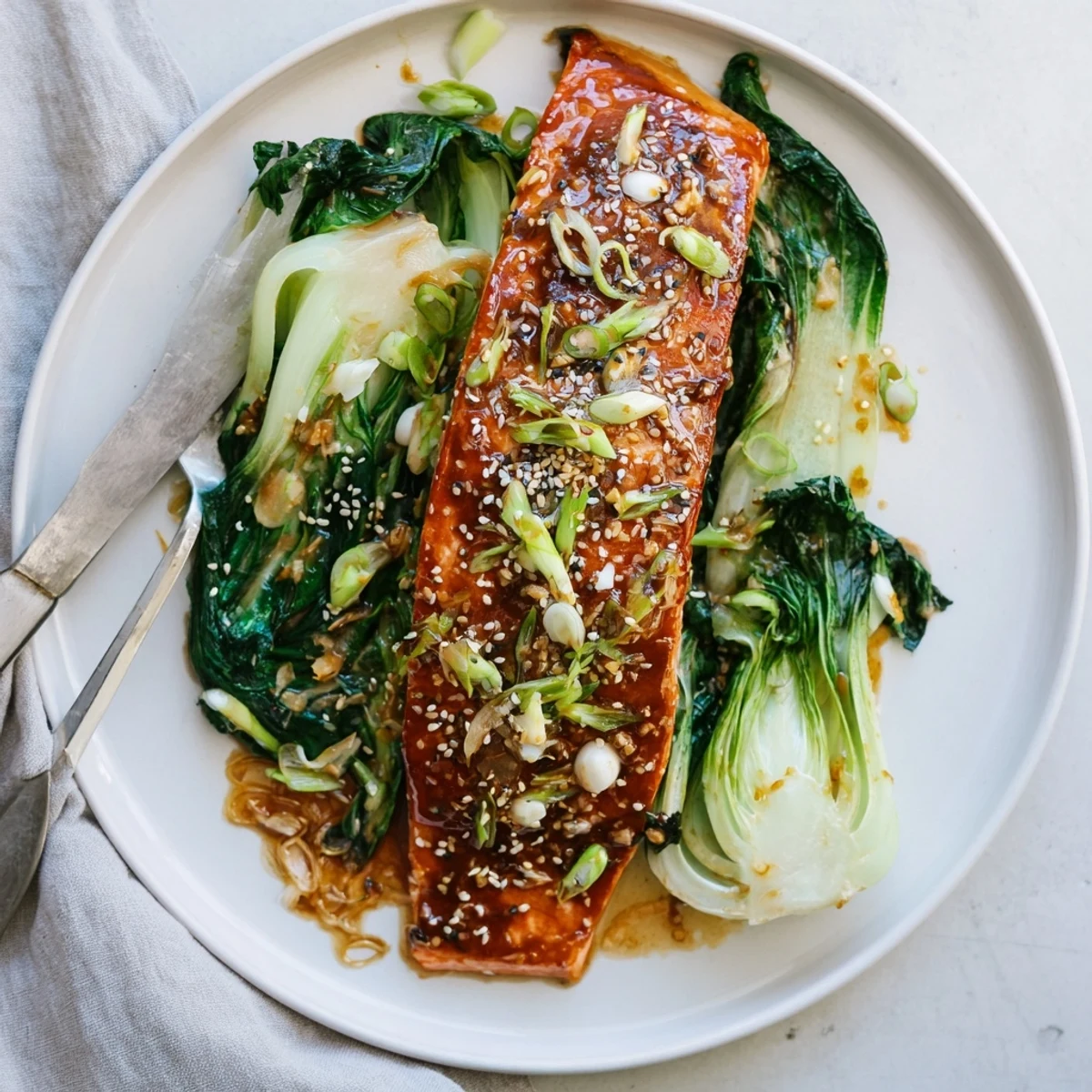
Save Hope this becomes one of those recipes you keep coming back to, the one that feels like an old friend every time you make it.
Recipe FAQs
- → What does miso maple glaze taste like?
-
The glaze delivers a perfect sweet-salty balance where fermented miso's umami depth meets maple syrup's natural sweetness. Aged garlic and fresh ginger add subtle warmth while rice vinegar brightens everything with gentle acidity.
- → Can I prepare the glaze ahead of time?
-
Absolutely. Mix the glaze ingredients up to three days in advance and store refrigerated in an airtight container. The flavors actually meld together beautifully during this time. Bring to room temperature before brushing onto the salmon.
- → What greens work best for this dish?
-
Baby spinach offers delicate texture, while Asian greens like bok choy, tatsoi, or mizuna provide pleasant crunch and slight bitterness that cuts through the rich glaze. Mixed greens work wonderfully too. Avoid sturdy greens like kale as they require longer cooking.
- → How do I know when the salmon is perfectly cooked?
-
The salmon is done when it flakes easily with gentle fork pressure and the internal temperature reaches 125°F to 130°F for medium. The flesh should turn opaque and appear slightly translucent in the center. Avoid overcooking as the fish will dry out quickly.
- → Is this dish gluten-free?
-
The dish becomes naturally gluten-free when you substitute regular soy sauce with tamari or certified gluten-free soy sauce. Most other ingredients including miso paste and pure maple syrup are inherently gluten-free, but always verify labels to ensure no cross-contamination occurred during production.