
 Save
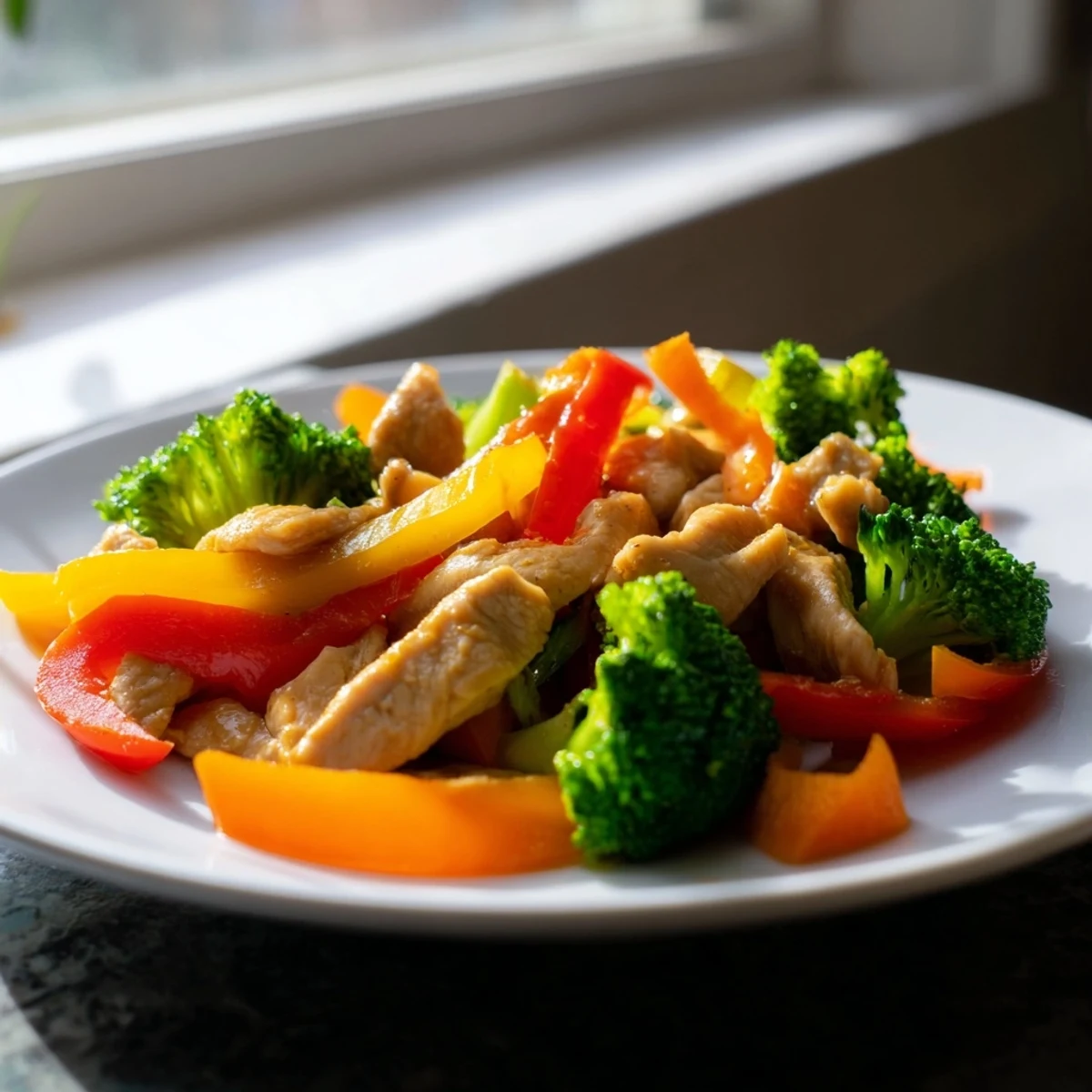
Save This vibrant stirfry combines lean chicken breast with colorful bell peppers, broccoli, carrots, and sugar snap peas in a flavorful Asian-inspired sauce. Ready in just 30 minutes, it's both quick and nutritious.
The dish features a balanced sauce made with low-sodium soy sauce, oyster sauce, rice vinegar, and sesame oil, creating rich flavor without excessive fat. Perfect for health-conscious meals or starting the year with lighter eating habits.
Easily customizable with tofu for a vegetarian version, this stirfry delivers approximately 25g of protein per serving with only 5g of fat.
My kitchen window was frosted over when I first created this stir fry, watching snowflakes dance outside while chopping vibrant vegetables inside. The contrast between the winter chill and the steam rising from my wok felt symbolic of new beginnings. I'd made a quiet promise to myself to cook lighter after the holiday indulgences, but wasn't willing to compromise on flavor or satisfaction.
Last January, my neighbor stopped by just as I was plating this stir fry, her eyes widening at the rainbow of colors on my counter. She had also been talking about eating healthier, so I invited her to join me. We sat at my kitchen island, steam fogging our glasses, laughing about our synchronized New Year ambitions while the ginger and garlic aromas filled the room.
Ingredients
- Boneless skinless chicken breasts: Slicing them thinly against the grain ensures they cook quickly and remain tender rather than tough or chewy.
- Mixed bell peppers: I use both red and yellow for their sweetness and vibrant colors, but orange or green work beautifully too if that's what you have on hand.
- Fresh ginger and garlic: These aromatics create the foundation of flavor, and I've learned fresh truly makes a difference here rather than pre-minced versions.
- Low-sodium soy sauce: Using the reduced-sodium version gives you control over the saltiness while still providing that essential umami depth.
Instructions
- Prepare your workspace:
- Before heating anything, have all vegetables chopped and your sauce mixed in a small bowl. This step saved me countless times from overcooking while frantically searching for ingredients.
- Cook chicken first:
- Heat half the oil and quickly cook the sliced chicken until just done, about 3-4 minutes. The pieces should still be juicy with a slight golden exterior.
- Build the aromatics:
- With the remaining oil, sauté minced garlic and ginger just until that heavenly fragrance releases, about 30 seconds. Watch carefully as they can burn quickly, turning bitter.
- Stagger your vegetables:
- Add the heartier vegetables first (broccoli, carrots, snap peas), stir-frying for 2 minutes before adding the quicker-cooking bell peppers. The colors will brighten beautifully while maintaining a perfect crisp-tender texture.
- Create the sauce magic:
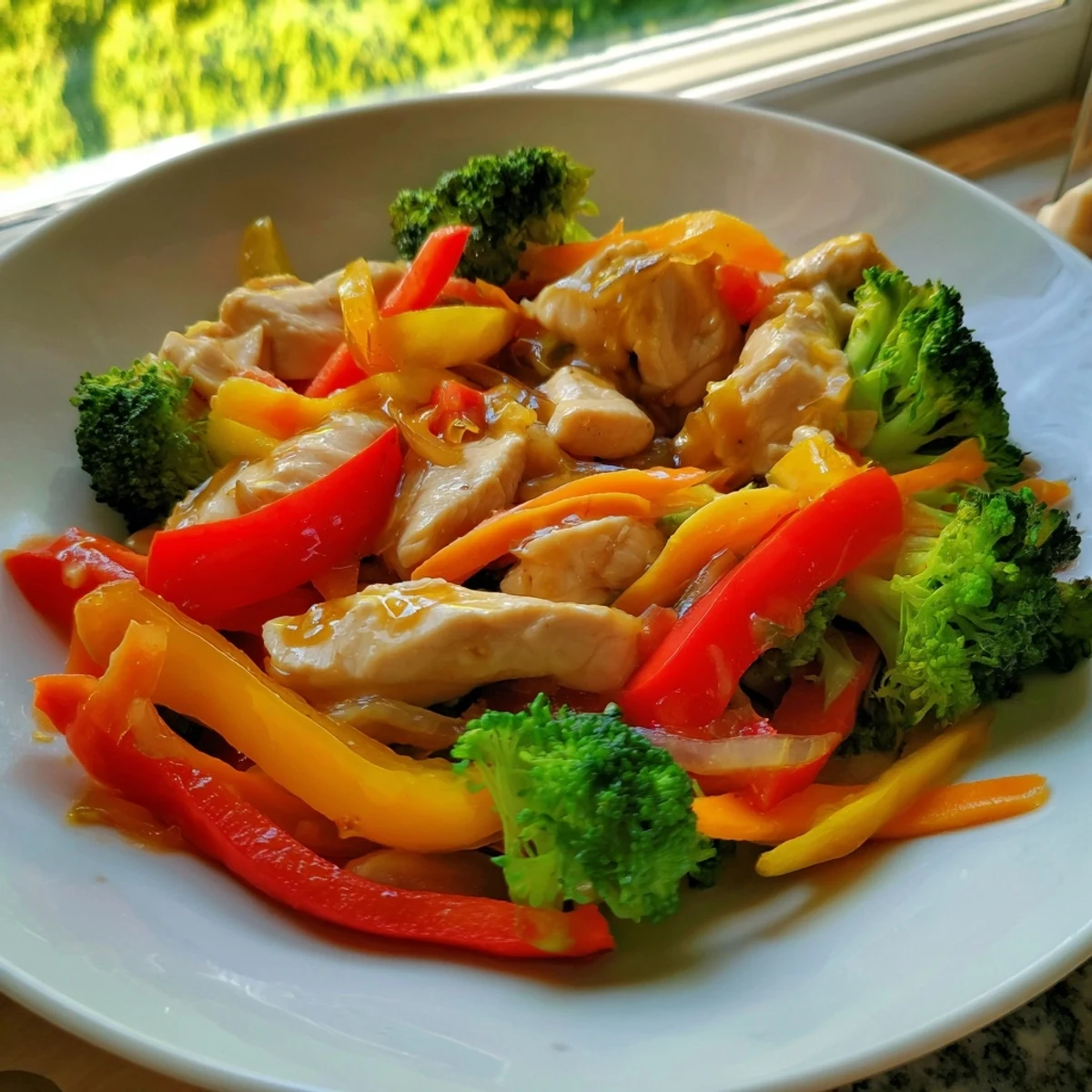
- Return chicken to the pan and pour in your sauce mixture, stirring constantly as it thickens and coats everything in a glossy sheen. You'll see it transform from thin liquid to silky coating in just 1-2 minutes.
 Save
Save The first time I served this stir fry at a casual dinner with friends, conversation stopped momentarily as everyone took their first bites. My friend Mark, who usually pushes vegetables around his plate, cleaned it completely and asked about the recipe. That moment of shared appreciation for something so simple but vibrant made the meal memorable beyond just its nutritional merits.
Making It Your Own
My sister swapped chicken for firm tofu once when cooking this for her vegetarian roommate, pressing it well first and using vegetarian oyster sauce. The tofu absorbed the flavors beautifully, proving how versatile this recipe truly is. Sometimes I play with heat levels too, adding a sprinkle of red pepper flakes when Im craving something with more kick.
Serving Suggestions
While this stir fry stands perfectly on its own, I often serve it over steamed brown rice which soaks up the light sauce wonderfully. On particularly ambitious days, I make cauliflower rice instead, processing the florets until rice-like and then lightly steaming them for an extra serving of vegetables that feels surprisingly substantial.
Storage and Leftovers
This stir fry reheats remarkably well, maintaining its texture better than most leftovers in my experience. I portion extras into glass containers while still warm, letting them cool slightly before refrigerating to prevent condensation that would make vegetables soggy.
- Refrigerate leftovers within two hours of cooking and consume within three days for optimal freshness.
- Reheat gently in a skillet rather than microwave to preserve the vegetables crisp texture.
- Add a tiny splash of water when reheating if the sauce seems too thick.
 Save
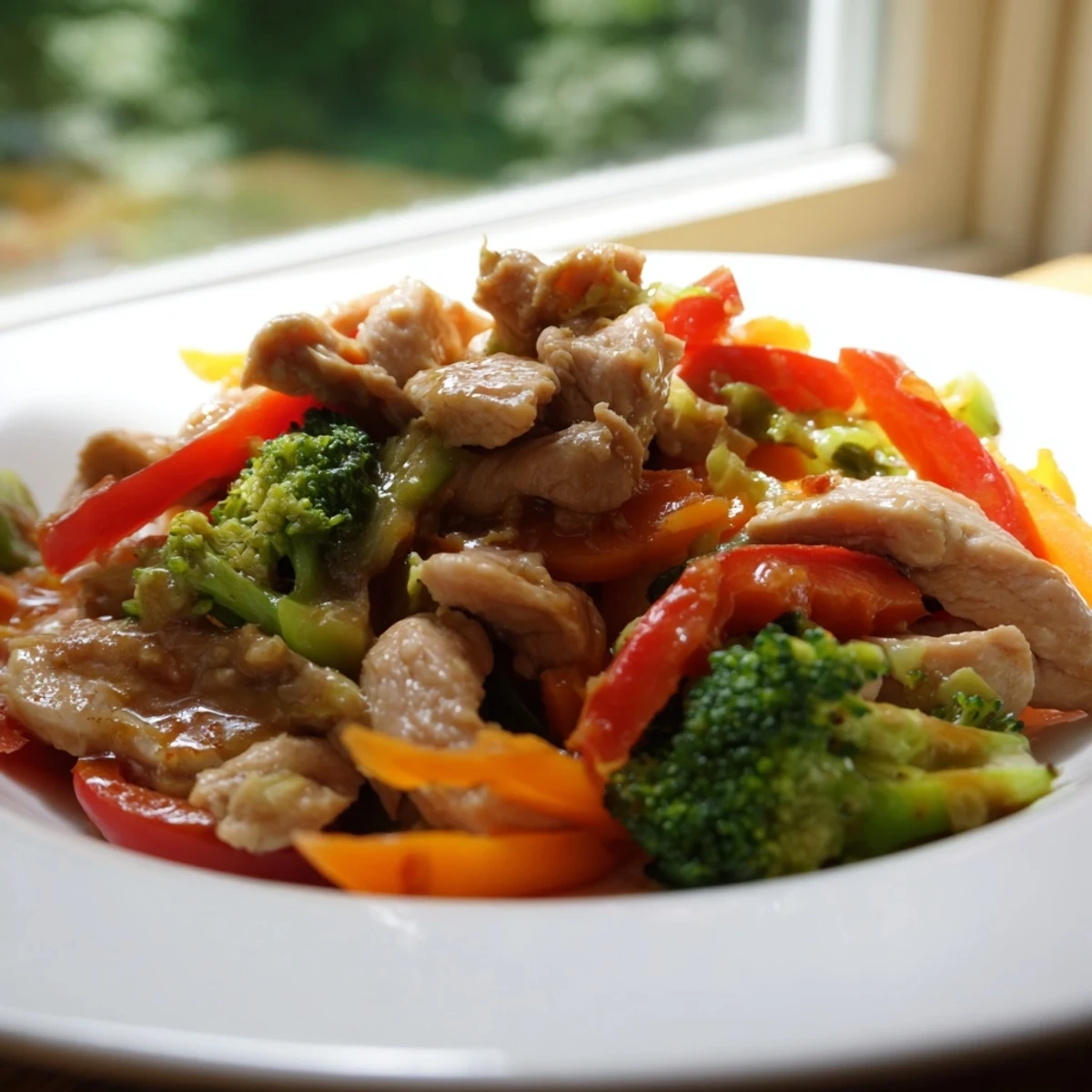
Save This colorful stir fry reminds me that healthy eating can be joyful rather than restrictive. Every time I make it, Im grateful for the simple pleasure of fresh ingredients transformed by heat and care into something greater than their parts.
Recipe FAQs
- → How can I make this stirfry vegetarian?
-
Substitute the chicken with 300g of firm tofu (pressed and cubed) and use vegetarian oyster sauce. The tofu will absorb the delicious flavors of the sauce while keeping the dish high in protein.
- → What can I serve with this stirfry?
-
This stirfry pairs perfectly with steamed brown rice, quinoa, jasmine rice, or cauliflower rice for an even lighter option. The sauce works wonderfully when absorbed by any grain accompaniment.
- → Can I prepare any components ahead of time?
-
Yes! You can slice all vegetables and chicken up to 24 hours in advance and store in separate containers in the refrigerator. The sauce can also be mixed ahead and refrigerated. This makes the actual cooking process extremely quick.
- → How do I ensure my vegetables stay crisp?
-
Add vegetables to the wok in order of density/cooking time (harder vegetables first). Stir-fry quickly over high heat, and be careful not to overcook. They should remain crisp-tender for the best texture and nutrient retention.
- → Can I freeze this stirfry?
-
While best enjoyed fresh, you can freeze portions for up to 2 months. The vegetables won't retain the same crisp texture when reheated, but the flavor will still be good. Thaw overnight in the refrigerator and reheat thoroughly.