
 Save
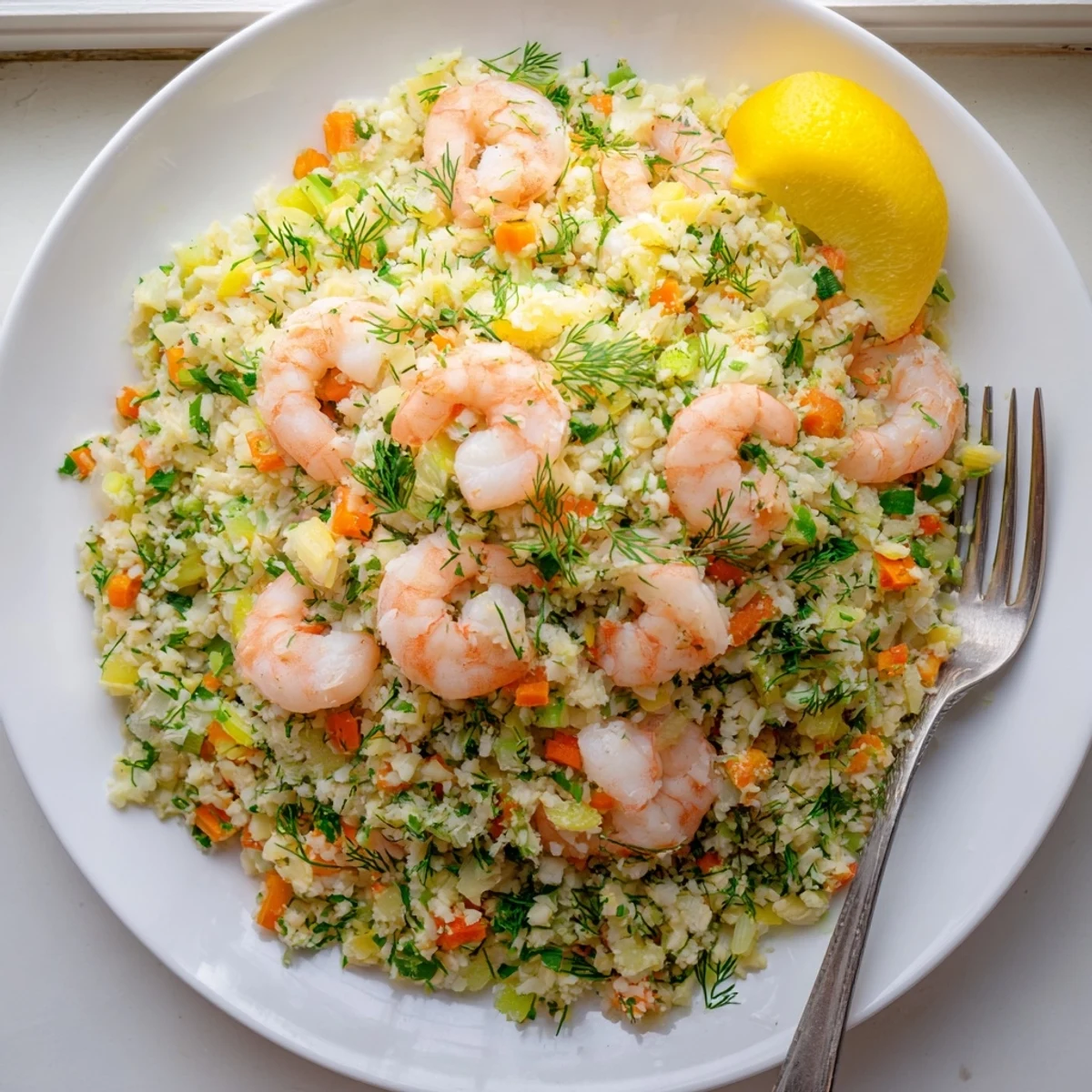
Save This Mediterranean-inspired dish features succulent shrimp marinated in fresh lemon juice, zest, garlic, parsley, and dill, pan-seared to perfection. The shrimp rest atop a light cauliflower rice pilaf sautéed with aromatic vegetables and finished with bright herbs and citrus. Ready in just 40 minutes, this healthy meal is naturally gluten-free, low-carb, and dairy-free while delivering impressive protein at 24g per serving. The combination of zesty citrus, fragrant herbs, and tender shrimp creates a satisfying yet light dinner that feels indulgent without the heaviness of traditional grain-based pilafs.
The kitchen smelled like a bright Mediterranean afternoon the first time I made this. My sister had just gotten back from Greece and kept raving about lemon on everything. I threw this together on a Tuesday night after work, expecting something decent, and ended up eating straight from the pan.
Last summer I served this at a small dinner party when two friends were doing low-carb together. One of them texted me the next morning asking for the recipe because her husband kept talking about it. Now it is my go-to when I want something that feels light but still special.
Ingredients
- Large shrimp: The shellfish carries all those bright lemon and herb flavors, so buy the best quality you can find
- Fresh lemon juice and zest: Both parts matter here. The zest gives you that aromatic lemon punch while the juice adds the necessary acid
- Fresh parsley and dill: Do not use dried herbs here. The fresh ones make this dish sing and keep it tasting vibrant
- Cauliflower: The base of your pilaf. One large head breaks down into surprisingly fluffy rice-like grains
- Onion, celery, and carrot: This classic trio builds the savory foundation that makes the cauliflower taste substantial
- Broth: Just enough to steam the cauliflower rice without making it soggy. Low-sodium lets you control the salt level
Instructions
- Marinate the shrimp:
- Whisk together olive oil, lemon juice, lemon zest, garlic, parsley, dill, salt, and pepper. Toss the shrimp in this mixture and let them hang out for 15 minutes. The acid starts working immediately, so even that short time makes a difference.
- Rice the cauliflower:
- Pulse the cauliflower florets in your food processor until they look like rice. Do not overdo it or you will end up with cauliflower mash. Work in batches if your processor is on the smaller side.
- Build the pilaf base:
- Heat olive oil in a large skillet over medium heat. Cook the onion, celery, and carrot for about 5 minutes until they soften and smell sweet. Add the garlic for just a minute—burnt garlic turns bitter and ruins the whole vibe.
- Cook the cauliflower rice:
- Add the riced cauliflower, broth, salt, and pepper to the skillet. Stir everything together, cover, and let it cook for 5 to 7 minutes. You want it tender but still with some texture, not mushy.
- Finish the pilaf:
- Fold in the fresh parsley, dill, and lemon juice right at the end. The herbs keep their brightness and the lemon wakes everything up. Take it off the heat and keep it warm while you cook the shrimp.
- Sear the shrimp:
- Heat a nonstick skillet over medium-high heat. Shake the excess marinade off the shrimp and cook them for 2 to 3 minutes per side. They are done when they turn pink and opaque—overcooking makes them rubbery and sad.
- Plate it up:
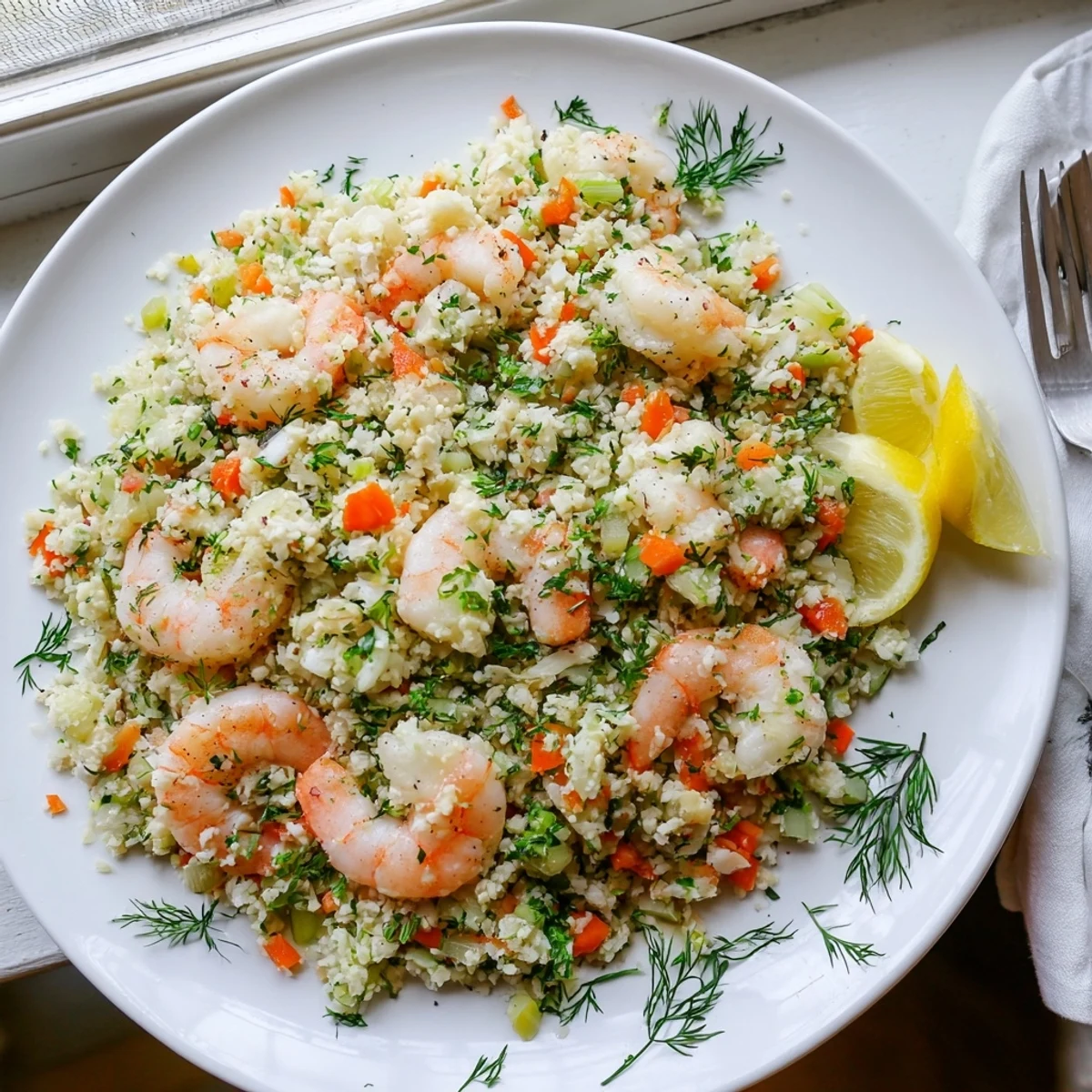
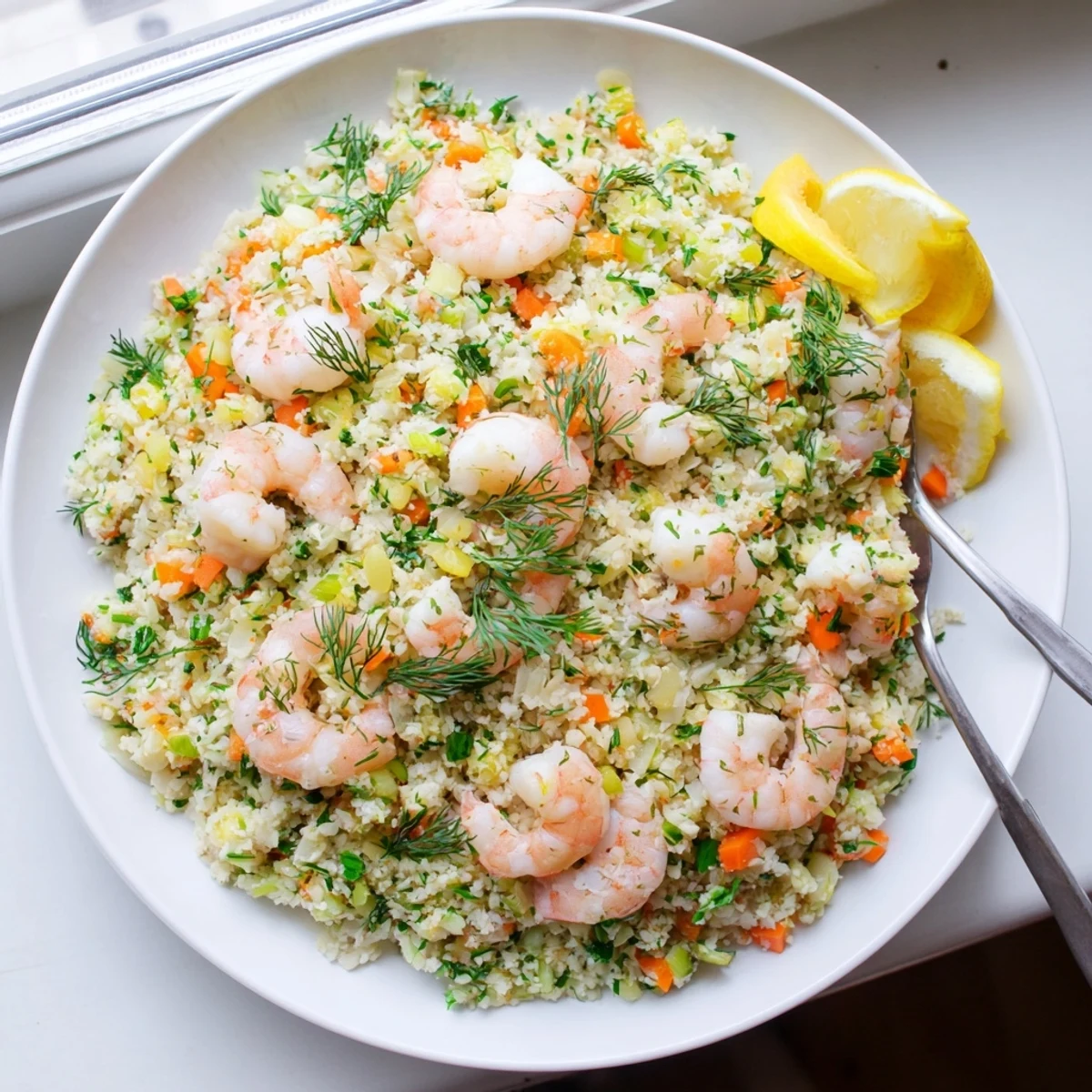
- Spoon a bed of cauliflower pilaf onto each plate and arrange the shrimp on top. Extra herbs and lemon wedges on the side make it look like you tried harder than you actually did.
 Save
Save This recipe saved me during a month when I was trying to cut back on carbs but still craved something that felt complete. Now I make it even when I am not watching anything because it just works.
Making It Your Own
A pinch of red pepper flakes in the shrimp marinade adds a gentle heat that plays beautifully with the lemon. I have also used scallops instead of shrimp for dinner parties, and they are just as happy with this preparation.
Wine Pairing
A crisp Sauvignon Blanc or dry rosé cuts through the richness of the shrimp while complementing all those fresh herbs. The wine should be cold and the glasses full.
Serving Suggestions
This stands perfectly on its own as a light dinner. I sometimes add a simple arugula salad dressed with olive oil and lemon alongside when feeding people who need something green on the plate.
- Double the pilaf portion if you are feeding bigger appetites
- Cook the shrimp and pilaf simultaneously if you want to save time
- Leftovers keep well for one day but the shrimp is best fresh
 Save
Save This is the kind of dinner that makes you feel good about what you just ate. Light, full of flavor, and somehow comforting all at once.
Recipe FAQs
- → Can I use frozen shrimp instead of fresh?
-
Yes, frozen shrimp work perfectly for this dish. Thaw them completely in the refrigerator overnight or under cold running water before marinating. Pat them dry with paper towels to ensure the marinade adheres properly and the shrimp sear rather than steam in the pan.
- → How do I prevent the cauliflower rice from becoming mushy?
-
The key is not to overcook it. Pulse the cauliflower in short bursts to achieve rice-sized grains rather than processing too finely. Cook uncovered for the last few minutes to evaporate excess moisture, and stop when the cauliflower is tender but still has a slight bite, similar to al dente pasta.
- → Can I prepare the cauliflower rice pilaf in advance?
-
Absolutely. You can rice the cauliflower up to 3 days ahead and store it in an airtight container in the refrigerator. The pilaf itself can be prepared 1-2 days in advance and gently reheated with a splash of broth or water to refresh it before serving with the freshly cooked shrimp.
- → What can I substitute for shrimp?
-
Scallops work beautifully with the same lemon-herb marinade and cooking time. For a non-shellfish option, try chicken breast cut into bite-sized pieces—increase the cooking time to 5-6 minutes per side. Firm white fish like cod or halibut also pair well, though they'll require more delicate handling.
- → Is there a way to add more vegetables to this dish?
-
Certainly. Consider adding bell peppers, zucchini, or cherry tomatoes to the cauliflower pilaf during the sauté step. You could also serve the shrimp and pilaf alongside a simple Mediterranean salad with cucumber, tomatoes, and red onion, or add roasted asparagus or broccolini on the side.
- → Can I make this dish spicy?
-
Yes, add red pepper flakes to the shrimp marinade—start with 1/4 teaspoon and adjust to your heat preference. You could also add a diced jalapeño or serrano pepper to the cauliflower rice while sautéing the vegetables. A pinch of cayenne pepper in the pilaf seasoning also adds gentle warmth without overpowering the fresh citrus notes.