
 Save
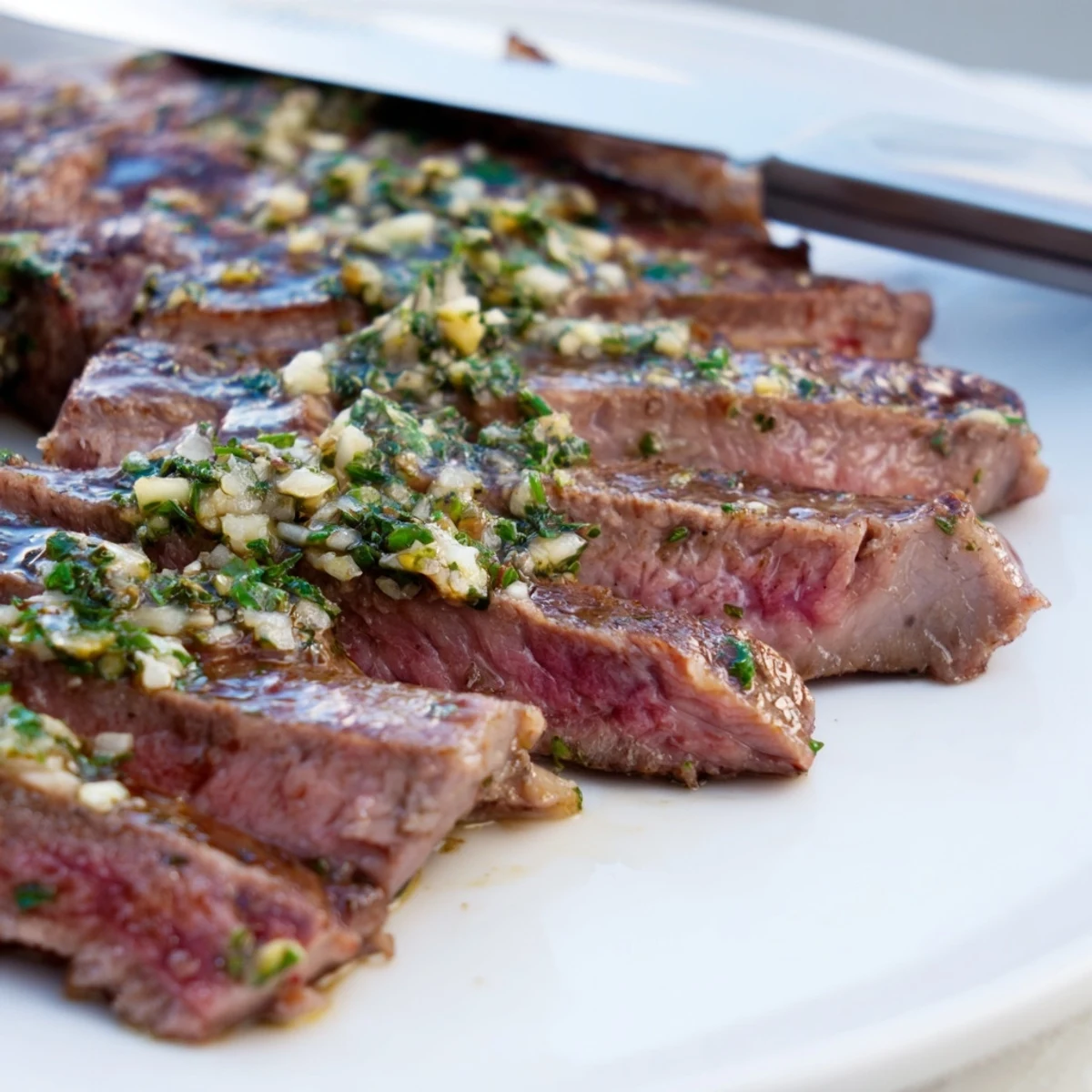
Save This dish features perfectly seared ribeye or sirloin steaks marinated in a fragrant blend of olive oil, garlic, and fresh herbs like rosemary, thyme, and parsley. The steaks develop a beautiful crust while remaining juicy inside. On the side, baby carrots, asparagus, radishes, and sugar snap peas roast until tender and lightly caramelized, finished with bright lemon juice and chives. The combination creates a balanced plate with rich, savory meat complemented by sweet, earthy vegetables. Ready in under an hour, this meal works equally well for weeknight dinners or special occasions.
The first time I made this garlic herb steak, I had friends coming over and was rushing to get everything ready. I accidentally knocked over my container of fresh herbs and ended up using way more than the recipe called for, but that happy mistake taught me that being generous with herbs makes all the difference. Now I never hold back on the rosemary and thyme, and everyone always asks for seconds.
Last spring, my sister came to visit and we made this together on a rainy Sunday afternoon. She's usually skeptical about radishes, but after trying them roasted alongside the carrots and asparagus, she kept picking them off the platter. We ended up drinking way too much wine and eating straight from the baking sheet while standing in the kitchen, laughing about how we'd never bother with plating it properly again.
Ingredients
- 4 ribeye or sirloin steaks: Room temperature steaks sear more evenly, so take them out 20 minutes before cooking
- 3 tbsp olive oil: Divide between the steak rub and vegetable roasting for consistent flavor
- 4 cloves garlic: Freshly minced garlic releases more oils than pre-minced, giving you that punchy aroma
- 2 tbsp fresh rosemary: Woody herbs like rosemary hold up beautifully to high-heat cooking
- 2 tbsp fresh thyme: Strip the tiny leaves by running your fingers backward down the stem
- 1 tbsp fresh parsley: Add this at the end so it stays bright and fresh
- 1 lb baby carrots: These roast quicker than regular carrots and stay tender
- 1 lb asparagus: Snap off the woody ends where they naturally break
- 1 cup radishes: Roasting completely transforms their sharp bite into something mellow and sweet
- 1 cup sugar snap peas: They add a lovely crunch and stay bright green even after roasting
- 1 tbsp lemon juice: This brightens all the roasted flavors right before serving
Instructions
- Prepare the steak marinade:
- Mix olive oil, minced garlic, rosemary, thyme, parsley, salt, and pepper in a small bowl until it forms a paste. Rub this generously over both sides of each steak, pressing the herbs into the meat.
- Let the steaks rest:
- Leave the seasoned steaks at room temperature for 20 minutes while you prep the vegetables.
- Preheat for success:
- Set your oven to 425°F and line a large baking sheet with parchment paper for easy cleanup later.
- Prep your vegetables:
- Toss the carrots, asparagus, radishes, and snap peas with olive oil, salt, and pepper until everything is lightly coated.
- Roast the vegetables:
- Spread them in an even layer on the baking sheet and roast for 20 to 25 minutes, tossing halfway through, until tender and golden brown at the edges.
- Finish the vegetables:
- Drizzle the hot roasted vegetables with lemon juice and sprinkle with fresh chives right when they come out of the oven.
- Sear the steaks:
- Heat a cast-iron skillet over medium-high heat until it's smoking slightly, then cook steaks for 3 to 4 minutes per side for medium-rare.
- Rest and serve:
- Let the steaks rest on a cutting board for 5 minutes, then slice against the grain and arrange alongside the warm roasted vegetables.
 Save
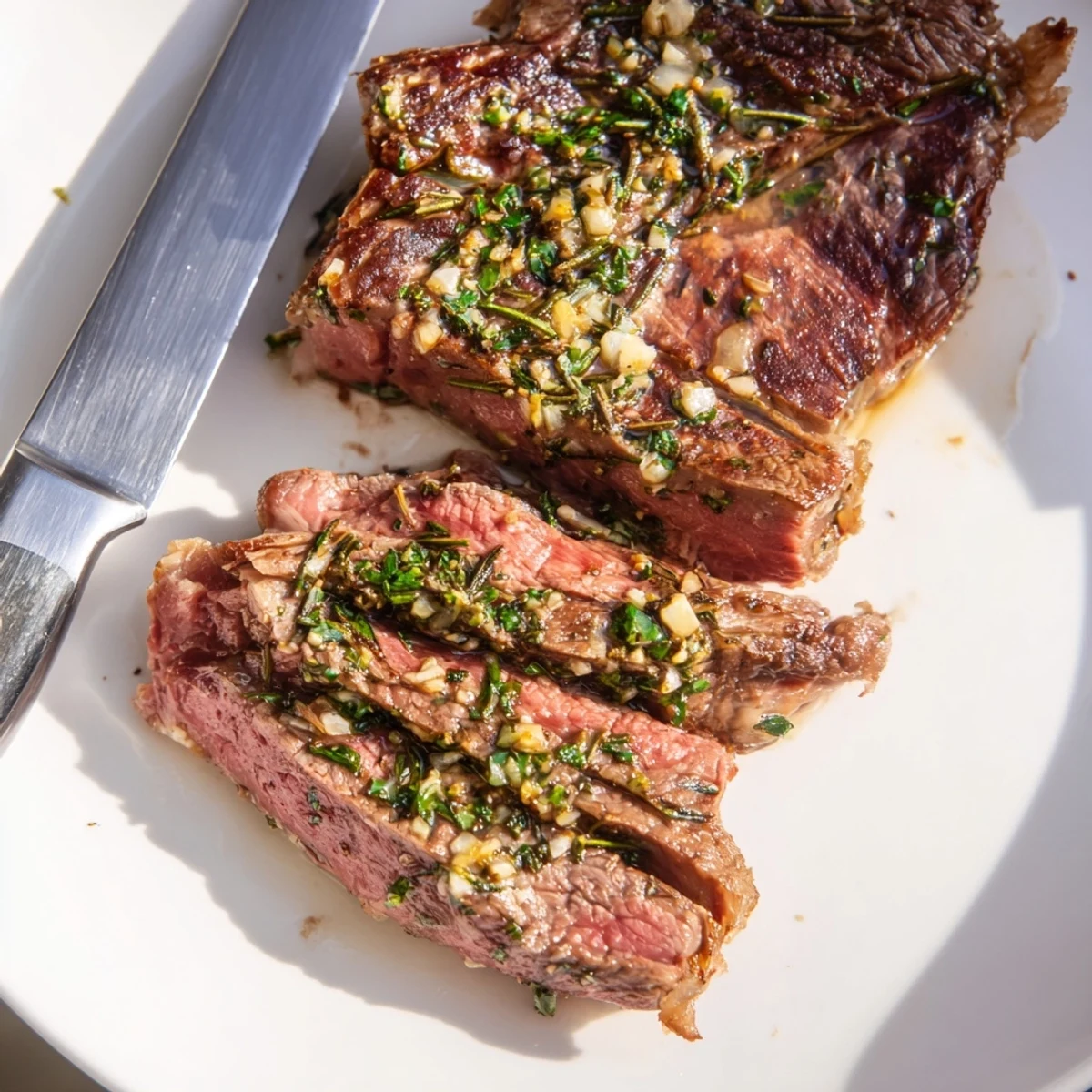
Save This recipe has become my go-to for celebrating small victories. After I got a promotion I'd been working toward for months, my partner surprised me by making this while I unpacked my celebratory grocery store flowers. The smell of garlic and herbs filled our entire apartment, and we ate at our tiny kitchen table feeling like we were at our favorite restaurant.
Choosing the Right Cut
I've learned that ribeye gives you the most flavor and tenderness, but sirloin works beautifully if you're watching your budget. Look for steaks with good marbling throughout, those white streaks of fat melt during cooking and keep everything juicy. If your butcher has them dry-aged, even better, that extra time concentrates the beef flavor remarkably.
Vegetable Timing Secrets
Sugar snap peas cook faster than carrots, so I sometimes cut my carrots slightly smaller to help them finish at the same time. You'll know the vegetables are done when the asparagus tips start to get a little crispy and the carrots can be easily pierced with a fork. Don't be afraid of some browning, that's where the sweet, roasted flavor lives.
Perfecting Your Sear
Listen for the sizzle when your steak hits the pan, if it's too quiet your pan isn't hot enough. Don't move the steaks once they're down, let them develop a crust undisturbed. And if you want those gorgeous restaurant-style crosshatch marks, rotate the steaks 90 degrees halfway through cooking each side.
- Use an instant-read thermometer: 130°F for medium-rare, 140°F for medium
- Pat your steaks dry before applying the rub for better browning
- Cast iron retains heat beautifully but get good ventilation, it can get smoky
 Save
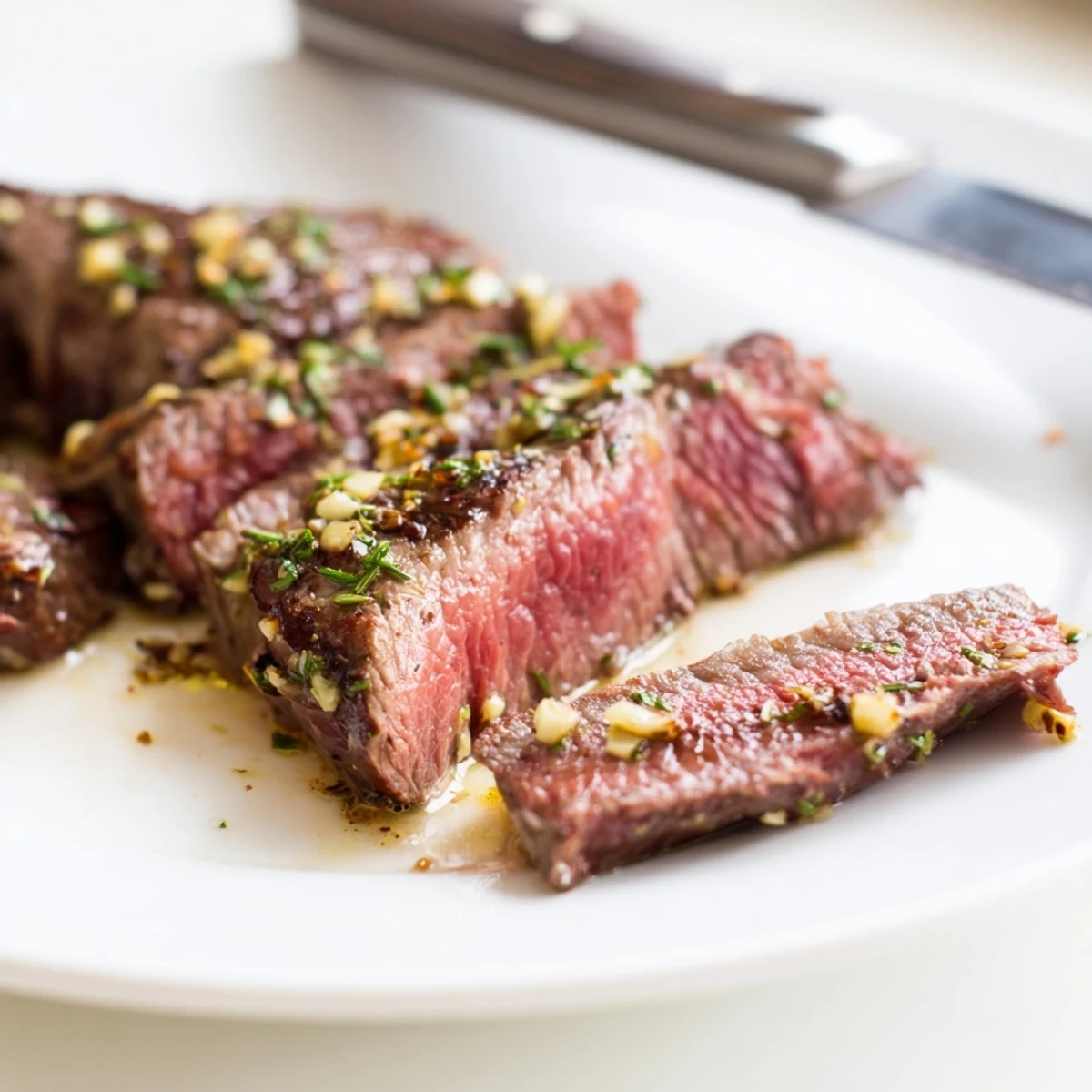
Save There's something deeply satisfying about a meal that looks impressive but comes together so effortlessly. I hope this becomes one of those recipes you turn to again and again, creating your own memories around the table.
Recipe FAQs
- → What cut of steak works best?
-
Ribeye and sirloin are excellent choices for their balance of tenderness and flavor. Both cuts respond well to high-heat searing and remain juicy when cooked to medium-rare or medium doneness.
- → Can I prepare the vegetables ahead?
-
Yes, wash and trim the vegetables up to a day in advance. Store them in the refrigerator in a sealed container with a paper towel to absorb excess moisture. Toss with oil and seasonings just before roasting.
- → How do I know when the steak is done?
-
Use an instant-read thermometer inserted into the thickest part. For medium-rare, aim for 130-135°F. The steak will continue cooking slightly while resting, so remove it from heat just before reaching your target temperature.
- → What other vegetables can I use?
-
Baby potatoes, green beans, Brussels sprouts, or diced butternut squash work beautifully. Adjust roasting times accordingly—denser vegetables like potatoes may need 5-10 extra minutes.
- → Should I let the steak rest?
-
Absolutely. Resting for 5 minutes allows juices to redistribute throughout the meat, ensuring each bite stays moist and flavorful. Skipping this step can result in juices running onto the cutting board.
- → Can I cook this on a grill?
-
Yes, grill the steaks over medium-high direct heat for the same timing. For vegetables, use a grill basket or skewer them to prevent pieces from falling through grates. The smoky grill flavor enhances both components beautifully.