
 Save
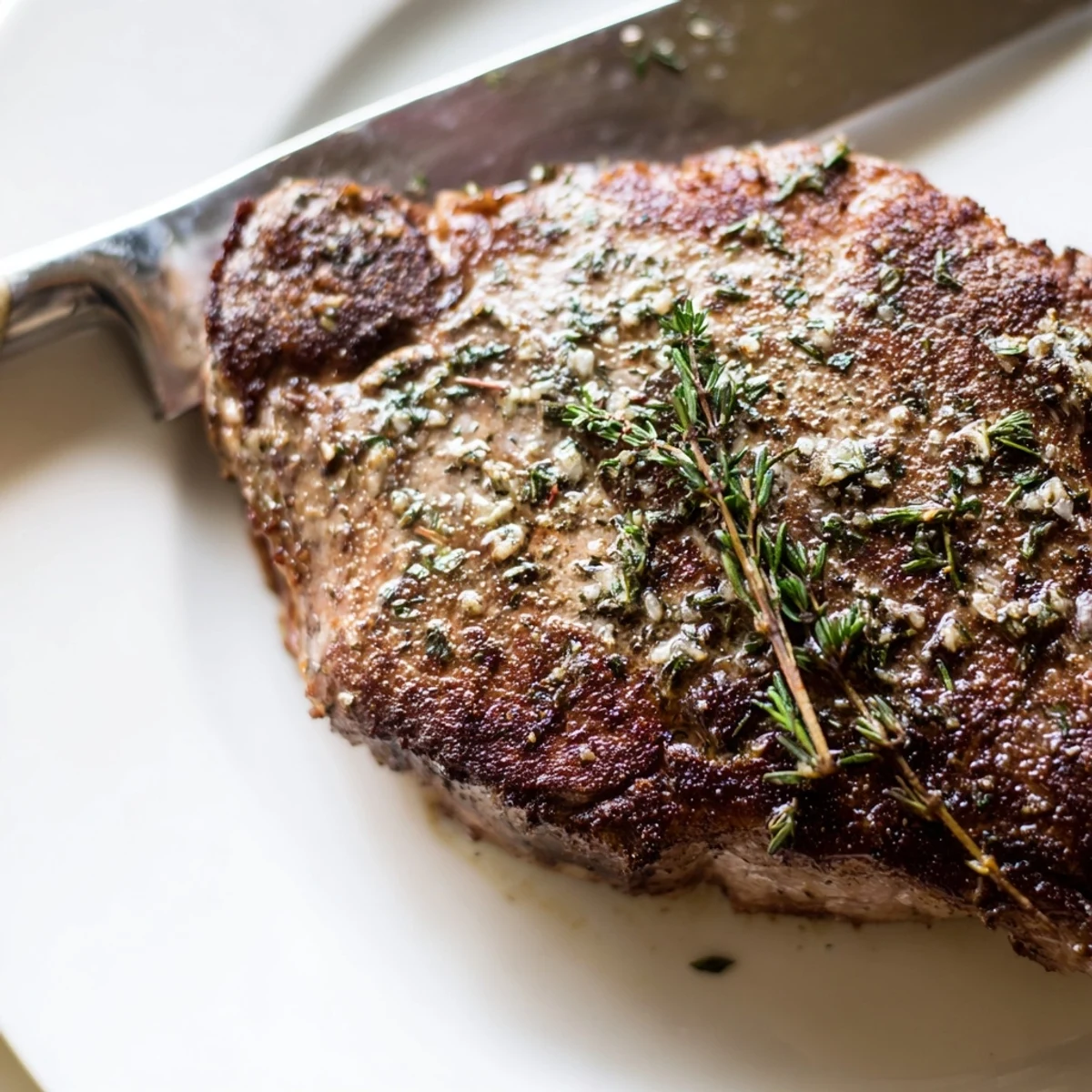
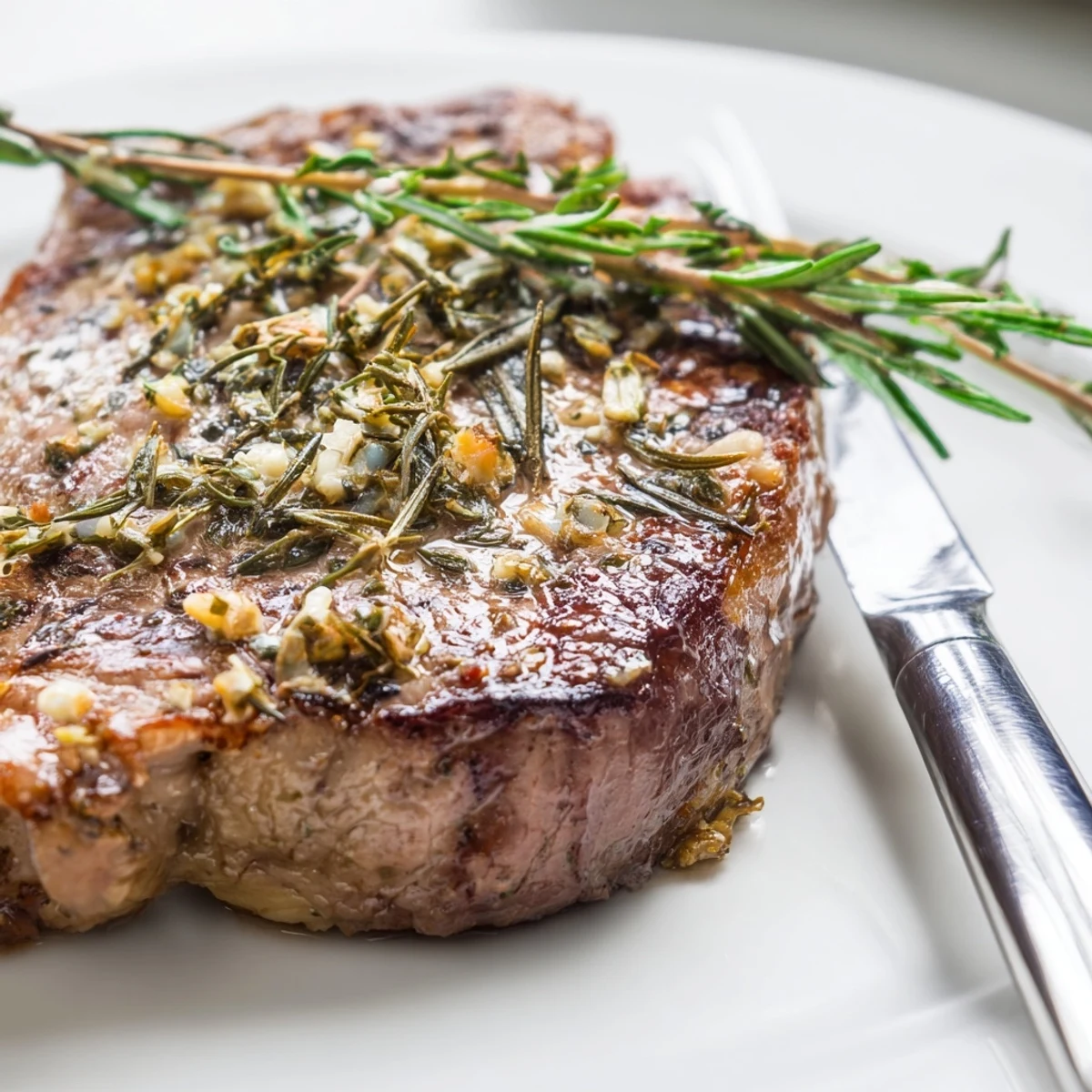
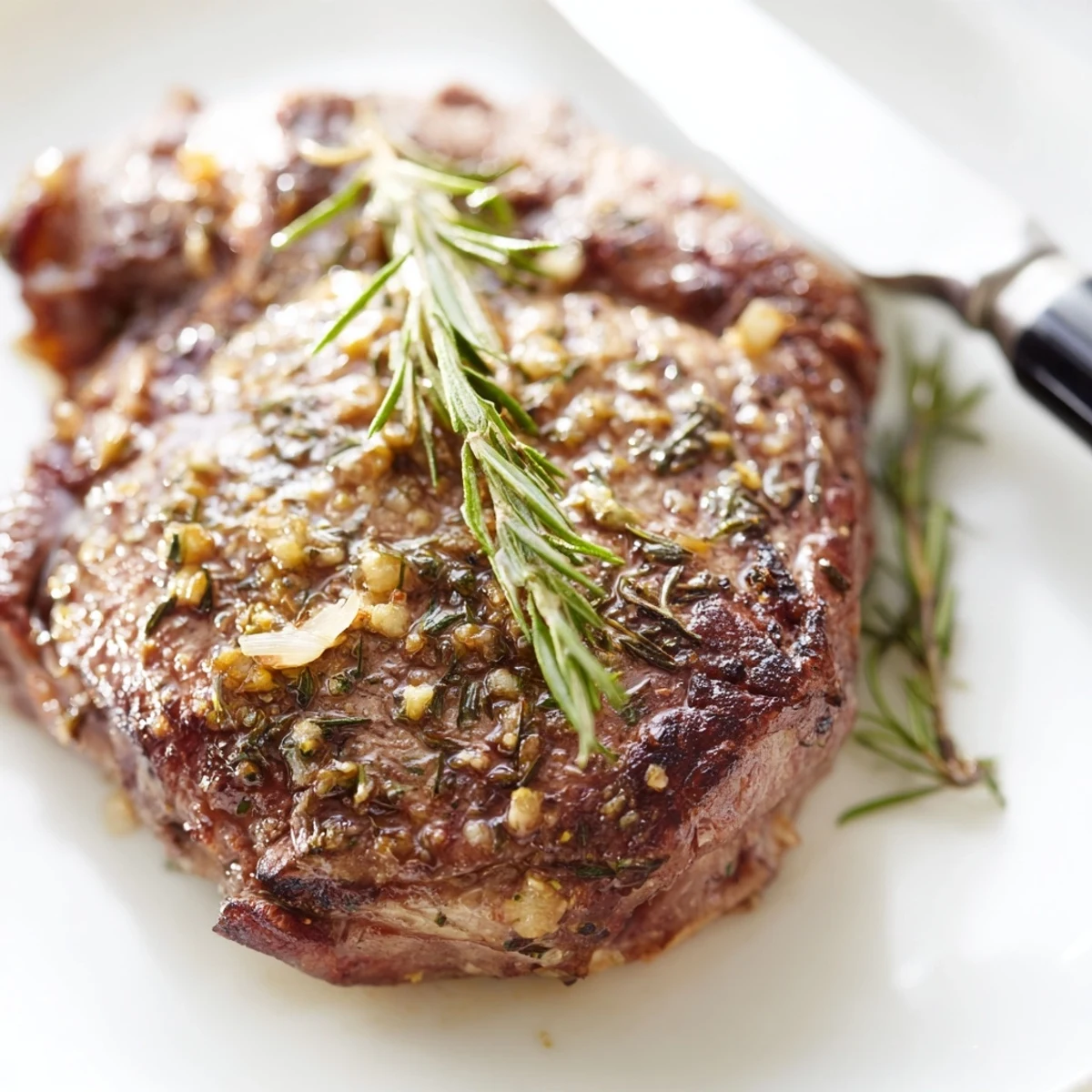
Save This satisfying plate features juicy ribeye or sirloin steaks, pan-seared to golden perfection and continuously basted with melted butter infused with smashed garlic, fresh rosemary, and thyme. The herb-rich aromatics permeate every bite while creating a beautiful crust. On the side, tender asparagus spears roast in the oven until just crisp-tender, then are tossed with bright lemon zest and juice to cut through the richness.
Ready in just 40 minutes with minimal prep work, this balanced main dish brings restaurant-quality results to your home kitchen. The combination of succulent steak and fresh, seasonal vegetables feels both indulgent and nourishing.
The sizzle of steak hitting a screaming hot cast iron pan is one of those sounds that makes everyone in the house wander into the kitchen asking when dinner is ready. I started making this garlic herb steak with roasted asparagus on busy weeknights when I wanted something that felt special without spending hours at the stove. The combination of butter basted meat and bright, lemony asparagus hits every note you want in a meal. It is straightforward enough for a Tuesday but impressive enough for company.
One Friday evening my neighbor knocked on the door to return a borrowed wrench right as I was mid baste, the kitchen hazy with rosemary scented smoke. He ended up staying for dinner, leaning against the counter eating steak off a cutting board with his hands while telling me about his childhood in Buenos Aires and the asado tradition of cooking meat over open flames.
Ingredients
For the steak you will need four eight ounce boneless ribeye or sirloin steaks, two tablespoons olive oil, two tablespoons unsalted butter, four smashed garlic cloves, one tablespoon chopped fresh rosemary, one tablespoon chopped fresh thyme, one teaspoon kosher salt, and half a teaspoon freshly ground black pepper.
For the roasted asparagus gather one pound of fresh asparagus trimmed, one tablespoon olive oil, half a teaspoon kosher salt, a quarter teaspoon black pepper, the zest of one lemon, and one tablespoon fresh lemon juice. Have lemon wedges and extra chopped herbs ready for garnish.
- Ribeye or sirloin: Ribeye delivers more marbling and richness while sirloin is leaner but still flavorful, so choose based on your preference.
- Fresh rosemary and thyme: Dried herbs work in a pinch but fresh herbs make the basting butter aromatic in a way that fills the whole room.
- Smashed garlic: Smashing rather than mincing lets the garlic perfume the butter without burning or turning bitter.
- Lemon zest: Adding it after roasting rather than before preserves its bright oils and keeps the asparagus tasting fresh.
Instructions
- Get the oven hot:
- Preheat your oven to 425 degrees Fahrenheit and line a baking sheet with parchment paper so the asparagus cleans up easily.
- Roast the asparagus:
- Arrange the trimmed asparagus on the baking sheet, drizzle with olive oil, sprinkle with salt and pepper, and toss until every spear is evenly coated. Roast for 12 to 15 minutes until the tips get slightly crisp and the stalks are tender but still have some bite.
- Season the steaks:
- While the asparagus works in the oven, pat the steaks completely dry with paper towels and season both sides generously with salt and pepper. Dry meat means a better sear, so do not skip this step.
- Sear with confidence:
- Heat olive oil in a large skillet over medium high heat until the oil just starts to shimmer, then lay the steaks in and let them sit without touching for three to four minutes per side for medium rare. Listen for that constant aggressive sizzle because that sound means the crust is building.
- Baste with herb butter:
- In the last two minutes drop in the butter, smashed garlic, rosemary, and thyme, then tilt the pan toward you and spoon the foaming melted butter over the steaks repeatedly. This is where the magic happens so be generous and keep spooning.
- Let the meat rest:
- Transfer the steaks to a plate, tent loosely with foil, and let them rest for five minutes so the juices redistribute instead of spilling onto your cutting board.
- Finish the asparagus:
- Pull the asparagus from the oven and immediately toss with the lemon zest and lemon juice while the spears are still hot so they absorb every bit of citrus brightness.
- Plate and serve:
- Arrange the rested steaks alongside the asparagus, squeeze a lemon wedge over everything, and scatter extra herbs on top if you are feeling fancy.
 Save
Save The best meals I have made were never the most complicated ones but the ones where timing clicked and everything landed on the table hot and fragrant at the same time.
Choosing the Right Pan
A cast iron skillet is ideal for searing steak because it holds heat like nothing else and gives you that deeply browned crust. If you only have a stainless steel pan that works too, but avoid nonstick because the high heat needed for a proper sear will damage the coating over time.
How to Tell Doneness Without a Thermometer
Press the center of the steak gently with your finger and compare it to the fleshy pad below your thumb. Rare feels soft and squishy, medium rare yields with slight resistance, and medium feels firm with just a little give. It takes practice but eventually your hands know better than any tool.
Storage and Reheating
Leftover steak keeps well in the refrigerator for up to three days and reheats best sliced thin and briefly warmed in a hot skillet with a splash of oil. The asparagus will lose its snap overnight but still tastes great folded into eggs the next morning or tossed into a grain bowl for lunch.
- Always slice steak against the grain for the most tender bite.
- A quick marinade of olive oil, garlic, and herbs for up to two hours before cooking adds depth.
- Pair this meal with a Cabernet Sauvignon or Merlot for a perfect Friday night dinner.
 Save
Save Some dinners are just dinner, and then some dinners remind you why cooking at home is worth the effort. This is the one that makes people close their eyes at the table.
Recipe FAQs
- → What cut of steak works best for this preparation?
-
Boneless ribeye and sirloin are excellent choices due to their marbling and tenderness. However, you can easily substitute with New York strip, filet mignon, or flat iron steaks based on preference and availability.
- → How do I know when the steak is done?
-
Use an instant-read thermometer inserted into the thickest part. For medium-rare, aim for 130-135°F; medium reaches 140-145°F. Remember that steaks continue cooking slightly while resting.
- → What does basting the steak accomplish?
-
Continuous basting with the herb-infused butter adds incredible flavor, creates a beautiful caramelized crust, and helps keep the meat juicy and tender throughout cooking.
- → Can I make this dairy-free?
-
Simply omit the butter or substitute with a high-quality dairy-free alternative. Olive oil alone provides excellent searing results, though the basting step will yield slightly less richness.
- → How do I select the best asparagus?
-
Look for bright green stalks with tight, closed tips. Avoid woody or limp spears. Thinner asparagus tends to be more tender, while thicker spears offer a meatier bite and hold up well to roasting.
- → Why is resting the steak important?
-
Resting allows the juices to redistribute throughout the meat rather than spilling out onto the cutting board. This ensures each bite remains juicy and flavorful.