
 Save
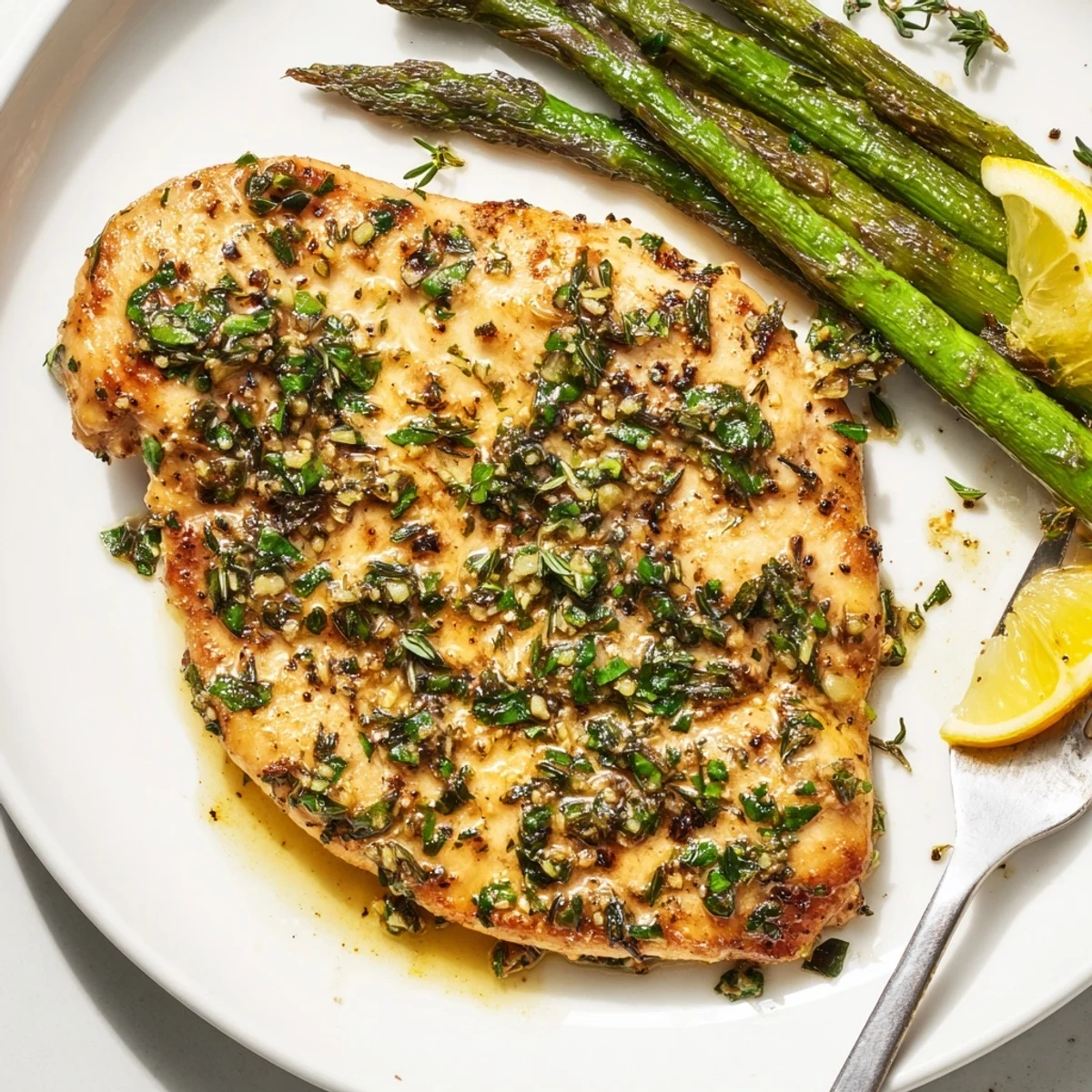
Save Juicy chicken breasts are marinated in olive oil, minced garlic, lemon zest and fresh parsley, thyme and oregano, then roasted alongside trimmed asparagus on a single sheet pan. Roast at 400°F for 20–25 minutes until chicken reaches 165°F. Finish with lemon wedges and extra parsley for a bright, easy gluten-free main that pairs well with roasted potatoes or a light salad.
The screen door slammed shut behind me as I carried a bundle of fresh thyme and parsley from the garden, dirt still clinging to my fingertips and the afternoon sun warming the back of my neck. That evening I needed something simple but vibrant, a meal that tasted like effort without demanding hours at the stove. Garlic herb chicken with roasted asparagus and a squeeze of lemon became my answer, and the kitchen filled with an aroma so inviting that neighbors actually wandered over to ask what was cooking. It has been a weeknight staple ever since.
My sister walked in halfway through roasting one Sunday, glanced at the oven, and declared she could already tell this was going to be better than any restaurant version. We stood in the kitchen with glasses of Sauvignon Blanc, catching up while the chicken sizzled and the asparagus turned golden at the tips. She now texts me for the recipe at least once a month.
Ingredients
- 4 boneless skinless chicken breasts: Pound them to even thickness so they cook uniformly and you avoid the dreaded dry edge with a raw center.
- 3 tablespoons olive oil plus 1 tablespoon for asparagus: Use a decent quality oil here because the flavor really comes through, especially on the asparagus.
- 3 cloves garlic minced: Fresh garlic is nonnegotiable, and mincing it finely helps it distribute evenly across the marinade.
- 1 tablespoon fresh parsley chopped: Flat leaf parsley adds a clean grassy note that dried parsley simply cannot replicate.
- 1 tablespoon fresh thyme leaves chopped: Strip the leaves from the woody stems by pulling backward, a small trick that saves time and avoids tough bits in the marinade.
- 1 teaspoon dried oregano: This bridges the gap between fresh herbs and adds a subtle Mediterranean warmth.
- 1 teaspoon salt and 1/2 teaspoon black pepper: Season generously because the chicken needs that baseline flavor to carry the herbs well.
- Zest of 1 lemon: Zest before you juice and use a light hand to avoid the bitter white pith underneath.
- 1 lb fresh asparagus trimmed: Snap the woody ends off by bending each stalk naturally, it breaks exactly where the tender part begins.
- 1 lemon cut into wedges: A final squeeze of juice over everything at the end wakes up every flavor on the plate.
- Extra chopped fresh parsley optional: A scattering of green at the end makes the dish look as good as it tastes.
Instructions
- Preheat and prepare:
- Crank the oven to 400 degrees Fahrenheit and line a large baking sheet with parchment paper so nothing sticks and cleanup is a breeze.
- Build the marinade:
- In a small bowl, stir together the olive oil, minced garlic, parsley, thyme, oregano, salt, pepper, and lemon zest until fragrant and combined.
- Coat the chicken:
- Place the chicken breasts in a large bowl or zip top bag, pour the marinade over them, and turn each piece until completely coated, then let them sit for at least ten minutes or up to four hours in the refrigerator.
- Arrange on the sheet pan:
- Lay the marinated chicken on one side of the prepared baking sheet, leaving room for the asparagus so everything can roast together without crowding.
- Prep the asparagus:
- Toss the trimmed asparagus with a tablespoon of olive oil, a half teaspoon of salt, and a quarter teaspoon of pepper, then spread it in a single layer on the other side of the pan.
- Roast until golden:
- Slide the pan into the oven and roast for twenty to twenty five minutes until the chicken reaches an internal temperature of 165 degrees Fahrenheit and the asparagus is tender with lightly charred tips.
- Finish with brightness:
- Pull the pan from the oven, squeeze fresh lemon wedges over the chicken and asparagus, and scatter extra parsley on top if you are feeling generous.
- Serve and enjoy:
- Transfer everything to plates immediately while the juices are still bubbling and the aroma is at its peak.
 Save
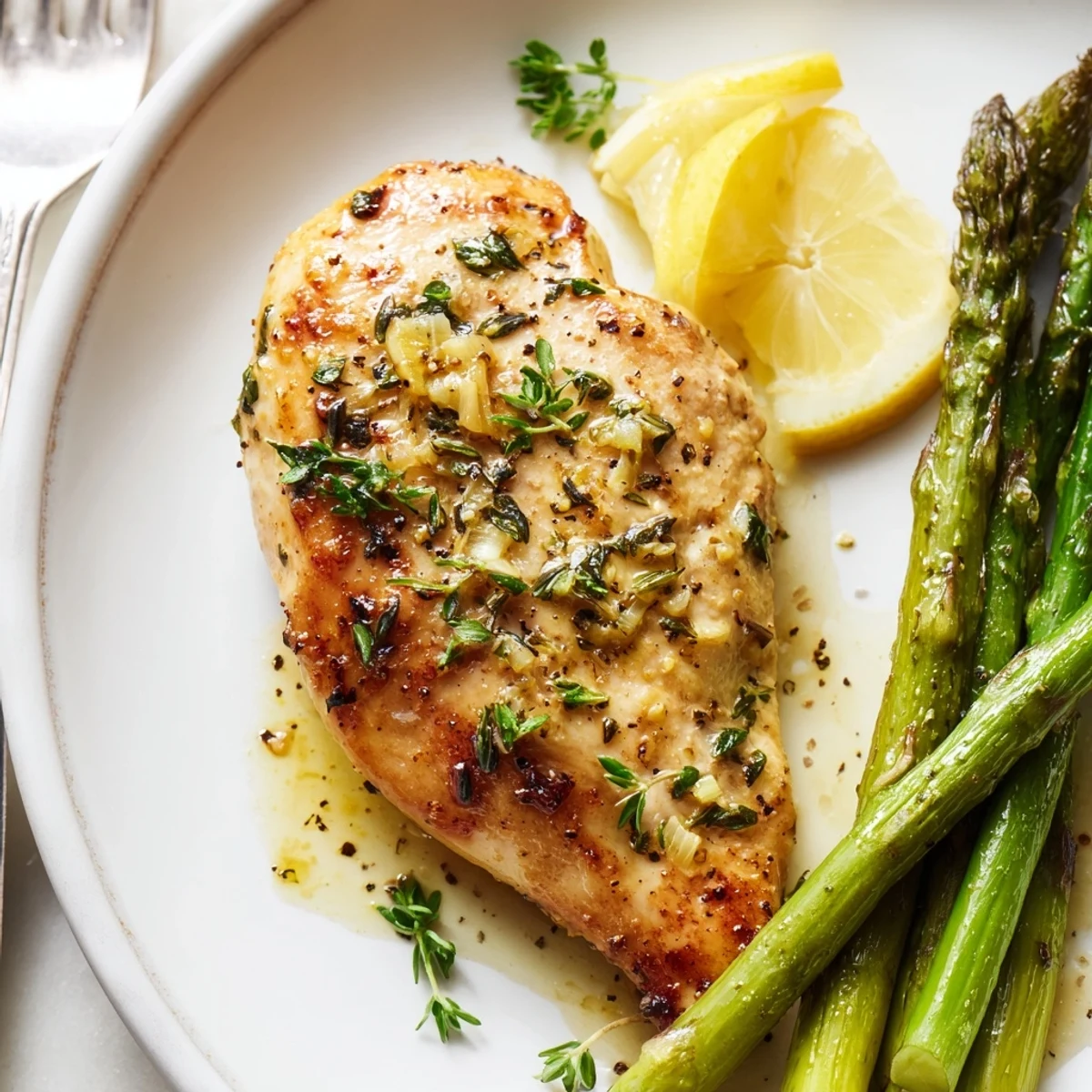
Save The night I served this to my father, a man who believes meat requires a grill or it is not worth eating, he went back for seconds without saying a word. That silence, followed by a quiet nod of approval, was the highest compliment my kitchen has ever received.
What to Serve Alongside
This dish pairs beautifully with a pile of roasted baby potatoes tossed in the same herbs, or keep things light with a simple arugula salad dressed in olive oil and lemon juice. A crusty loaf of bread on the table never hurts either, especially for soaking up the garlic infused juices left on the plate.
Making It Your Own
Swap the chicken breasts for thighs if you prefer juicier darker meat, though you will want to add about five extra minutes to the roasting time. A pinch of crushed red pepper flakes in the marinade brings a gentle heat that plays wonderfully against the lemon, and a drizzle of balsamic glaze over the finished plate adds unexpected depth.
Getting Ahead and Storing Leftovers
The marinade can be prepared up to a day in advance and kept in the refrigerator, which makes weeknight cooking feel almost effortless. Leftovers store well in an airtight container for up to three days and are excellent sliced cold over a lunchtime salad. Avoid reheating in the microwave if you want to preserve the texture of the asparagus.
- Slice leftover chicken and tuck it into a wrap with hummus and greens for a quick next day meal.
- Freeze marinated raw chicken in the bag for up to three months and thaw overnight before roasting.
- Always check that chicken is fully cooked by using a meat thermometer rather than guessing by color alone.
 Save
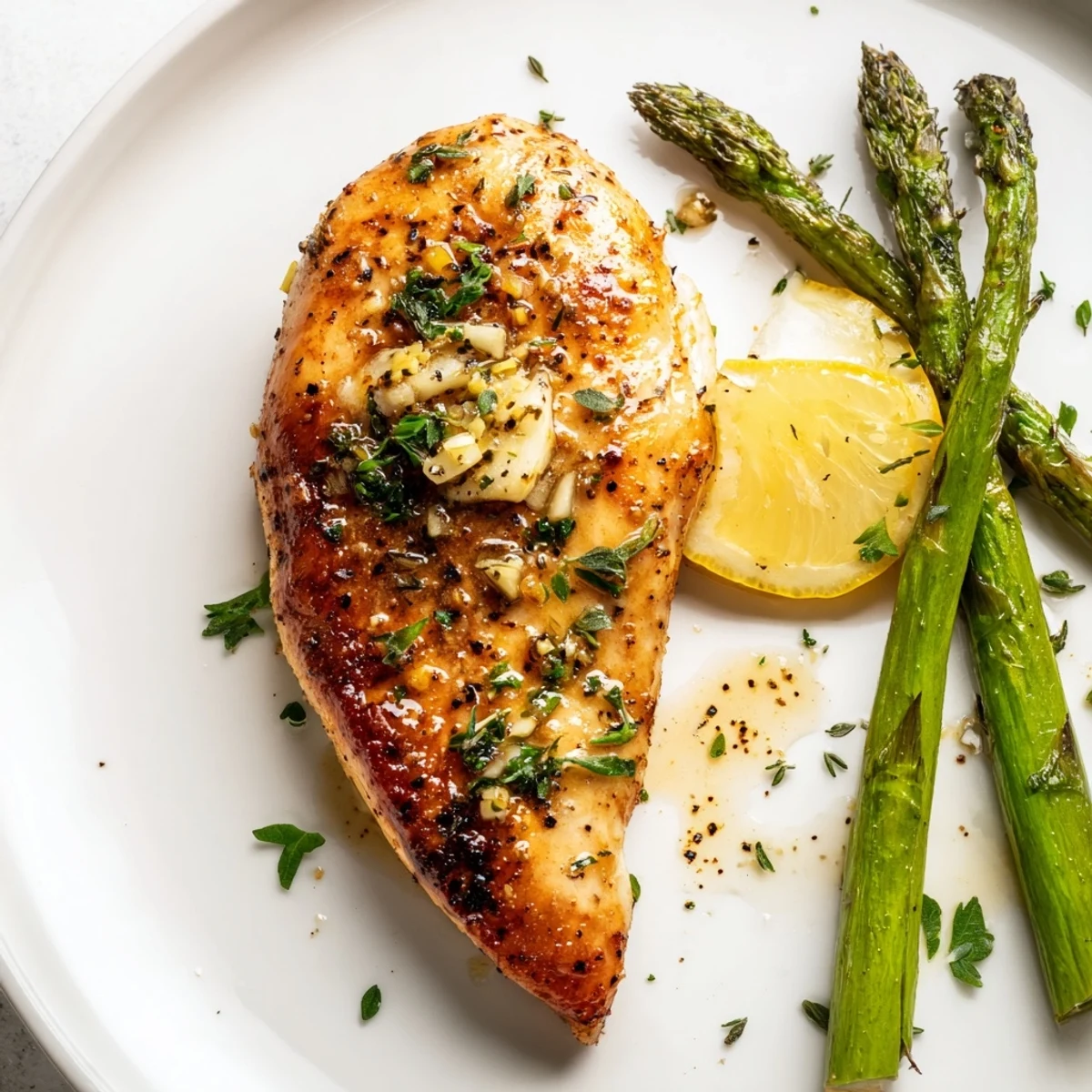
Save Some recipes become favorites because they are impressive, but this one earned its place because it is reliable, bright, and endlessly forgiving. Keep it in your back pocket and it will serve you well on busy nights and quiet Sunday dinners alike.
Recipe FAQs
- → Can I use chicken thighs instead of breasts?
-
Yes. Bone-in or boneless thighs add richness; reduce or increase roasting time as needed and check for doneness with an instant-read thermometer—165°F for safe eating, but thighs can be slightly more forgiving.
- → How do I keep the chicken moist?
-
Flatten or even out breast thickness for uniform cooking, marinate at least 10 minutes (or up to a few hours), and avoid overcooking. Rest the chicken a few minutes before slicing to retain juices.
- → What can I substitute for asparagus?
-
Try broccolini, green beans, or trimmed baby carrots. Toss in olive oil, salt and pepper and roast in a single layer so they caramelize without steaming.
- → How should leftovers be stored and reheated?
-
Cool to room temperature, refrigerate in an airtight container for up to 3–4 days. Reheat in a 350°F oven to preserve texture, or warm slices briefly in a skillet to avoid drying out.
- → Can I prepare this ahead of time?
-
Yes. Marinate the chicken and trim the asparagus ahead; keep them separate in the fridge and roast just before serving for best texture. Assemble on the sheet pan when ready to cook.
- → What wine pairs well with these flavors?
-
Bright, acidic whites like Sauvignon Blanc or Pinot Grigio complement the garlic, herbs and lemon without overpowering the dish.