
 Save
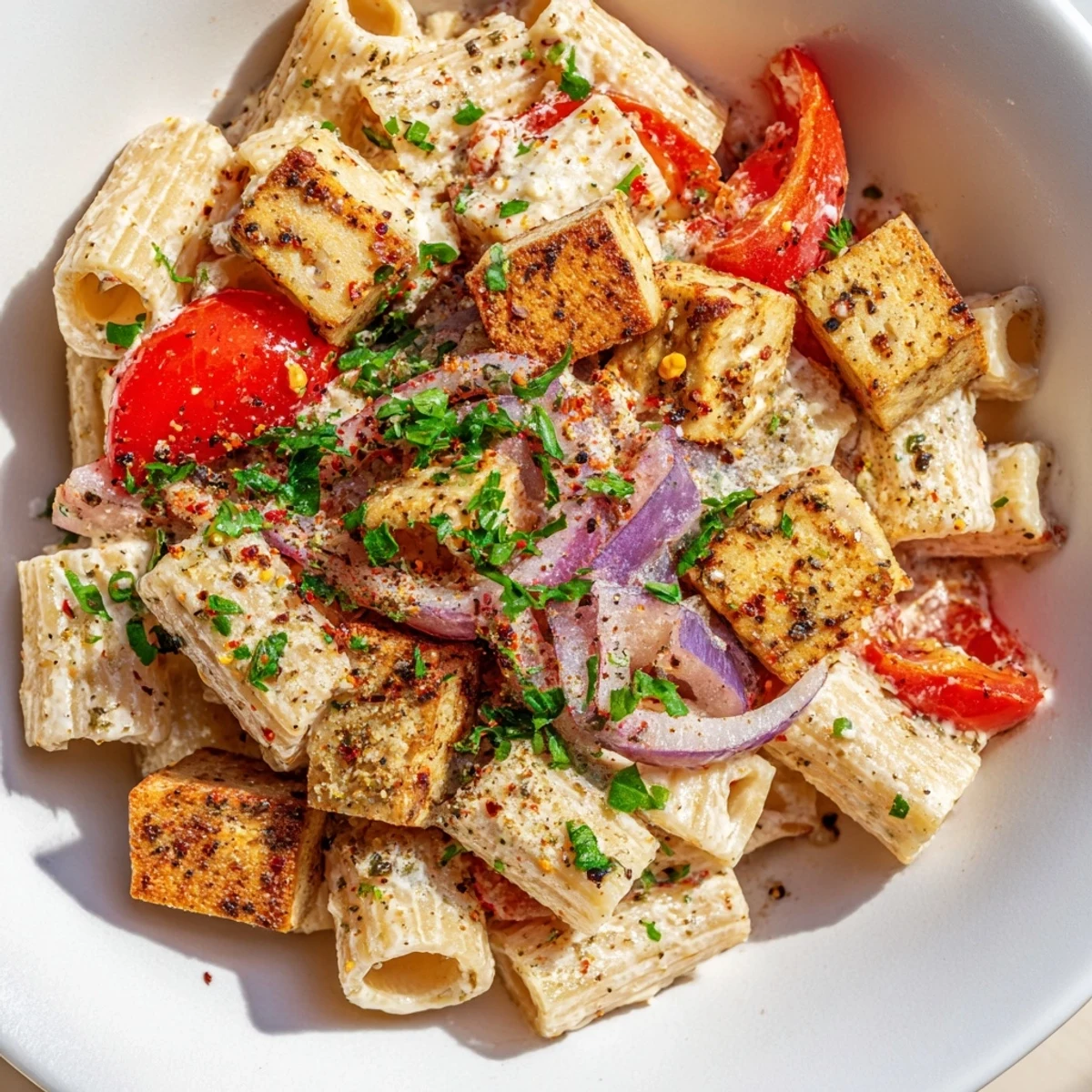
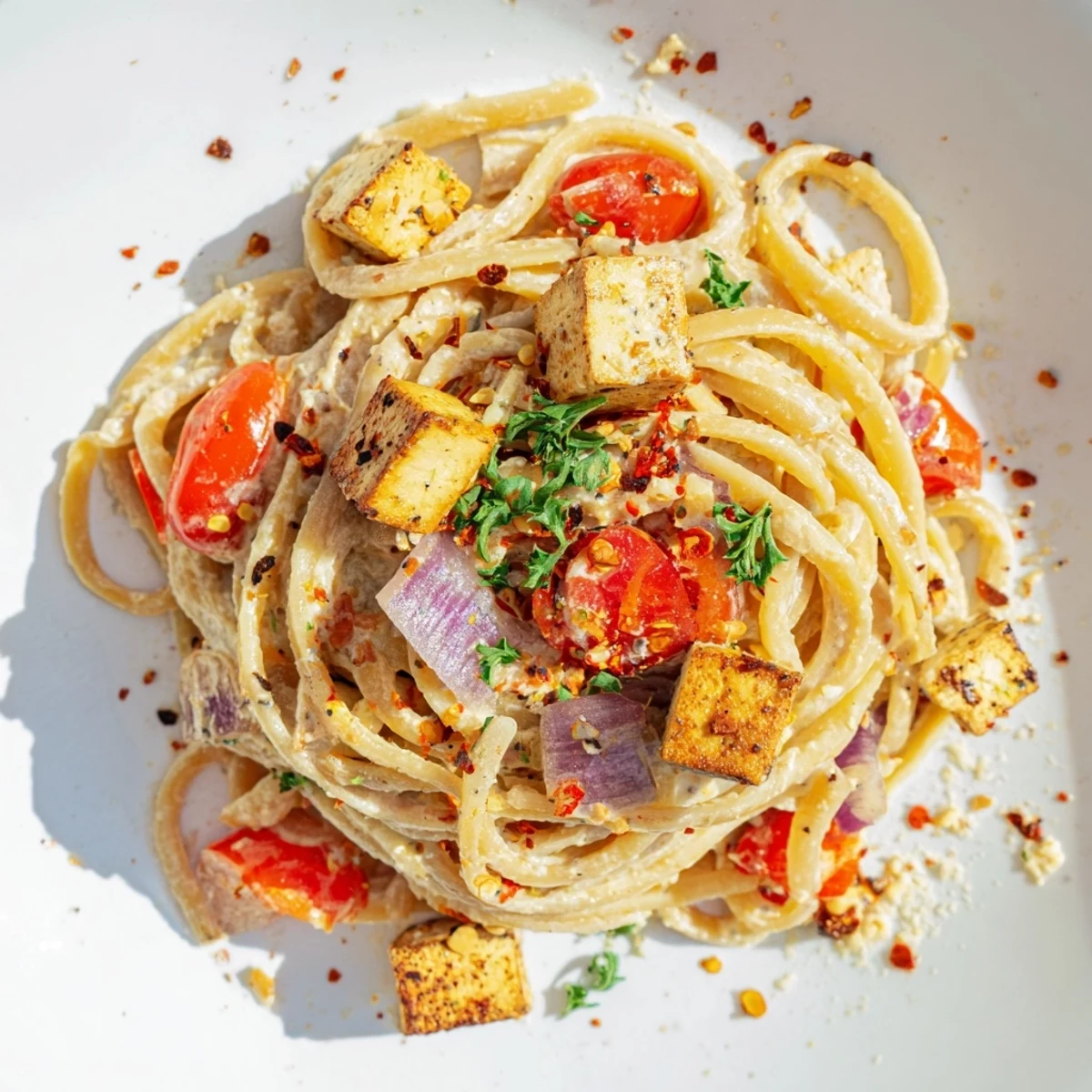
Save This hearty high-protein pasta combines lentil pasta with sautéed tofu, fresh spinach, bell peppers, and cherry tomatoes. Cottage cheese adds creaminess alongside aromatic garlic, oregano, and chili flakes. Quick to prepare and perfect for chilly mornings, it offers a satisfying balance of flavors and nutrients. Garnished with fresh parsley and optional Parmesan, it's a wholesome, warming dish that fuels your day.
There's something magical about cooking a proper breakfast pasta on a morning when the kitchen is still quiet and frost is clinging to the windows. I discovered this dish by accident one winter, trying to use up cottage cheese I'd bought for something else, and suddenly I had a warm, creamy bowl that felt more like comfort than fuel. The protein hits differently when you're fueling up for a cold day ahead. Now it's become my secret weapon for mornings when I need to feel genuinely satisfied.
I made this for my roommate on her birthday morning, thinking I was just being nice, and she actually asked for the recipe before finishing her bowl. That's when I knew it wasn't just another pasta dish. Something about the warmth of it, the way the vegetables stayed bright against the creamy sauce, made it feel like more than breakfast. She still texts me pictures of her version now.
Ingredients
- High-protein pasta (300 g): Lentil or chickpea pasta holds its shape better than regular pasta and keeps you fuller longer; don't skip the quality here.
- Baby spinach (1 cup): Fresh spinach wilts in seconds, so add it last or you'll end up with a mushy mess.
- Red bell pepper (1 small): Finely diced so it softens into the sauce and adds sweetness without overpowering.
- Cherry tomatoes (1 cup): Halve them so they cook down into little flavor bombs instead of staying firm.
- Red onion (1 small): Chop it fine and sauté first so it loses its sharp bite.
- Firm tofu (200 g): Press it well or it'll be watery; dicing and sautéing it separately gives you crispy edges.
- Low-fat cottage cheese (1 cup): This is your secret sauce base, creamy and rich without cream.
- Extra-virgin olive oil (2 tbsp): Use good oil here; you'll taste it in every bite.
- Garlic (2 cloves): Mince it finely and add for just 30 seconds so it flavors the oil without burning.
- Dried oregano (1 tsp): Trust the dried herbs here, they bloom beautifully in the heat.
- Chili flakes (1/2 tsp): A gentle warmth that cuts through the creaminess; add more if you like heat.
- Fresh parsley (2 tbsp): Chop it just before serving so it stays bright green and doesn't bruise.
- Parmesan (2 tbsp, optional): A light grating on top gives you that savory finish without making it heavy.
Instructions
- Get your pasta going:
- Bring salted water to a rolling boil and cook your pasta until just al dente, which usually means 1-2 minutes less than the package says. You want it to have a tiny bit of resistance when you bite it.
- Toast the tofu:
- Heat oil in your skillet and let that pressed tofu get golden and crispy on all sides; this takes about 5-7 minutes and gives it actual texture instead of mushiness. Set it aside on a clean plate.
- Build your flavor base:
- In the same skillet, add the remaining oil and let the onion turn translucent, then hit it with garlic for just 30 seconds until your kitchen smells incredible. Don't let the garlic brown or it gets bitter.
- Add color and softness:
- Toss in your bell pepper and cherry tomatoes, stirring gently for 3-4 minutes until they start to soften and release their sweetness. You'll see the tomatoes begin to collapse a bit, which is perfect.
- Wilt the spinach:
- Add all your spinach at once and watch it shrink down within seconds as you stir. This is the visual cue that tells you everything is about to come together.
- Make it creamy:
- Return your tofu to the skillet, then gently stir in the cottage cheese along with oregano, chili flakes, salt, and pepper. Keep the heat low and stir slowly so the sauce stays silky instead of breaking.
- Bring it all together:
- Add your drained pasta to the skillet and toss everything gently until every strand is coated and creamy. Taste and adjust your salt and spice.
- Serve with intention:
- Divide among bowls while everything is still steaming, then finish with a scatter of fresh parsley and a light dusting of Parmesan if you're using it. The heat will keep it perfect for a few minutes while you settle in.
 Save
Save The first time I served this to someone who said they don't normally eat breakfast, they cleaned their bowl and asked when I was making it again. That's the moment I realized this dish has a kind of quiet power. It doesn't need a fancy presentation or complicated techniques; it just needs you to pay attention while you're making it.
Why Cottage Cheese Changed My Cooking
For years I thought cottage cheese was only for salads or a sad protein snack, until I started whisking it into warm pasta and discovered it creates this luxurious, creamy sauce without any actual cream. It's lower in fat than traditional creamy sauces, but your mouth doesn't know that. The key is keeping the heat gentle so it stays smooth and doesn't break into grainy curds; once you understand that, it becomes your secret weapon for building richness fast.
Vegetables as Building Blocks
I've learned that the order you add vegetables matters more than people think. Onions need heat first to lose their bite, then harder vegetables like peppers, then softer ones like tomatoes, and finally delicate spinach that only needs the residual warmth. It's not complicated, but it gives you vegetables that actually taste like themselves instead of dissolving into mush. The combination here also means you get different textures in every bite, which keeps breakfast interesting.
Making It Your Own
The skeleton of this recipe is solid, but the details are yours to play with. I've made it with mushrooms instead of peppers on days when the farmers market had beautiful creminis, swapped the spinach for kale when I wanted something heartier, and even experimented with different protein pastas to see which one held up best to the sauce. The cottage cheese base stays the same, but everything else can shift depending on what you have and what you're craving.
- A squeeze of fresh lemon juice at the end brightens everything and cuts through the richness.
- If you're not vegetarian, shredded chicken breast works beautifully instead of tofu and takes the same amount of cooking time.
- For a vegan version, use plant-based ricotta instead of cottage cheese and skip the Parmesan or use a good vegan option.
 Save
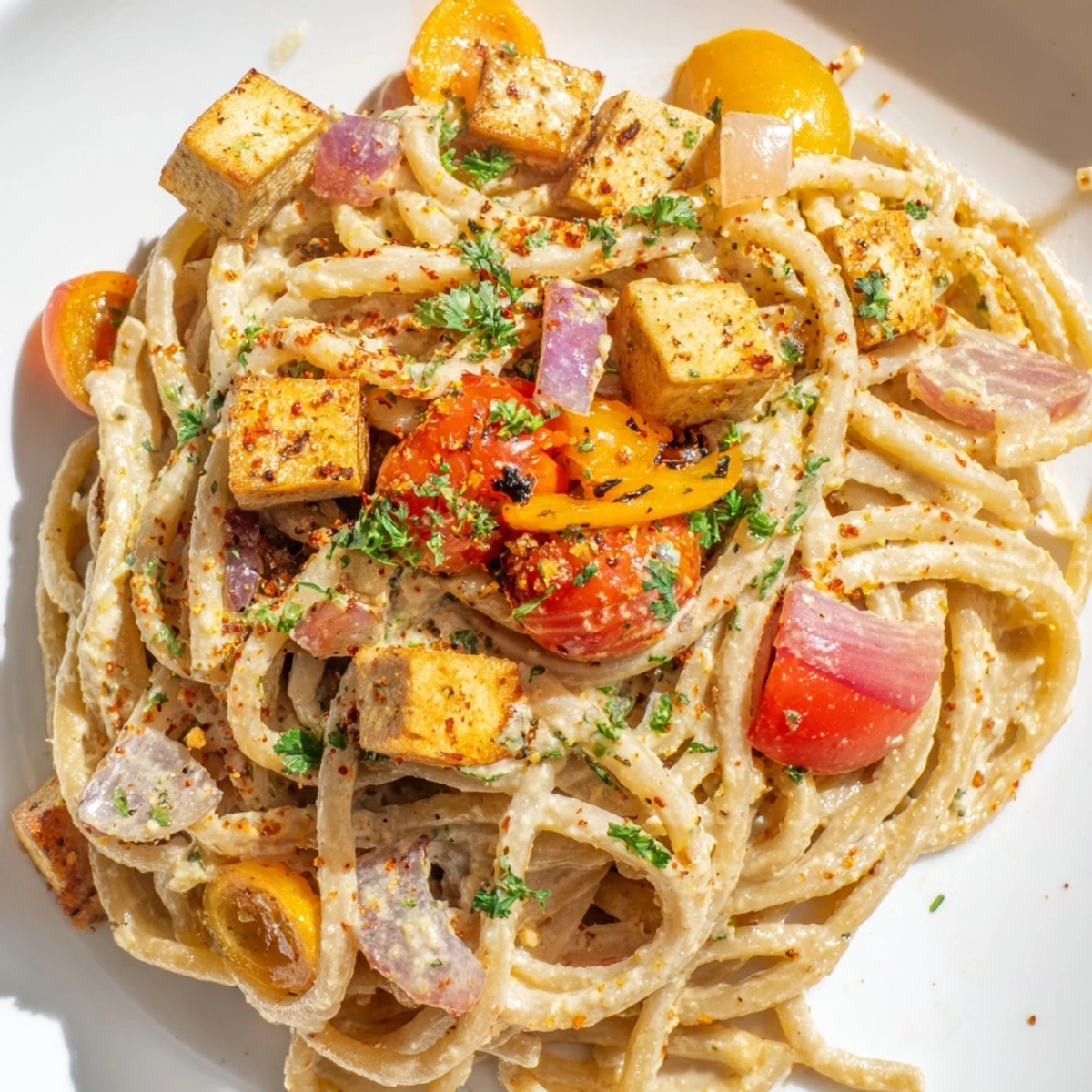
Save This is the kind of breakfast that sticks with you, the kind that makes you feel capable and warm on mornings when you need it most. Make it once to see what it's about, then make it again because you'll want to.
Recipe FAQs
- → What pasta types are best for high protein content?
-
Lentil and chickpea pasta varieties provide extra protein compared to traditional wheat pasta, making them ideal for this dish.
- → Can tofu be substituted with other proteins?
-
Yes, cooked chicken breast can replace tofu for a non-vegetarian option without compromising the dish’s heartiness.
- → How do I make this dish vegan?
-
Use plant-based ricotta instead of cottage cheese and omit or replace Parmesan with vegan cheese to keep it vegan-friendly.
- → What is the purpose of sautéing vegetables before combining?
-
Sautéing softens vegetables, enhances their flavors, and helps meld together with the protein and sauce for a balanced texture.
- → Which beverages pair well with this high protein pasta?
-
A crisp Sauvignon Blanc or a light herbal tea complements the dish’s flavors, especially for a breakfast or brunch meal.