
 Save
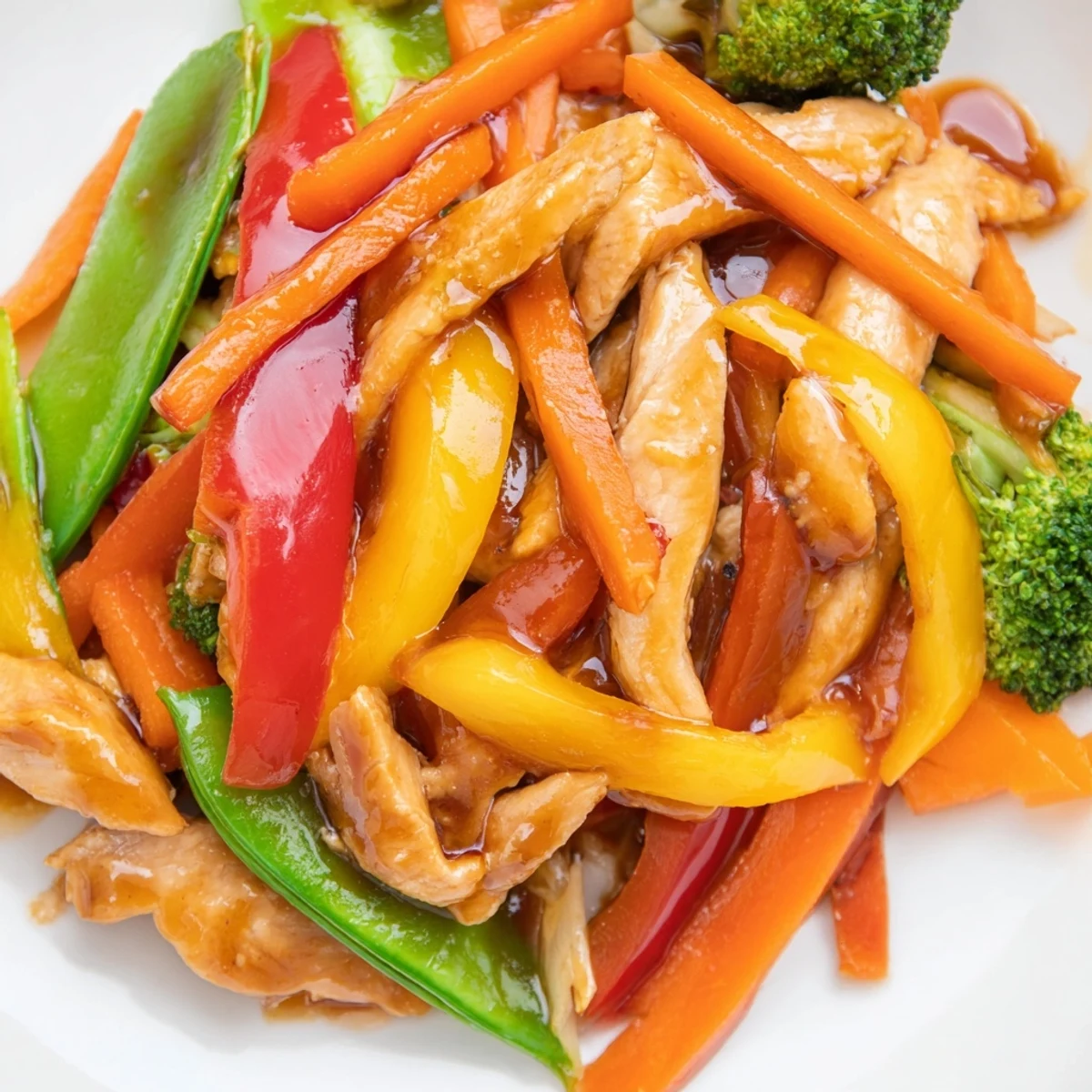
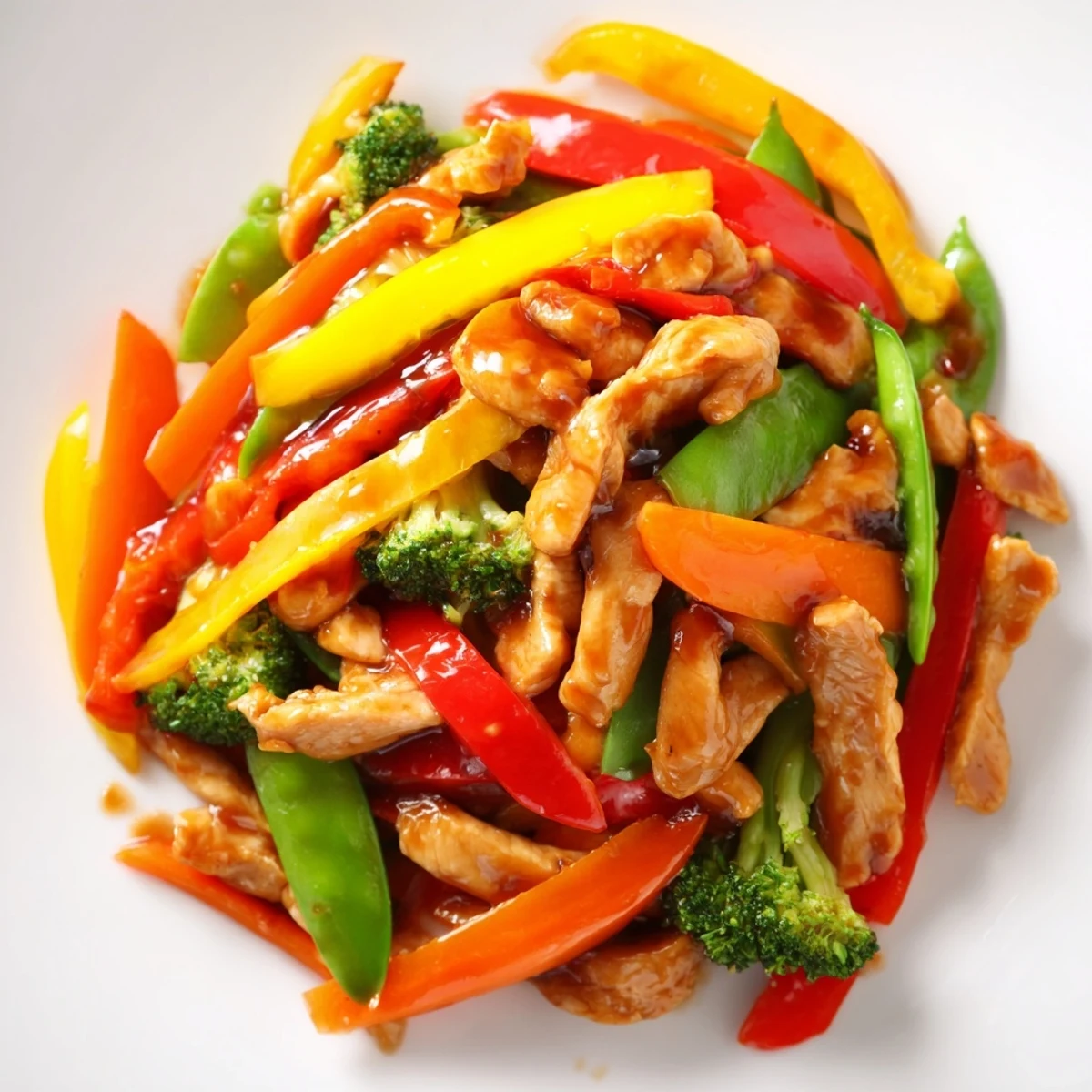
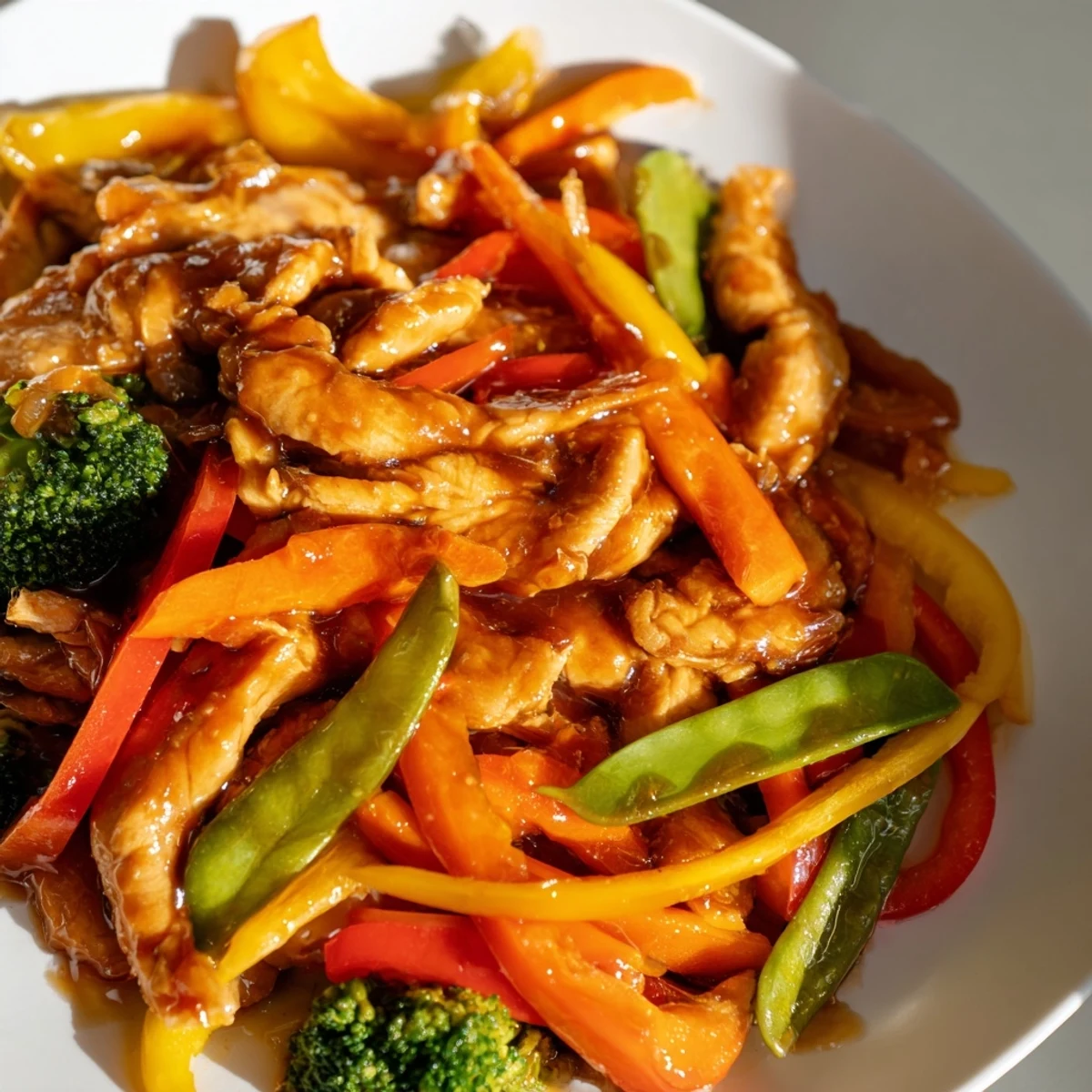
Save This low fat stir fry brings together thinly sliced chicken or tofu with red and yellow bell peppers, carrot, sugar snap peas, broccoli, and aromatics like garlic, ginger, and spring onions. Cooked quickly in vegetable oil and coated with a light soy and oyster sauce blend thickened with cornstarch, it offers a nutritious and flavorful meal ready in 30 minutes. Perfect for an easy and guilt-free dinner, it pairs well with steamed brown or cauliflower rice and can be adjusted with chili flakes or alternative proteins for variety.
There's something almost meditative about watching vegetables transform in a hot wok—the sizzle, the steam rising, the way colors deepen in seconds. I stumbled onto this stir fry on a weeknight when I was tired of feeling like healthy eating meant boring, joyless meals. One quick pan, a handful of fresh vegetables catching the heat, and suddenly I remembered why cooking at home could feel less like obligation and more like a small victory.
I made this for a friend who'd been on a restrictive diet for months, and watching her face light up when she tasted how flavorful it was reminded me that eating well doesn't mean eating sad. She asked for the recipe before dessert, which felt like the highest compliment possible.
Ingredients
- Skinless chicken breast: Slice it thin and it cooks fast and stays tender; I learned the hard way that thicker pieces stay rubbery no matter how long you wait.
- Red and yellow bell peppers: The color contrast isn't just pretty—it means you're getting different nutrients and a sweeter, brighter flavor than red alone.
- Carrot and sugar snap peas: Together they add texture and natural sweetness without any added sugar in the final dish.
- Broccoli florets: Small florets cook evenly and get a slight char on the edges if you don't stir constantly, which is actually delicious.
- Spring onions and fresh ginger: These two build the aromatic base—mince the ginger finely so it disperses throughout instead of showing up in chunks.
- Garlic: Two cloves is enough here because the ginger and aromatics are already working hard.
- Soy sauce and oyster sauce: Use reduced-sodium soy sauce and check your oyster sauce label; the vegetarian versions work just as well and taste nearly identical.
- Rice vinegar and sesame oil: The vinegar cuts through the savory notes, and a teaspoon of sesame oil goes a long way—don't skip it or overshadow it with too much.
- Cornstarch: Just 2 teaspoons thickens the sauce beautifully without making it gluey or adding fat.
- Vegetable oil: A non-stick wok means you can use minimal oil and still get that signature sear.
Instructions
- Mix your sauce first:
- Whisk together soy sauce, oyster sauce, rice vinegar, sesame oil, cornstarch, cold water, and white pepper in a small bowl until the cornstarch is fully dissolved. This step takes two minutes but prevents lumpy sauce later.
- Heat and sear the protein:
- Get your wok screaming hot with 1 teaspoon of oil, then add the sliced chicken (or tofu) and don't move it around for the first minute—let it catch some color. Stir-fry for 4–5 minutes total until cooked through, then push it to the side of the pan or remove it completely so the vegetables have room to breathe.
- Build the aromatic base:
- Add the remaining oil and immediately add garlic, ginger, and spring onions, stirring constantly for about 1 minute until the kitchen smells incredible. You'll know it's ready when the raw ginger bite softens into something warm and complex.
- Stir-fry the vegetables:
- Add the bell peppers, carrot, snap peas, and broccoli all at once, then stir continuously for 3–4 minutes. The goal is tender-crisp—vegetables should have a little resistance when you bite them, not turn into mush.
- Bring it together:
- Return the protein to the pan, pour in the sauce, and stir everything constantly for about 2 minutes until the sauce thickens and coats each vegetable. You'll see it change from liquid to glossy and clinging, which means it's done.
- Taste and serve:
- Take a tiny taste before plating—sometimes I add a pinch more white pepper or a few drops more sesame oil depending on the day. Serve immediately over rice or on its own while everything is still hot and the vegetables still have their snap.
 Save
Save My partner once said this stir fry tasted like the restaurant version but felt less heavy, and that's stuck with me ever since. It's become the dish I make when I want to prove to myself that eating well doesn't require compromise.
The Secret to Crisp Vegetables
The difference between great stir fry and mushy stir fry comes down to heat and timing. Your pan needs to be hot enough that vegetables sear slightly on the outside while staying firm inside, which means medium-high heat is non-negotiable. If your pan isn't hot enough, vegetables release water and steam instead of caramelize, and the whole thing turns sad and limp. I learned this through trial and error, mostly the error part.
Protein Options Beyond Chicken
Firm tofu cuts the same way as chicken and picks up the sauce beautifully if you press it first to remove excess moisture. Shrimp cooks even faster—add it in the last 2 minutes so it doesn't turn rubbery. Lean beef strips or pork tenderloin work too, and they bring their own richness without adding fat. The sauce is flexible enough to carry any of these, which is why this stir fry has become my template for whatever protein is in the fridge.
Serving Suggestions and Pairings
Steamed brown rice is the obvious choice, but I've also spooned this over cauliflower rice on nights when I'm being stricter about carbs, and it works just as well. A crisp, dry white wine like Sauvignon Blanc cuts through the savory sauce and makes the whole meal feel a little less rushed. For extra heat, scatter some chili flakes on top right before serving, or drizzle in a dash of sriracha if you like sweet-spicy notes.
- Add a splash of sriracha or chili flakes for depth and a gentle burn.
- Serve with jasmine rice, brown rice, or cauliflower rice depending on your mood.
- A squeeze of fresh lime juice at the table brightens everything at the last second.
 Save
Save This stir fry taught me that healthy eating can be fast, vibrant, and genuinely crave-worthy. Make it once and it'll become a regular on your weeknight rotation.
Recipe FAQs
- → What protein options work best for this dish?
-
Skinless chicken breast provides lean protein, but firm tofu is a great vegetarian alternative. Shrimp or lean beef strips can also be used for variety.
- → How do I keep the vegetables crisp yet tender?
-
Stir fry the vegetables quickly on medium-high heat for 3–4 minutes, ensuring they stay vibrant and slightly crunchy.
- → Can I make this dish gluten-free?
-
Yes, by using gluten-free soy and oyster sauce alternatives, you can keep the dish free from gluten while maintaining flavor.
- → What is the purpose of cornstarch in the sauce?
-
Cornstarch acts as a thickening agent, giving the sauce a glossy, smooth texture that coats the ingredients evenly.
- → Are there any suggested side dishes to serve with this meal?
-
Steamed brown rice or cauliflower rice complement this stir fry well, adding balance and extra texture.
- → Can I add heat to the dish?
-
Absolutely, adding chili flakes or a dash of sriracha can introduce a pleasant spicy kick to the flavors.