
 Save
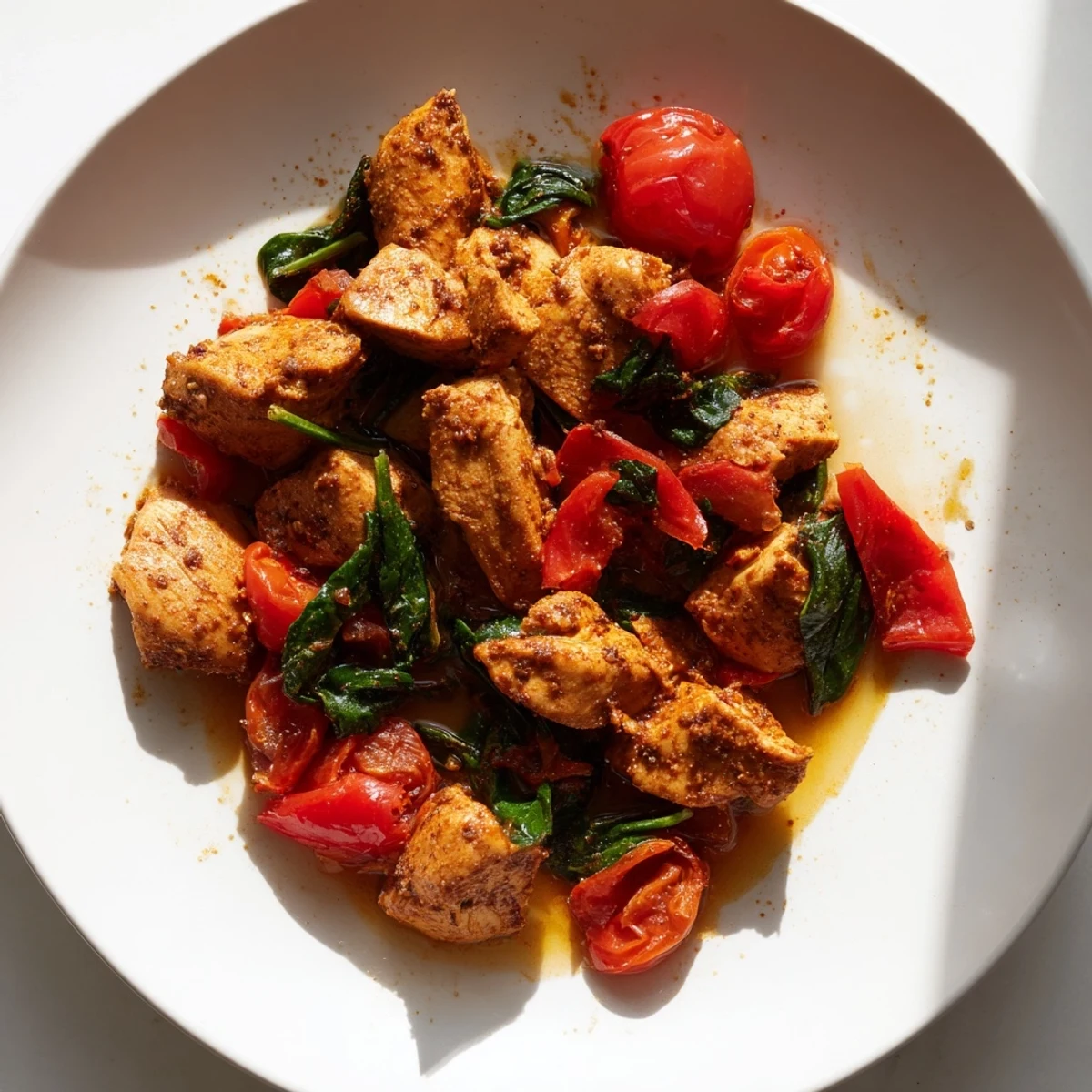
Save This fireside skillet is a comforting, nutritious one-pan meal that combines lean chicken breast with fresh vegetables including bell peppers, zucchini, spinach, and cherry tomatoes. Seasoned with smoked paprika, thyme, and oregano, it delivers bold flavors while keeping fat minimal at just 5g per serving. Perfect for a cozy family dinner, this dish comes together in 40 minutes and serves four.
The scent of sizzling garlic in a hot skillet always takes me back to those winter evenings when our power went out during a snowstorm. We huddled around our gas stove with flashlights, determined to still have a proper dinner despite the circumstances. This Fireside Low Fat Skillet was born from necessity that night, but has since become our family's go-to comfort meal without the guilt.
Last autumn, my neighbor dropped by unexpectedly just as I was preparing this skillet dinner. The colorful vegetables caught her eye immediately, and she ended up staying for dinner. Through mouthfuls of chicken and vegetables, she kept asking what special seasoning I used, refusing to believe it was just smoked paprika and dried herbs doing all that heavy lifting.
Ingredients
- Skinless chicken breast: I opt for breast meat specifically because it stays lean while absorbing all the wonderful flavors from the vegetables and seasonings.
- Cherry tomatoes: Try to find the ripest ones you can, as they burst and release sweet juices that create the base of our light sauce.
- Smoked paprika: Not to be confused with regular paprika, the smoked variety adds a subtle campfire flavor that makes this dish truly special.
- Low-sodium chicken broth: Using low-sodium allows you to control the saltiness yourself, and prevents the dish from becoming too salty as it reduces.
Instructions
- Prepare your workspace:
- Before turning on any heat, have all your vegetables chopped and ready to go. This dish moves quickly once you start cooking, and having everything at your fingertips makes the process so much more enjoyable.
- Brown the chicken first:
- Give those chicken pieces a head start in the hot oil until they develop a golden crust. Youll notice they dont need to be fully cooked through at this stage, as theyll finish cooking later.
- Layer the flavors:
- Start with onions and peppers which need longer cooking times, then add the more delicate vegetables. Each addition builds another layer of flavor in your skillet.
- Create the sauce:
- When you pour in that chicken broth, use a wooden spoon to scrape up any browned bits from the bottom of the pan. Those little caramelized pieces contain concentrated flavor that will elevate your entire dish.
- Finish with greens:
- The baby spinach might look like too much at first, but it will wilt down dramatically. Fold it in gently at the very end to preserve its bright color and nutrients.
 Save
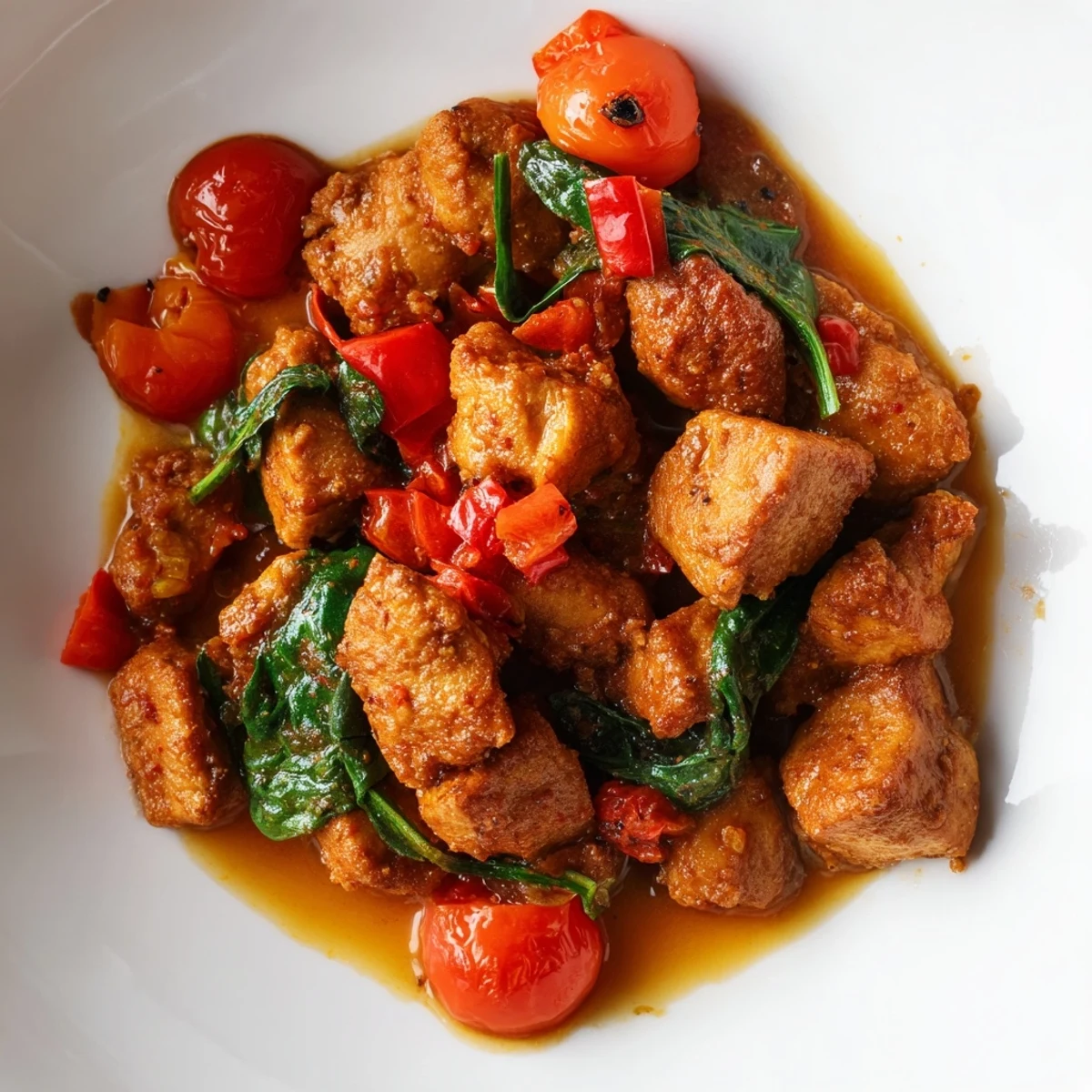
Save My teenage son, notorious for his aversion to vegetables, reached for seconds of this skillet meal during our weekly family dinner. Without knowing it, he had consumed more vegetables in that one sitting than he typically would in an entire day. The look of satisfaction on his face as he scraped the last bits from his plate made me realize food doesnt need to be complicated or indulgent to bring people together.
Substitutions That Work
Ive experimented with various proteins in this recipe, and lean turkey breast works beautifully as an alternative to chicken. For vegetarian guests, I once used cubed firm tofu that Id pressed and marinated in a bit of tamari sauce beforehand, which absorbed the flavors wonderfully and maintained the dishes protein content.
Making It Your Own
The beauty of this skillet recipe lies in its flexibility with seasonal produce. In summer, Ive swapped in yellow squash and fresh basil. During fall, butternut squash cubes and a pinch of cinnamon create an entirely different but equally delicious variation that still keeps the fat content remarkably low.
Serving Suggestions
While perfectly satisfying on its own, this skillet pairs wonderfully with simple sides that complement without overshadowing. A scoop of fluffy quinoa or brown rice makes the meal more substantial for hungry eaters, while still maintaining its healthy profile.
- For a complete meal, serve with a slice of whole grain bread to soak up the flavorful juices.
- A simple side salad dressed with lemon juice and a few drops of olive oil adds freshness and crunch.
- For special occasions, a small glass of chilled white wine enhances the herbs and vegetable flavors without adding significant calories.
 Save
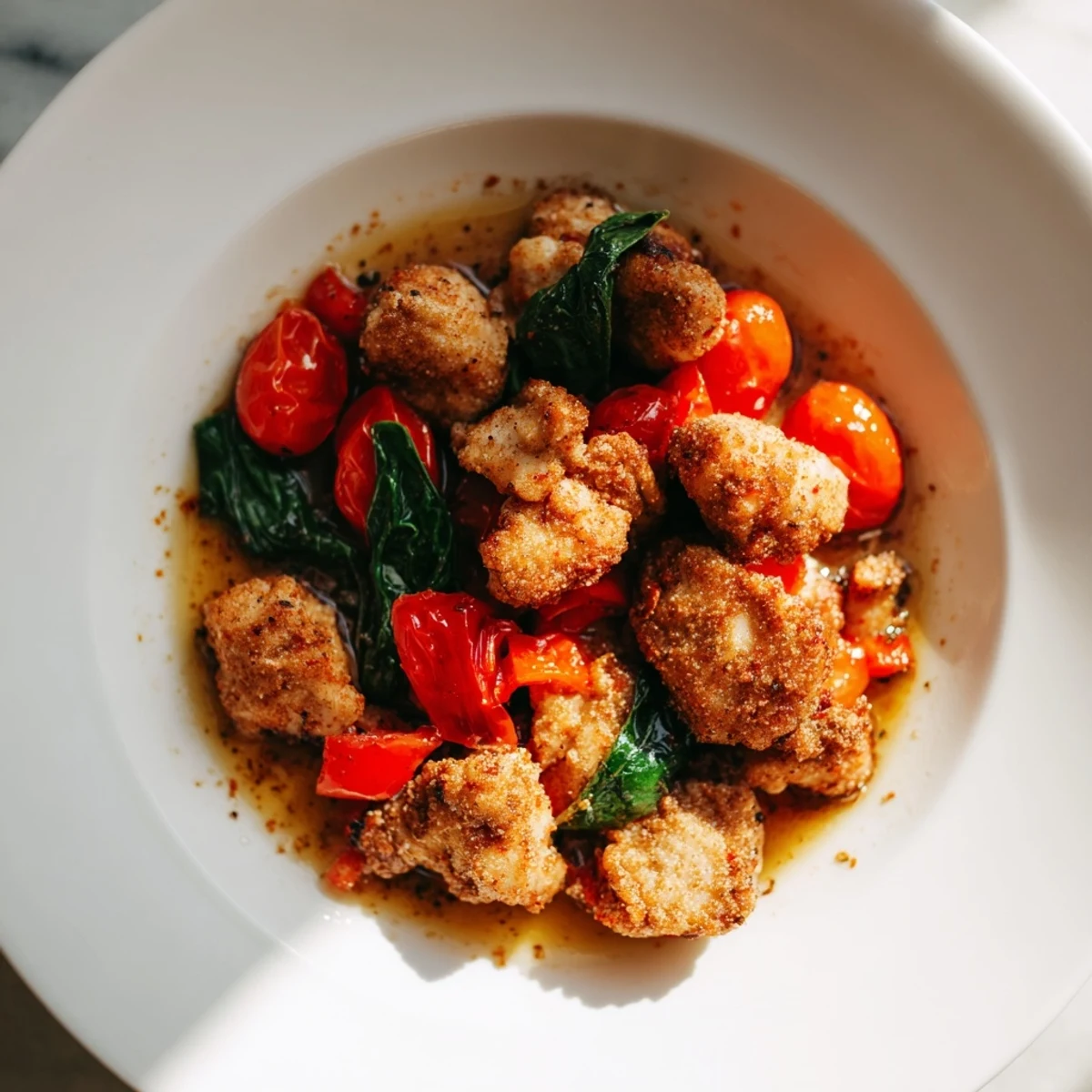
Save This humble skillet dinner reminds us that nourishment doesnt have to be complicated or heavy to feel like a proper home-cooked meal. Its living proof that with a few quality ingredients and some basic techniques, anyone can create something truly satisfying without sacrificing health or flavor.
Recipe FAQs
- → Can I use a different protein instead of chicken?
-
Yes, turkey breast works beautifully as a leaner alternative. For a vegetarian option, firm tofu absorbs the smoky spices wonderfully. Simply adjust cooking time slightly depending on thickness.
- → What can I serve alongside this skillet?
-
Brown rice and quinoa are excellent choices that complement the savory flavors. You could also pair it with roasted sweet potatoes or whole wheat bread to round out the meal.
- → How do I prevent the vegetables from becoming mushy?
-
Cut vegetables into similar-sized pieces for even cooking. Add heartier vegetables like bell peppers and onions first, then add delicate items like spinach at the end. Stir occasionally to ensure even heat distribution.
- → Is this suitable for meal prep?
-
Absolutely. This skillet stores well in the refrigerator for 3-4 days. Reheat gently on the stovetop over medium heat with a splash of broth to restore moisture. You can also freeze portions for up to two months.
- → How can I add more heat to this dish?
-
A pinch of red chili flakes stirred in during cooking adds gentle heat without overpowering the smoky spices. You could also include diced jalapeño with the other vegetables for a fresher kick.
- → Why use low-sodium broth?
-
Low-sodium broth allows you to control the salt content throughout the cooking process. This is especially important in low-fat cooking, where salt and seasonings carry more of the flavor profile.