
 Save
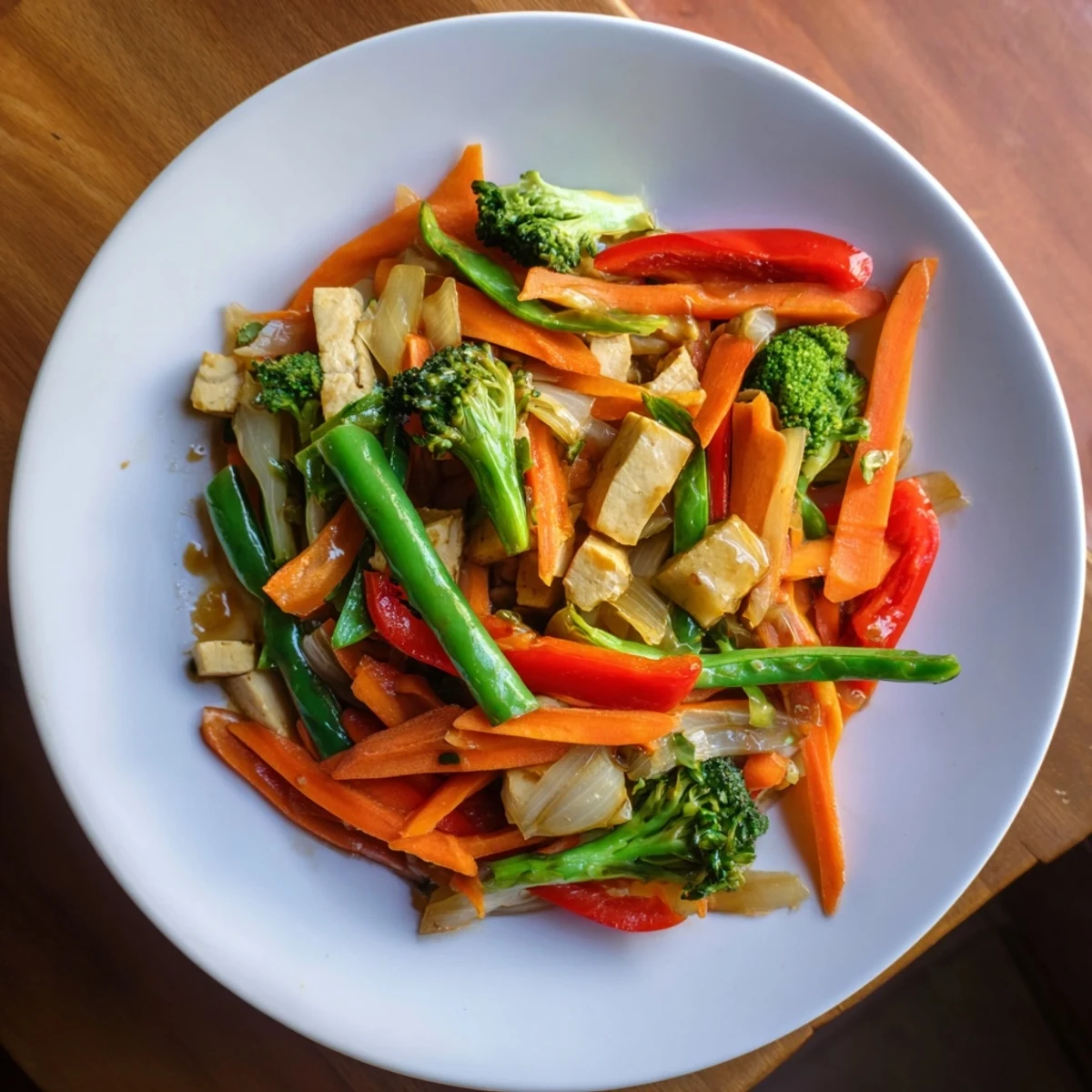
Save This evergreen low fat stir fry blends fresh vegetables and lean ingredients for a nutritious, flavorful dish. Perfect for those seeking a light yet satisfying meal, it uses quick stir-fry techniques to preserve the vibrant colors and crisp textures of the ingredients.
Ideal for busy days, this dish balances wholesome flavors with low fat content, making it a great option for health-conscious cooking while still delivering on taste and appeal.
I discovered the magic of a truly satisfying stir fry on a quiet Tuesday night when my kitchen was nearly bare. A handful of colorful vegetables, some pantry staples, and a hot wok transformed what could have been another forgettable dinner into something I still crave. It was the moment I realized that restraint in fat doesn't mean restraint in flavor—it meant learning to let vegetables sing.
I made this for my mother when she was trying to eat lighter after her doctor's visit, and she took seconds without even realizing it was low fat. That's when I knew I had created something special—food that serves your health without announcing it.
Ingredients
- Mixed vegetables (broccoli, bell peppers, snap peas, carrots): Use about 4 cups total, cut into bite-sized pieces. The variety of colors and textures is what makes this dish exciting. I learned to cut them slightly larger than you'd think because they shrink a little during cooking.
- Garlic: 3-4 cloves, minced. Fresh garlic is non-negotiable here. It's the foundation of flavor when you're keeping oil minimal.
- Ginger: 1 tablespoon, minced. This adds warmth and brightness that feels almost luxurious.
- Low-sodium soy sauce: 3 tablespoons. The umami does the heavy lifting that fat usually does.
- Rice vinegar or white vinegar: 1 tablespoon. This cuts through and adds complexity.
- Sesame oil: 1 teaspoon only. A little goes a long way here. It's the secret whisper at the end.
- Olive oil or vegetable oil: 1-2 teaspoons for cooking. This is the most crucial part of keeping it low fat while maintaining heat.
- Cornstarch: 1 teaspoon mixed with 2 tablespoons water. This creates a silky sauce without cream or extra oil.
- Water or low-sodium broth: ¼ cup. It helps steam the vegetables while keeping everything moist.
- Red pepper flakes: A pinch, optional. For those moments when you want heat.
- Cooked rice or noodles: For serving. I prefer jasmine rice because it's light and absorbs the sauce beautifully.
Instructions
- Get Everything Ready:
- This is the secret to stir frying without stress. Mince your garlic and ginger, prepare all your vegetables, and mix your sauce ingredients in a small bowl. You'll be moving fast once the wok heats up, so you want to be ready. I keep my prep ingredients right next to the stove in small bowls, like I'm on a cooking show.
- Heat Your Wok or Large Pan:
- Get it smoking hot over medium-high heat. This is essential for that restaurant-quality sear and crispness. Let it heat for a solid minute or two. You'll know it's ready when a drop of water sizzles and dances immediately.
- Oil and Aromatics:
- Add just 1 teaspoon of oil, swirl it around to coat the surface, then immediately add your garlic and ginger. You'll smell that intoxicating aroma within seconds. Cook for about 30 seconds until fragrant but not browned. This is where the magic starts.
- Sear the Harder Vegetables First:
- Add carrots and broccoli first since they need more time. Toss constantly for about 2-3 minutes. You want to hear that sizzle, see the edges catch a little color. Don't stir constantly in a timid way—be confident and let them kiss the hot surface.
- Add the Quicker Vegetables:
- Now add your bell peppers and snap peas. Keep tossing for another 2-3 minutes. The pan should smell incredible now, and everything should be vibrant and mostly crisp-tender. If your wok seems dry, add just a splash of your water or broth.
- Bring the Sauce In:
- Give your sauce mixture a quick stir to make sure the cornstarch is dissolved, then pour it in. Toss everything together for another minute or two. Watch as it coats every vegetable with a silky gloss. This moment feels like you're finishing a painting.
- Finish With Sesame Oil:
- Drizzle in that teaspoon of sesame oil and toss one more time. Add a pinch of red pepper flakes if you like heat. Taste it and adjust the soy sauce or vinegar to your preference.
- Serve Immediately:
- Stir fry waits for no one. Spoon it over your rice or noodles right away while everything is still hot and the vegetables maintain their crisp texture. Serve it the moment it's done.
 Save
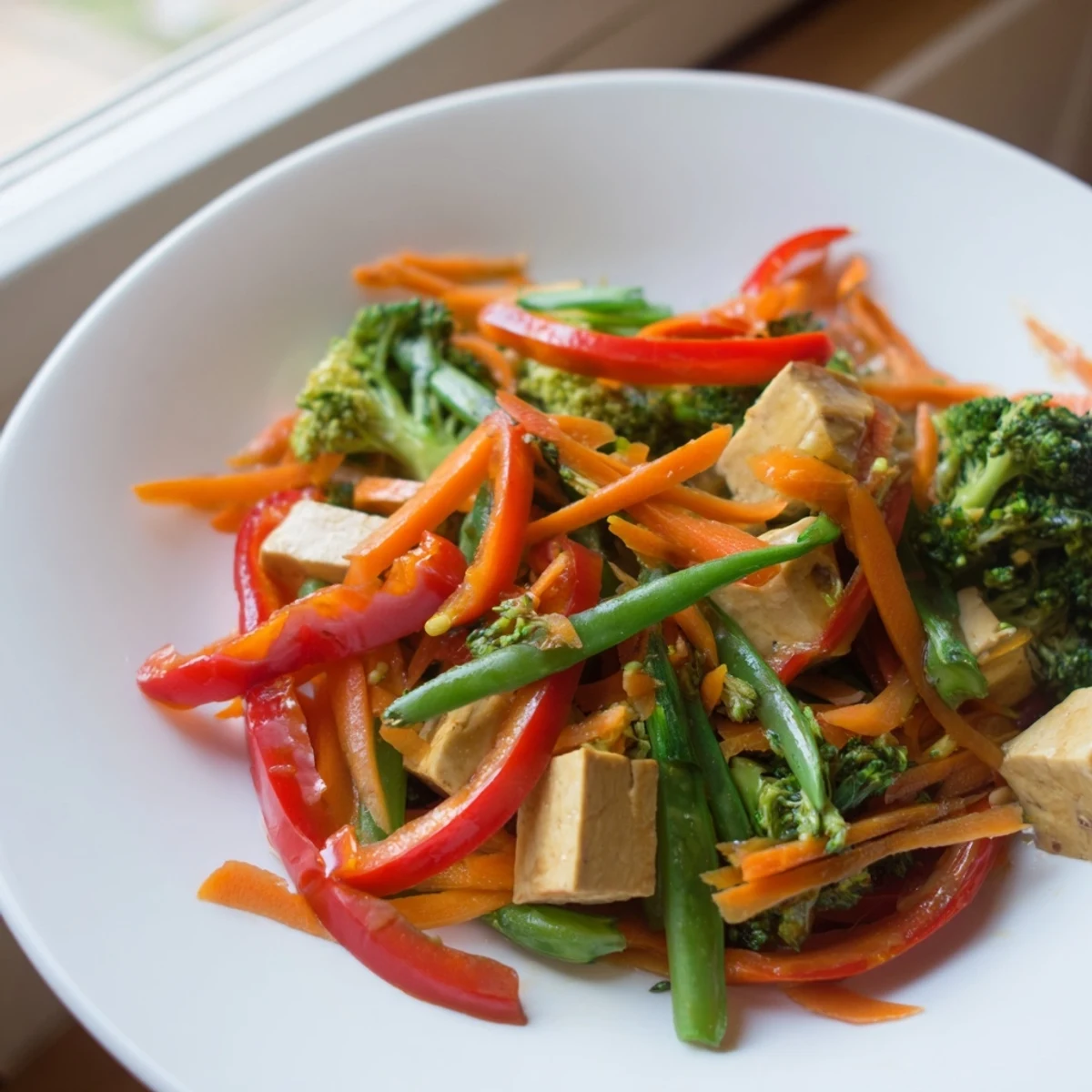
Save This stir fry became the dish I make when I want to feel healthy and energized, but still deeply satisfied. It's proof that eating light doesn't mean eating small.
The Art of the High Heat
The reason this stir fry works so well with minimal fat is because high heat is doing the work that fat usually does. When your wok is hot enough, the vegetables sear instead of simmer, caramelizing slightly and developing real flavor depth. I used to be afraid of high heat, thinking it would burn everything, but I learned that confidence and speed are your protections. Keep moving, keep tossing, and watch the magic happen.
Building Your Vegetable Garden
The beauty of this recipe is its flexibility. The vegetables I've suggested are evergreen favorites, but you can absolutely adapt based on the season or what's in your crisper drawer. Bok choy, mushrooms, zucchini, or snow peas all work beautifully. I think of my stir fry as a conversation with whatever vegetables are at their peak that week. The technique stays the same, the joy remains constant.
Beyond the Bowl
I've learned that this stir fry is endlessly useful beyond just dinner. It transforms leftovers into something fresh when tucked into a whole grain bowl with some avocado. It becomes lunch the next day, better somehow than it was the night before. It even freezes well if you store the sauce separately. Here are my favorite ways to extend it beyond the initial meal:
- Spoon it over cauliflower rice or brown rice for a completely different feel
- Tuck it into whole wheat tortillas with hummus for a completely different texture experience
- Layer it in a grain bowl with some cooked quinoa and fresh herbs for meal prep that actually tastes good three days later
 Save
Save This evergreen stir fry taught me that the best healthy food is the food you actually want to eat. Make it tonight.
Recipe FAQs
- → What ingredients enhance the flavor of the stir fry?
-
Fresh herbs, garlic, ginger, and a splash of soy sauce bring brightness and depth to the dish.
- → How can I keep vegetables crisp during cooking?
-
Stir fry over high heat briefly and avoid overcrowding the pan to maintain crunchiness.
- → What proteins pair well with this stir fry?
-
Lean proteins like tofu, chicken breast, or shrimp complement the low fat aspect while adding substance.
- → Can I prepare this dish ahead of time?
-
It's best served fresh to retain texture, but you can prep ingredients in advance for a quick cook.
- → Which oils are suitable for low fat stir frying?
-
Use small amounts of light oils with high smoke points, such as avocado or canola oil.