
 Save
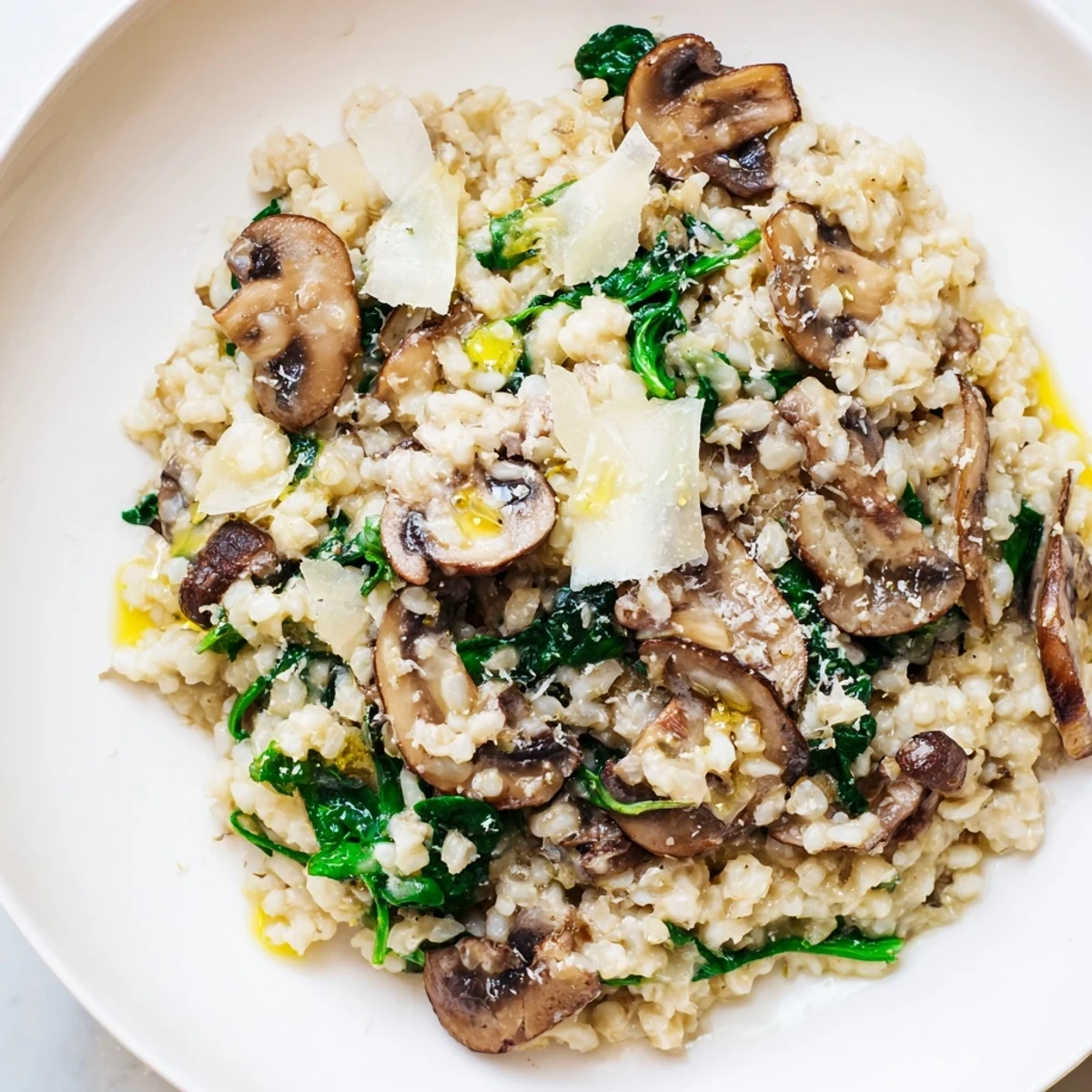
Save This dish transforms cauliflower into tender, rice-like grains cooked gently with garlic, mushrooms, and spinach. Slow simmering in vegetable broth and a splash of white wine builds depth, while butter, cream, and Parmesan create a luxuriously smooth finish. The result is a rich, velvety risotto-like experience that fits low carb and gluten-free needs without compromising flavor. Simple prep and wholesome ingredients make this an ideal warming main course perfect for a cozy evening.
Rainy Tuesday nights demand something that hugs you from the inside out. I stumbled onto cauliflower risotto during a particularly ambitious health kick, expecting disappointment and finding absolute comfort instead. The steam rising from the pan, that gentle sizzle, the way it slowly transforms from separate ingredients into something cohesive and creamy—it is kitchen therapy. Now it is my go-to when I want rich satisfaction without the food coma that traditional arborio rice inevitably brings.
Last winter, my skeptic brother took a bite, paused dramatically, and asked if I was messing with him. He could not believe it was not the real deal. That moment of watching someone discover that healthy does not mean hollow—well, that is why I keep making this dish.
Ingredients
- Large head cauliflower (about 750 g), riced: The foundation that mimics arborio is texture while staying light—pulse in batches so you do not end up with cauliflower mash
- Small onion, finely chopped: Builds the aromatic base that gives depth and sweetness, essential for that comfort food flavor
- 2 cloves garlic, minced: Freshly minced garlic releases more oils and aroma than preminced, creating that fragrant sizzle
- Baby spinach leaves (120 g): Wilts beautifully into the creamy mixture, adding color and nutrition without changing the taste
- Cremini mushrooms (100 g), sliced: These add meaty umami that compensates for any depth lost skipping traditional rice
- Grated Parmesan cheese (60 g): Buy a wedge and grate it yourself—the pregrated stuff does not melt into the same creamy silkiness
- Unsalted butter (50 g): Unsalted lets you control the seasoning, and dividing it matters for proper texture development
- Heavy cream (100 ml): The secret to luxury mouthfeel that makes cauliflower feel indulgent rather than like a compromise
- Vegetable broth (500 ml), low sodium: Low sodium is crucial here because the broth reduces and concentrates—you can always add salt
- Dry white wine (60 ml): Optional but adds brightness that cuts through the richness—Pinot Grigio or Sauvignon Blanc work beautifully
- Olive oil (2 tbsp): Use this for sautéing aromatics while saving butter for finishing where it shines brightest
- Sea salt (1/2 tsp) and black pepper (1/4 tsp): Season as you go, tasting frequently— cauliflower needs more salt than you expect
- Pinch of nutmeg (optional): A tiny pinch creates that background warmth that makes creamy dishes taste professionally seasoned
Instructions
- Prep the cauliflower rice:
- Cut the florets into similar sized chunks, then pulse in your food processor in short bursts until you achieve rice sized granules. Working in batches prevents some pieces from turning to mush while others stay too large.
- Sauté the aromatics:
- Heat olive oil and half the butter in a large skillet over medium heat. Add the chopped onion and let it soften for about 4 minutes until translucent and fragrant.
- Add depth:
- Stir in the garlic and sliced mushrooms, cooking for another 3 to 4 minutes until the mushrooms have released their moisture and started to golden slightly.
- Toast the cauliflower:
- Add the riced cauliflower and stir well to coat it in the buttery aromatics. Let it cook for 2 minutes, stirring constantly to develop flavor without browning.
- Deglaze with wine:
- Pour in the white wine if using and let it bubble away for 1 to 2 minutes until almost completely evaporated. This step adds brightness and complexity to the final dish.
- The risotto method:
- Add the warm broth about 100 ml at a time, stirring frequently and letting each addition absorb almost completely before adding more. Continue this process for 10 to 12 minutes until the cauliflower is tender but still has some bite.
- Wilt in the spinach:
- Stir in the baby spinach and fold gently until just wilted. This happens quickly so keep an eye on it—you want vibrant green, not sad and overcooked.
- Create the creamy finish:
- Remove from heat and stir in the remaining butter, heavy cream, and grated Parmesan. The residual heat will melt everything into a glossy, emulsified sauce that coats each grain.
- Season and serve:
- Taste and adjust with salt, pepper, and that optional pinch of nutmeg. Serve immediately in warm bowls, perhaps with extra Parmesan and a drizzle of good olive oil on top.
 Save
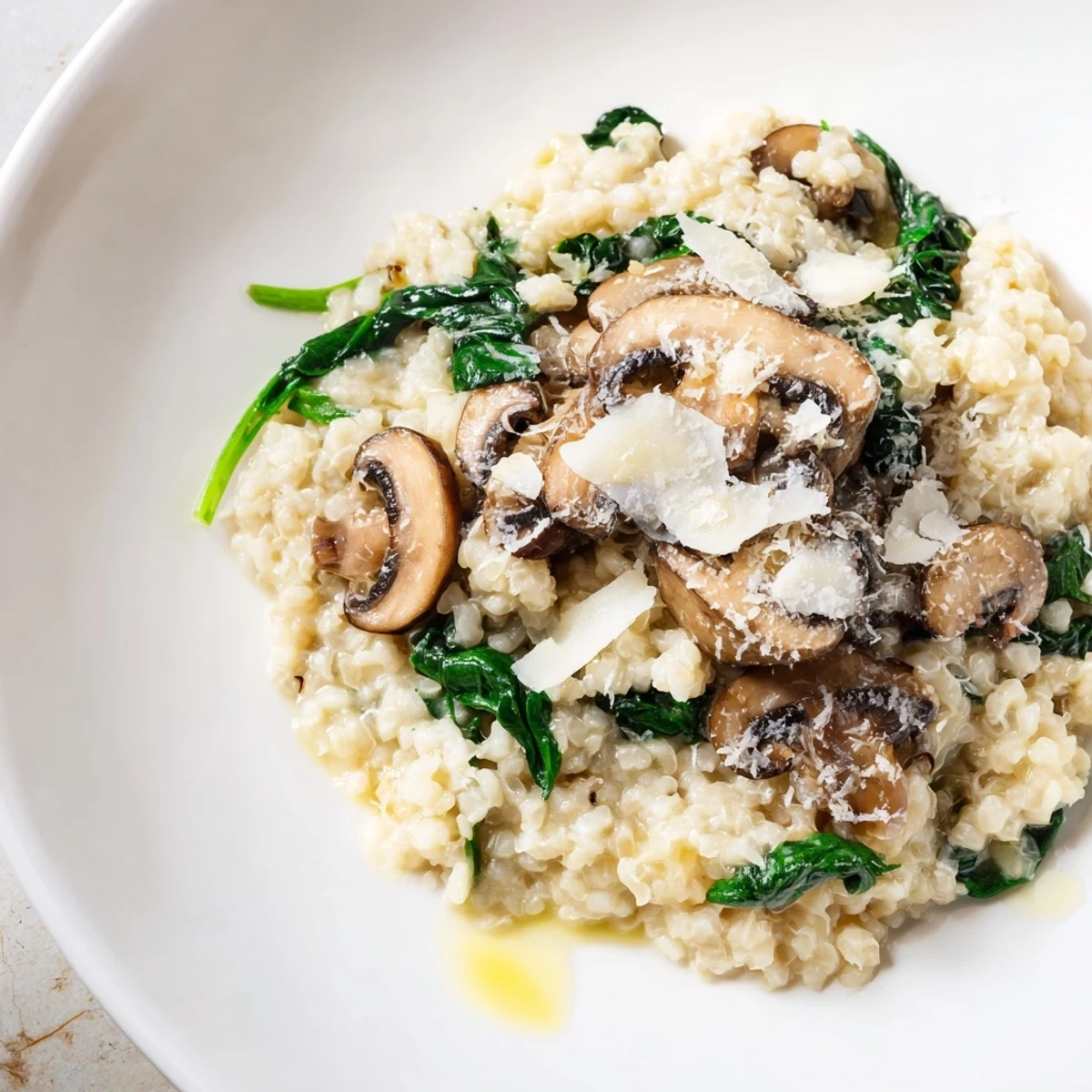
Save This recipe has saved more weeknight dinners than I can count. It turns a random Tuesday into something intentional, something cared for, and that is a kind of magic I need in my life regularly.
Getting The Texture Right
The difference between good cauliflower risotto and great cauliflower risotto comes down to not overprocessing the cauliflower in the first step. You want individual tiny florets that still have structure, not a uniform snowy powder that will turn into mashed potatoes the moment liquid hits it. I learned this the hard way after several batches that could have been served as side dish purée. Watch the food processor like a hawk, pulse in short bursts, and stop when you see pieces that look like they could pass for rice grains from across the kitchen.
Building Layers of Flavor
Traditional risotto draws depth from slowly toasting the rice grains, and cauliflower deserves the same treatment. That initial 2 minute sauté after adding the cauliflower rice is not busy work—it creates subtle nutty notes that prevent the final dish from tasting like steamed vegetables with cream on top. The wine deglazing step also pulls up any flavorful bits stuck to the pan from the aromatics, ensuring nothing is left behind in the skillet. These small moments of attention are what elevate this from diet food to dinner worth savoring.
Make It Your Own
Once you have the basic technique down, this recipe becomes a canvas for whatever you are craving or have on hand. I have added sun dried tomatoes for tang, frozen peas for sweetness, and even crumbled goat cheese instead of Parmesan when I wanted something funkier and more spreadable. The method stays the same, but the personality shifts with what you fold in at the end.
- Crispy pancetta or crumbled bacon adds salt and crunch that plays beautifully against the creamy base
- A handful of frozen peas stirred in with the spinach brings sweetness and pops of bright green color
- Lemon zest at the very end cuts through richness and wakes up all the other flavors
 Save
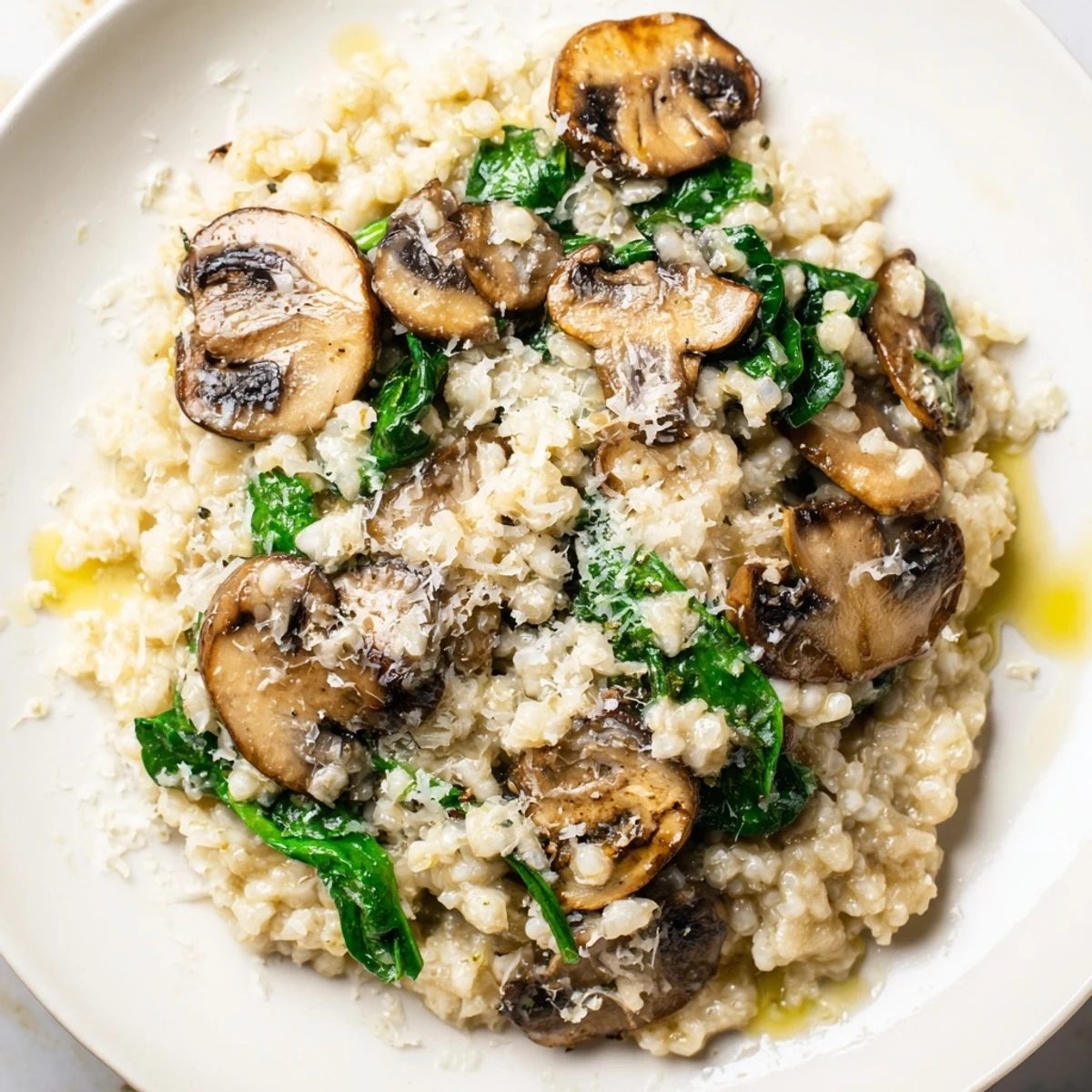
Save Gather some bowls and call it comfort. This risotto proves that eating well does not mean eating less.
Recipe FAQs
- → How do you prepare the cauliflower for this dish?
-
Remove leaves and stem, then pulse the florets in a food processor until they resemble rice grains, ensuring even cooking and a risotto-like texture.
- → Can the dish be made vegan?
-
Yes, substitute butter and cream with plant-based alternatives and replace Parmesan with nutritional yeast to maintain a creamy taste.
- → What is the purpose of adding white wine?
-
White wine adds subtle acidity and depth, enhancing the flavors as it simmers down before adding broth.
- → How do you achieve the creamy texture without traditional rice?
-
Combining butter, heavy cream, and Parmesan cheese with cooked cauliflower rice creates a rich, velvety consistency mimicking classic risotto.
- → Which vegetables add flavor and texture?
-
Garlic, onion, cremini mushrooms, and baby spinach contribute savory depth, earthiness, and freshness to the dish.
- → Is this suitable for gluten-free diets?
-
Yes, all ingredients are naturally gluten-free, making this a safe and satisfying option for gluten-free preferences.